How Ancient Chinese Bronze Was Made: From Ore to Masterpiece
How Ancient Chinese Bronze Was Made: A Journey from Ore to Art
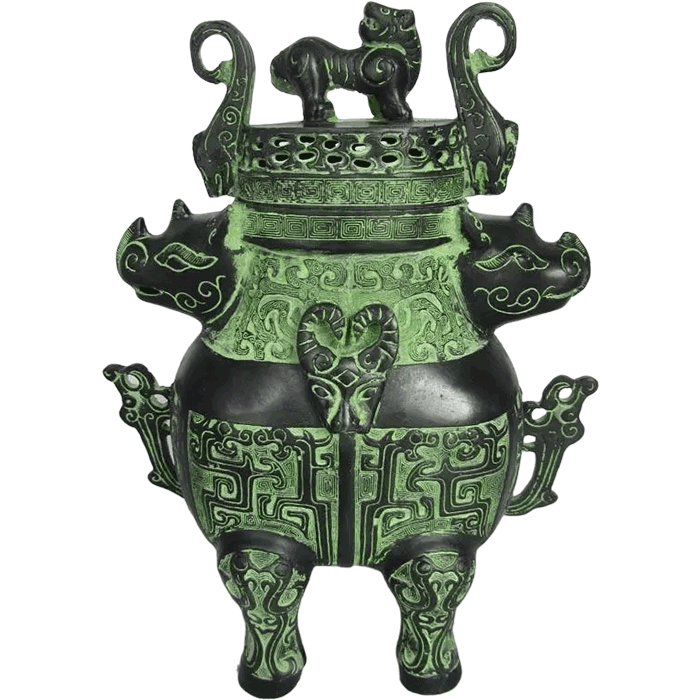
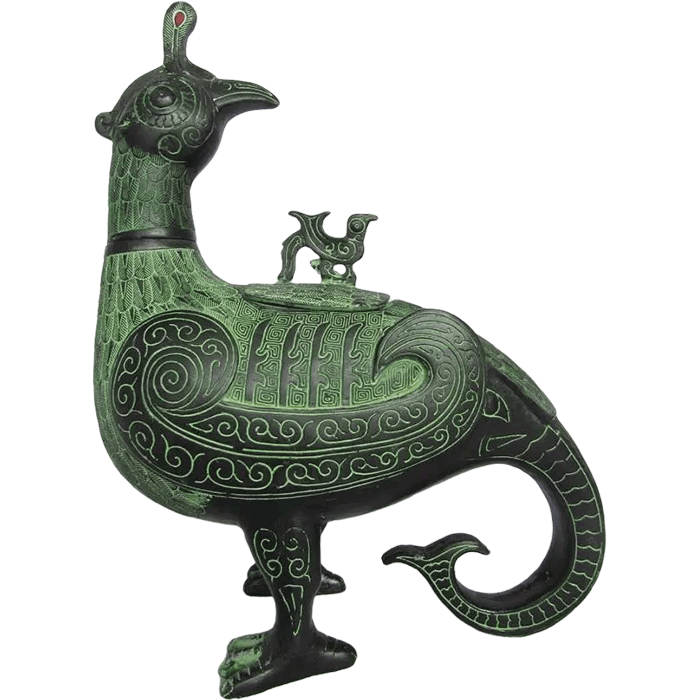
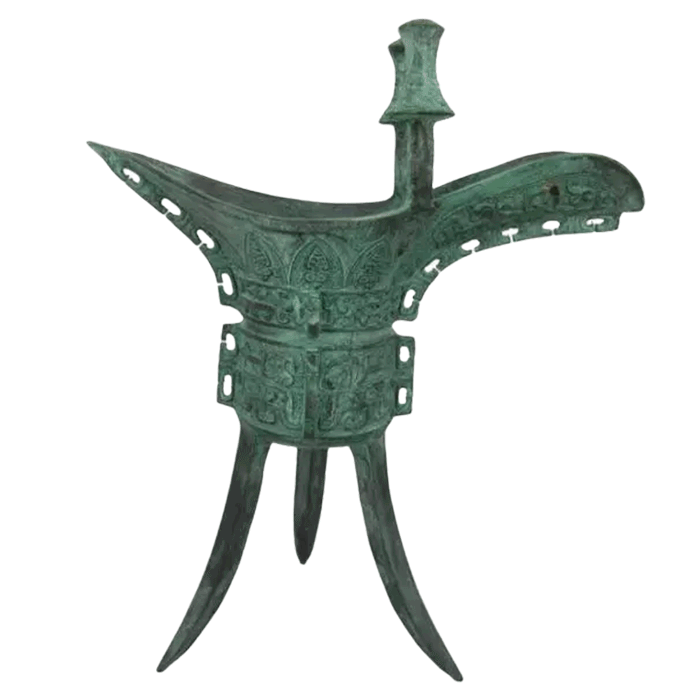
The magnificent bronze artifacts of ancient China—from imposing ritual vessels to intricate sculptures—represent a pinnacle of early metallurgical and artistic achievement. For millennia, these objects have captivated historians, artists, and collectors with their sophisticated designs, enduring power, and the beautiful patinas they have acquired over time. But the serene beauty of a finished piece belies the complex, labor-intensive, and highly skilled process required for its creation. Understanding the methods of ancient foundry masters offers a profound appreciation for not only the artifacts themselves but also the ingenuity of the civilizations that produced them.
This journey from raw metal ore to a revered work of art was a multistage endeavor demanding geological knowledge, metallurgical precision, and unparalleled artistry. It involved everything from mining and smelting to the masterful application of two primary casting techniques: piece-mold casting and the lost-wax method. Here, we will explore the step-by-step process that transformed humble elements from the earth into the timeless treasures of the Chinese Bronze Age, a legacy of craftsmanship that continues to inform and inspire master artisans today.
Sourcing and Preparing the Raw Materials
The creation of any bronze object begins with its fundamental components: copper and tin. The journey started deep within the earth, where ancient miners excavated ores containing these essential metals. The primary materials were copper (tong, 铜) and tin (xi, 锡), which, when alloyed, create bronze. Lead (qian, 铅) was also frequently added to the mixture. The precise ratio of these metals was not accidental; it was a carefully calculated formula that varied depending on the intended function of the final object.
Archaeological evidence suggests that mining operations were sophisticated for their time, involving the construction of shafts and tunnels to follow rich veins of ore. Once extracted, the ores—malachite for copper and cassiterite for tin—had to be smelted. This process involved crushing the rocks and heating them in high-temperature kilns or crucibles. The intense heat separated the metal from the rock and other impurities, a process known as smelting. The molten metals were then cast into standardized ingots for easier transport, storage, and measurement at the foundry.
The genius of the ancient metallurgists lay in their understanding of alloying. They knew that adding tin to copper created a metal that was harder than pure copper, had a lower melting point, and was easier to cast. The proportion of tin could be adjusted to achieve specific qualities. For instance:
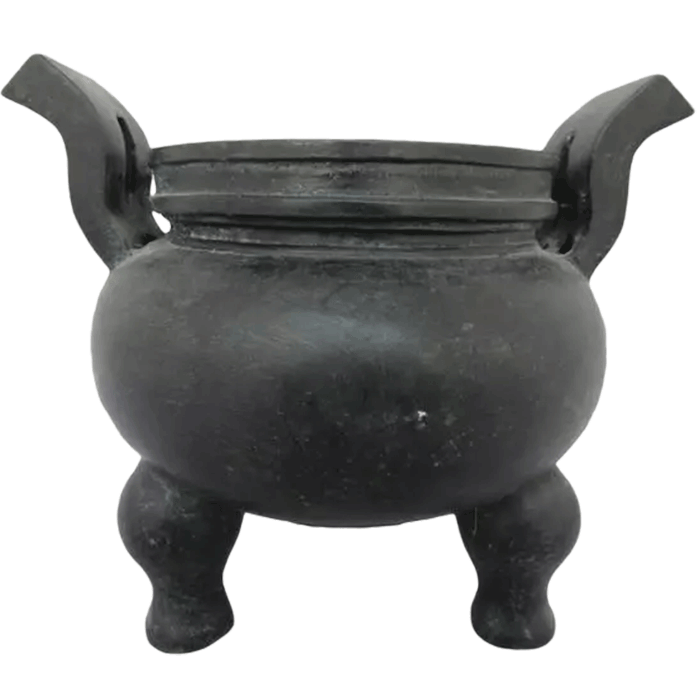
- Ritual Vessels: A typical alloy for vessels like a ding or zun might contain 10-20% tin, creating a strong and durable object.
- Weapons: Bronze weapons, such as dagger-axes, required a higher tin content (around 15-25%) to maximize hardness for a sharp, resilient edge.
- Mirrors: Bronze mirrors required an even higher tin content, sometimes over 25%, along with a percentage of lead. This specific alloy could be polished to an exceptionally high, reflective sheen. Understanding the difference between bronze and brass and other alloys was crucial to the final product's success.
This careful control over raw materials was the foundational first step, ensuring the bronze itself had the ideal properties before the artistic process of casting even began.
The Heart of the Craft: Piece-Mold Casting
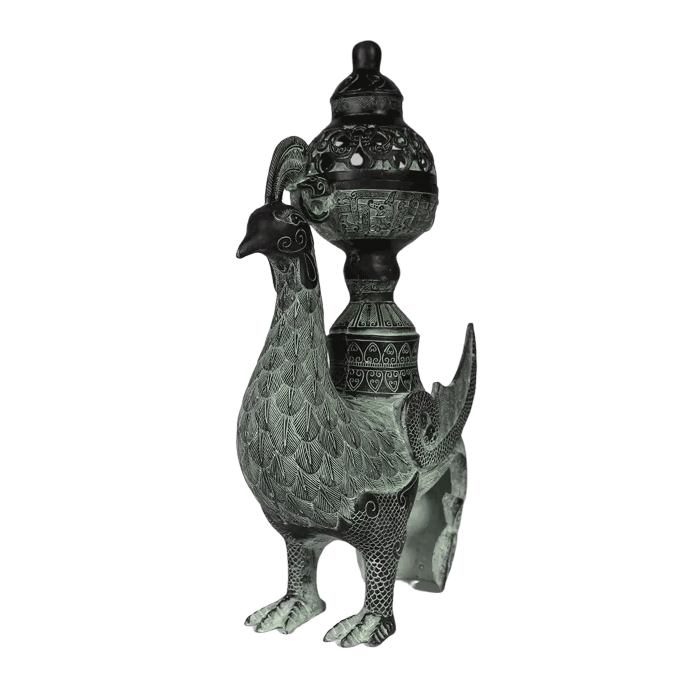
The signature technique of the Shang and Zhou dynasties, and a key element of how ancient Chinese bronze was made, was the piece-mold casting method. This ingenious process was distinct from the lost-wax method used in other ancient cultures and allowed for sharp, precise decoration and the production of nearly identical vessels. The process was meticulous and required several distinct stages.
Step 1: Creating the Master Model
First, an artist would create a perfect, solid model of the final object out of clay. This was the "master pattern," and it had to be exact in every detail, as any imperfection would be transferred to the final bronze. For a ritual vessel, the artist would sculpt the shape, legs, and handles, ensuring perfect symmetry and proportion. Any decorative patterns, such as the iconic taotie mask or intricate geometric designs, were either carved into this model or would be carved into the mold in the next step.
Step 2: Forming the Clay Molds
Once the master model was complete, a layer of fine, wet clay was carefully pressed onto its entire outer surface. This clay layer captured every minute detail of the model. After this initial layer hardened slightly, more clay was added to build up a thick, robust outer casing. Before this casing fully dried, it was carefully cut into several interlocking sections—the "piece-molds." These sections were then pried away from the model. The master model itself was often shaved down slightly to become the core in the next step, or a new core was made.
The inner surfaces of these dried mold pieces, which would form the outer surface of the final bronze, were often further refined. Artisans could carve intricate inscriptions or complex decorative motifs directly into the negative space of the mold, resulting in exceptionally crisp and clear details on the finished product.
Step 3: Crafting the Core
To create a hollow vessel, a solid piece of metal was impractical and wasteful. Therefore, a clay core was needed. This core was a solid mass of clay shaped like the interior of the vessel. It had to be slightly smaller than the outer mold to create a cavity for the molten bronze. To ensure a uniform thickness in the final vessel walls, small bronze or clay spacers called chaplets were strategically placed between the core and the reassembled outer mold pieces. These would hold the core perfectly in place during the pour.
Step 4: The Pouring and Casting
The fired and decorated piece-molds were painstakingly reassembled around the core, fitting together perfectly like a three-dimensional jigsaw puzzle. The entire assembly was packed in sand for stability and then heated to reduce the thermal shock when the molten bronze was introduced. The molten bronze alloy, heated to over 1,000°C, was then poured into the cavity through dedicated channels called sprues. Vents were also incorporated into the mold to allow hot gases to escape, preventing bubbles and imperfections in the casting. After the bronze cooled and solidified, the outer clay molds and the inner core were broken away, revealing the rough bronze casting within.
The Lost-Wax Method: An Alternative for Intricate Designs
While piece-mold casting was dominant for centuries, the lost-wax method (cire perdue) was also employed, particularly from the Spring and Autumn period onward. This technique was ideal for creating exceptionally complex, three-dimensional, or one-of-a-kind shapes with undercuts and intricate openwork that were difficult or impossible to achieve with piece-molds. Modern foundries, including our own, still rely on this versatile method to create highly detailed sculptures.
The lost-wax process follows a different, though equally skilled, sequence:
- Model Creation: The process starts with a model of the final sculpture, often made of clay.
- Wax Layer: This model is then covered in a layer of beeswax. All the fine surface details—the texture of an animal's fur, the folds of a garment, the expression on a face—are meticulously sculpted into this wax layer.
- Sprues and Vents: Wax rods are attached to the model to serve as channels (sprues) for pouring the bronze in and vents for letting gases out.
- Clay Encasement: The entire wax-covered model is then encased in a thick shell of clay, leaving the ends of the sprues and vents exposed.
- The "Lost" Wax: The entire assembly is fired in a kiln. The heat hardens the clay into a ceramic mold and, crucially, melts the beeswax, which runs out through the channels. This leaves a perfect, hollow cavity inside the mold in the exact shape of the original wax sculpture.
- Casting: Molten bronze is poured into the hollow mold, filling the space left by the "lost" wax.
- The Reveal: Once the bronze has cooled and solidified, the outer clay mold is carefully broken away, revealing the finished bronze object.
This method allows for incredible artistic freedom, enabling the creation of dynamic, seamless forms. It is the preferred technique for unique, high-fidelity pieces, and those looking to customize a bronze sculpture from sculpmart.com will find that this ancient process delivers unparalleled detail and artistry.
The Final Touches: Finishing and Patination
A bronze object was far from finished when it emerged from its mold. The raw casting was a rough, unrefined piece, bearing the marks of its creation. A significant amount of skilled labor was required to transform it into a polished work of art.
First, the sprues, vents, and any chaplets had to be cut off. The casting lines, or seams, where the piece-molds met left thin ridges of excess metal (flashing) that had to be removed. This was done through a painstaking process of chiseling, filing, and grinding. Artisans used abrasive materials, such as sand and polishing stones, to smooth the entire surface, removing any roughness or imperfections from the casting process.
Next came the process of "chasing," where fine details were sharpened and refined using specialized chisels and punches. This step was crucial for bringing the intricate decorative patterns to life. For high-end objects like several bronze mirrors, the surface was polished for hours to achieve a bright, reflective finish capable of casting a clear image. Some pieces were further embellished with inlays of turquoise, gold, silver, or jade, adding color and preciousness to the final piece.
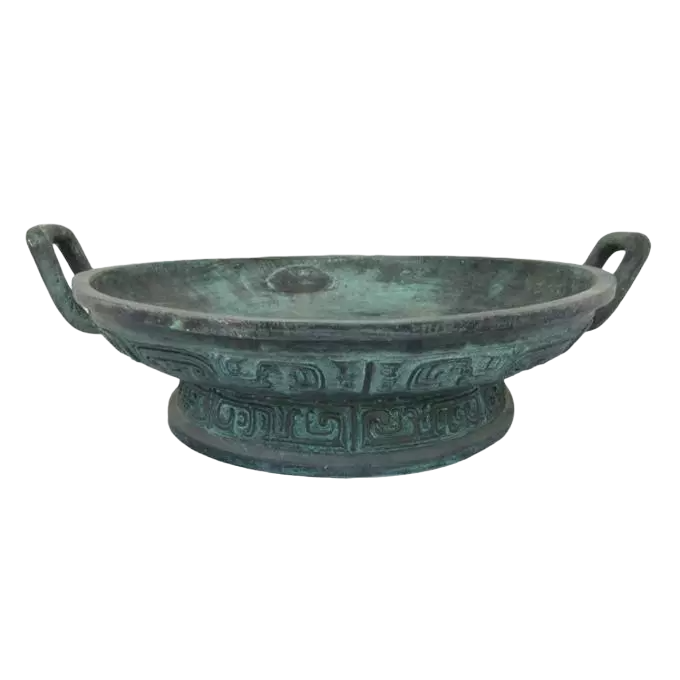
While the rich green and blue patinas we associate with ancient bronzes are largely the result of centuries of natural corrosion in burial environments, ancient craftsmen may have also used techniques to intentionally color the surface. Today, master artisans use controlled chemical processes to create a wide range of beautiful and stable patinas, from traditional antique greens to modern blacks and reds, a skill that requires deep chemical and artistic knowledge.
The Legacy of Ancient Techniques in Modern Craftsmanship
The principles of bronze casting developed thousands of years ago have laid the foundation for all subsequent bronze artistry. While modern technology has introduced efficiencies in temperature control and material analysis, the core of the craft—especially the lost-wax method—remains a hands-on, skill-intensive process that honors its ancient roots. At Luoyang Yichuan Bronze Craft Co., Ltd., our team of over 30 skilled craftsmen, including bronze-casting masters and finishing artisans, continues this venerable tradition.
Our commitment to quality begins with using premium bronze alloys, cast using the traditional lost-wax method to achieve the highest level of detail for every chinese bronze sculpture. Each piece undergoes meticulous hand-chasing, polishing, and patina finishing by artisans who have dedicated their lives to the craft. This fusion of ancient techniques and modern quality control, certified under the ISO 9001 system, allows us to solve key sourcing challenges for our clients, including the exact replication of antique bronzes, consistent patina color matching across large orders, and developing export-compliant packaging for fragile artworks.
From a single custom prototype to a production run of thousands, the spirit of the ancient masters—their dedication to precision, artistry, and material excellence—informs every object we create. The journey from ore to art is a testament to human ingenuity, a tradition we are proud to carry forward into the 21st century.