How Ancient Chinese Bronze Was Made: A Technical Guide
How ancient Chinese bronze was made is a testament to remarkable ingenuity and artistry.
For millennia, Chinese bronze art has captivated collectors, historians, and connoisseurs with its intricate designs, ceremonial significance, and enduring beauty. From the powerful ritual vessels of the Shang Dynasty to the detailed sculptures of later periods, these artifacts represent a pinnacle of metallurgical and artistic achievement. But behind every gleaming surface and complex motif lies a story of innovation in manufacturing. Understanding the methods used to create these masterpieces is crucial for anyone involved in sourcing, collecting, or commissioning bronze art today.
The creation of these objects was not a monolithic process. Two primary casting techniques dominated the craft, each defining a different era and aesthetic possibility: the indigenous piece-mold method and the later-adopted lost-wax (or cire perdue) method. Exploring the nuances of these processes reveals not only the genius of ancient artisans but also provides a framework for evaluating the quality and authenticity of both historical and contemporary bronze works. This guide will delve into the technical specifics of each method, comparing their steps, advantages, and the distinct artistic signatures they leave on the final product.
The Piece-Mold Method: China's Indigenous Casting Innovation
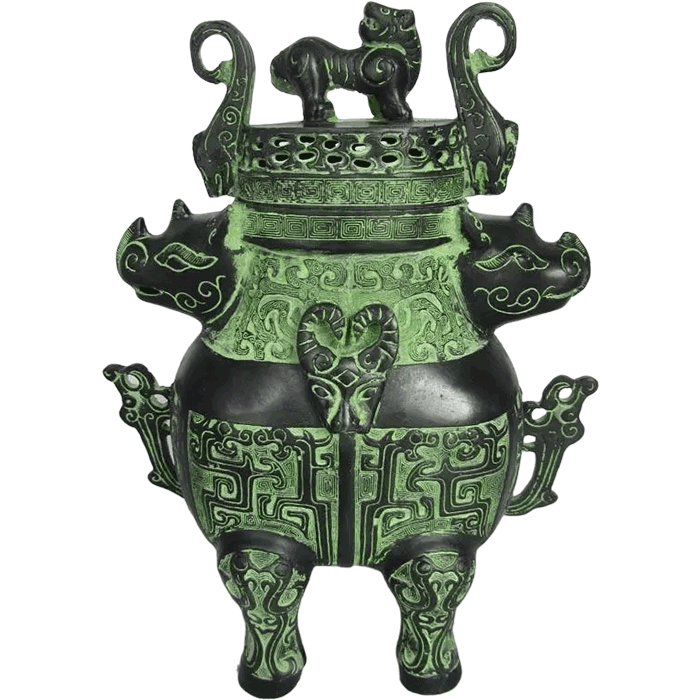
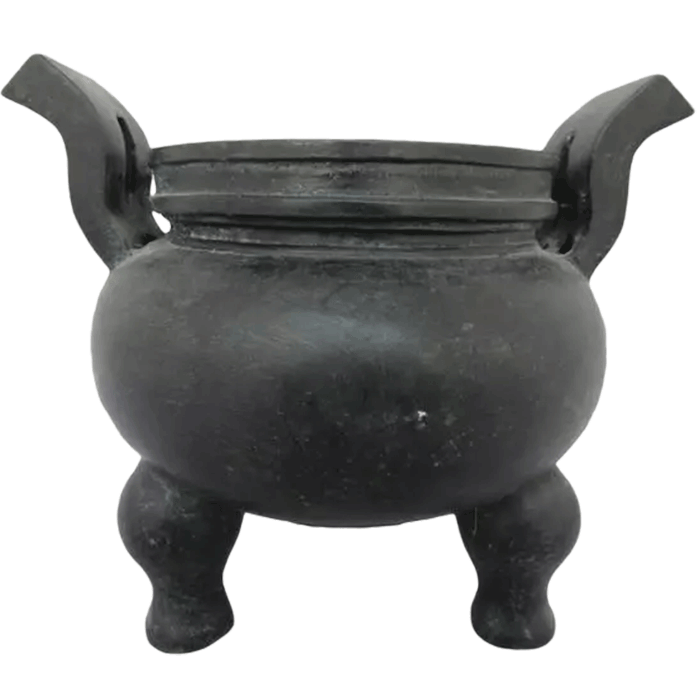
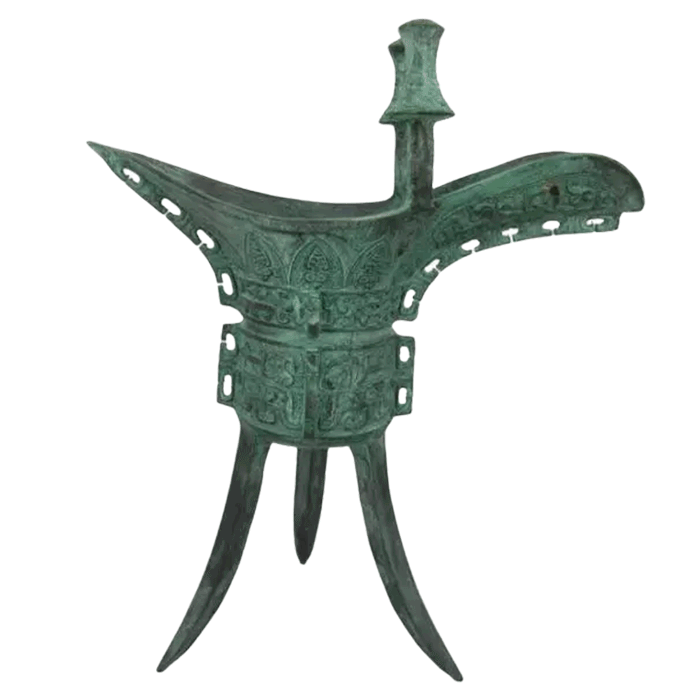
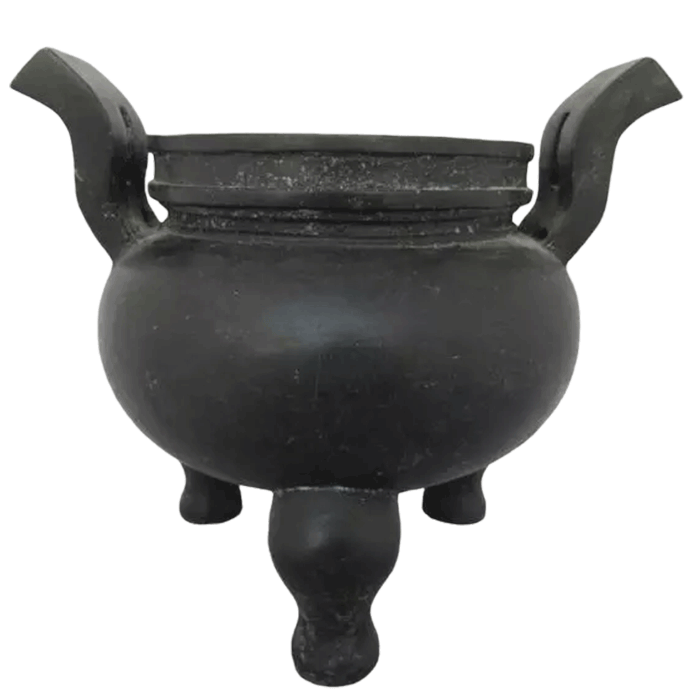
Long before the lost-wax technique became widespread, artisans in ancient China developed a sophisticated and unique casting process known as the piece-mold method. This technique was the cornerstone of the Chinese Bronze Age, particularly during the Shang (c. 1600–1046 BCE) and Zhou (c. 1046–256 BCE) dynasties. It enabled the production of the iconic ritual vessels—such as ding tripods and zun vases—that are now synonymous with the era's power and spiritual life. The process was laborious and required immense precision, with each step building upon the last to achieve the desired form and decoration.
The Step-by-Step Piece-Mold Process
The piece-mold technique was a multi-stage process that involved creating a reusable (though often fragile) mold from sections of clay. This sectional approach was a distinctly Chinese innovation that allowed for a high degree of control over the vessel's decoration.
- Model Creation: The process began with a master model of the final object, meticulously sculpted from clay. All the intended surface decorations, such as the intricate taotie masks or geometric patterns, were carved or stamped in reverse (intaglio) onto this model.
- Mold Formation: A layer of fine, wet clay was carefully pressed onto the master model. This clay layer would capture every detail of the incised decoration. Once it had partially dried to a leather-hard consistency, it was precisely cut into several sections or "pieces." These pieces were removed from the model and fired in a kiln to create a durable, ceramic outer mold.
- Core Construction: To create a hollow vessel, a central clay core was made. The core was essentially a smaller version of the original model, shaved down to define the thickness of the final bronze walls. The core was also fired for durability.
- Mold Assembly and Casting: The fired outer mold pieces were reassembled around the central core. Small bronze or copper spacers, known as chaplets, were strategically placed between the core and the outer mold to maintain a uniform gap. This assembly was then secured, and molten bronze—a premium alloy of copper and tin (Cu-Sn)—was poured into the space between the core and the mold.
- Finishing: After the molten bronze cooled and solidified, the outer mold pieces and the inner core were broken away. This revealed a bronze vessel that bore the marks of the casting process: fine vertical lines, or seams, where the mold sections met. These seam lines were either painstakingly polished away by artisans or cleverly integrated into the vessel's decorative scheme.
Characteristics and Limitations of Piece-Mold Casting
The piece-mold method produced bronzes with a distinct aesthetic. The technique allowed for exceptionally sharp and precisely defined surface decoration, as the designs were carved directly into the hard model. The resulting look is often geometric, sectioned, and architecturally robust. For archaeologists and authenticators, the presence of subtle seam lines is a key identifier of this ancient technique.
However, the method had its limitations. Creating complex, three-dimensional forms with undercuts or freestanding elements was incredibly challenging. Such features would require casting multiple parts separately and then joining them using sophisticated techniques like soldering or casting-on, adding significant labor and potential points of weakness. This is one reason why many Shang and Zhou bronzes have a monumental, symmetrical, and contained presence.
The Lost-Wax Method: A Revolution in Bronze Artistry
While the piece-mold technique defined early Chinese bronze production, the lost-wax method introduced a new realm of artistic freedom. Though known in other parts of the ancient world, this technique gained prominence in China around the Spring and Autumn Period (771–476 BCE). It allowed for the creation of seamless, highly detailed, and intricate forms that were impossible to achieve with piece-molds. This method is so effective that it remains the preferred technique for producing high-quality art castings today, including the custom Chinese bronze handicrafts we create at Luoyang Yichuan Bronze Craft Co., Ltd.
The Lost-Wax Casting Process Explained
The lost-wax, or cire perdue, process is fundamentally different because it relies on a disposable model and a single-use mold. This allows for unparalleled complexity and a flawless, seamless finish.
- The Wax Model: The artisan begins by sculpting an exact model of the final piece out of beeswax or another suitable wax. This is a direct creative process, where every minute detail—the texture of an animal's fur, the fold of a garment, or a delicate facial expression—is captured in the soft, pliable wax.
- Gating and Investment: Wax rods (gates and sprues) are attached to the model. These will later serve as channels for molten bronze to flow in and for air to escape. The entire wax assembly is then "invested," or coated, in a liquid ceramic slurry. Multiple coats are applied, from a fine inner layer to capture surface detail to coarser outer layers for structural strength, creating a thick and durable ceramic shell.
- The Burnout ("Lost Wax"): The ceramic shell is placed in a kiln and heated. This hardens the ceramic into a resilient mold and, crucially, melts the wax model inside. The melted wax pours out through the channels, leaving a perfectly hollow cavity that is an exact negative of the original wax sculpture. The wax is "lost," hence the name.
- Casting: Molten bronze is poured into the now-empty, pre-heated ceramic mold, filling every crevice of the detailed cavity.
- De-molding and Finishing: Once the bronze has cooled, the ceramic shell is carefully broken and hammered away, revealing the raw bronze casting. The gates and sprues are cut off, and the real artistry of the finishing process begins. Our skilled artisans engage in hand chasing to remove any minor imperfections, followed by meticulous polishing and the application of a patina to achieve the desired color and texture, whether an antique look or a modern finish.
Advantages of the Lost-Wax Technique
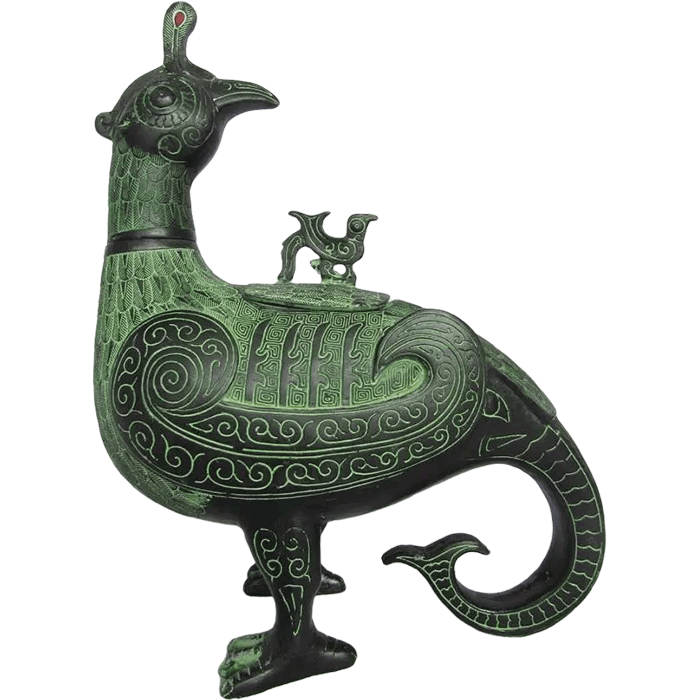
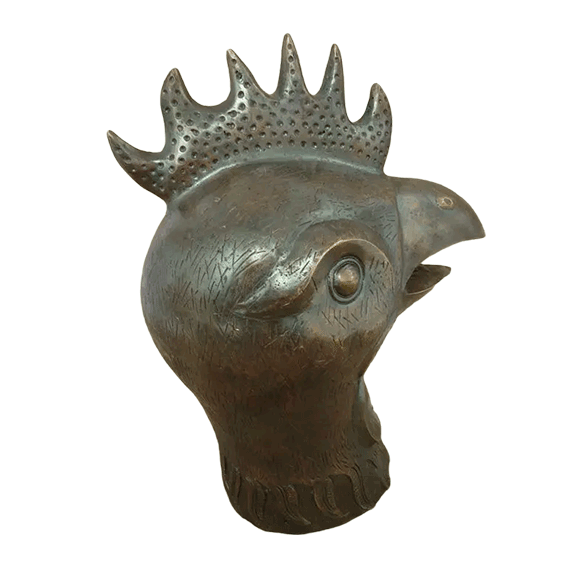
The lost-wax method's primary advantage is its ability to reproduce intricate and complex shapes with undercuts and fine, openwork details in a single, seamless cast. This is why it is the superior method for creating dynamic bronze statues with different themes, from galloping horses to serene Buddhist figures. The final product is free of the seam lines characteristic of piece-mold casting, resulting in a fluid and unified appearance that is truer to the artist's original vision.
Comparing the Techniques: Aesthetics, Complexity, and Identification
For collectors, curators, and buyers of bronze, understanding the differences between these two methods is essential for attribution, authentication, and appreciating the craftsmanship involved. The choice of technique fundamentally influenced the evolution of bronze culture over 2000 years.
- Surface and Seams: The most telling difference is the presence of casting seams. Piece-mold bronzes will almost always show faint, vertical mold lines, even if heavily polished. Lost-wax castings are seamless.
- Decorative Style: Piece-mold decoration is often crisper, more geometric, and confined to panels, reflecting its origin in carved molds. Lost-wax allows for more fluid, three-dimensional, and organic decoration that can flow uninterrupted across the entire surface.
- Complexity: Lost-wax excels at creating highly complex, one-of-a-kind sculptures with delicate, freestanding elements. Piece-molding is better suited for robust, symmetrical vessels and objects with repeating decorative registers.
- Replication: While a piece-mold could theoretically be re-used, it was often damaged during de-molding. In contrast, a lost-wax mold is inherently single-use, as it must be destroyed to free the casting. Every lost-wax piece is therefore unique.
Modern Bronze Craftsmanship: Honoring Ancient Traditions
Today, foundries dedicated to producing high-quality bronze art draw upon this rich history of technical mastery. At Luoyang Yichuan Bronze Craft Co., Ltd., we specialize in the traditional lost-wax method, a choice that allows us to offer our B2B clients unparalleled detail and artistic flexibility. This process is the foundation upon which our team of over 30 skilled craftsmen, including bronze-casting masters and finishing artisans, builds every piece.
Our commitment to this time-honored technique enables us to solve key sourcing challenges for our clients. Whether it's replicating the intricate details of an antique bronze, ensuring consistent patina color matching across a bulk production run, or developing a single custom prototype, the lost-wax method provides the necessary precision and quality. It is the ideal process when you need to customize a bronze sculpture from sculpmart.com, allowing for the faithful realization of any design, from classical human figures to complex abstract forms.
Operating from our 3,000-square-meter facility in the historic region of Luoyang, we uphold the highest standards. Our ISO 9001 certification and adherence to export quality inspection standards are testaments to our dedication. By combining premium bronze alloys with meticulous hand-finishing, we create bronze art that honors its ancient lineage while meeting the exacting demands of the modern global market. Every piece undergoes a rigorous quality inspection before shipment, and our after-sales support ensures client satisfaction for years to come.
In conclusion, the journey of Chinese bronze casting is a story of two remarkable technologies. The piece-mold method laid a foundation of bold, powerful artistry, while the lost-wax method opened the door to breathtaking complexity and realism. By understanding these historical processes, one gains a deeper appreciation for the skill, labor, and innovation embedded in every bronze artifact. It is this legacy of excellence that we strive to continue, delivering expertly crafted bronze wares that connect the masterworks of the past with the artistic visions of today.