History of Chinese Bronze Vessels & Piece-Mold Casting FAQs
The enduring legacy of ancient Chinese bronze vessels reveals a mastery of piece-mold casting.
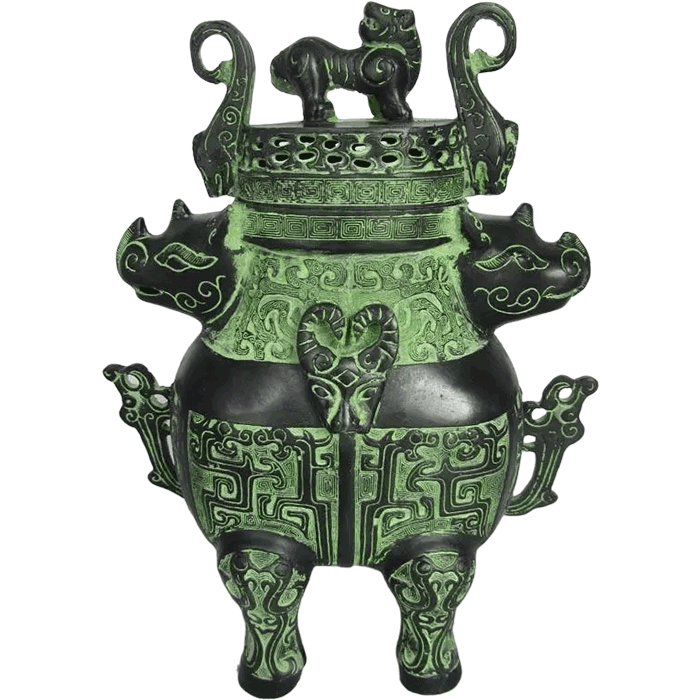
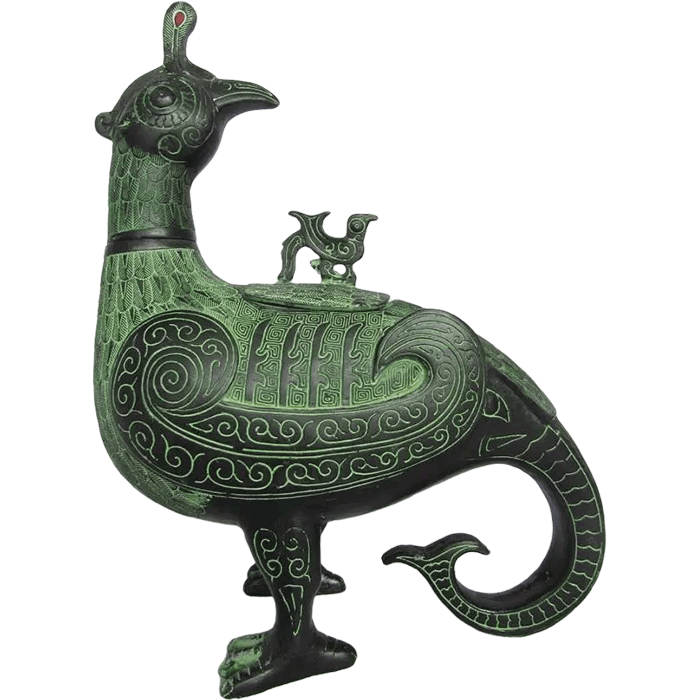
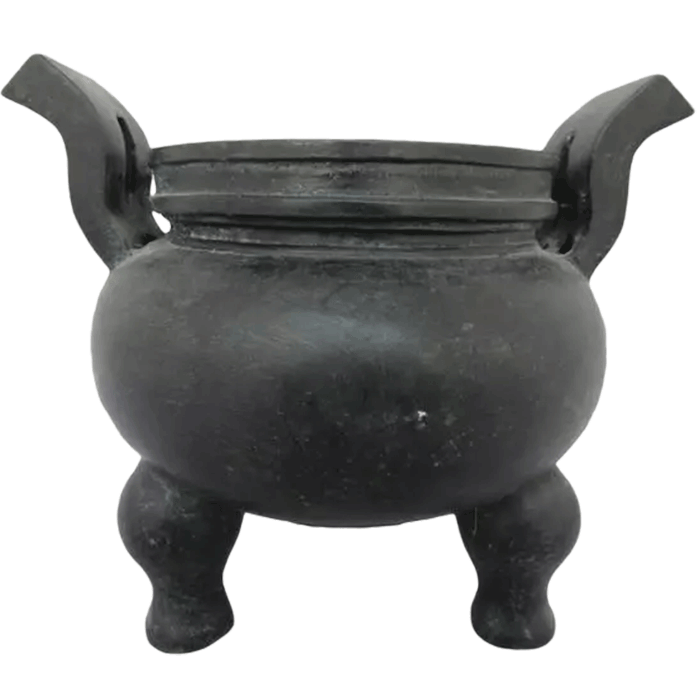
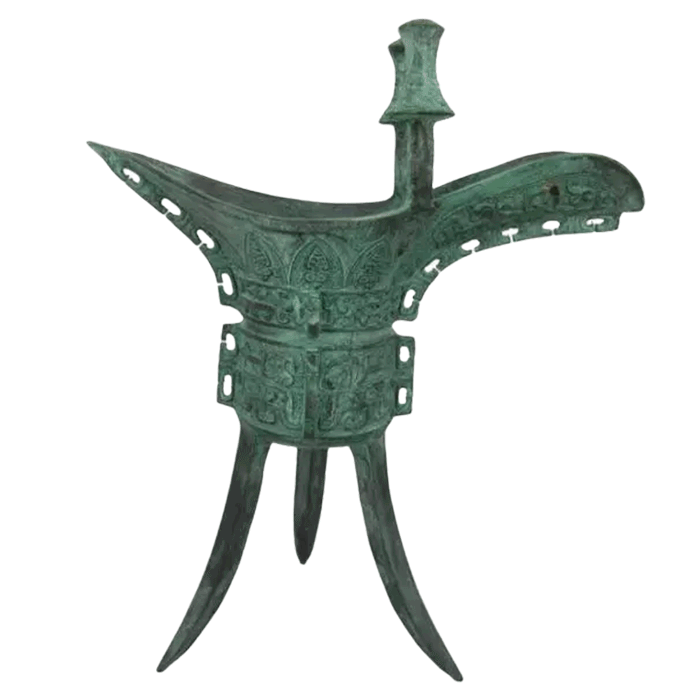
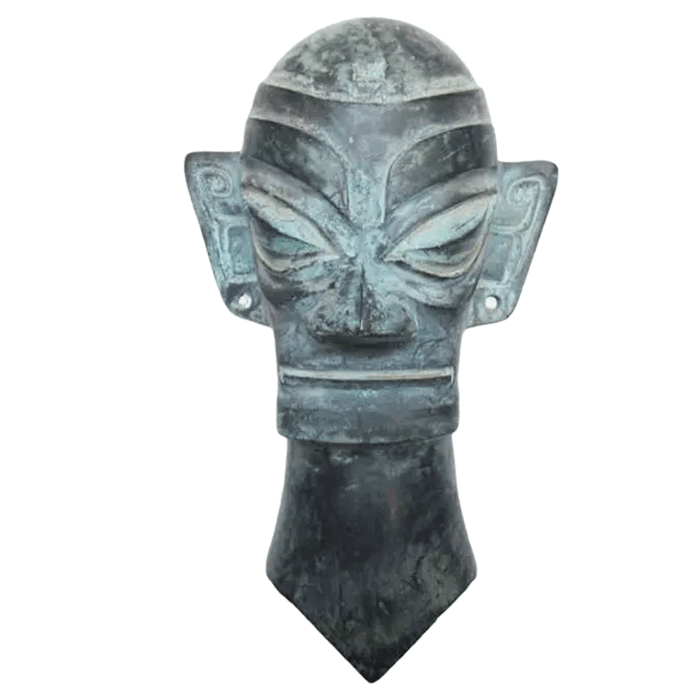
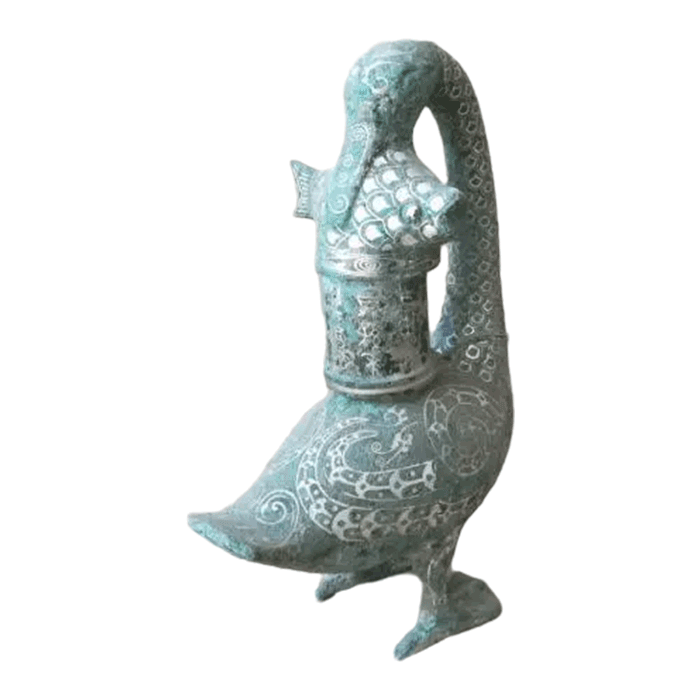
The magnificent bronze artifacts of ancient China, particularly from the Shang and Zhou dynasties, represent a pinnacle of early metallurgical and artistic achievement. These objects—ranging from massive ritual cauldrons to delicate wine vessels—were not merely decorative; they were symbols of power, instruments of ritual, and carriers of ancestral memory. Central to their creation was a sophisticated technology unique to the region: piece-mold casting. For B2B clients, collectors, and historical institutions seeking to source or replicate these works, understanding this foundational technique is crucial for appreciating their design, complexity, and cultural significance.
This article addresses frequently asked questions about the piece-mold casting process, providing the technical context necessary for informed sourcing decisions. As a specialist manufacturer of Chinese bronze handicrafts, Luoyang Yichuan Bronze Craft Co., Ltd. combines an appreciation for these ancient methods with modern precision to meet the exacting standards of today's global market.
What is Piece-Mold Casting and How Does It Differ from Lost-Wax Casting?
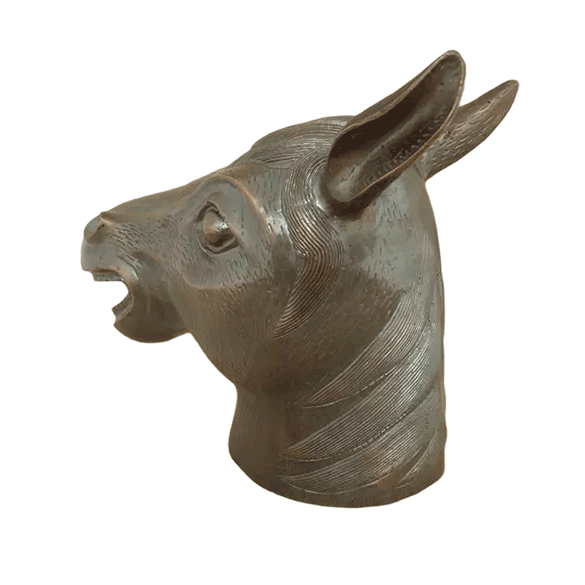
Piece-mold casting is a distinctive bronze manufacturing technique perfected in ancient China. Unlike the lost-wax (cire perdue) method, which was prevalent in most other ancient civilizations, the piece-mold process involves creating a reusable clay model and a sectional outer mold. This approach allowed for unparalleled precision and consistency, defining the aesthetic of the Chinese Bronze Age.
The Piece-Mold Process at a Glance
The fundamental principle involves creating a negative impression of a master model in multiple, interlocking sections of clay. Here is a simplified breakdown of the core stages:
- Model Creation: First, a master model of the final vessel was meticulously crafted from clay. All surface decorations, such as the iconic taotie masks or geometric patterns, were carved into this original model.
- Outer Mold Formation: Damp clay was carefully packed around the master model. Once it had partially dried to a leather-hard state, it was cut into several interlocking sections. These sections, which formed the outer mold, were then removed and fired in a kiln to become durable ceramic.
- Core Creation: The original master model was shaved down to create a smaller version, which would serve as the inner core. The space between this new, smaller core and the reassembled outer mold sections would determine the thickness of the final bronze vessel's walls.
- Assembly and Casting: The fired outer mold sections were reassembled around the inner core, held in place by bronze or clay spacers called chaplets. Molten bronze alloy was then poured into the cavity between the core and the outer mold.
- Finishing: After the bronze cooled and solidified, the outer mold and inner core were broken away, revealing the cast vessel. The final piece was then cleaned, and any casting seams or imperfections were ground down and polished.
Key Differences from Lost-Wax Casting
The lost-wax method, which our foundry uses for modern high-fidelity reproductions, follows a different logic. It begins with a wax model (often formed around a clay core). This wax model is then encased in a solid clay mold. When the mold is heated, the wax melts and runs out ("lost wax"), leaving a perfect cavity for the molten bronze. The primary difference is that a lost-wax mold is a single, seamless piece that must be destroyed to retrieve the casting, making each mold a one-off. In contrast, the sectional nature of piece-molding allowed for greater control over decoration and wall thickness, and in some cases, parts of the mold could be reused. This distinction is fundamental to understanding the unique visual language of ancient Chinese bronzes, which often feature subtle vertical ridges where the mold sections met.
Why Was Piece-Mold Casting the Preferred Method in Ancient China?
The dominance of piece-mold casting in the Shang and Zhou dynasties was not accidental; it was a deliberate technological choice driven by available resources, aesthetic goals, and cultural practices. The region's abundant loess clay provided an ideal raw material for creating stable, high-temperature molds capable of capturing extremely fine detail.
Control Over Decoration and Form
The primary advantage of the piece-mold technique was the exceptional control it gave artisans over the final product. Decorations were carved into the clay model and mold pieces in a negative, crisp format. When the molten bronze filled these impressions, it resulted in sharp, clearly defined lines and patterns that are a hallmark of the period. This level of precision would have been much harder to achieve by carving into a wax model. The method was perfectly suited for the highly symmetrical and compartmentalized decorative schemes favored by Shang and Zhou artists.
Integration of Inscriptions
Another significant advantage was the ability to cast inscriptions directly into the vessel. Characters were inscribed in reverse onto the inner surface of the mold pieces. During casting, the bronze flowed into these inscriptions, making them an integral part of the object. This contrasts with engraving text after casting, a more laborious process. These inscriptions are invaluable historical records, documenting royal decrees, land grants, and ancestral honors, and their clarity is a testament to the sophistication of the molds. The detail captured in artifacts such as the famous bronze statue and Mao Gong Ding showcases the technical mastery this method allowed.
Scalability and Complexity
The sectional approach also enabled the creation of incredibly complex and large-scale vessels. By casting components like handles, legs, and other appendages separately and then integrating them into the main mold assembly—a technique known as composite casting—craftsmen could produce elaborate forms that would be difficult to manage with a single-piece lost-wax mold. This modularity was key to producing monumental pieces like the Houmuwu Ding, one of the largest ancient bronzes ever discovered.
How Did This Technique Influence the Design of Bronze Vessels?
The piece-mold casting process was not just a means to an end; it profoundly shaped the aesthetic and design language of ancient Chinese bronzes. The technology and the art were inextricably linked, with the limitations and possibilities of the method directly influencing the visual characteristics of the vessels.
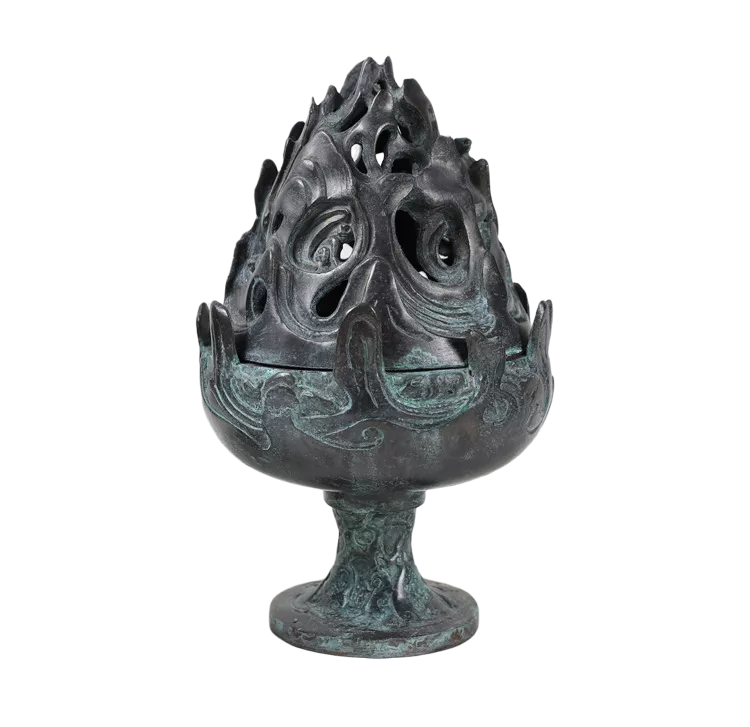
One of the most telling features is the presence of mold lines or seams. Where the outer mold sections joined, a thin line of bronze would often form. Rather than trying to completely erase these seams, Shang and Zhou artisans ingeniously incorporated them into the design. They transformed these vertical lines into decorative flanges or ridges that compartmentalized the surface decoration, reinforcing the vessel's symmetry and structural logic. These flanges became a signature element of the Bronze Age aesthetic, a direct visual artifact of the manufacturing process.
Furthermore, the technique encouraged a highly structured and geometric approach to decoration. The need to carve designs into flat or curved clay sections before assembly lent itself to repetitive, modular patterns. The taotie motif, a stylized mask of a mythical creature, was often perfectly centered and symmetrically distributed across the vessel's surface, a layout facilitated by the sectional mold. The result was a powerful, architectonic quality, where the decoration feels integral to the vessel's form rather than superficially applied. Understanding this relationship is vital for anyone studying the evolution of bronze culture over 2000 years.
Sourcing High-Fidelity Bronze Reproductions Today
For museums, collectors, and architectural projects requiring historically accurate reproductions of Chinese bronze vessels, understanding the original manufacturing process provides a benchmark for quality. While ancient artisans perfected piece-mold casting, modern foundries like Luoyang Yichuan Bronze Craft Co., Ltd. leverage advanced techniques, primarily the lost-wax method, to achieve and even surpass the detail and integrity of ancient masterpieces.
Our facility, located in the historic region of Luoyang, combines the legacy of traditional craftsmanship with contemporary quality control. As an ISO 9001 certified manufacturer, we adhere to strict international standards at every stage of production. Our team of over 30 skilled craftsmen, including master casters and finishing artisans, specializes in solving the key challenges of bronze art sourcing:
- Exact Replication: We can create faithful reproductions of antique bronzes, capturing the finest details of intricate patterns and inscriptions. Our process supports projects from a single prototype (MOQ from 1 piece) to large production runs.
- Consistent Patina Matching: We offer expert hand-finishing to achieve specific antique or modern patinas, ensuring color consistency across bulk orders—a common pain point for large-scale architectural or interior design projects.
- Export-Compliant Packaging: We understand the fragility of complex sculptures and provide custom, protective packaging that meets international export standards, ensuring your investment arrives safely.
Whether your project requires a reproduction of a historic vessel or you want to customize a bronze sculpture inspired by ancient motifs, our expertise ensures a final product that honors the profound history of Chinese bronze vessels. We provide comprehensive quality inspections before every shipment and offer after-sales support, including free replacement for casting defects and guidance on long-term care and restoration.