Handmade Silver Teapot Sourcing for Resale
How to Source a Handmade Silver Teapot for Resale
Giftware importers, specialty tea retailers, museum shops, and premium homeware distributors need more than an attractive product photo when evaluating handcrafted teapots. A silver teapot is a high-value item that combines material cost, artisan workmanship, food-contact considerations, packaging requirements, and brand presentation. Before requesting samples or quotes, buyers should establish a structured sourcing process that helps compare suppliers on consistent criteria.
Unlike mass-produced stainless steel tea ware, silver pieces can vary significantly in purity, wall thickness, construction method, lid fit, handle strength, finish, and decorative quality. The same visual design may have very different wholesale value depending on whether it is plated, sterling-grade, high-purity silver, or made from another base material. For resale businesses, confirming these details early reduces the risk of inaccurate product descriptions, customer returns, pricing errors, and disputes over materials.
This guide explains how to identify suitable suppliers, request useful samples, assess craftsmanship, negotiate production terms, and prepare a reliable resale program for premium tea ware.
Define Your Handmade Silver Teapot Product Positioning
Before contacting suppliers, define the market position of the collection. A specialty tea retailer may prioritize everyday brewing performance, comfortable handling, and an understated finish. A giftware importer may seek decorative presentation, cultural motifs, branded gift boxes, and seasonal collections. A luxury retailer may require documented material specifications, limited-edition designs, and tighter finish consistency across repeat orders.
Your product brief should clarify whether the teapot is intended primarily for brewing tea, ceremonial serving, display, gifting, or a combination of these uses. The intended use affects the design, capacity, wall thickness, spout construction, interior surface requirements, packaging, and price range.
- Target customer: Define whether the end buyer is a tea enthusiast, luxury gift purchaser, collector, hospitality buyer, or home décor customer.
- Retail price range: Work backward from the expected shelf price to estimate a viable landed-cost target.
- Material requirement: Specify the acceptable purity, whether plating is acceptable, and how the material must be marked or documented.
- Tea type and usage: Consider whether the pot will be used for green tea, black tea, herbal infusions, or decorative service.
- Design direction: Identify preferred shapes, engraving styles, surface finishes, traditional patterns, or minimalist contemporary forms.
- Order model: Determine whether you need a ready-made design, private-label adaptation, exclusive design, or a fully custom project.
A clear brief prevents suppliers from quoting different specifications under the same product name. It also makes comparisons more meaningful. For example, two quotes may appear similar until one includes a solid silver body, fitted presentation box, and hand-finished lid, while the other refers to a plated decorative item with basic packaging.
Buyers who are building a wider artisanal gift range can also compare tea ware with complementary metal craft categories. Reviewing handmade silver content can help purchasing teams establish a more consistent visual direction for premium metal gift collections.
How to Qualify a Handmade Silver Teapot Supplier
Supplier qualification should combine document review, communication quality, sample evaluation, and production capability assessment. Do not rely only on a supplier’s catalog images or marketplace profile. Premium handcrafted products require more detailed verification because material value and manual labor both influence the final product.
Start by asking the supplier to explain its role in the supply chain. Determine whether it is a manufacturer, workshop, trading company, plating specialist, design studio, or exporter coordinating multiple production partners. Each model can be suitable, but buyers need transparency about who controls the materials, workmanship, inspection, and packing process.
Verify Material Specifications
Material verification is the first essential step. Ask the supplier to state the exact silver content or plating specification in writing. If the item is solid silver, request the purity standard, product marking method, and supporting documentation available for the target market. If the item is silver-plated, request details about the base metal, plating thickness, plating process, and care limitations.
Important questions include:
- What is the stated silver purity or plating specification?
- Is the body made from one material or assembled from different materials?
- Are the handle, knob, lid, spout, and decorative components made from the same material?
- What hallmark, stamp, label, or product documentation will be supplied?
- Can the supplier provide material records or third-party testing where required?
- What cleaning instructions should accompany the finished item?
Do not describe an item as sterling silver, pure silver, food-safe, antique, or handmade in retail marketing unless the supplier can support that claim. Retailers should also check local rules for precious-metal labeling, consumer product labeling, and food-contact articles in their own destination market.
Assess Workshop Capability and Communication
Experienced suppliers should be able to discuss the production sequence in practical terms. Depending on the design, a teapot may involve forming, casting of decorative components, joining, soldering, chasing, engraving, polishing, fitting, and final inspection. A capable supplier should explain which stages are performed in-house, which are outsourced, and how quality is controlled between stages.
Good communication during the quotation stage is often an early indicator of project reliability. Look for clear answers regarding dimensions, capacity, weight tolerance, finish, lead time, packaging, shipping terms, and sample charges. Vague responses can become costly once a purchase order is issued.
For businesses that also source bronze giftware or cultural décor, it is useful to compare metalworking processes rather than assume all alloys and finishes perform in the same way. This overview of bronze and brass differences can support better material discussions when building a mixed-metal collection.
Request Samples That Reveal Real Craftsmanship
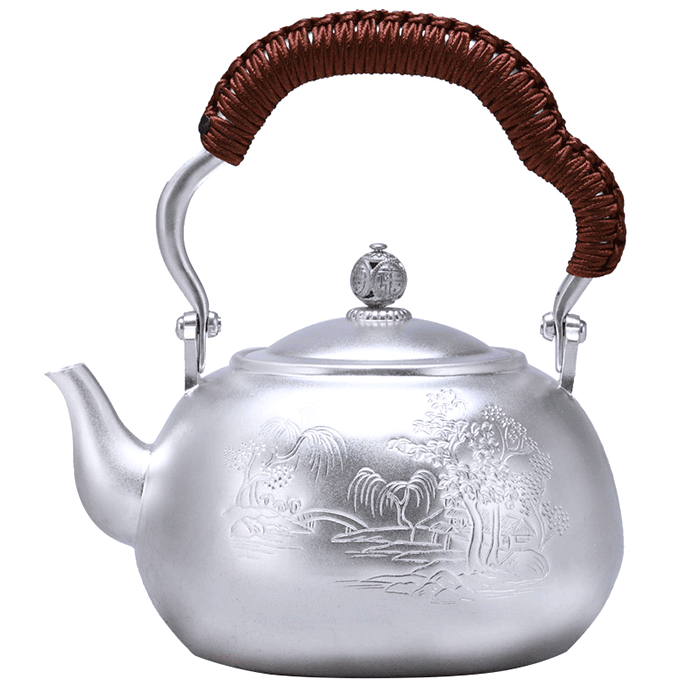
A sample should be treated as a qualification tool, not simply a product photo you can hold. For each Handmade Silver Teapot sample, create an inspection checklist before it arrives. This helps your buying team evaluate multiple suppliers fairly and provides a written standard for future production.
Begin with visual inspection under natural and direct light. Examine the surface for uneven polishing, scratches, tool marks, pits, discoloration, solder residue, inconsistent plating, sharp edges, and poorly finished joints. Handmade work may show subtle artisan variation, but it should still appear intentional, clean, and appropriate for the agreed market position.
Next, test basic functionality. Place the teapot on a level surface and check for rocking. Open and close the lid repeatedly. It should sit securely without binding, excessive gaps, or instability. Pour water to evaluate the spout: the stream should be controlled, and drips around the spout base should be noted. Check that the handle feels balanced and does not transfer excessive heat during normal use, where relevant to the design.
Measure the actual product against the supplier’s quotation. Confirm overall height, width, capacity, net weight, wall thickness where practical, and internal opening diameter. If your listing will state a capacity, do not rely on an estimate. Test and record the usable volume.
Sample Inspection Checklist
- Confirm the material marking and compare it with the quoted specification.
- Check whether the lid aligns correctly with the body opening.
- Inspect the spout for clean flow and controlled pouring.
- Assess handle attachment points for visual and structural consistency.
- Review engraving, embossing, chasing, or decorative motifs for sharpness and symmetry.
- Look for visible seams, solder marks, polishing scratches, dents, or uneven color.
- Verify that the teapot rests stably on a flat surface.
- Inspect the interior for cleanliness and suitability for the intended use.
- Evaluate the gift box, protective inserts, care card, and outer-carton protection.
- Photograph all findings and send documented feedback before approving production.
If the sample is intended for a branded program, request logo placement, custom packaging, or an engraved mark at the sample stage. This allows you to review scale, legibility, and positioning before committing to production tooling or bulk decoration.
Compare Pricing Beyond the Unit Quote
A low unit price does not necessarily indicate a lower total cost. With high-value tea ware, the final landed cost can be affected by material value, sample revisions, custom tooling, packaging, inspection, insurance, shipping method, import duty, and breakage risk.
Ask suppliers to separate major cost elements wherever possible. A transparent quotation may identify product price, precious-metal price basis, decorative additions, custom logo work, gift box cost, export carton cost, sample charges, and shipping terms. This approach makes it easier to identify which parts of the specification can be adjusted without compromising the product’s essential value.
Weight deserves particular attention. If pricing is influenced by silver content, buyers should confirm whether quoted weight is approximate, whether it includes non-silver components, and what tolerance applies. A decorative design with a heavier lid, ornate handle, or cast ornament can have substantially different material usage from a simple formed shape.
When comparing quotations, use a consistent worksheet that includes:
- Material specification and evidence available.
- Product dimensions, capacity, and quoted weight.
- Surface treatment, engraving, and decorative details.
- Sample cost and sample approval process.
- Minimum order quantity and price-break quantities.
- Production lead time after deposit and final artwork approval.
- Packaging configuration and export-carton details.
- Payment terms, trade terms, and shipping responsibilities.
- Inspection procedure and remedies for confirmed defects.
Do not assume that a supplier’s stated minimum order quantity applies to every variation. Custom shapes, new handles, special engraving, branded boxes, or particular surface treatments can have different requirements. Clarify whether the MOQ applies per design, per finish, per color, or per packaging version.
Plan Quality Control and Export Packaging Early
Quality control should be agreed before production, not after goods are ready to ship. Provide the supplier with an approved sample, specification sheet, artwork file, packaging layout, and defect standard. Where possible, identify critical defects separately from minor acceptable handmade variation.
Critical defects may include incorrect material claims, unstable bases, cracked or weak attachment points, sharp edges, severe scratches, incorrect branding, missing components, or inadequate packaging. Cosmetic tolerances should be clearly defined for handmade finishes. A retailer selling premium craft goods may accept minor evidence of hand finishing but not visible damage or inconsistent quality across a displayed collection.
Packaging is especially important for teapots because the spout, handle, and lid are vulnerable during transit. Ask for internal protection that immobilizes the piece, prevents metal-on-metal contact, and supports delicate areas. The outer carton should be appropriate for the item’s weight and the expected shipping method. If products will be sold in stores, the retail box should also protect the item through stocking, handling, and customer transport.
Luoyang Yichuan Bronze Craft Co., Ltd. applies quality inspection before shipment and uses export-compliant protective packaging for fragile art crafts. Its established bronze production experience includes hand-finishing, patina work, and careful handling of decorative pieces. Buyers sourcing complementary metal giftware can review bronze home decor options when planning broader collections, while keeping silver product specifications and supplier verification separate.
Build a Resale Range That Is Commercially Coherent
A successful resale range is not only a collection of individual teapots. It should have a coherent assortment strategy. Consider offering several price points, capacities, and design styles rather than many similar items competing for the same customer. A compact gift-size pot, a mid-size everyday serving piece, and a premium decorative edition may address different purchasing occasions.
Product storytelling should be accurate and useful. Explain the visible craftsmanship, the design inspiration, intended care, capacity, and any documented material information. Avoid historical claims or cultural descriptions that cannot be verified. If the design references traditional Asian vessels or decorative motifs, use respectful and specific wording rather than generalized claims.
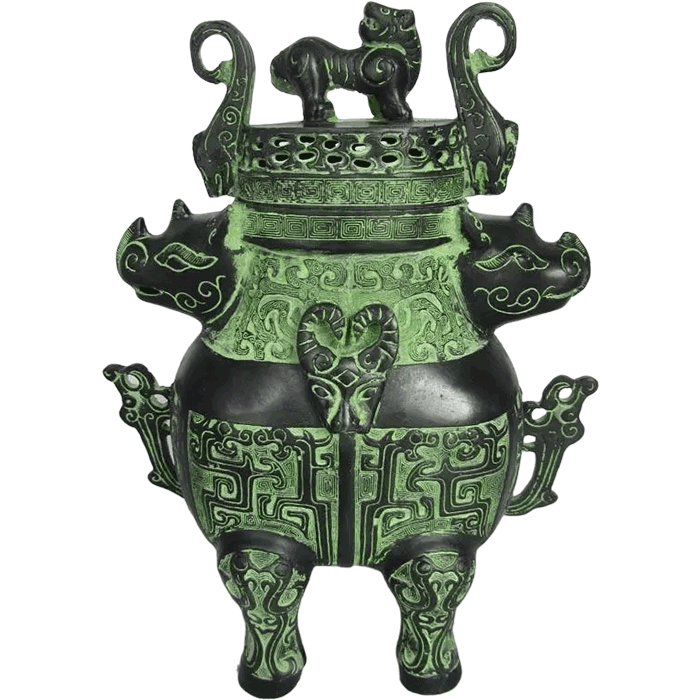
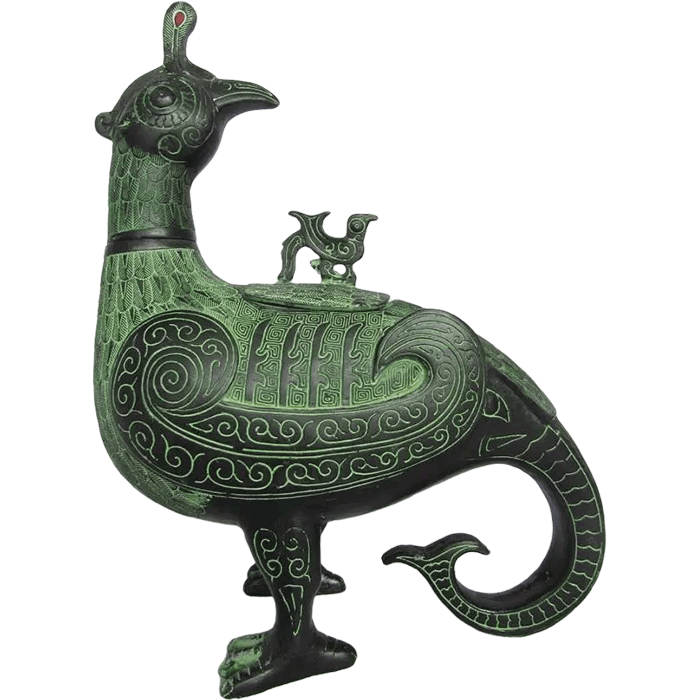
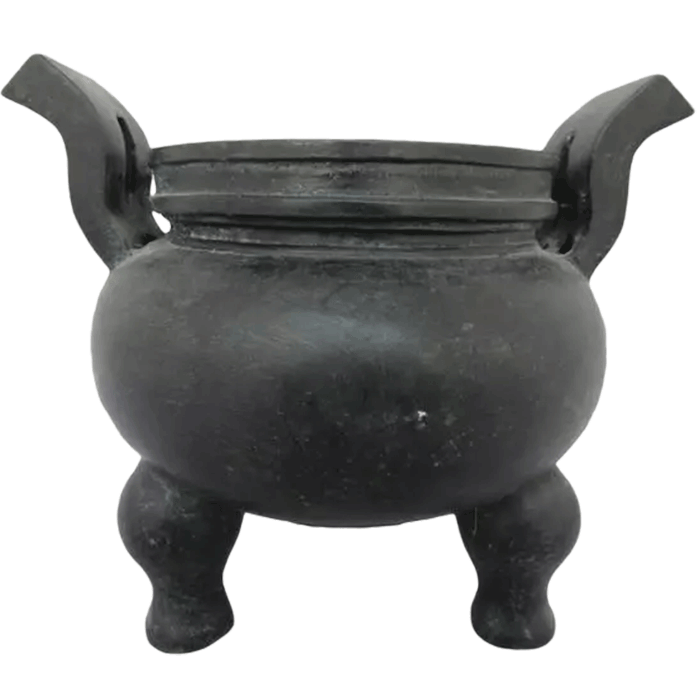
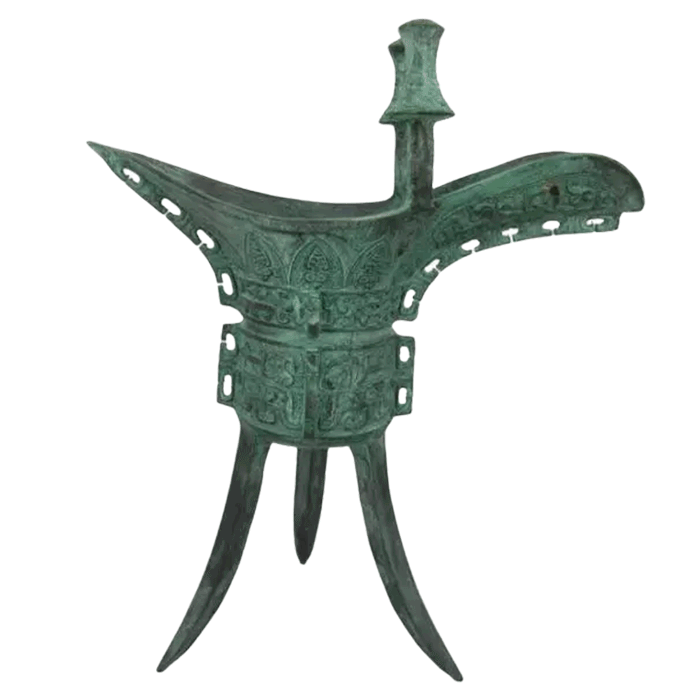
Buyers interested in historical vessel forms may find it useful to study traditional bronze wares for design vocabulary such as tripods, ritual vessels, and ceremonial forms. These references can inform a curated metalware collection without representing a modern item as an antique.
For retailers expanding into sculpture, ceremonial gifts, or cultural décor, Luoyang Yichuan Bronze Craft Co., Ltd. offers bronze sculptures, Buddhist statues, incense burners, mirrors, vessels, and custom bronze artworks. The company uses Cu-Sn bronze alloy, traditional lost-wax casting, hand chasing, polishing, and antique or modern patina finishing. With ISO 9001 quality management system certification, a 3,000-square-meter production area, and more than 30 skilled craftsmen, it supports projects from single custom prototypes to bulk production runs for bronze art products.
Use a Structured Request for Quotation
A detailed request for quotation helps suppliers provide comparable answers and reduces revision time. Include reference images, technical drawings where available, target dimensions, capacity, material requirement, finish, decoration, estimated quantity, packaging expectations, destination country, and desired delivery window.
Ask suppliers to identify assumptions in their quotation. For example, they should state whether the quoted price includes a standard finish, logo application, gift box, export carton, inspection, or only the bare product. If the supplier cannot confirm key details, request clarification before using the quote in internal purchasing decisions.
When you are ready to proceed, approve a final “golden sample” and retain photographs, measurements, and written specifications. This reference becomes the basis for production inspection and helps protect both buyer and supplier if quality questions arise later.
Sourcing a Handmade Silver Teapot for resale requires careful attention to materials, workmanship, safety documentation, commercial terms, and packaging. By qualifying suppliers systematically and approving samples against written standards, giftware importers and specialty tea retailers can build a more dependable premium tea ware range with clearer product claims and stronger long-term purchasing control.