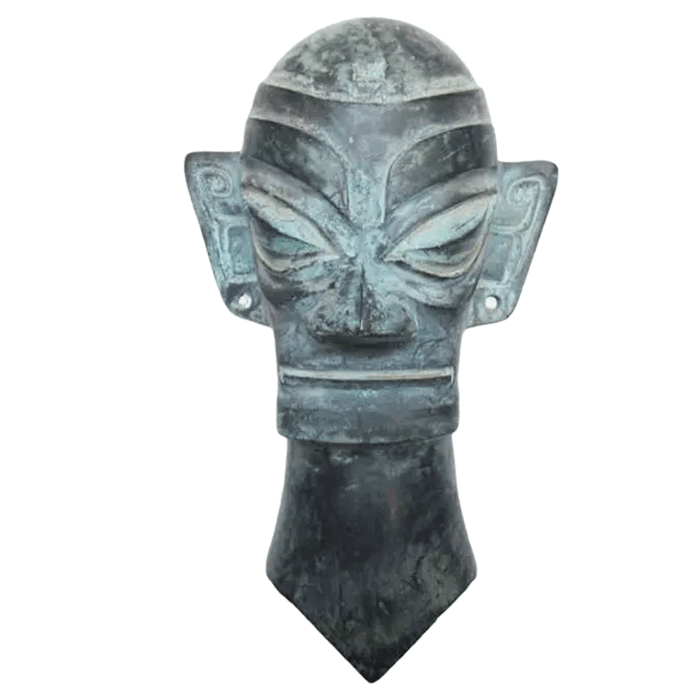
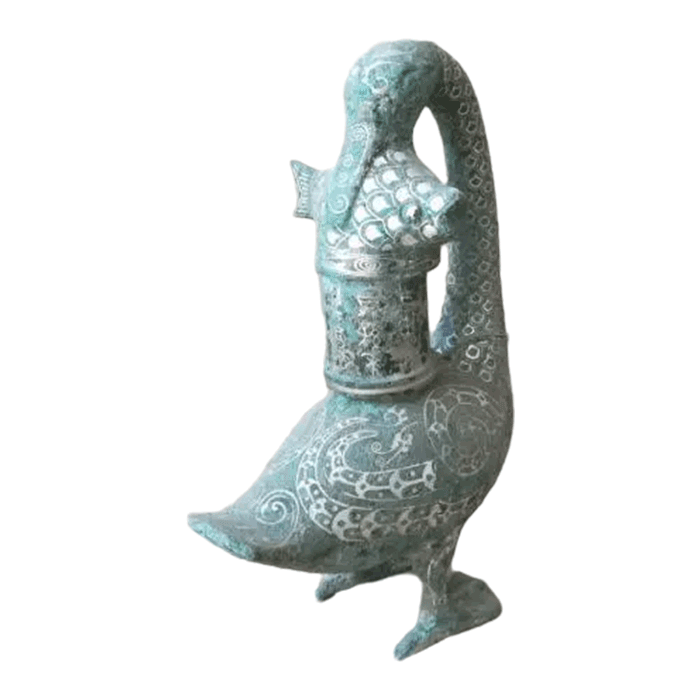
Handmade Silver Teapot Purity, Care and MOQ FAQs
Handmade Silver Teapot Purity, Care and MOQ FAQs for Wholesale Buyers
For a first-time wholesale buyer, sourcing a Handmade Silver Teapot involves more than selecting an attractive shape. You need to understand silver purity, construction methods, safe care requirements, customization limits, packaging expectations, and the minimum order quantity that a supplier can realistically support. Asking these questions before requesting a quotation helps reduce avoidable misunderstandings about material grade, weight, surface finish, lead time, and order scope.
Luoyang Yichuan Bronze Craft Co., Ltd. is based in Yichuan County, Luoyang, Henan Province, with a 3,000-square-meter production area and more than 30 skilled craftsmen, including casting masters and finishing artisans. The company’s stated core production scope includes bronze sculptures, bronze vessels, bronze mirrors, bronze incense burners, bronze Buddhist statues, and custom bronze artworks. Buyers seeking silver products should clearly confirm the requested material, available craftsmanship, product specifications, and supply scope before placing an order. This practical FAQ framework is designed to help purchasers prepare a complete inquiry.
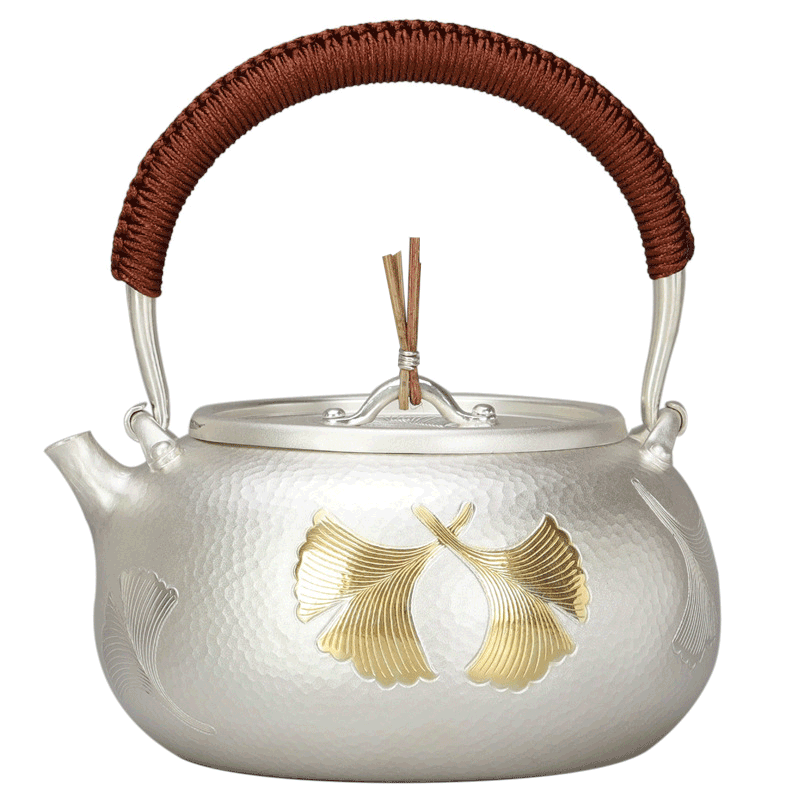
Why Purity Matters When Buying a Handmade Silver Teapot
“Silver” can describe different material compositions, so it should never be treated as a complete specification by itself. A buyer should ask for the declared purity or fineness of the metal, such as whether the teapot is made from sterling silver, fine silver, silver-plated material, or another alloy. Each option can differ in appearance, working properties, cost, weight, durability, and care requirements.
Fine silver is commonly associated with a high silver content and a softer character. Sterling silver is generally an alloyed silver material that can provide greater strength for functional objects, although buyers should request the exact alloy declaration rather than relying only on a product name. Silver-plated products have a base material covered with a silver layer, which is materially different from solid silver construction. If plating is involved, request clear information about the base metal and the plating specification.
For procurement purposes, purity confirmation should be documented in the product specification sheet, purchase order, or approved sample record. This ensures that the quoted material matches the buyer’s commercial expectation. It is especially important when products will be resold through premium gift, tea ware, hospitality, cultural retail, or collector-oriented channels.
Key purity questions to include in your inquiry
- What is the declared silver purity or alloy composition?
- Is the item solid silver, silver plated, or made from another metal with a silver-colored finish?
- Is the purity mark stamped on the product, and where will it be located?
- What is the estimated finished weight per piece?
- Can the supplier provide a material specification for approval before production?
- Will decorative handles, knobs, feet, or inserts use the same material as the main body?
- Are there soldered sections, liners, coatings, or non-silver components that should be disclosed?
A detailed material request protects both parties. It gives the supplier a precise basis for pricing and helps the buyer compare quotations fairly. Comparing only a photograph and a unit price is not sufficient when product value depends heavily on metal composition and finished weight.
What Craftsmanship Details Should Wholesale Buyers Review?
Handmade metalware can vary greatly in form and finish, even when two teapots appear similar in photographs. Before approving a Handmade Silver Teapot, ask how the body is formed, how the lid is fitted, how the spout is joined, and whether surface decoration is applied by hand, mechanically, or through a mixed process. These questions are relevant because teapots combine visual requirements with practical details such as balance, grip, lid seating, and pouring control.
Request views from multiple angles, including the interior, base, spout connection, handle attachment, lid underside, and any decorative relief. If the item includes engraving, repoussé-style ornament, chasing, hammer marks, or a matte finish, define the expected appearance in writing. Handmade work naturally includes subtle variations, but the acceptable degree of variation should be agreed before bulk production begins.
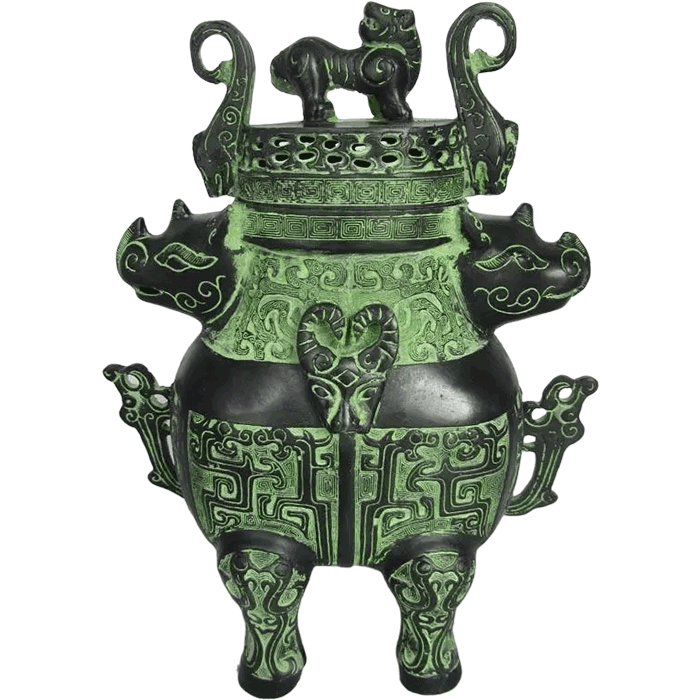
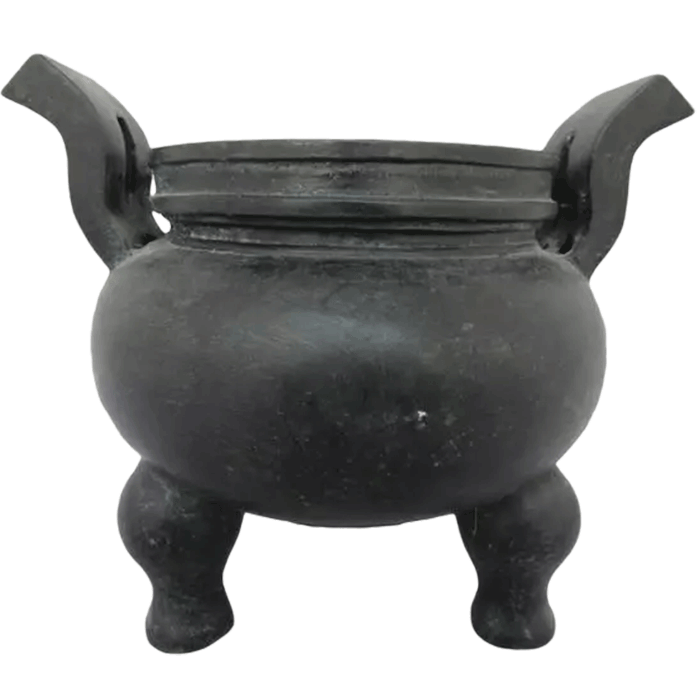
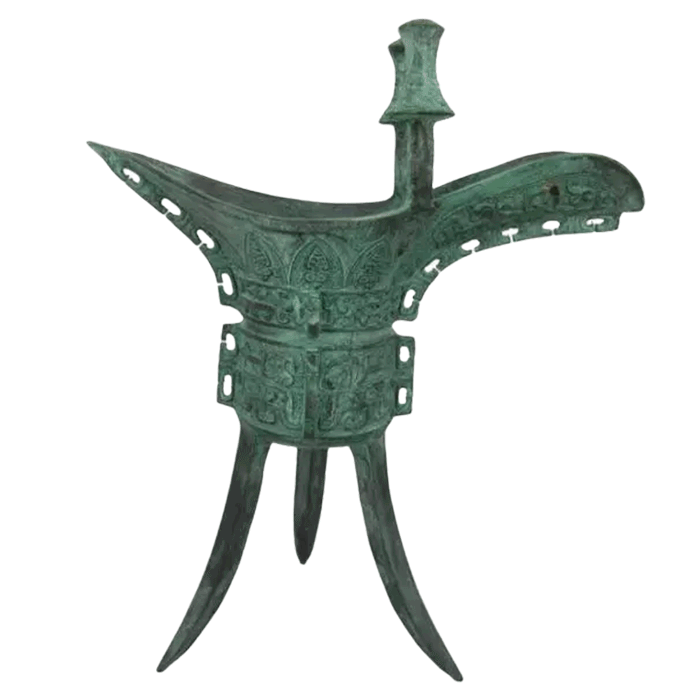
Buyers who sell cultural or traditional metalware may also wish to develop designs that reference historic vessel forms. Bronze vessels, including ding, zun, and hu forms, are important examples of how silhouette, handles, legs, and decorative bands can convey a particular cultural character. For design research, buyers may review several bronze ware forms when preparing a concept brief. Historical inspiration should still be translated carefully into a teapot format with appropriate functional proportions.
Request an approved sample or reference standard
For new designs, an approved sample is one of the clearest quality-control tools available. The sample should be evaluated for overall dimensions, silver specification, weight range, decorative layout, lid fit, finish consistency, branding position, and packaging method. If a physical sample is not practical at the quotation stage, buyers should at least provide marked drawings, accurate dimensions, reference photographs, and written acceptance points.
For repeat orders, retain the approved sample or a complete approval record as the reference standard. This is particularly useful when matching a satin finish, polished surface, antique effect, or engraved pattern across later production batches.
How Should a Silver Teapot Be Cleaned and Maintained?
Silver requires regular but careful maintenance. The appropriate cleaning method depends on the metal composition, surface treatment, decorative details, and whether the teapot is intended for functional use or display. Buyers should provide their customers with clear care guidance rather than assuming all silver objects can be cleaned in the same way.
For routine care, a soft, clean cloth is generally the safest starting point for removing dust and fingerprints. Avoid aggressive abrasives, rough scouring pads, or harsh household cleaners that may scratch a polished surface, alter a deliberately aged finish, or damage detailed decoration. If a product has a protected coating, specialized patina, plated layer, or mixed-material construction, its care instructions may differ. Confirm those instructions with the supplier before printing retail materials.
Silver can tarnish over time because of environmental exposure. Tarnish does not automatically indicate poor quality; it is a normal surface reaction associated with silver. However, its appearance and rate can be influenced by storage conditions. Teapots should be stored dry and protected from excessive humidity, chemicals, perfumes, rubber, and abrasive contact with other objects. Separate soft wrapping can help limit surface scratching during storage and transport.
Care guidance to give retail customers
- Handle the teapot with clean, dry hands whenever possible.
- Use a soft cloth for routine wiping and dust removal.
- Do not use abrasive tools or harsh chemical cleaners unless the supplier has specifically approved them.
- Dry the item thoroughly after any cleaning process.
- Store the teapot in a dry, protected location away from corrosive materials.
- Keep highly polished pieces separated from hard objects that could cause scratches.
- Request supplier guidance before cleaning antique-style, darkened, plated, engraved, or coated surfaces.
Functional tea service requires an additional confirmation: ask whether the item is designed and supplied for food-contact use, and request the applicable material and care documentation required for your destination market. Do not assume that a decorative vessel is automatically suitable for hot beverages simply because it has a teapot shape.
MOQ FAQs for First-Time Wholesale Orders
MOQ means minimum order quantity, but it should not be understood as only a single number. The MOQ for a Handmade Silver Teapot can depend on design complexity, material procurement, size, surface decoration, whether a custom mold or prototype is needed, packaging requirements, and the level of personalization requested. A plain existing-style design may have different order conditions from a completely new premium gift item with custom engraving and presentation packaging.
For the bronze custom artwork services described by Luoyang Yichuan Bronze Craft Co., Ltd., the MOQ can start from one piece for custom sculptures, while bulk quantities are negotiable according to size and design complexity. Buyers should not automatically apply this stated bronze-sculpture arrangement to silver teapot sourcing. Instead, they should ask for a product-specific MOQ after confirming whether the requested material and design are within the supplier’s available scope.
A useful inquiry separates the order into stages. First, ask about the prototype or sample quantity. Second, ask about the MOQ for the first production run. Third, ask about the MOQ for repeat orders once tooling, drawings, and finish standards have been approved. This approach is clearer than asking only, “What is your MOQ?”
Questions that help clarify MOQ and pricing
- Is the MOQ different for a sample, a first production order, and a repeat order?
- Does the quoted MOQ apply to one design, one finish, or a mixed assortment?
- Are custom logos, engraved names, or exclusive patterns subject to a separate minimum quantity?
- Does a new design require development charges, tooling charges, or sample charges?
- Can different teapot sizes be combined within one order quantity?
- What information must be approved before the supplier can confirm final pricing?
- How will changes in metal price, final weight, or decoration affect the quotation?
Buyers should also clarify whether quoted prices are based on a target weight range. Handcrafted metal objects may have small weight differences between pieces, so a reasonable tolerance should be agreed in advance. If pricing depends on actual finished weight, document the calculation method and the weighing point used for invoicing.
Packaging, Inspection, and Shipping Questions
Tea ware and decorative metal goods can be vulnerable to dents, scratches, lid damage, and deformation during transport. Packaging should therefore be discussed at the beginning of the purchasing process, not after production is complete. Ask whether each teapot will receive individual protective wrapping, internal support for moving parts, a protective pouch, a gift box, export carton packing, and outer-carton markings suitable for your shipping method.
Luoyang Yichuan Bronze Craft Co., Ltd. states that its bronze artworks receive quality inspection before shipment and that export-compliant protective packaging is available for fragile sculptures. These capabilities are relevant benchmarks for the questions a buyer should ask about other delicate metal objects, but silver teapot packaging specifications should be confirmed separately for the actual product, destination, and order arrangement.
Before shipment, request an inspection checklist covering material declaration, quantity, dimensions, surface condition, lid fit, handle and spout stability, visible scratches, engraving accuracy, logo placement, and packaging integrity. Where feasible, ask for final packing photographs or an inspection report before balance payment and dispatch.
| Purchase Area | What to Confirm | Why It Matters |
|---|---|---|
| Material | Purity, alloy, plating status, product weight | Prevents confusion about value and composition |
| Design | Dimensions, shape, decoration, finish, branding | Creates a measurable approval standard |
| Function | Decorative or food-contact intended use | Supports suitable product claims and care guidance |
| MOQ | Sample quantity, production quantity, repeat quantity | Improves budgeting and rollout planning |
| Packaging | Individual protection, gift box, carton configuration | Reduces shipping damage risk |
| Inspection | Acceptance criteria and pre-shipment confirmation | Helps identify issues before dispatch |
Can Buyers Request Custom Designs and Brand Details?
Yes, but the request must be specific. A custom Handmade Silver Teapot inquiry should include a clear design brief, dimensional drawing, desired capacity if applicable, target weight, purity requirement, surface finish, decorative method, logo location, packaging preference, and expected order quantity. The more complete the brief, the more meaningful the supplier’s evaluation and quotation can be.
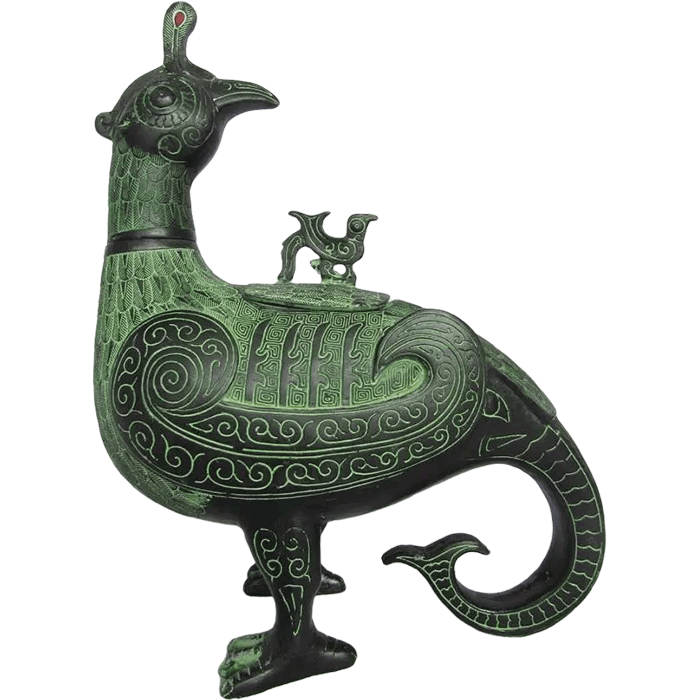
When developing a design based on a sculpture, animal, or human figure, consider usability as well as visual impact. A large sculptural finial may affect lid balance, while an elaborate handle can influence comfort and stability. Buyers interested in ornamental themes can examine examples of animal bronze statue designs for concept direction, then adapt the desired motif to a suitable tea ware application.
For buyers considering broader custom metal art projects, the company also offers the option to customize bronze artworks. Its established bronze process uses premium Cu-Sn alloy, traditional lost-wax casting, hand chasing, polishing, and patina finishing. These stated bronze capabilities should not be presented as confirmation of silver production; material-specific feasibility, process, and finishing options should always be verified for the requested teapot project.
What Should Be Included in Your First Supplier Message?
A complete first message can save several rounds of clarification. Start by identifying your business type, destination market, intended sales channel, and whether the teapot will be decorative, gift-oriented, or intended for beverage service. Then provide the product information needed to assess feasibility.
- Product photographs, sketches, or a dimensioned drawing
- Requested silver purity or material specification
- Target size, capacity, and weight range
- Required finish, such as polished, matte, textured, engraved, or antique-style
- Expected order quantity for sample, first order, and repeat orders
- Branding, logo, engraving, and packaging requirements
- Destination country and preferred shipping arrangement
- Required certifications, inspection documents, or market-specific compliance information
- Target delivery period and any fixed launch date
It can also be useful to understand the manufacturer’s broader artistic background. The about Sculpmart profile provides context on the company’s bronze art focus. This helps buyers decide whether their inquiry should concern a bronze-based custom art project, a historical vessel reproduction concept, or a separate silver product request requiring material-specific confirmation.
In summary, a successful wholesale purchase begins with accurate specifications rather than assumptions. Confirm purity, construction, care instructions, functionality, MOQ, inspection points, and packaging before making a commitment. A well-prepared buyer gives the supplier the information needed to evaluate the request properly, issue a more relevant quotation, and establish realistic quality expectations for every Handmade Silver Teapot order.