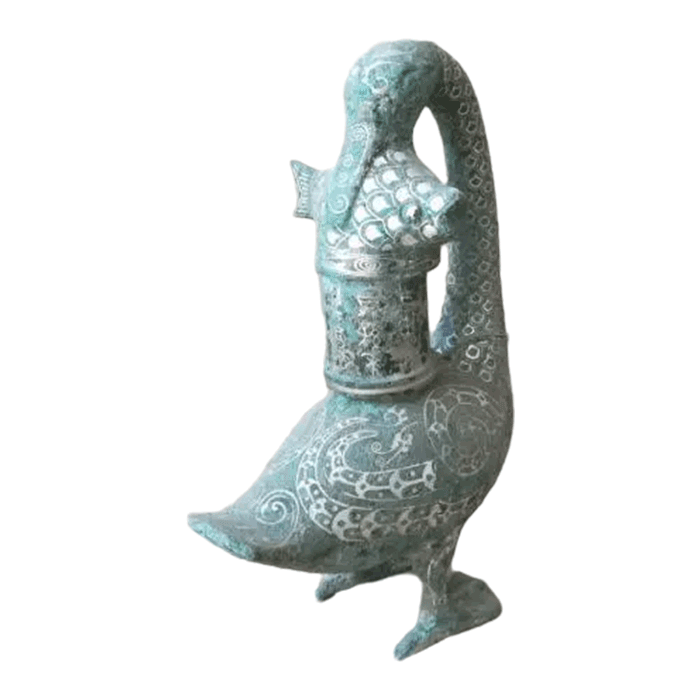
Handmade Silver Teapot Import Margin Guide
Calculate Margins on Handmade Silver Teapot Imports Before You Buy
Importing artisanal tea ware can create an attractive premium product category, but buyers should calculate profitability before approving samples, confirming quantities, or arranging international freight. A Handmade Silver Teapot may command a higher retail price than mass-produced alternatives, yet its margin depends on more than the supplier’s quoted unit price. Precious-metal content, workmanship, packaging, freight, import duties, payment fees, breakage allowance, local fulfillment, and sales-channel commissions all affect the final result.
For distributors, specialty tea retailers, home décor stores, museum shops, hospitality buyers, and online brands, the objective is not simply to find the lowest factory quotation. The objective is to establish a repeatable landed-cost model that supports a sustainable gross margin after all direct purchasing and selling expenses are included.
This guide explains how to build that model, evaluate supplier quotations, set target selling prices, and identify the areas where import margins often erode. It also helps buyers distinguish between a product that looks profitable in a supplier spreadsheet and one that remains commercially viable after reaching the final customer.

Start With the Correct Product Specification
Margin calculations are only as reliable as the product specification behind them. Before requesting a price, define exactly what you are importing. Silver tea ware can vary substantially in cost because the metal weight, purity, wall thickness, decorative method, handle construction, lid fit, and internal finish may all change the quotation.
A purchasing specification should document the following points:
- Target material and declared silver purity.
- Approximate net silver weight per item.
- Teapot capacity in milliliters or ounces.
- Overall dimensions, including handle and spout projection.
- Surface finish, such as polished, matte, hammered, engraved, oxidized, or plated.
- Required decorative details, patterns, inscriptions, or branding.
- Lid fit, handle strength, spout alignment, and pouring performance requirements.
- Individual presentation packaging and export-carton requirements.
- Order quantity, reorder expectations, and acceptable production tolerance.
Do not compare quotations that are based on different specifications. A lower price may reflect reduced metal content, a lighter gauge, simplified decoration, lower-grade packaging, or an excluded finishing process. Ask suppliers to identify what is included in the quoted price and what may change if the silver market moves before production begins.
For buyers building an artisanal tableware assortment, it can also be useful to compare visual categories across related craft products. The handmade silver collection can help buyers consider how handcrafted metal pieces may be positioned within a broader giftware or décor presentation.
Build the Landed Cost for Each Handmade Silver Teapot
Landed cost is the total cost of getting one sellable unit from the supplier to your warehouse, fulfillment center, store, or local distribution point. It should not be confused with the factory price. A reliable margin decision requires the complete cost per unit.
A practical landed-cost formula is:
Landed Cost Per Unit = Ex-Works or FOB Product Price + Export Packaging + Freight Allocation + Insurance + Duties + Customs Clearance + Inland Delivery + Payment Fees + Inspection Cost + Allowance for Damage or Loss
Each component must be allocated per sellable unit. For example, if a shipment includes 100 teapots and total freight is USD 1,200, the freight allocation is USD 12 per unit before considering any packing materials or additional products in the same shipment.
1. Product Price and Precious-Metal Exposure
The factory quotation is normally the starting point. However, a silver product price may be sensitive to raw-material movements. Buyers should ask whether the quote is fixed for a stated validity period, based on a metal-price reference date, or subject to adjustment at the time of deposit or final payment.
For planning purposes, record the quoted price separately from any possible metal surcharge. This prevents a buyer from treating a provisional quotation as a guaranteed final cost. If the project requires a long development period, include a contingency percentage or a defined metal-price buffer in the financial model.
2. Packaging and Export Protection
Premium tea ware requires packaging that protects both the product and the sales presentation. Individual gift boxes, foam inserts, protective wraps, moisture barriers, outer cartons, dividers, and palletization can all add cost. These expenses may appear modest per unit, but insufficient protection can create higher replacement, return, and reputation costs later.
When comparing suppliers, request details about internal protection, carton dimensions, units per carton, gross weight, and carton strength. Dimensional weight can influence airfreight charges, while inadequate carton construction can increase breakage or deformation risk during handling.
3. Freight, Insurance, and Import Charges
Freight should be calculated from the intended Incoterm and transport mode. Airfreight may support faster replenishment but can materially increase the landed cost of a heavy or densely packed metal product. Ocean freight may lower unit freight cost for larger orders, though port handling, lead times, and destination charges must be included.
Insurance, customs duty, import taxes, customs broker fees, port charges, and local delivery costs should be verified for the destination market. Classification and duty treatment vary by country, product composition, and declared use. Use the correct customs classification with advice from a qualified customs broker or trade professional rather than relying on assumptions from an unrelated product category.
Calculate Gross Margin and Contribution Margin Separately
Many buyers use the word “margin” when they mean either gross margin or markup. These are different calculations, and confusing them can lead to underpriced products.
Gross Margin Percentage = (Selling Price - Landed Cost) / Selling Price × 100
Markup Percentage = (Selling Price - Landed Cost) / Landed Cost × 100
For example, assume the landed cost is USD 180 per unit and the intended selling price is USD 360.
- Gross profit per unit: USD 180.
- Gross margin: 50%.
- Markup: 100%.
These figures sound similar, but they communicate different information. Retailers, distributors, and marketplace operators often establish targets using gross margin because it shows the portion of sales revenue remaining after direct product acquisition costs.
Contribution margin goes further. It accounts for selling costs that vary by order or unit, such as marketplace commissions, payment processing charges, pick-and-pack fees, promotional discounts, customer shipping subsidies, returns, and customer-service labor.
Contribution Margin Per Unit = Net Sales Revenue - Landed Cost - Variable Selling Costs
Net sales revenue should reflect discounts and returns. If the listed price is USD 400 but the average promotional discount is 10%, the calculation should begin with USD 360 in net revenue, not USD 400.
Use a Margin Worksheet Before Confirming the Order
A spreadsheet allows buyers to test different order quantities, logistics methods, sales channels, and price points. The table below uses hypothetical figures only. It is not a quotation, price indication, or guarantee of achievable margins.
| Cost or Revenue Item | Example Per Unit | Calculation Note |
|---|---|---|
| Factory product price | USD 135.00 | Quoted product cost before destination expenses |
| Export packaging | USD 8.00 | Individual and master-carton protection |
| Freight and insurance | USD 16.00 | Shipment cost allocated per unit |
| Duty and customs costs | USD 12.00 | Destination-specific estimate |
| Inland delivery and handling | USD 7.00 | Transport to warehouse or fulfillment site |
| Payment and inspection allocation | USD 5.00 | Transaction and quality-control allocation |
| Damage or loss allowance | USD 4.00 | Planned risk reserve |
| Total landed cost | USD 187.00 | Total direct import cost per sellable unit |
| Target net selling price | USD 399.00 | After average discounts where applicable |
| Gross profit | USD 212.00 | USD 399.00 minus USD 187.00 |
| Gross margin | 53.1% | USD 212.00 divided by USD 399.00 |
Next, test the same model under less favorable conditions. Increase freight by 20%, reduce the selling price by 10%, add a marketplace fee, or include a higher return allowance. If the margin disappears after realistic adjustments, the order may need a higher selling price, improved product cost, larger shipment efficiency, or a different route to market.
Factor in the Sales Channel Before Setting a Retail Price
The most appropriate price and margin structure depend on how the product will be sold. A direct-to-consumer website, a retail store, a wholesale distributor, and a third-party marketplace have different cost structures.
Direct-to-Consumer Sales
Direct sales can retain more of the final retail price, but the buyer must fund digital advertising, content creation, customer support, warehousing, shipping, returns, and payment processing. A premium item may also require detailed product photography, care guidance, metal documentation, and secure delivery options.
Wholesale Distribution
Wholesale buyers generally sell to retailers at a lower price than direct retail, so the importer must ensure that both the importer and retail partner have workable margins. A common mistake is setting a consumer-facing price first and then offering wholesale terms without checking whether the remaining revenue covers the import cost.
Build a channel model that includes:
- Your wholesale selling price.
- Your landed cost and variable selling expenses.
- The retailer’s expected resale price.
- The retailer’s desired margin.
- Promotional or seasonal discount requirements.
- Potential credit terms and financing costs.
Online Marketplaces
Marketplace sales can add visibility but typically involve commissions, payment charges, fulfillment charges, storage fees, and possible advertising spend. Review the platform’s fee schedule before assuming that a high list price translates into a high margin. A product with a 55% gross margin before marketplace costs may deliver a far lower contribution margin after fulfillment and advertising.
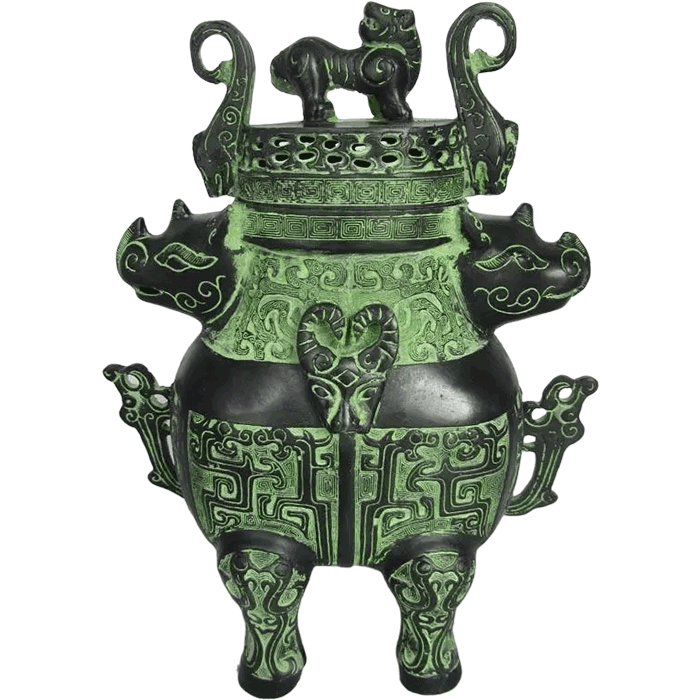
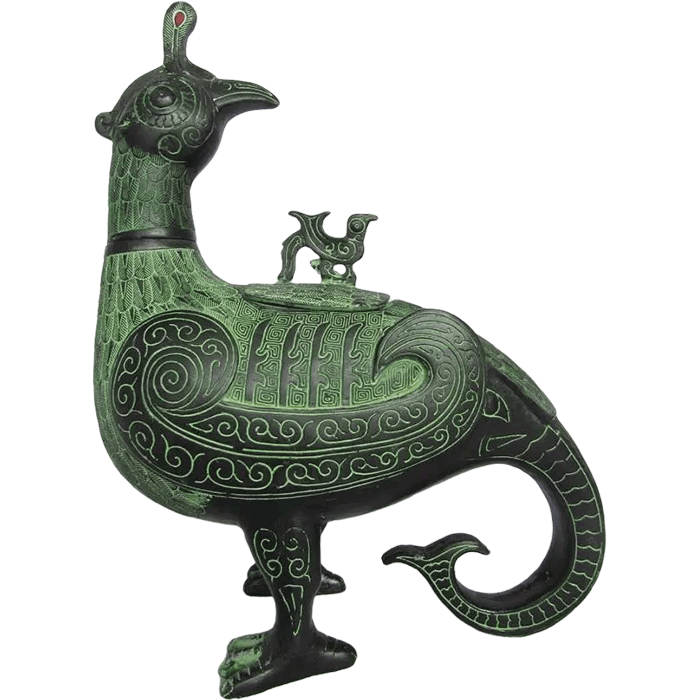
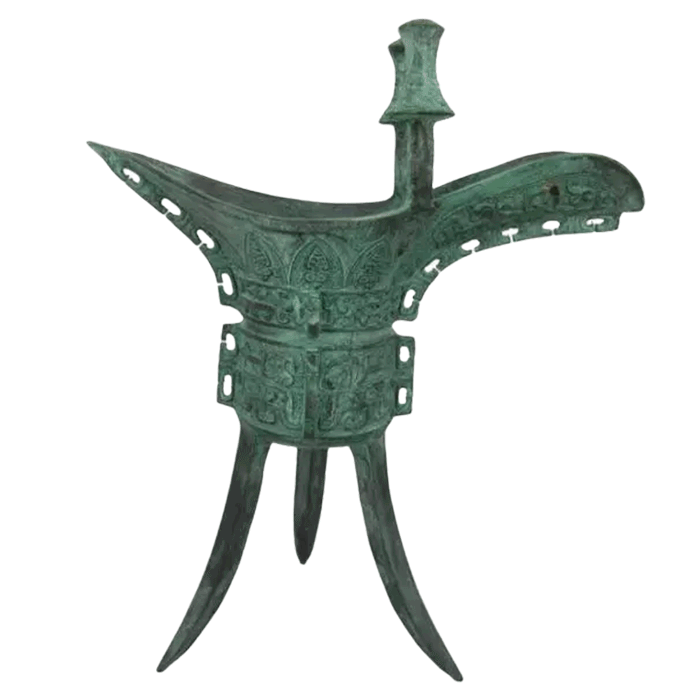
For product lines that combine tea ware, ornaments, and heritage-inspired pieces, content can help support premium positioning. Educational material such as bronze culture evolution may also provide useful context for buyers creating curated metal-art collections, provided product descriptions accurately identify each item’s actual material and craftsmanship.
Plan for Quality Control, Returns, and Customer Expectations
Artisanal products should be assessed with a quality standard that distinguishes intentional handmade variation from unacceptable defects. A buyer should define approval criteria before production, particularly when the product includes engraving, hand-hammered texture, fitted lids, delicate handles, or a polished surface that can reveal small marks.
Typical inspection points may include:
- Verification of ordered material and declared specifications.
- Weight range and dimensional tolerance.
- Lid alignment and opening performance.
- Spout flow and handle attachment security.
- Surface consistency, polish quality, and decorative accuracy.
- Absence of sharp edges, severe dents, cracks, or loose components.
- Correct logos, labels, gift boxes, and export carton markings.
- Packaging performance appropriate for international transport.
Quality control is a margin-protection tool, not merely an administrative step. If a product arrives damaged, is rejected by a retailer, or generates customer returns, the original freight and duty may not be recoverable. Include a realistic allowance for losses and replacement handling in the unit economics.
Buyers sourcing related metal décor or collectible items may also benefit from reviewing the differences among metal categories. The guide on bronze and brass differences is relevant when planning mixed-material collections and communicating material distinctions accurately to customers.

Negotiate Cost Drivers Instead of Focusing Only on Unit Price
Negotiation should examine the full cost structure. Lowering the factory price can help, but it is not always the most effective way to improve margin. For example, a redesigned gift box that reduces dimensional weight, a more efficient carton configuration, or a larger consolidated shipment may lower total landed cost more effectively than a small reduction in product price.
Consider discussing these commercial levers with suppliers:
- Price breaks at practical quantity levels.
- Separate pricing for samples, pilot runs, and production orders.
- Packaging alternatives with equivalent protection.
- Carton optimization for the selected freight method.
- Deposit and balance-payment terms.
- Production lead time and quotation validity.
- Clear treatment of raw-material price changes.
- Replacement policy for verified manufacturing defects.
- Availability of spare components or repair guidance where appropriate.
Buyers should avoid cutting protective packaging merely to reduce a small per-unit cost. A premium gift product must arrive in condition suitable for resale. It is better to measure whether packaging improvements reduce damage rates and customer complaints than to judge packaging only by its purchase price.
Choose Suppliers With Transparent Production and Communication
When importing handcrafted metal products, supplier evaluation should cover more than design appearance. Confirm who manages production, how specifications are approved, how changes are documented, what inspection is performed, and how packaging is controlled before shipment.
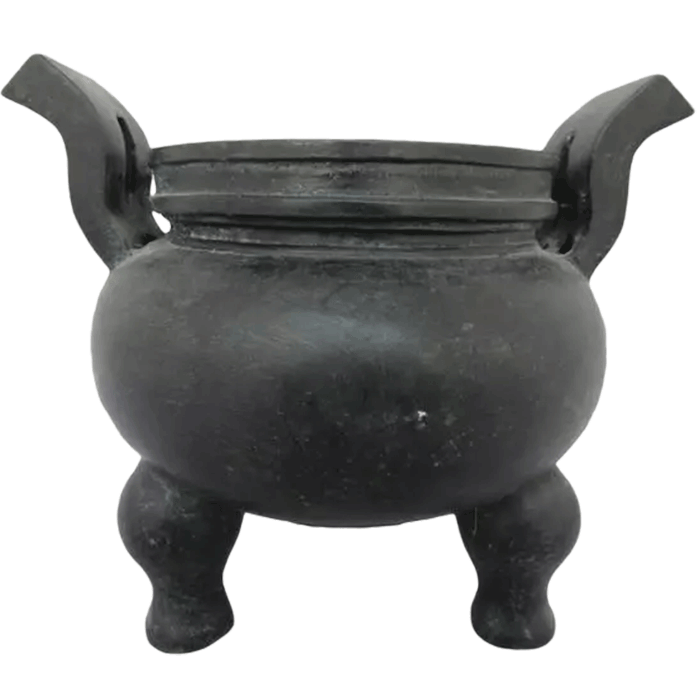
Luoyang Yichuan Bronze Craft Co., Ltd. specializes in bronze art products, including sculptures, vessels, mirrors, incense burners, Buddhist statues, and custom bronze artworks. Its bronze production uses Cu-Sn alloy, traditional lost-wax casting, hand chasing, polishing, and patina finishing. The company supports projects from single custom prototypes to bulk production runs and operates under an ISO 9001 quality management system.
Buyers seeking custom bronze pieces alongside other artisanal metalware can review how to customize bronze sculptures for a project-based sourcing process. For bronze orders, the company’s stated capabilities include inspection before shipment, export-compliant protective packaging for fragile sculptures, and replacement support for casting defects.
For silver tea ware specifically, buyers should confirm the supplier’s material certification process, metal sourcing, manufacturing capability, product safety requirements, and export experience independently before placing an order. Accurate supplier qualification is essential because a bronze specialist’s documented capabilities should not be presented as proof of silver-product capability without separate verification.
Make the Final Import Decision With Scenario Planning
Before issuing a purchase order, prepare at least three margin scenarios: expected, conservative, and adverse. The expected scenario uses current supplier and freight quotes. The conservative scenario includes moderate increases in freight, duties, exchange-rate movement, discounts, and return rates. The adverse scenario tests the result if selling prices weaken or costs rise significantly.
A commercially sound order should remain acceptable under the conservative case, not only under the best-case forecast. If profitability depends on every assumption remaining favorable, the product carries a higher financial risk than the spreadsheet initially suggests.
The final decision should consider these questions:
- Is the product specification detailed enough to prevent quotation misunderstandings?
- Is the supplier price fixed, or is there exposure to silver-price changes?
- Have all freight, insurance, duty, customs, delivery, and payment costs been allocated per unit?
- Does the planned selling price support the required gross and contribution margins?
- Can the margin withstand discounts, returns, and channel fees?
- Has packaging been designed to protect a premium, fragile, or high-value item?
- Is the order quantity appropriate for the expected sales pace and cash flow?
A Handmade Silver Teapot can be a differentiated addition to a premium tea, gifting, hospitality, or decorative product assortment when sourcing, logistics, and selling costs are calculated carefully. The strongest import decision is based on complete landed cost, realistic channel expenses, clear quality requirements, and scenario-tested pricing rather than a supplier quotation alone.