Hand-hammered Silver Tea Kettle Stovetop Safety FAQ
A hand-hammered silver tea kettle requires confirmed stovetop suitability before tea service
Artisan kettles are often selected for their surface texture, visual warmth, and connection to traditional metalworking. However, a decorative vessel and a functional boiling kettle are not automatically the same product. Before purchasing a silver kettle for tea service, buyers should confirm its intended use, heat-source compatibility, construction method, capacity, handle design, and care requirements.
This guide answers common stovetop-safety questions for collectors, hospitality buyers, tea houses, gift buyers, and project purchasers who need to validate a kettle before placing an order. The most important rule is simple: do not assume that a beautiful metal kettle is safe for direct heat. Ask for clear product-specific confirmation from the seller or maker.
Why stovetop safety must be checked before purchase
Silver is valued for its appearance and thermal conductivity, but a kettle’s safe use depends on far more than the base metal. Heat performance is influenced by wall thickness, seam construction, solder or joining materials, handle attachment, lid fit, spout geometry, and whether the vessel includes a lining. A vessel made primarily for display may not have been designed, tested, or finished for repeated boiling-water service.
Buyers should request a written answer to the following question: “Is this exact kettle designed for direct stovetop heating, and if so, which heat sources are approved?” A general statement that a kettle is handmade, decorative, antique-style, or food-related does not answer the safety question.
It is also important to distinguish among three common uses:
- Display use: The kettle is intended as decorative metalwork and should not be heated.
- Hot-water serving use: The kettle may hold hot water that was boiled elsewhere, but it is not intended to sit on a stove.
- Direct-heating use: The kettle is designed to heat water on a specified heat source under stated operating conditions.
These categories should be confirmed before purchase, especially when the product will be used in a commercial tea setting or offered as a gift with functional expectations.
Hand-hammered silver tea kettle stovetop safety FAQ
Can every silver kettle be used on a stovetop?
No. Silver construction alone does not establish direct-heat suitability. Some artisan kettles are designed for serving, ceremonial use, or display. Others may be functional only with a particular heat source, such as a low flame, an electric hot plate, or an indirect water bath. The maker or seller must identify the approved use rather than leaving the buyer to infer it from appearance.
Is direct flame safe for a silver kettle?
Direct flame should only be used when the supplier specifically approves the kettle for gas-stove use. Flame concentrates heat on a limited area of the base and can create uneven heating. This may place stress on thin sections, joints, decorative elements, or attached components. It can also discolor the exterior surface, particularly on highly polished finishes.
If gas use is approved, buyers should ask whether a flame diffuser, low heat setting, or specific burner size is required. They should also ask whether the kettle must be kept centered over the heat source and whether dry heating is prohibited. Never heat an empty kettle unless the manufacturer’s instructions explicitly permit it.
Can a silver kettle be used on an induction cooktop?
Many silver kettles will not work directly on induction equipment because induction cooktops typically require cookware with magnetic properties. A non-magnetic silver vessel may not activate the cooking surface. Do not rely on an induction adapter plate unless the kettle supplier confirms that this method is suitable. An adapter can become very hot and may expose the kettle base to heat conditions different from those intended by the maker.
Are electric coil and glass-ceramic cooktops safer?
Not necessarily. These surfaces may provide a more stable contact area than open flame, but compatibility still depends on the kettle’s base design and the supplier’s instructions. A rounded, uneven, thin, or highly decorative base may not sit securely or heat evenly. Dragging metal across a glass-ceramic surface can also create scratching concerns. Confirm whether the kettle base is flat, stable, and approved for that cooktop type.
Can an antique-style kettle be used for boiling water?
Antique-style appearance does not prove functional suitability. Decorative patina, engraved panels, applied ornaments, and historical forms can be recreated for visual purposes without being engineered for direct heating. If a kettle is presented as antique, vintage, reproduction, or collectible, ask whether it is a display piece, a serving vessel, or a tested boiling kettle.
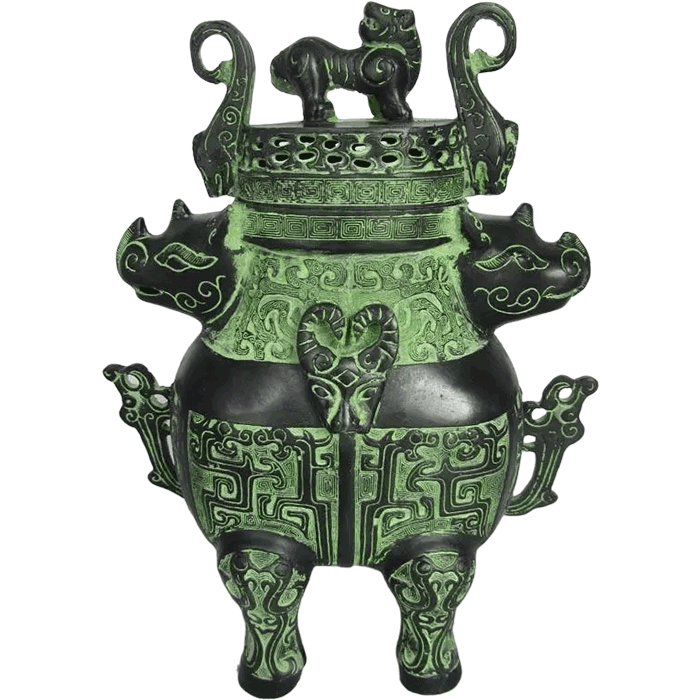
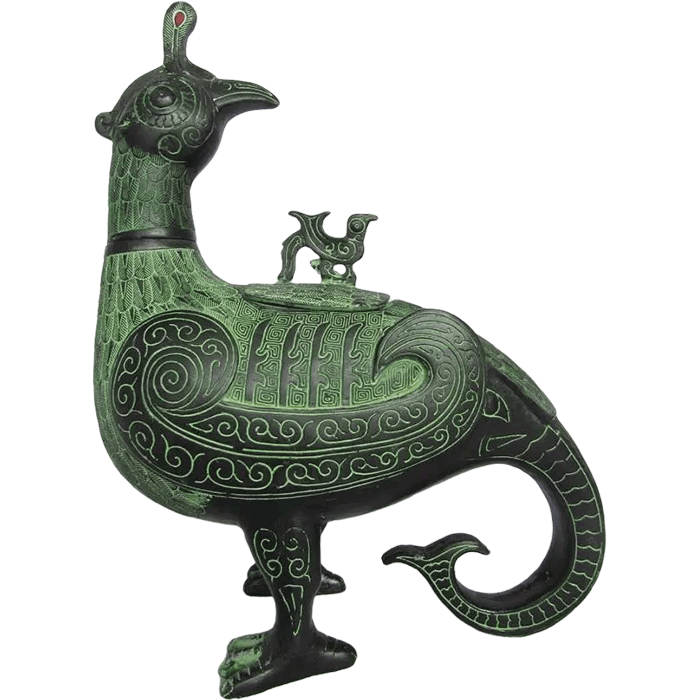
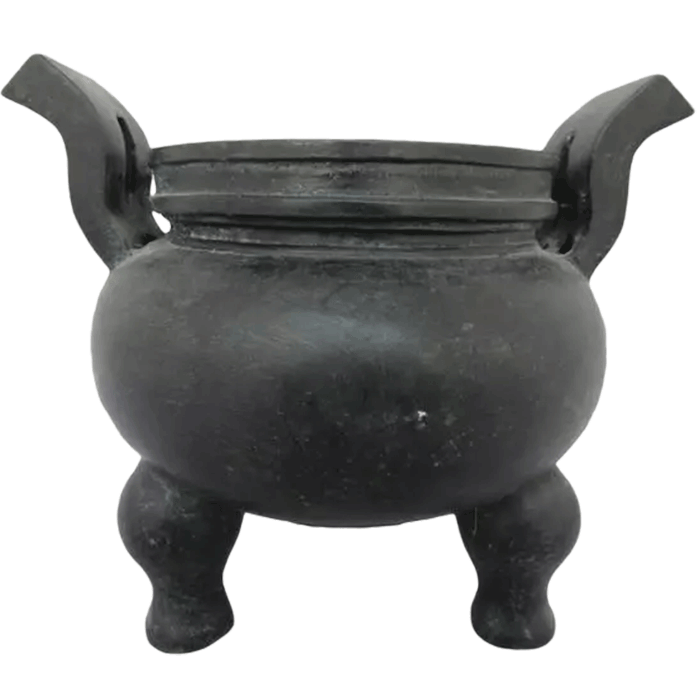
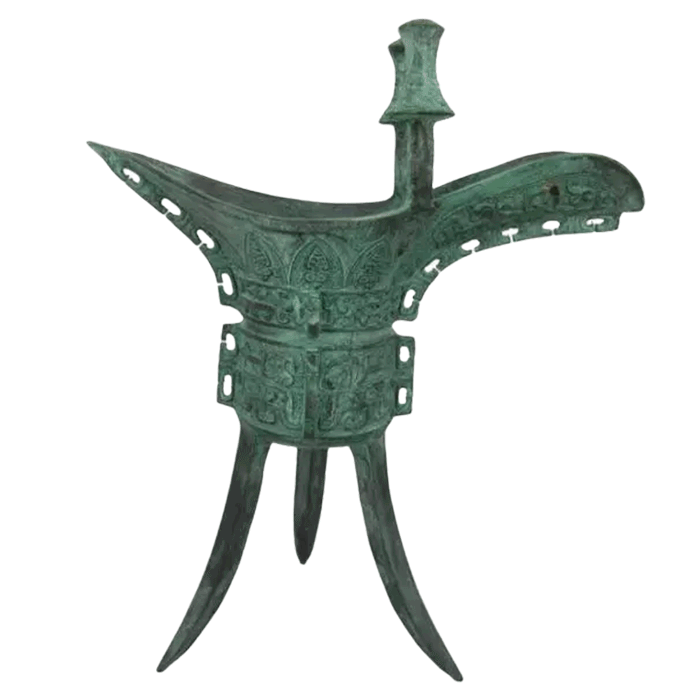
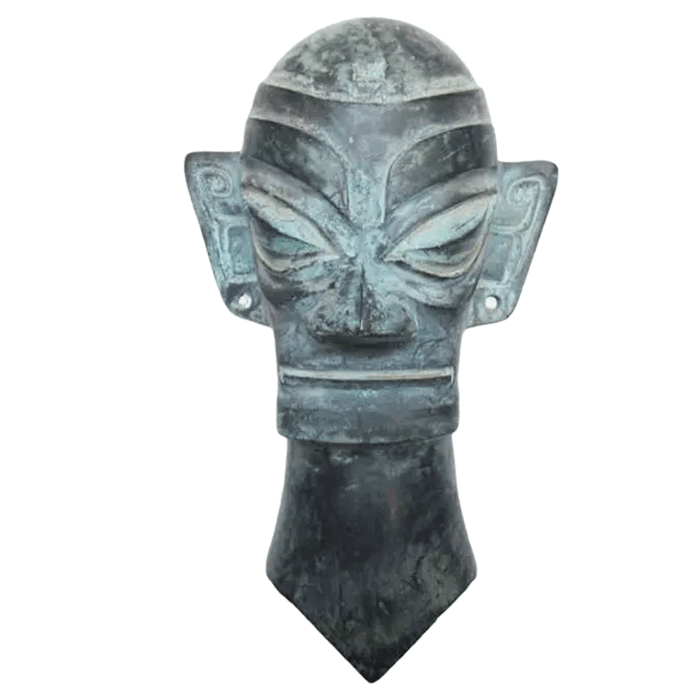
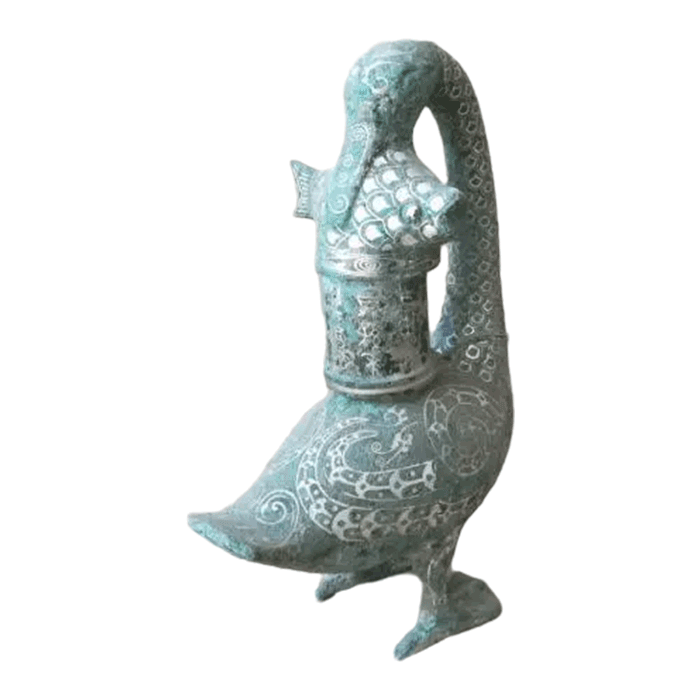
For buyers interested in historical metal forms, our reference material on ancient bronze wares can help distinguish cultural vessel design from modern functional-product requirements. Historical inspiration is valuable, but it should not replace current safety instructions.
Construction details that affect safe tea service
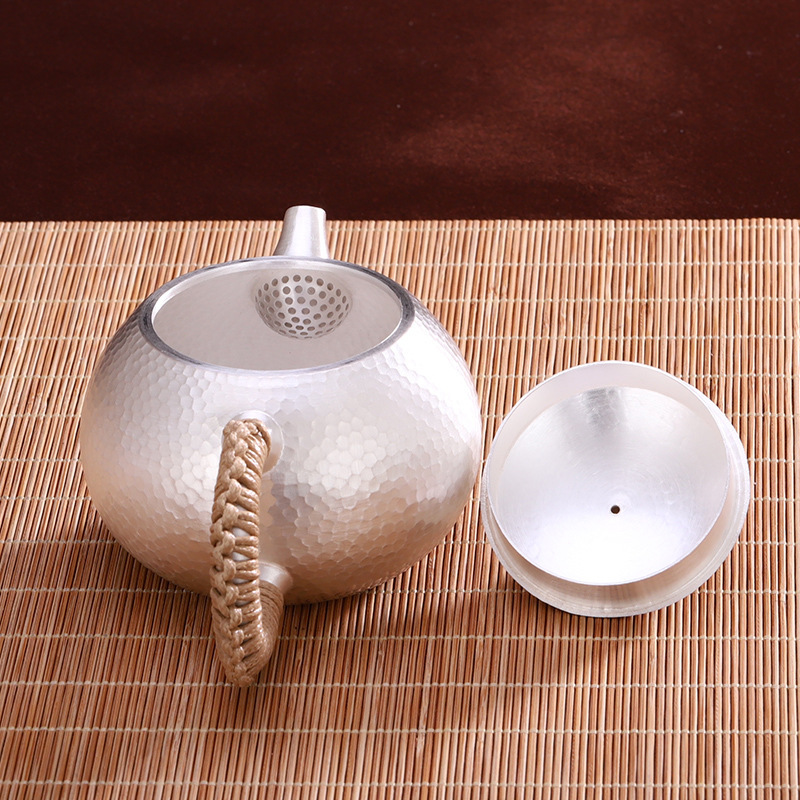
Before approving an artisan kettle, buyers should review how the vessel is assembled. Hand-hammering may create an attractive textured surface, but it is only one part of the total construction. Ask for detailed photographs of the base, spout root, lid, handle mounts, interior, and any seams or joints.
Wall thickness and base stability
A kettle should have a stable base that sits level on the intended surface. Excessive rocking is a practical safety concern because boiling water can shift suddenly during pouring. Ask the supplier to confirm the base diameter, whether the bottom is flat, and whether the vessel is intended for a particular burner size.
Wall thickness matters because very thin metal can respond quickly to heat changes. That responsiveness may be desirable in some tea traditions, but it also means that uncontrolled heating can create avoidable stress. Buyers should request the recommended water volume, maximum fill level, and heat setting rather than making assumptions based on size alone.
Spout, lid, and pour control
A functional kettle should pour in a controlled stream without excessive dripping from the spout tip. The lid should fit securely enough for normal pouring while still allowing the user to remove it safely. A loose lid can shift when the kettle is tilted, while an overly tight lid can be difficult to handle when hot.
Ask whether the kettle includes a steam vent or another method for managing pressure during heating. A sealed vessel must never be heated. The product description should clearly identify any opening, venting arrangement, or lid-use instructions required during boiling.
Handle design and heat isolation
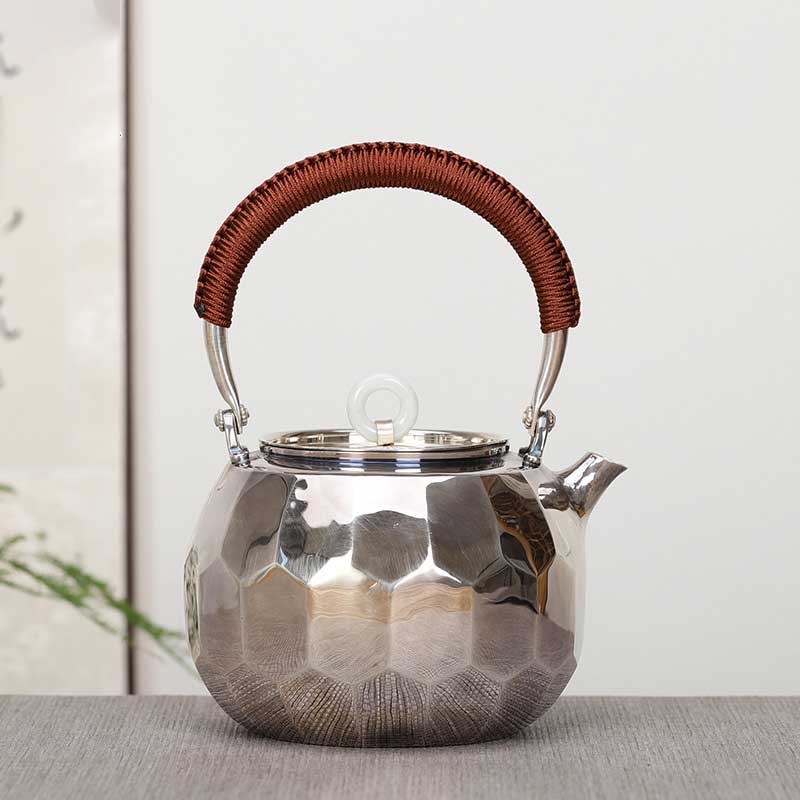
The handle requires the same attention as the body. Metal handles can become hot quickly, particularly when they are attached close to the heated vessel. Wrapped, wooden, insulated, or raised handles may reduce heat transfer, but buyers should not assume they remain cool. Request guidance on whether gloves, a cloth, or another protective method is required during use.
Check how the handle is mounted. Buyers should ask whether it is mechanically secured, joined by a metalworking method, removable, or decorative only. A kettle that feels secure when empty may behave differently when full of hot water. For commercial buyers, practical handling tests should be included in final product validation.
Questions buyers should send before approving an order
A clear pre-purchase questionnaire helps avoid misunderstanding between a buyer, sourcing team, designer, and supplier. The following questions can be adapted for quotations, samples, purchase orders, and final inspections:
- Is this model intended for display, hot-water serving, or direct boiling?
- Which heat sources are specifically approved: gas, electric coil, glass-ceramic, induction, charcoal, or another method?
- Is direct flame approved, and are there burner-size or flame-level limitations?
- What is the recommended minimum and maximum water volume?
- Must the kettle be used with a diffuser or another heat-control accessory?
- What material is used for the kettle body, interior surface, lid, spout, handle, and any joining components?
- Does the kettle have a vented lid or another safe steam-management arrangement?
- What is the recommended procedure for first use, heating, pouring, cooling, and cleaning?
- Are there finish changes, discoloration, or patina changes that may occur with heat?
- What packaging is used to protect the spout, lid, handle, and surface finish during shipment?
For custom metal-art projects, specifications should be written into the approved design record. This is particularly important where a buyer requests an antique appearance, special surface texture, or a custom handle. Luoyang Yichuan Bronze Craft Co., Ltd. supports custom art projects from a single prototype to larger production runs, and its bronze work is produced using traditional lost-wax casting with hand finishing options. Buyers seeking a related custom art process may review how to customize bronze sculpture for an overview of custom-project coordination.
Safe operating practices after a compatible kettle is confirmed
Once the maker has confirmed that a kettle is suitable for a specific heat source, safe operation still depends on following the stated limits. Use fresh water, avoid overfilling, and keep the vessel on a stable surface. Start with low or moderate heat unless product instructions state otherwise. Sudden high heat may cause unnecessary stress and can make the handle, lid, and spout dangerously hot.
Do not leave a heating kettle unattended. As water approaches boiling, observe steam release, lid position, and handle temperature. When removing the kettle from heat, use the recommended protective method. Allow the vessel to cool naturally before washing or refilling it with cold water, unless the supplier provides different instructions.
Tea service should also account for the total weight of the kettle when filled. A compact artisan vessel can become difficult to control when full, especially if the handle is narrow or the body is round. A buyer should evaluate the pouring angle, grip comfort, and lid stability during a controlled test before introducing the kettle into hospitality service.
Cleaning, storage, and finish preservation
Cleaning instructions should match the kettle’s confirmed material and finish. Avoid abrasive pads, harsh chemicals, and aggressive polishing compounds unless the supplier specifically recommends them. These products can scratch a hammered surface, remove intentional patina, or affect delicate decorative details.
After use, empty the kettle and dry it thoroughly. Do not store water inside for extended periods. Moisture left around the lid, spout, or handle joints can create staining and may complicate finish maintenance. Store the kettle in a dry environment, separated from hard objects that could dent the surface.
Some buyers prefer an aged appearance, while others require a bright modern finish. These preferences should be identified before purchase because heat, handling, cleaning frequency, and storage conditions may alter surface appearance over time. For broader material-selection context, see bronze and brass differences. Different metal alloys and finishing systems require different maintenance decisions.
Final validation for decorative and functional artisan kettles
The best purchasing decision is based on documented use conditions, not visual assumptions. Before confirming a kettle order, verify the intended application, approved heat source, capacity, handle safety, lid venting, care procedure, and packaging requirements. If the vessel is decorative only, describe it accurately in product listings and customer communications. If it is intended for tea service, provide users with the maker’s heating and maintenance instructions.
Buyers sourcing complementary artisan objects may also explore handmade silver crafts and related metalwork categories. For bronze-focused decorative projects, Luoyang Yichuan Bronze Craft Co., Ltd. offers bronze sculptures, vessels, mirrors, incense burners, Buddhist statues, and custom bronze artworks, supported by ISO 9001 quality management practices, pre-shipment inspection, and export-compliant protective packaging for fragile artworks.
A hand-hammered silver tea kettle can be a refined addition to tea service when its functional limits are clearly confirmed. Treat stove compatibility as a product specification, verify it before purchase, and use the kettle only according to the approved instructions for that exact model.