Hand-hammered Silver Tea Kettle Sourcing Guide
How to Source a Hand-hammered Silver Tea Kettle for Your Retail or Giftware Program
Sourcing an artisan silver tea kettle requires more than comparing product photographs and unit prices. Importers, specialty tea retailers, giftware buyers, and purchasing managers need to assess the supplier’s craftsmanship, material transparency, production controls, export readiness, and willingness to document each requirement before sampling begins.
A silver kettle is both a functional tea accessory and a decorative object. Buyers may evaluate it for visual appeal, hammer texture, balance, lid fit, handle comfort, pouring control, and long-term finish stability. Because handmade metalware naturally includes variations, the sourcing objective is not to eliminate every mark of handwork. Instead, it is to define which variations are acceptable and ensure the supplier can repeatedly meet that standard across the required quantity.
This guide outlines a practical vetting process for buyers before requesting quotations, samples, or production schedules. It is designed to help procurement teams establish clear specifications and reduce avoidable quality disputes.
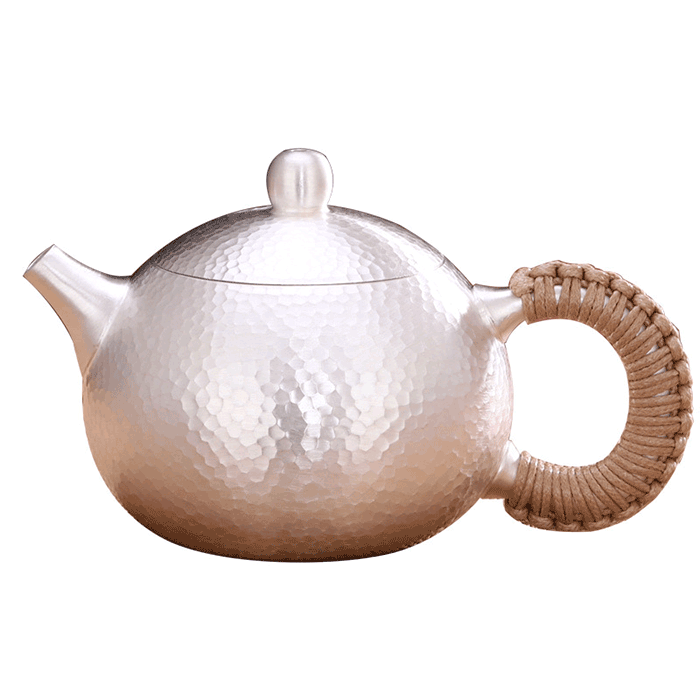
Start with a Clear Product Brief
The quality of supplier responses depends heavily on the quality of the inquiry. A vague request for a “traditional silver kettle” may result in quotations for products with different silver grades, wall thicknesses, capacities, construction methods, and finishing levels. Before contacting potential suppliers, prepare a product brief that identifies the exact commercial and technical requirements.
Your brief should state whether the kettle is intended for functional tea preparation, ceremonial use, display, gifting, or a combination of these purposes. Functional use affects decisions on material composition, inner-surface treatment, soldering, handle insulation, lid security, and applicable market requirements. Decorative use may place greater emphasis on visual finish, engraving, relief work, packaging, and presentation boxes.
Information to Include in an RFQ
- Target capacity in milliliters or liters.
- Overall dimensions, including height, body width, spout length, and handle height.
- Target empty weight and acceptable tolerance.
- Preferred silver specification, such as sterling silver, fine silver, or another clearly defined standard.
- Required evidence of metal content or assay documentation.
- Desired exterior texture, such as fine hammer marks, coarse hand-hammered texture, smooth polish, matte finish, or engraved decoration.
- Construction expectations for the body, spout, lid, knob, and handle mounts.
- Whether the interior must remain untreated, polished, lined, or finished in another specified way.
- Logo location, hallmark requirements, engraving artwork, and private-label packaging details.
- Target order quantity, target price range, and requested sample timing.
- Destination market and any import, consumer-product, labeling, or food-contact documentation expectations.
Provide reference images, but do not rely on images alone. Mark the features that are essential, preferred, or optional. For example, a buyer may consider a broad hammered surface essential but regard the exact lid-knob motif as negotiable. This distinction helps suppliers quote accurately and helps your internal team prioritize decisions during sample approval.
Verify the Material Before Comparing Prices
Silver is a high-value material, so the stated metal grade must be treated as a key sourcing variable rather than a minor product detail. Two kettles that appear similar may have substantially different prices because of differences in silver content, total weight, alloy selection, construction design, and labor intensity.
Ask each supplier to explain the declared material specification in writing. A useful response should identify the nominal silver purity, the testing or verification method used, the location of any hallmarks, and how material records are connected to the finished item. If the product is described as silver-plated rather than solid silver, the supplier should clearly identify the base metal and plating specification. Do not allow terms such as “silver finish” or “silver color” to substitute for a material declaration.
Buyers should also ask whether non-silver components are used in the lid, handle fittings, decorative accents, internal reinforcement, solder, or other structural areas. These components can affect product weight, appearance, durability, and regulatory review. If an order requires food-contact suitability, request supplier documentation relevant to the destination market and have your compliance team determine whether additional independent testing is required.
For buyers who also source decorative metalware, it is helpful to understand how material families differ. The article on the difference between bronze and brass offers useful background on alloy distinctions in artisan metal products. Silver, bronze, and brass each require their own material specification and finishing approach; one material should never be assumed to perform like another.
Questions That Reveal Material Transparency
- What exact metal grade is quoted, and what tolerance applies?
- How is the metal content verified before production and after finishing?
- Can the supplier provide a weight breakdown for the completed kettle?
- Which components are solid silver, and which are made from other materials?
- Are soldered or joined areas visible, and how are they finished?
- Can the supplier provide a sample for independent testing if required?
- How will the item be marked, labeled, or documented for the destination market?
A supplier that answers these questions precisely is generally easier to manage during sampling and production. If answers are inconsistent, overly general, or changed between discussions, pause before moving forward. Material ambiguity can create pricing disputes and compliance concerns later in the purchasing process.
Assess Handwork, Construction, and Consistency
The value of a handmade kettle lies partly in its individuality, but wholesale buyers still need defined acceptance criteria. Hand-hammering can produce subtle differences in texture and contour. Those differences may be desirable when they demonstrate authentic craftsmanship, yet they should not interfere with function, symmetry, stability, or brand presentation.
Ask suppliers how the kettle body is formed. A hand-hammered body may be shaped from sheet metal, raised through repeated hammering, assembled from separate components, or finished with hand-applied texture after forming. Each method can produce a different visual result and may affect lead time, labor requirements, and repeatability.
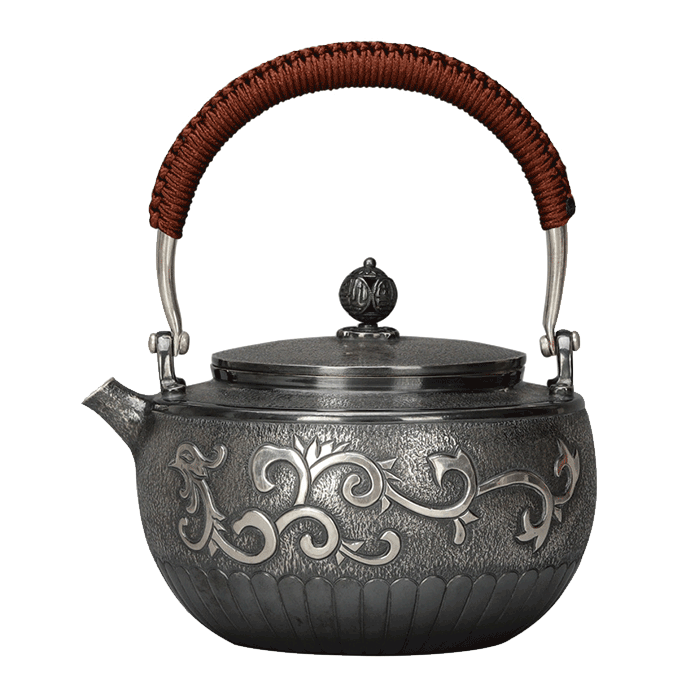
Request close-up photographs and videos showing the exterior surface under angled light. This is important because flat front-facing images may hide uneven hammer marks, polishing scratches, dents, joint lines, or inconsistent texture. Ask for views of the base, lid seat, spout joint, interior, handle attachment points, and any engraved or embossed areas.
For functional designs, evaluate the following sample characteristics:
- Whether the kettle sits level on a flat surface.
- Whether the lid seats securely without excessive looseness or binding.
- Whether the spout aligns with the body and supports controlled pouring.
- Whether the handle is symmetrical, stable, and practical to hold.
- Whether joints are smooth and free from sharp edges.
- Whether the interior is clean and accessible for the intended care method.
- Whether the outer texture is consistent with the approved reference sample.
It can be useful to divide visual standards into three classes: critical defects, major defects, and acceptable handmade variation. Critical defects may include cracks, unstable handles, sharp edges, leaks, or incorrect material marking. Major defects may include visibly misaligned spouts, poor lid fit, conspicuous polishing damage, or uneven engraving. Acceptable variation may include slight differences in hammer pattern or small tonal differences that do not reduce the agreed aesthetic standard.
Request Evidence of Supplier Capability and Process Control
Before issuing a purchase order, assess whether the supplier has a process that matches the complexity of your design. This does not mean every supplier must operate in the same way. A small workshop may be suitable for limited-edition giftware, while a larger factory may be more appropriate for repeat retail programs. The key is to match your volume, finishing standard, and delivery expectations with verified production capability.
Ask for a process overview covering material preparation, forming, hammering, joining, polishing, surface treatment, inspection, packaging, and final dispatch. The supplier should be able to explain where quality checks occur and how approved samples are used as production references. When ordering multiple units, ask how the workshop maintains consistency between craftspeople or production batches.
Also request current photos or video of the actual production environment rather than relying only on catalog images. Confirm whether the company performs key processes in-house or relies on subcontractors. Subcontracting is not automatically a problem, but buyers should understand who controls workmanship, material traceability, inspection, and corrective action.
Buyers sourcing across artisan categories may wish to review examples of related hand-finished work, such as handmade silver offerings, to compare surface treatments and decorative approaches. For organizations purchasing metal décor alongside tea accessories, product references such as bronze home decor can also help teams develop a consistent premium-artisan merchandising direction.
Supplier-Vetting Checklist
| Evaluation Area | What to Request | Why It Matters |
|---|---|---|
| Material declaration | Written metal grade, component details, and verification method | Supports accurate costing and reduces ambiguity |
| Sample controls | Approved sample process and retained reference procedure | Creates a measurable production standard |
| Craftsmanship evidence | Close-up photos, videos, and process explanation | Helps assess real handwork and finish quality |
| Quality inspection | Inspection checklist and defect-handling process | Clarifies how issues are identified before shipment |
| Packaging | Inner protection, carton specification, and drop-risk controls | Reduces transport damage to delicate metalware |
| Export preparation | Available shipping documents and destination-market support | Helps buyers plan import procedures |
Use Sampling to Control Risk Before Bulk Production
A physical sample is the most important verification step for a premium artisan kettle. Catalog photographs can demonstrate a style direction, but only a sample can confirm weight, balance, surface feel, lid fit, pour behavior, finish color, and packaging suitability.
When ordering a sample, specify whether it is a concept sample, pre-production sample, or final approval sample. A concept sample is useful for testing proportions and design direction. A pre-production sample should represent the materials, workmanship, and finishing expected for the order. A final approval sample should be retained by both buyer and supplier as the production reference.
Document every requested revision. If the handle angle, hammer pattern, engraving depth, or finish tone changes after the first sample, revise the specification sheet and confirm the updated price and lead time. Informal approvals through fragmented messages can lead to confusion, especially when multiple people are involved in design, purchasing, and quality control.
For customized metal artwork, a structured design-review process is especially valuable. Buyers seeking a comparable approach to custom project definition can explore customize a bronze sculpture resources, which illustrate the importance of aligning artwork, dimensions, finish expectations, and approval stages before fabrication.
Review Packaging, Shipping, and After-Sales Terms
Silver kettles can be vulnerable to dents, scratches, deformation, and surface abrasion during transport. Packaging should therefore be treated as part of the product specification. Ask suppliers to describe how the lid, spout, handle, and body are protected inside the carton. Soft wrapping alone may not be enough for a piece with a projecting spout or a raised handle.
For each shipment, clarify the carton dimensions, gross weight, inner protection materials, master-carton quantity, palletization method if applicable, and carton markings. If the kettle includes a presentation box, ensure that the presentation box is protected separately from shipping impacts. Request packaging photographs before dispatch for high-value or fragile orders.
Commercial terms should also cover inspection timing, acceptance criteria, defect reporting procedures, replacement or credit arrangements, and responsibility for transit damage. Avoid assuming that a supplier’s general policy will match your company’s requirements. Put the agreed process into the purchase order or quality agreement.
Compare Quotations on Total Value, Not Unit Price Alone
When comparing suppliers, normalize the quotations. A lower-priced offer may exclude higher-purity material, detailed handwork, testing support, presentation packaging, export cartons, custom tooling, or adequate quality inspection. Create a comparison sheet that records the same variables for every supplier.
Useful comparison categories include material grade, net weight, capacity, production method, finishing steps, customization scope, sample charge, tooling charge, packaging, inspection terms, payment terms, estimated production schedule, and shipping terms. If any line item is unclear, request clarification before ranking suppliers.
For retailers and giftware importers, the best supplier is usually not simply the lowest bidder. It is the supplier that can provide a product matching your commercial position, document the agreed requirements, communicate clearly during revisions, and package the finished goods appropriately for export handling.
A disciplined sourcing process gives buyers a stronger foundation for negotiations and a clearer route from inquiry to approved sample. By defining material requirements, evaluating craftsmanship, verifying production controls, and documenting acceptance standards, you can source artisan kettles with greater confidence and fewer surprises after production begins.