Hand-hammered Silver Tea Kettle Quote Risk Guide
Hand-hammered silver tea kettle quotations require clear specifications to reduce purchasing risk.
Custom metalware procurement can become expensive when a quotation is based on incomplete drawings, unclear material descriptions, or unconfirmed finishing requirements. A hand-hammered silver tea kettle may appear to be a straightforward artisan product, but its price can vary significantly according to metal grade, net weight, wall thickness, construction method, handle design, surface texture, lid fit, and protective packaging requirements.
For procurement teams, the objective is not simply to obtain the lowest unit price. The objective is to compare quotations on an equivalent basis, identify which costs are fixed or variable, and confirm what the supplier will deliver before a purchase order is released. This approach reduces the risk of unexpected change orders, inconsistent quality, delayed approvals, and disputes over whether a finished kettle matches the original reference.
Luoyang Yichuan Bronze Craft Co., Ltd. works with custom art metal projects through a structured production process for bronze sculptures, vessels, mirrors, incense burners, Buddhist statues, and other custom bronze artworks. The same sourcing discipline used for complex handcrafted metal objects is relevant when buyers evaluate artisan quotations: define the product clearly, confirm the manufacturing route, request documented checkpoints, and assess shipping protection as part of the total procurement scope.
Why hand-hammered silver tea kettle quotes can vary
Two suppliers may quote very different prices for what seems to be the same product because the specifications behind the quotation are not actually identical. Procurement teams should avoid comparing only a product photo, a general capacity statement, or a short phrase such as “pure silver kettle.” These details may not establish the silver content, actual finished weight, hammering process, wall thickness, or included accessories.
The most important pricing difference is often the metal itself. Silver is a high-value input, so even a small change in net metal weight can affect the quoted total. A quotation should state whether the listed weight is a target finished weight, a theoretical material allowance, or an estimated gross weight including handles, knobs, lid components, and decorative parts. Buyers should also clarify whether the supplier can adjust the final invoice if the finished article weight differs from the estimate.
Handwork is another major variable. A truly hand-hammered body involves repeated forming, annealing, shaping, and surface refinement. The labor requirement may change with the body profile, the tightness of the hammer texture, the neck opening, the accuracy of the lid seat, and the complexity of any hand-applied decoration. A simple rounded form is usually easier to shape than a form with pronounced shoulders, a long spout, sharp transitions, or ornamental relief.
The requested surface standard also affects cost. Some buyers prefer visible, organic hammer marks because they demonstrate the handmade character of the object. Others require a controlled and uniform pattern with consistent light reflection across the whole body. These are different production expectations. If the buyer expects a highly regular pattern, the supplier may need additional finishing time and stricter in-process inspection.
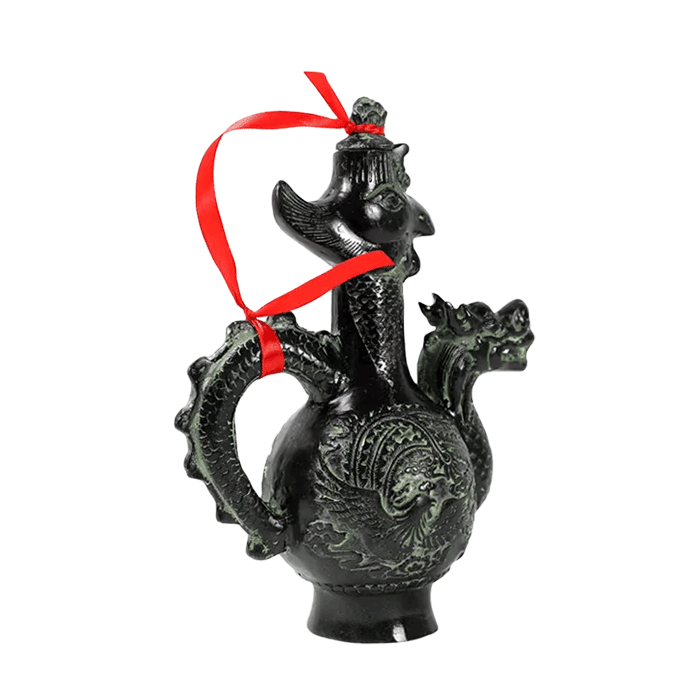
When studying handcrafted metalwork, buyers may also benefit from understanding the distinction between metal categories and manufacturing expectations. This overview of bronze and brass differences illustrates why material terminology should always be defined precisely rather than assumed from appearance alone. The same principle applies to silver projects: material naming, alloy composition, and physical properties should be written into the quote request.
Build a quotation request that suppliers can price accurately
A well-prepared request for quotation gives every supplier the same commercial and technical basis. It also helps the purchasing team receive fewer provisional prices. Instead of asking for a general price from a product photograph, prepare a specification package that identifies the essential features and acceptable tolerances.
Define the product dimensions and capacity
State the required overall height, body diameter, base diameter, spout projection, handle height, and approximate liquid capacity. If the kettle must fit a display tray, shelf, tea setting, or gift box, provide those relevant dimensions as well. Suppliers should know whether a dimension is critical, preferred, or flexible.
For a custom shape, provide a dimensioned drawing whenever possible. A photograph can communicate style, but it does not reliably communicate wall profile, scale, lid geometry, or attachment details. If only a reference image is available, identify the features that must be retained and the features that may be adjusted for manufacturability.
Specify material and weight expectations
Ask suppliers to state the proposed material grade, expected finished net weight, and any permitted weight tolerance. If a minimum silver content is required, record that requirement in writing. Do not rely on a general product title to establish material quality.
Also ask how the supplier calculates raw-material allowance. Handcrafted production may require forming allowance, trimming allowance, and process loss. The buyer does not need to dictate the supplier’s production method, but should understand whether the quoted price is based on fixed material consumption or an estimated range.
Describe construction and functional requirements
A decorative kettle and a functional vessel should not be quoted under the same assumptions. If the item is intended for practical use, define the expected performance requirements, including lid fit, handle stability, spout alignment, base stability, and any required leak check. If the item is intended only for interior display or collection, identify that use case clearly so the supplier does not price unnecessary functional testing.
Ask whether handles and spouts are made as separate components and joined later, or formed as part of the body construction. Neither route is automatically better. The appropriate method depends on the approved design, strength requirements, visual finish, and ability to inspect joints.
- Provide a target capacity and maximum overall dimensions.
- State whether the object is decorative, functional, ceremonial, or intended as a gift.
- Identify required material grade and expected finished weight range.
- Describe the desired hammer pattern, polish level, and surface appearance.
- Include clear reference images from multiple angles.
- Specify whether logos, inscriptions, stamps, or custom motifs are required.
- State packaging, labeling, shipping destination, and delivery terms.
Compare the cost drivers instead of comparing unit price alone
A reliable quotation comparison should separate costs that are likely to change from costs that remain relatively stable across the order. This helps procurement teams identify where price differences originate and which points should be negotiated or clarified before approval.
| Cost driver | Why it changes the quotation | What procurement should confirm |
|---|---|---|
| Metal weight | Higher finished weight requires more precious metal input. | Target net weight, tolerance, material grade, and weight settlement method. |
| Body shape | Complex contours may require more forming, annealing, and finishing work. | Dimensioned drawing, critical visual features, and permitted design adjustments. |
| Hammer texture | Fine or highly uniform marks can increase hand-finishing time. | Approved texture sample, photo standard, and acceptable variation. |
| Decorative details | Engraving, relief, custom knobs, and inscriptions add skilled labor. | Artwork files, placement dimensions, and approval of decorative treatment. |
| Prototype work | New designs may need sampling and revision before production. | Prototype fee, ownership terms, revision scope, and approval process. |
| Packaging | High-value and easily marked items need secure internal protection. | Individual packing method, outer carton standard, labels, and shipment terms. |
For wholesale purchasing, a lower price may reflect a simpler construction, lighter weight, reduced polishing, or less protective packaging. These choices are not necessarily unsuitable, but they must be visible in the quotation. Procurement teams should request an itemized specification summary beside the price so that every bidder is evaluated against the same target.
It is also useful to distinguish one-time costs from repeat-order costs. A new prototype, specialized tooling, custom engraving layout, or packaging artwork may apply only to an initial order. By separating these charges, buyers can calculate a more realistic cost for future purchasing volumes without assuming that every cost will disappear on later orders.
Use samples and approval checkpoints to control quality risk
The most effective way to reduce interpretation risk is to establish an approved reference before bulk production. A pre-production sample can confirm the product’s scale, silhouette, lid proportion, handle position, hammer texture, polish level, and decorative execution. Written approval should identify which sample features are mandatory production standards and which handmade variations are acceptable.
Handcrafted products should not be evaluated as if every mark will be machine-identical. However, this does not mean quality standards should be vague. The buyer can define objective checks such as stable standing, cleanly finished edges, secure component attachment, proper lid seating, correct dimensions within agreed tolerance, and absence of visible cracks, dents, or unacceptable surface damage.
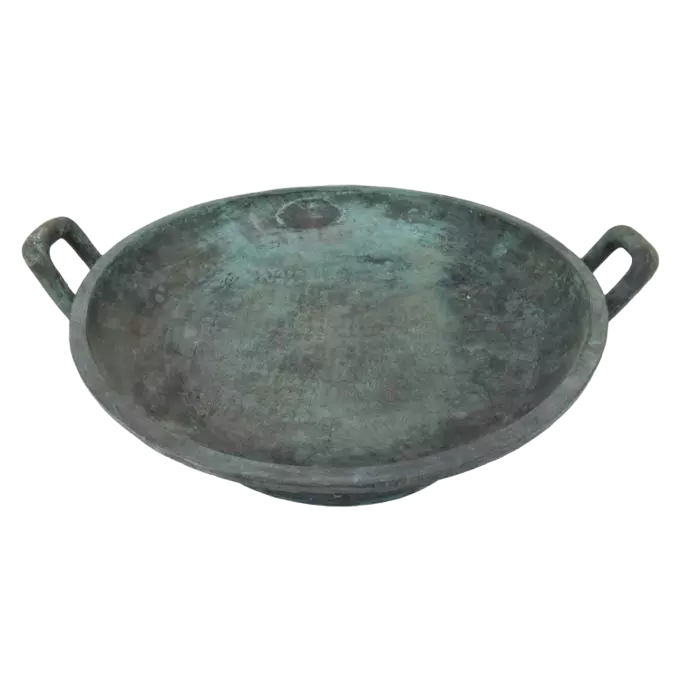
For art metal projects, visual approval is especially important because surface finish is subjective without a reference. Luoyang Yichuan Bronze Craft Co., Ltd. provides hand chasing, polishing, and patina finishing for bronze works, including antique and modern appearances. Buyers sourcing other handcrafted metal categories can apply a comparable review method: approve a physical sample or documented finish reference before the supplier begins the main production run.
A structured approval process may include the following stages:
- Confirm drawings, dimensions, material requirements, and intended use.
- Approve a prototype or a detailed pre-production sample.
- Approve the hammer texture, polish, engraving, and decorative details.
- Review in-process photographs for critical custom features where appropriate.
- Conduct final inspection against the approved reference and purchase order.
- Confirm packaging before release for export shipment.
Buyers looking for experienced custom art-metal production support can review how to customize bronze sculptures through a process that begins with design communication and specification review. While bronze sculpture production differs from silver kettle fabrication, the purchasing lesson remains consistent: approval gates should be established before the project reaches its most expensive production stages.
Assess supplier capability and communication before placing an order
Supplier selection should include more than price and product images. Ask whether the supplier can explain the production method, identify the information needed to quote accurately, and provide a practical timeline for sampling, approval, production, inspection, and shipment. A capable supplier should be able to identify unclear points early rather than pricing an undefined requirement and revising the terms later.
For custom work, buyers should evaluate the supplier’s ability to manage both craftsmanship and quality documentation. Luoyang Yichuan Bronze Craft Co., Ltd. operates an ISO 9001 quality management system and performs quality inspection before shipment for its bronze art products. The company has a 3,000-square-meter production area in Yichuan County, Luoyang, Henan Province, with more than 30 skilled craftsmen, including casting masters and finishing artisans. Its annual output exceeds 50,000 bronze art pieces, and it supports custom projects from a single prototype to negotiable bulk production runs based on size and design complexity.
These capabilities are relevant to buyers who need a dependable process for bronze sculptures, vessels, mirrors, incense burners, Buddhist statues, and custom bronze artworks. For example, teams sourcing historical or cultural display projects can explore Chinese bronze sculpture options and discuss exact replication, finishing expectations, and shipment protection for fragile pieces.
When evaluating a supplier for any handcrafted metal object, ask direct questions:
- What information is missing from the current quotation request?
- Which elements are estimated, and which are fixed?
- Can the supplier provide a sample before a larger production order?
- What inspection points are used before shipment?
- How are fragile surfaces protected from abrasion during packing and transport?
- What documentation will accompany the final shipment?
- How will the supplier handle confirmed manufacturing defects?
Clear answers do not eliminate all procurement risk, but they reveal whether the supplier understands the practical demands of a custom order.
Protect the total landed cost through packaging and shipment planning
Packaging is often treated as an administrative detail, yet it can materially affect the landed cost of a high-value handcrafted item. A polished or finely textured surface can be damaged by movement inside the carton, contact with unsuitable wrapping materials, or inadequate separation from accessories. The cost of replacement, rework, return freight, or customer dissatisfaction can exceed the cost of specifying appropriate packaging at the quotation stage.
Request details on individual wrapping, internal cushioning, protective separation for lids and handles, outer carton strength, moisture protection where needed, and carton markings. If the order is intended for retail distribution, confirm whether barcodes, country-of-origin markings, care cards, gift boxes, or carton labels are required. Every added packaging component should be quoted and approved rather than assumed.
Export-oriented projects also benefit from early discussion of shipment terms and inspection timing. Luoyang Yichuan Bronze Craft Co., Ltd. follows export quality inspection standards for art crafts and provides export-compliant protective packaging for fragile bronze sculptures. This is particularly relevant for custom bronze display pieces, including bronze home decor intended for international retail, hospitality, or project installations.
Make a lower-risk purchasing decision
The strongest quotation is not always the lowest figure on a spreadsheet. It is the quotation that clearly identifies material assumptions, weight, dimensions, craftsmanship, sample requirements, inspection standards, packaging, and commercial terms. Once those items are documented, procurement teams can compare suppliers fairly and negotiate with confidence.
For a hand-hammered silver tea kettle project, begin with a complete specification package, request comparable quotations, and insist on an approved reference before committing to volume. Separate prototype charges from production pricing, define what quality means in measurable terms, and include packaging in the product scope. These steps reduce ambiguity for both buyer and supplier.
For custom bronze art requirements, Luoyang Yichuan Bronze Craft Co., Ltd. can support buyers from single custom prototypes to bulk production, with traditional lost-wax casting, hand finishing, patina options, pre-shipment inspection, and after-sales guidance for patina touch-ups and restoration. A disciplined quotation process gives purchasing teams the information needed to select the right production partner and protect the value of every order.