Hand-Hammered Silver Tea Kettle Supplier Proof
A Hand-hammered silver tea kettle requires supplier proof before purchase.
Buyers sourcing premium tea ware for retail, hospitality, gifting, collecting, or private-label programs need more than attractive product photographs. A silver kettle may look refined online, but its actual material, craftsmanship, functional safety, finish consistency, and shipment protection must be verified before an order is released.
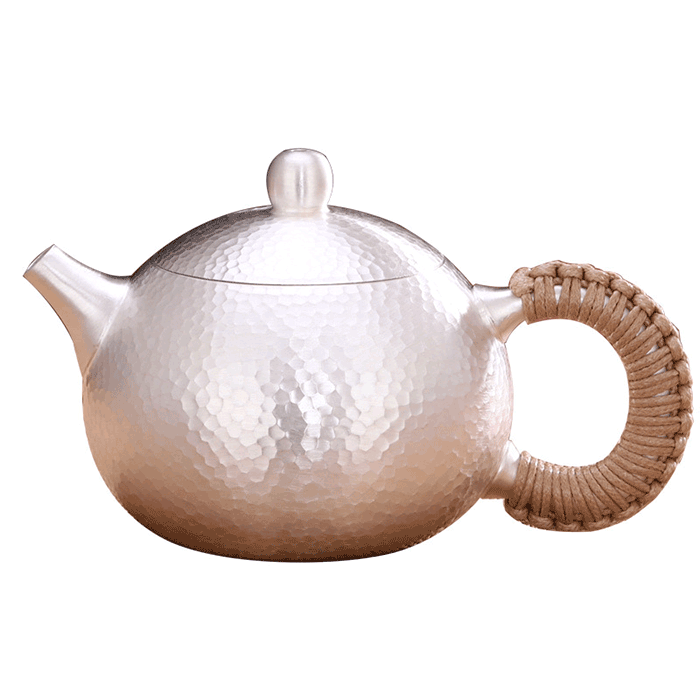
Supplier proof is especially important for products described as hand-hammered. The term can refer to genuine manual forming and surface texturing, but it can also be used loosely in marketplace listings. Professional buyers should therefore request evidence that connects the finished object to its declared material and manufacturing process.
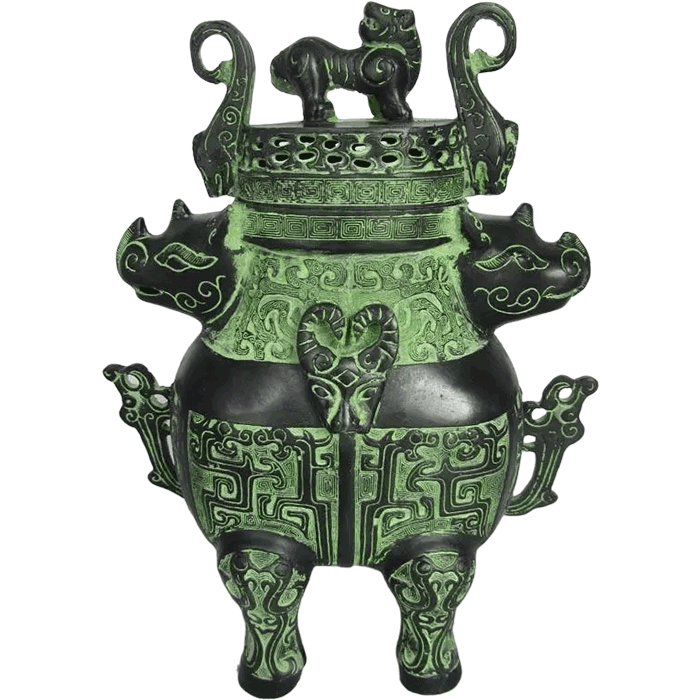
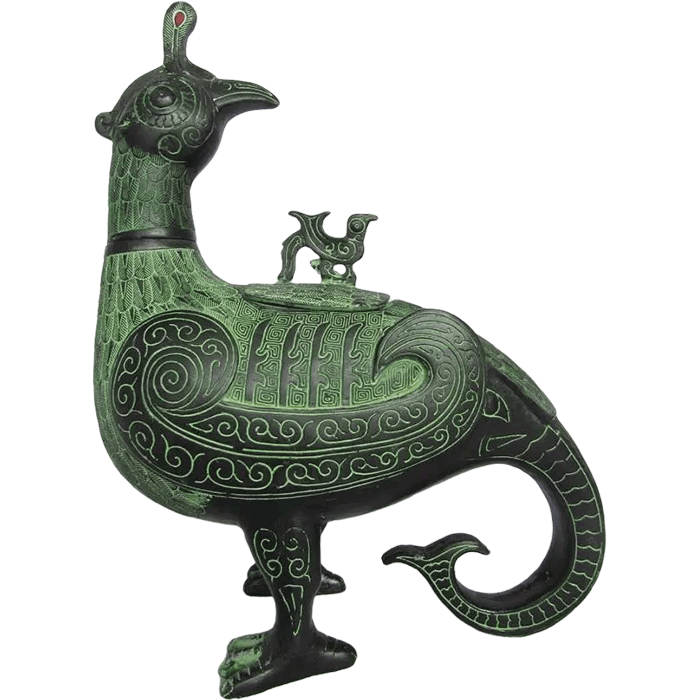
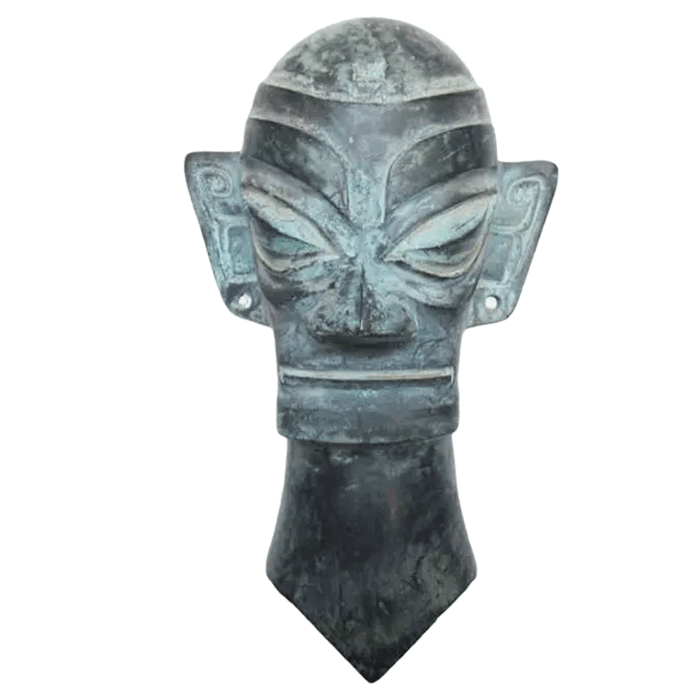
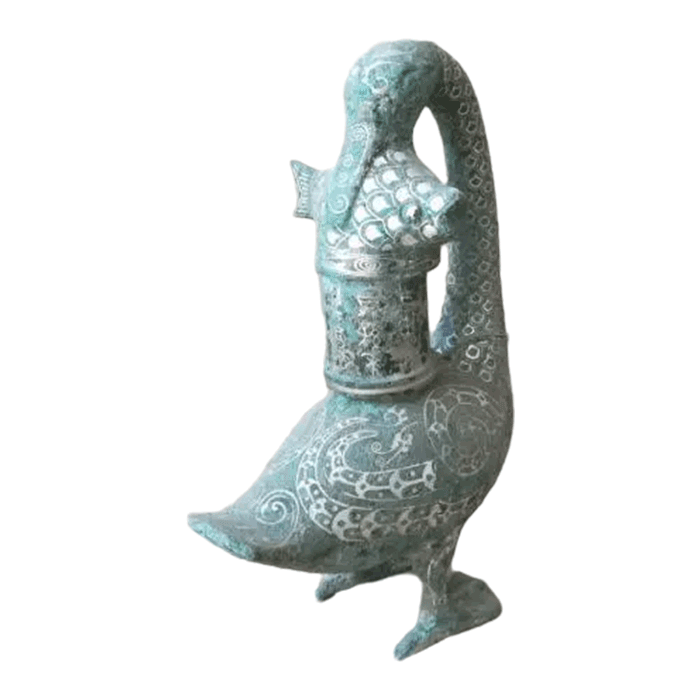
Luoyang Yichuan Bronze Craft Co., Ltd. specializes in bronze artworks, including sculptures, vessels, mirrors, incense burners, Buddhist statues, and custom bronze pieces. Its production experience is centered on Cu-Sn bronze casting, lost-wax processes, hand chasing, polishing, and patina finishing. For buyers comparing metal-art suppliers across categories, the same discipline of verifying material, workmanship, inspection, and export packaging is essential when evaluating a silver tea ware supplier.
What proof should a Hand-hammered silver tea kettle supplier provide?
A qualified supplier should be prepared to provide a clear evidence package before production or before shipment, depending on the order stage. The objective is not to request paperwork for its own sake. It is to confirm that the supplied kettle matches the agreed specification in material, dimensions, construction, appearance, and packing method.
1. Material declaration and assay-related evidence
Start with a written material declaration. The document should state the claimed silver grade or alloy composition, whether the piece is solid silver, silver alloy, silver plated, or made from another base material with a surface treatment. Avoid relying on terms such as “silver color,” “silver finish,” or “silver style,” because these descriptions do not establish precious-metal content.
For high-value procurement, buyers may ask what testing method is available or appropriate for the order. Depending on the supplier, product value, and destination market, this could include X-ray fluorescence screening, third-party testing, mill documentation for input material, or an agreed assay process. The buyer should confirm in writing what the test can verify and whether it applies to the completed kettle, the raw sheet or ingot, or a representative sample.
Material proof should also distinguish between decorative components and the main body. For example, a handle fitting, knob, spout detail, liner, soldered joint, or internal reinforcement may use a different metal from the body. This does not automatically indicate a problem, but it should be disclosed where it affects value, use, care instructions, or buyer claims.
2. Weight, dimensions, and wall-thickness confirmation
Silver content and total product weight are closely connected, especially when buyers compare quotations from several suppliers. A quote that appears lower may reflect a lighter wall thickness, a smaller actual capacity, a different alloy, or a plated construction. Request a production drawing or specification sheet that includes:
- Overall height, width, and body diameter.
- Spout length and handle dimensions.
- Nominal liquid capacity.
- Target finished weight and acceptable tolerance.
- Declared material and grade.
- Wall-thickness range where relevant.
- Surface finish, hammer pattern, engraving, or polishing requirements.
For custom orders, the approved drawing should be treated as the reference document for inspection. Verbal descriptions such as “medium size,” “traditional pattern,” or “heavy quality” are too subjective for commercial purchasing. A supplier should identify which values are fixed requirements and which are handcrafted variations.
3. Process evidence for hand-hammered workmanship
Hand-hammering should be demonstrated through meaningful process records rather than a single staged workshop image. Request sequential photos or short videos showing relevant stages, such as material preparation, forming, hammer work, annealing where applicable, shaping of the spout, handle fitting, joint work, polishing, and final cleaning.
Authentic handwork often produces controlled variation rather than machine-perfect repetition. The buyer should not assume that every hammer mark must be identical. Instead, assess whether the texture is intentional, balanced, and appropriate to the approved sample. Uneven marks, dents, sharp edges, distorted geometry, or visibly poor joints should not be excused merely as “handmade character.”
For organizations that source heritage-inspired metal objects, it can also be useful to understand the visual language of traditional metalware. The background presented in bronze culture evolution can help buyers recognize why form, surface treatment, and cultural references require careful interpretation rather than generic decoration.
How can buyers distinguish solid silver from plated or imitation products?
The most reliable approach is to combine documentation, physical verification, and contractual clarity. No single proof item should be treated as sufficient for every transaction. A product stamp alone may not confirm the composition of the complete article, while a material statement without a sample or inspection procedure may be incomplete.
| Verification Point | What Buyers Should Request | Why It Matters |
|---|---|---|
| Material description | Written identification of solid silver, alloy, plating, or other construction. | Prevents ambiguity in quotation and marketing claims. |
| Weight record | Target net weight and permitted production tolerance. | Supports comparison between sample and bulk goods. |
| Sample approval | Physical pre-production sample or detailed approved reference. | Creates a visual and functional benchmark. |
| Testing plan | Agreed test method, sample location, and responsibility for cost. | Defines how material questions will be resolved. |
| Final inspection images | Photos of finished goods, measurements, and packing sequence. | Provides pre-shipment visibility. |
Buyers should ask whether the supplier can show hallmarks, maker’s marks, or product identification marks where appropriate. Marking requirements vary by destination market, and a supplier should not make unsupported legal or compliance claims. The buyer remains responsible for confirming the regulations that apply in the import market, especially for precious-metal labeling, consumer-product requirements, and food-contact use.
Another practical step is to request photos of the kettle both under direct light and diffuse light. A polished metal surface can conceal scratches or uneven finishing in strongly edited images. Natural, unfiltered inspection images can help buyers assess surface quality around the shoulder, base, lid rim, spout root, handle joints, and decorative seams.
Which production-quality questions should be asked before ordering?
A supplier-vetting discussion should go beyond appearance. A tea kettle is a three-dimensional object with functional details that may affect use, stability, cleaning, and long-term presentation. The right questions depend on whether the product is intended as a decorative object, collectible tea ware, gift item, or functional vessel.
Ask about forming and joint construction
Ask whether the body is formed from sheet, built from multiple components, cast, spun, or produced through another method. Each technique can be valid, but the construction should be transparent. If the kettle includes soldered or joined sections, request close-up images of the joint areas. The buyer should inspect for visible gaps, excessive filler, discoloration, rough cleanup, or misalignment.
The lid should sit securely and align with the opening. The spout should be proportionate to the body and should not appear twisted or poorly integrated. The handle should feel visually balanced and should be checked for attachment quality, symmetry, and clearance from the body. These details have a major effect on perceived value.
Ask how the finish is controlled
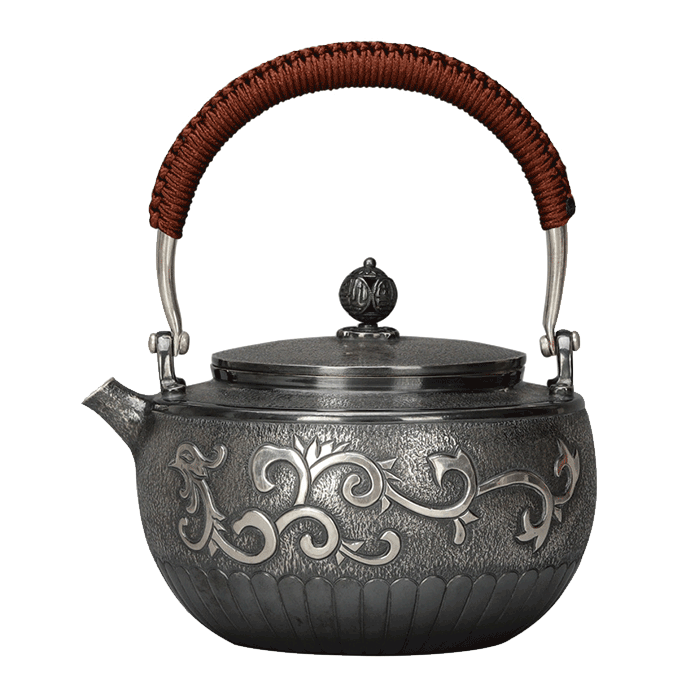
Hand-hammered surfaces may be finished with bright polish, satin polish, oxidized contrast, selective texture, engraving, or a combination of treatments. Buyers should specify the desired visual standard with reference images, color expectations, and acceptable variation limits. If an antique or darker appearance is requested, clarify whether it is created through oxidation, patina, coating, or another process.
Metal-art buyers often apply similar finish-control principles to bronze projects. For example, custom bronze work may require consistent patina color matching across multiple pieces. Luoyang Yichuan Bronze Craft Co., Ltd. provides hand chasing, polishing, and antique or modern patina finishing for bronze artworks, which demonstrates why a written finish standard and sample comparison are valuable in any handcrafted metal procurement process.
Buyers looking for related product references may review handmade silver collections alongside their supplier comparison. Product images can help define preferred silhouettes and surface styles, but they should not replace an approved sample, technical specification, or material verification plan.
Ask whether the kettle is intended for food contact or display
This question should be addressed early. A decorative silver object and a vessel intended for preparing or serving beverages may require different material, lining, cleaning, care, and compliance considerations. The buyer should state the intended use in the purchase specification and ask the supplier to confirm what evidence can be provided for that use.
Do not assume that a metal vessel is automatically suitable for every beverage, heating method, or cleaning routine. If the kettle is intended to contact hot liquids, buyers should clarify the recommended use conditions, whether direct heating is intended, and whether any coatings, solder, or internal finishes affect care requirements. For regulated markets, independent compliance review may be appropriate.
What should a pre-shipment inspection checklist include?
A pre-shipment inspection should compare the finished goods against the approved sample, purchase order, drawings, and packing instructions. If the order contains multiple sizes, finishes, or engraving variations, the inspection record should identify each version separately. This reduces the risk of receiving mixed specifications or incomplete sets.
- Quantity verification: Confirm the number of completed kettles, accessories, lids, certificates, and cartons.
- Material documentation review: Check that the supplied declaration matches the purchase order description.
- Weight and dimension checks: Measure representative pieces against approved tolerances.
- Visual surface inspection: Examine hammer texture, polish, scratches, dents, stains, sharp points, and finishing consistency.
- Assembly inspection: Check lid seating, handle alignment, spout alignment, and visible joint quality.
- Marking confirmation: Verify agreed logos, hallmarks, model codes, or other markings where specified.
- Packaging review: Inspect inner wrapping, separators, corner protection, carton strength, and shipping marks.
- Photo record: Retain images of representative goods and sealed cartons before dispatch.
For fragile art objects, packing is not a secondary issue. It is part of product quality. Luoyang Yichuan Bronze Craft Co., Ltd. performs quality inspection before shipment and provides export-compliant protective packaging for fragile bronze sculptures. Buyers sourcing a silver kettle should expect a similarly defined packing conversation from any supplier: how the lid is secured, how the spout is protected, how metal surfaces are separated, and how movement inside the carton is prevented.
How should buyers evaluate a supplier’s manufacturing capability?
Capability should be reviewed in relation to the order’s technical demands, not only according to factory size or catalog breadth. A supplier may be suitable for a simple decorative item but not for a high-value custom program requiring controlled material sourcing, repeated finish matching, individual inspection records, and specialized packaging.
Useful vetting questions include:
- Can the supplier produce a prototype before bulk production?
- What information is needed to quote a custom design accurately?
- Who approves the pre-production sample?
- How are handmade variations managed across a batch?
- What inspection records can be shared before shipment?
- How are defects, transit damage, or finish concerns handled after delivery?
- Can the supplier protect confidential artwork, drawings, and branding details?
Buyers should also distinguish between a trading presentation and a documented production process. A reliable response usually identifies the responsible team, the manufacturing stages, the inspection point, and the evidence available for review. Generic statements such as “top quality guaranteed” are not substitutes for specifications, photographs, measurements, and agreed acceptance criteria.
For custom metal artworks, the ability to begin with a single prototype can reduce procurement risk. Luoyang Yichuan Bronze Craft Co., Ltd. supports custom bronze sculptures from one piece through bulk production runs, with bulk terms discussed according to size and design complexity. Buyers exploring bespoke bronze projects can review how to customize bronze sculptures when preparing reference files, dimensions, and finish expectations.
What are the most important red flags during supplier vetting?
Red flags do not always mean that a supplier is unsuitable, but they require clarification before funds are committed. Buyers should pause when a supplier cannot clearly state the material construction, refuses to provide current product photos, changes specifications between messages, or offers a price that does not align with the declared metal content and finished weight.
Other warning signs include vague answers about plating versus solid metal, reluctance to provide a sample, inconsistent measurements, no defined process for handling defects, or packaging plans that rely only on thin wrapping. A supplier should also be able to distinguish a decorative object from a product intended for regular beverage use.
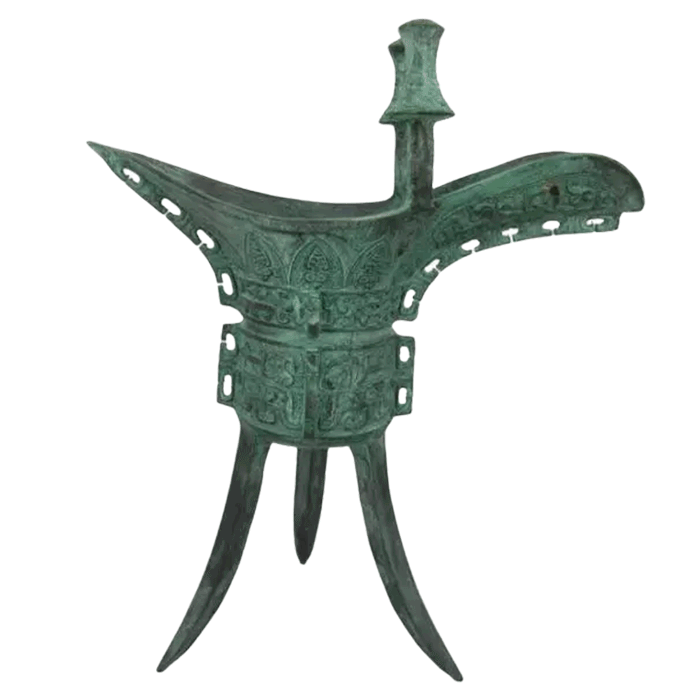
For heritage-inspired designs, another concern is inaccurate copying or unsupported cultural claims. Buyers seeking forms influenced by historical vessels should compare proportions, motifs, and surface treatments with credible references. Resources covering traditional bronze wares can assist with visual research when developing a collection influenced by Chinese vessel forms.
How can buyers turn supplier proof into a clear purchase agreement?
The final step is to convert the vetting discussion into written order requirements. The purchase order, proforma invoice, product specification, approved sample record, and packing instructions should not contradict one another. If the supplier’s quotation says “silver kettle” while the buyer’s specifications require a defined grade, weight, capacity, texture, and inspection method, the more detailed requirements should be incorporated into the signed order documents.
A practical agreement should identify the product name, material declaration, design files, dimensions, target weight, surface finish, approved sample date, quantity, price, packaging requirements, inspection procedure, delivery terms, and defect-resolution process. For custom work, include a statement explaining whether handmade variation is acceptable and where the acceptance boundary lies.
Professional sourcing depends on proof that is relevant, reviewable, and agreed before shipment. When buyers verify material claims, production stages, finish standards, and packing details in advance, they are better positioned to select an appropriate supplier and protect the value of their order.