Goujian Sword Reproduction: 5-Year Import Costs
Goujian sword reproduction programs require a five-year import cost plan, not a unit-price comparison
For museum shops, cultural distributors, and specialty retailers, importing an antique-inspired sword replica is rarely a one-time purchasing decision. The initial quotation is important, but it represents only one part of the financial commitment. A well-managed program must account for product development, international freight, customs processes, packaging, warehousing, sales replenishment, quality risk, and long-term presentation requirements.
A Goujian sword reproduction can be positioned as a cultural display item, a museum-shop collectible, an educational artifact replica, or a premium gift product. Each application creates different cost drivers. A museum may prioritize historical appearance, stable finishes, protective presentation, and detailed product information. A distributor may focus on repeatable specifications, reliable replenishment, consolidated shipments, and margin management. A retail buyer may need packaging that supports safe shelf display and a product story that helps customers understand its cultural reference.
Luoyang Yichuan Bronze Craft Co., Ltd. supports custom bronze art projects from a single prototype to negotiable bulk production runs. Based in Yichuan County, Luoyang, Henan Province, the company operates a 3,000-square-meter production area with more than 30 skilled craftsmen, including bronze-casting masters and finishing artisans. For buyers planning an imported replica program, the key question is not simply “What is the price per piece?” It is “What will this program cost to own, sell, replenish, and maintain over five years?”
Why a five-year view changes the buying decision
Short-term purchasing can create a misleading impression of value. A lower initial quote may become more expensive if the supplier cannot maintain consistent dimensions, patina tone, packaging standards, or replacement support as the program develops. Conversely, a properly specified initial order may have a higher up-front development cost but reduce later disruption through clearer documentation, better packing methods, and repeatable finishing requirements.
A five-year model helps buyers separate costs into two categories: costs paid before the first retail sale and costs that arise during the operating life of the program. The first category includes samples, technical confirmation, production, packing, freight, customs-related expenses, and inbound receiving. The second includes storage, insurance, domestic fulfillment, marketing materials, replenishment orders, repairs, replacements, and product updates.
This approach is especially useful when the product is intended to become a continuing collection rather than a limited one-time purchase. A replica program may begin with a cautious launch quantity, then move into periodic replenishment as sales data becomes available. Small replenishment orders can have a different freight cost per unit than the first consolidated shipment. Therefore, the buyer should calculate the cost of the full import plan, not only the first container, carton, or air shipment.
Historical bronze culture can also influence how products are presented and budgeted. Buyers developing educational materials may review Yue Wang Goujian sword content alongside other object references, then decide what level of descriptive packaging, display support, or informational inserts is appropriate for their market.
Build the landed-cost baseline before approving the first order
The landed-cost baseline is the financial starting point for any imported bronze replica project. It should be prepared before final purchase approval, because it converts a factory quotation into an estimate of the cost at the buyer’s receiving location. Import conditions differ by destination, shipping method, declared classification, local taxes, and broker arrangements, so buyers should verify applicable requirements with qualified customs, freight, and tax professionals.
For budget control, the baseline should include the following elements:
- Product price: the agreed cost of the finished item, including the defined material, dimensions, surface treatment, accessories, and presentation components.
- Development and sampling: design interpretation, prototype work, sample approvals, modifications, and documentation needed before full production.
- Export packing: protective internal materials, outer cartons, crates where required, moisture protection, labeling, and packing lists.
- International freight: ocean, air, rail, courier, or multimodal transport selected according to lead time, shipment size, and handling risk.
- Insurance and handling: cargo insurance where selected, origin handling, destination handling, and any inspection-related charges.
- Import charges: duties, taxes, brokerage, port or terminal charges, and local clearance costs as applicable.
- Inbound logistics: transport from the port, airport, or clearance location to the warehouse, museum, store, or distribution center.
- Receiving and quality review: labor to inspect quantities, condition, finish consistency, labels, and damage before stock is released.
Buyers should request quotations with clear commercial terms and a complete specification sheet. A unit cost cannot be evaluated fairly when one quotation includes protective packaging and another does not, or when one supplier prices a hand-finished patina while another prices a basic surface treatment. The same principle applies to display bases, certificates, protective sleeves, and retail boxes. Every item should be listed as included, optional, or excluded.
For a decorative Goujian sword reproduction, the design brief should identify whether the item is intended for wall display, enclosed-case display, tabletop presentation, retail packaging, or educational handling under controlled conditions. This affects the required finish, mounting points, packaging structure, and accessory selection. It also prevents a buyer from paying later for changes that could have been addressed during prototype approval.
Use a cost sheet with fixed, variable, and contingent lines
A practical cost sheet should not place all expenses into one “other” column. Instead, divide them into fixed costs, variable costs, and contingent costs. Fixed costs may include sample development, initial design work, photography preparation, or a new presentation insert. Variable costs may include casting, finishing, packaging, freight, and fulfillment. Contingent costs are allowances for events that may not occur but should be financially considered, such as a delayed shipment, extra storage time, a damaged carton, or a revised customs document.
| Cost category | Typical budgeting question | Five-year planning value |
|---|---|---|
| Prototype and approval | What must be approved before production begins? | Reduces the risk of repeated revisions during later orders. |
| Production and finishing | Which material, finish, and workmanship standards are required? | Supports consistency across replenishment batches. |
| Protective packaging | How will fragile details and surfaces be protected in transit? | Helps reduce handling damage and claims exposure. |
| Freight and clearance | What route and import process will be used? | Allows realistic landed-cost and lead-time planning. |
| Warehousing and fulfillment | Where will inventory be stored and shipped from? | Shows the operational cost after import arrival. |
| Replacement reserve | How will defects or transit issues be addressed? | Supports service continuity and customer confidence. |
Specify craftsmanship and quality requirements that protect long-term value
Long-term cost management begins with a clear product specification. Luoyang Yichuan Bronze Craft Co., Ltd. uses premium Cu-Sn bronze alloy and the traditional lost-wax casting method for bronze art pieces. Hand chasing, polishing, and patina finishing can be arranged for antique or modern visual effects. These processes should be translated into buyer-facing approval criteria rather than left as broad descriptive terms.
For example, an approval file can define the target overall length, blade width, thickness range, handle geometry, decorative pattern placement, patina reference, color variation tolerance, edge treatment, display stand requirements, and packaging layout. The more clearly these items are recorded, the easier it is to compare future production batches with the approved reference.
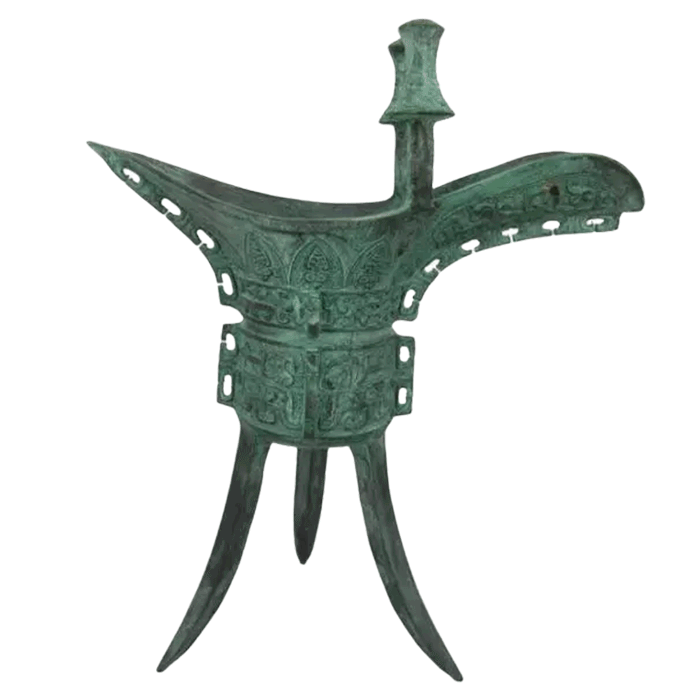
It is also important to distinguish between an artistic or educational replica and an archaeological claim. Buyers should avoid unsupported statements regarding age, provenance, excavation history, or certified historical authenticity. Product copy can instead describe the object as an antique-inspired bronze artwork or a replica based on a documented cultural reference. For broader context on period design, buyers may find value in Spring and Autumn bronze characteristics.
A quality plan should include inspection before shipment. Luoyang Yichuan Bronze Craft Co., Ltd. performs quality inspection before every shipment and provides free replacement for casting defects. The company also offers after-sales support for patina touch-ups and restoration guidance. These provisions should be incorporated into the buyer’s internal risk planning, together with a documented process for reporting issues, retaining photos, and confirming replacement shipment arrangements.
Patina consistency deserves its own budget line
Patina is often a major visual feature of bronze replica programs. It can affect the perceived quality of an item, the way it photographs for catalogs, and the consistency of a retail collection. However, buyers should recognize that hand-finished surfaces have natural visual variation. The goal is not to assume that every piece will look mechanically identical; the goal is to agree on an acceptable visual range based on approved references.
For this reason, buyers should request controlled reference photos under stated lighting conditions and, where practical, retain an approved physical sample. A written approval can address dominant tone, highlight areas, recessed areas, polish level, and whether darker or lighter variation is acceptable. This reduces the chance that a later replenishment batch looks unrelated to the initial program.
Forecast freight, inventory, and replenishment across five years
Freight is not a static cost. It changes with shipment volume, route availability, fuel conditions, carrier schedules, seasonal demand, and the urgency of the order. Rather than forecasting one freight number for five years, purchasing teams should prepare low, expected, and high scenarios. The budget can then show how margin changes if freight rises or if smaller replenishment orders are required.
Inventory planning is equally important. Ordering too much can create storage expenses, capital tied up in slow-moving stock, and a greater need for careful long-term packing management. Ordering too little can lead to frequent small shipments, higher freight cost per unit, and missed retail opportunities. A planned review cycle—such as quarterly or semiannual sales and stock analysis—helps balance these concerns.
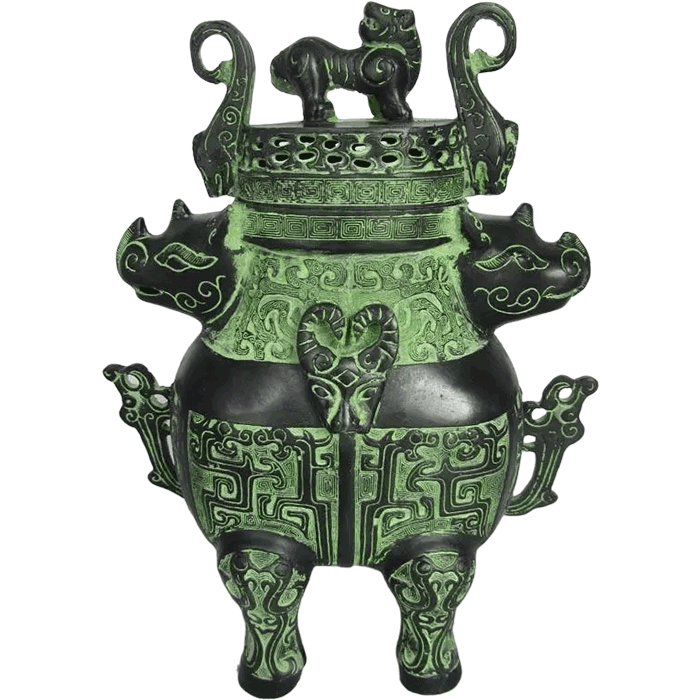
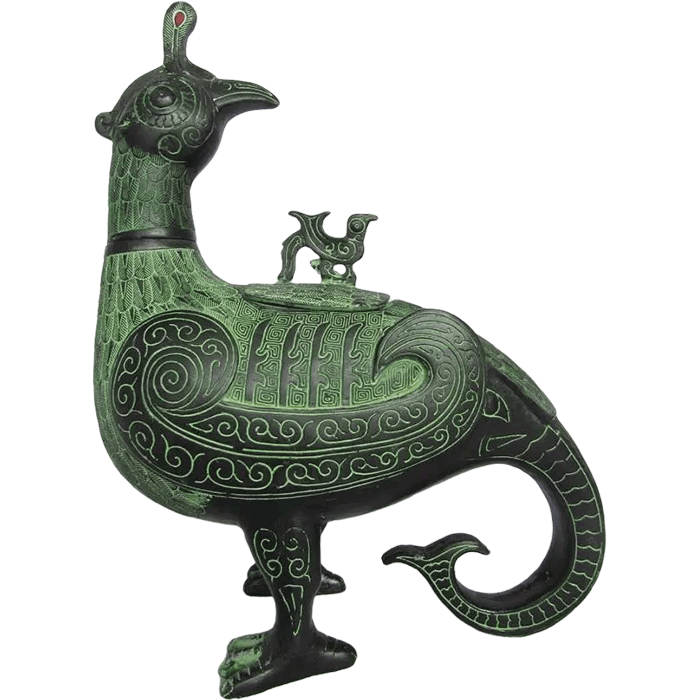
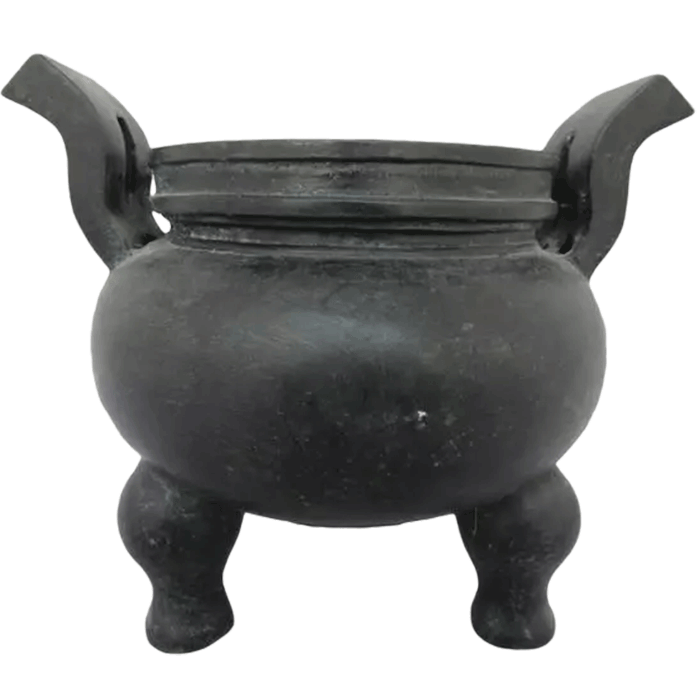
For a Goujian sword reproduction program, consider grouping replenishment with compatible cultural bronze products. A museum shop or distributor may be able to improve freight efficiency by combining replicas with vessels, mirrors, incense burners, or other decorative items that share similar handling requirements. The company’s wider range includes custom bronze artworks as well as bronze sculptures, vessels, mirrors, incense burners, and Buddhist statues. Buyers exploring related display categories can also review Chinese bronze sculpture options for collection planning.
Consolidation should be considered carefully. Combining products can reduce the number of shipments, but only if the products have compatible production schedules, packing needs, and sales timing. A delayed item should not automatically hold up an entire revenue-critical shipment. The budget approval team should compare the savings from consolidation against the financial cost of delayed availability.
Include operating costs after the goods reach your warehouse
Import costs do not stop at arrival. Once the shipment reaches the buyer’s warehouse or retail network, the program continues to create costs and responsibilities. These operating costs are often underestimated because they do not appear on the supplier’s quotation.
- Storage: shelving, secure storage, climate considerations where relevant, stock counting, and warehouse labor.
- Order fulfillment: pick-and-pack labor, consumer-facing protective packing, shipping labels, and carrier charges.
- Merchandising: display fixtures, product cards, photography, catalog copy, and staff education.
- Returns handling: inspection, repacking, resale assessment, refurbishment, and disposal where necessary.
- Customer service: answering questions about care, material, historical inspiration, and safe display.
- Program administration: purchase order processing, customs records, supplier communication, and inventory reporting.
Packaging should be evaluated from two perspectives: export survival and local fulfillment efficiency. Export-compliant protective packaging for fragile sculptures is an important part of risk reduction, but the final retail operation may require additional consumer-ready protection. If a distributor will ship individual pieces to customers, the buyer should test whether the export carton can also support final delivery or whether a second packing stage is needed.
Care guidance can also reduce avoidable returns. Product inserts can explain that bronze surfaces should be handled carefully, protected from harsh abrasives, and kept in suitable display conditions. Because finish expectations vary by product, the care language should be reviewed against the actual approved patina and any accessories included with the item.
Create a budget-approval checklist for the replica program
The final approval package should make it easy for finance, procurement, merchandising, and operations teams to see the whole commitment. A strong proposal explains both the commercial opportunity and the assumptions behind the cost model. It should not rely on an attractive factory unit price while leaving freight, packaging, quality, and replenishment questions unresolved.
- Define the intended use, target customer, sales channel, and display method.
- Approve the product specification, sample process, materials, finish reference, and packaging requirements.
- Calculate landed cost using current freight and import assumptions for the first shipment.
- Prepare low, expected, and high scenarios for freight, duties, storage, and replenishment.
- Estimate warehouse, fulfillment, merchandising, and customer-service costs over five years.
- Set a replacement and quality-management procedure before the first shipment leaves the factory.
- Review reorder thresholds and determine whether future orders should be consolidated with related bronze products.
- Document the approved product story to avoid unsupported historical or authenticity claims.
Buyers who need a custom design route can discuss specifications through the option to customize a bronze sculpture. This is particularly useful when a program requires a specific display base, inscription layout, finish direction, or packaging presentation that differs from a standard decorative bronze item.
The best five-year plan is not the one with the lowest quoted unit price. It is the one that makes costs visible, protects product consistency, anticipates replenishment needs, and gives the buyer a workable response when freight conditions, stock levels, or finish requirements change. By evaluating a Goujian sword reproduction as an ongoing imported program, museum shops and distributors can make a more defensible purchasing decision and build a collection with clearer financial control.