Flying Horse of Gansu Bronze: Han Dynasty Masterpiece
Understanding the Flying Horse of Gansu Bronze within its Han Dynasty Context
The Flying Horse of Gansu bronze, also known as Ma Ta Feiyan (馬踏飛燕) or "Galloping Horse Treading on a Flying Swallow," stands as one of the most iconic artifacts from China's illustrious Han Dynasty (206 BC – 220 AD). Discovered in 1969 within a tomb in Wuwei, Gansu Province, this dynamic sculpture immediately captured global attention with its unparalleled artistry and ingenious engineering. It embodies the pinnacle of Han craftsmanship, depicting a celestial steed caught mid-gallop, poised delicately on the back of a flying swallow – a symbolic representation of speed and lightness that defies gravity.
For institutions, collectors, and educators seeking to understand or acquire significant pieces of Chinese bronze art, the Flying Horse serves as a prime example of the historical and cultural depth inherent in such works. At Luoyang Yichuan Bronze Craft Co., Ltd., we are deeply committed to preserving and extending this legacy, offering meticulously crafted bronze sculptures that reflect the precision and artistic spirit of ancient masters. Our expertise ensures that every piece, from exact replicas to custom designs, meets stringent quality standards, allowing clients worldwide to experience the grandeur of Chinese bronze art.
The Historical Tapestry of the Han Dynasty and Its Bronze Art
The Han Dynasty was a period of immense cultural, economic, and political growth in China, often compared to the Roman Empire in its influence and longevity. It saw the expansion of the Silk Road, significant advancements in technology and philosophy, and a flourishing of the arts. Bronze, a material revered since the Shang and Zhou Dynasties, continued to play a crucial role, transitioning from primarily ritualistic vessels to a broader range of utilitarian and artistic objects, including intricate sculptures.
Han bronze art, while acknowledging earlier traditions, developed its distinct aesthetic. It often depicted daily life, mythical creatures, and the natural world with a new sense of realism and dynamism. The aristocracy and wealthy elite commissioned elaborate tomb furnishings, believing these would accompany them into the afterlife. The Flying Horse of Gansu bronze, found in the tomb of General Zhang, is a testament to this practice, reflecting the deceased's status, power, and perhaps a desire for eternal swiftness or celestial ascent. The intricate details and sophisticated composition of Han bronzes like this one provide invaluable insights into the beliefs, aesthetics, and technological prowess of the era. Understanding the evolution of bronze culture over 2000 years reveals a continuous thread of innovation and artistic refinement.
Design Excellence and Enduring Symbolism
The genius of the Flying Horse lies not only in its exquisite form but also in its profound symbolism and engineering marvel. The horse is depicted with head lifted, mouth open as if neighing, and tail flowing, conveying immense speed and vitality. Its most striking feature is the single hoof delicately resting on the back of a swallow, which itself is in full flight, looking back in astonishment. This ingenious design creates a sense of impossible balance and effortless motion, suggesting a creature so swift that it barely touches the earth.
Symbolically, the horse held great importance in Han society. Horses were crucial for warfare, transportation, and communication, and the finest breeds, particularly the "heavenly horses" from Ferghana, were highly prized. The Flying Horse likely represents these legendary steeds, symbolizing power, speed, and status. The swallow, known for its agility and grace, further accentuates the horse's incredible swiftness, elevating it to a mythical realm. This artistic choice elevates the sculpture from a mere depiction of an animal to an embodiment of idealized strength and transcendental movement. Such animal bronze statues often carried deep cultural significance.
The Enduring Art of Bronze Casting: From Ancient Techniques to Modern Precision
The creation of a bronze masterpiece like the Flying Horse of Gansu bronze required exceptional technical skill and artistic vision. Ancient Chinese bronze casting primarily utilized the lost-wax method (cire perdue) or piece-mold casting. For intricate sculptures with complex forms, the lost-wax method was particularly suited, allowing for fine details and dynamic poses that would be challenging to achieve otherwise. This process involved creating a wax model of the desired sculpture, encasing it in a ceramic mold, melting out the wax, and then pouring molten bronze into the cavity. Once cooled, the mold was broken away, revealing the bronze form, which then underwent extensive finishing.
Traditional Lost-Wax Method: A Legacy of Craftsmanship
The lost-wax method, a technique with thousands of years of history, remains the gold standard for creating high-quality bronze sculptures today. This time-honored process involves several meticulous steps:
- Sculpting the Model: An artist first creates a detailed model, typically in clay, capturing every nuance of the desired form.
- Creating the Mold: A silicone or plaster mold is made from the clay model.
- Wax Pattern: Molten wax is poured into the mold to create a hollow wax replica of the sculpture. This wax pattern is then meticulously refined by hand.
- Spruing and Investing: Wax gates and pouring cups are added to the wax pattern, which is then encased in a refractory ceramic shell.
- Burnout: The ceramic shell is heated in a kiln, melting and burning out the wax, leaving a perfect hollow cavity.
- Pouring Bronze: Molten bronze, heated to precise temperatures, is poured into the ceramic shell.
- De-investment and Finishing: Once cooled, the ceramic shell is carefully broken away, revealing the raw bronze casting. This piece then undergoes extensive hand chasing, welding, polishing, and patina application to achieve the desired finish.
This intricate process demands not only technical proficiency but also an artistic sensibility to ensure that the final bronze piece perfectly reflects the original design, embodying the spirit and detail intended by the sculptor. The choice of premium bronze alloy (Cu-Sn) is also critical, contributing to the sculpture's durability, finish, and ability to hold fine details.
Luoyang Yichuan Bronze Craft: Preserving Legacy Through Modern Production
At Luoyang Yichuan Bronze Craft Co., Ltd., we are direct descendants of this rich bronze-casting tradition, located in Yichuan County, Luoyang, Henan Province—a region deeply steeped in China's historical metallurgical heritage. With a production area spanning 3,000 square meters and a team of over 30 skilled craftsmen, including revered bronze-casting masters and finishing artisans, we blend ancient techniques with modern precision to produce exceptional bronze art. Our commitment to quality is underscored by our ISO 9001 quality management system certification, ensuring that every product complies with export quality inspection standards for art crafts.
Addressing Custom Bronze Art Sourcing Pain Points
We understand the challenges faced by museums, galleries, interior designers, and private collectors when sourcing custom bronze art. Our services are specifically designed to alleviate common pain points:
- Exact Replication of Antique Bronzes: Whether it's recreating the intricate details of a Han Dynasty artifact or another historical piece, our master craftsmen possess the skill to achieve precise historical accuracy.
- Consistent Patina Color Matching: Achieving and maintaining consistent patina across multiple pieces or ensuring an exact match to an existing antique finish is a specialized art. We offer a range of antique or modern patina finishes, ensuring aesthetic harmony and authenticity.
- Export-Compliant Protective Packaging: Fragile sculptures require specialized packaging to withstand international shipping. We provide robust, export-compliant protective packaging designed to safeguard your valuable acquisitions from casting defects to final delivery.
Our annual output of over 50,000 bronze art pieces demonstrates our capacity to support everything from a single custom prototype to extensive bulk production runs. We pride ourselves on flexibility; our MOQ starts from just 1 piece for custom sculptures, with bulk orders negotiable based on size and design complexity, making high-quality bronze art accessible to a wide range of clients.
Sourcing Authentic and Custom Bronze Replicas for Modern Applications
The demand for high-quality bronze replicas and custom bronze artworks extends across various sectors. Museums and educational institutions often seek accurate reproductions for exhibitions and study, allowing a broader audience to engage with historical masterpieces. Interior designers and architects incorporate custom bronze elements to add timeless elegance and cultural depth to their projects. Private collectors desire unique, bespoke pieces that reflect personal taste or commemorate significant events.
At Luoyang Yichuan Bronze Craft Co., Ltd., we are equipped to meet these diverse needs. From customize a bronze sculpture of any theme to replicating significant historical artifacts, our capabilities are extensive. Our product range includes:
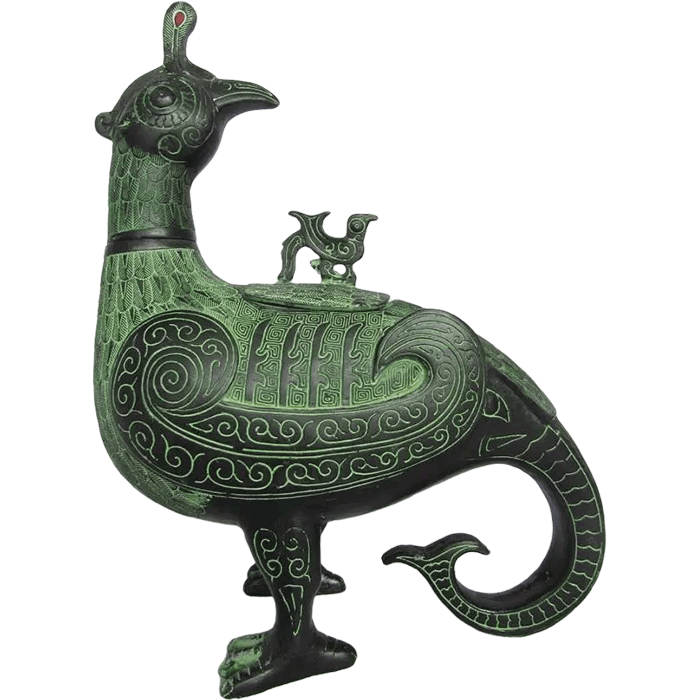
- Bronze sculptures (human and animal statues)
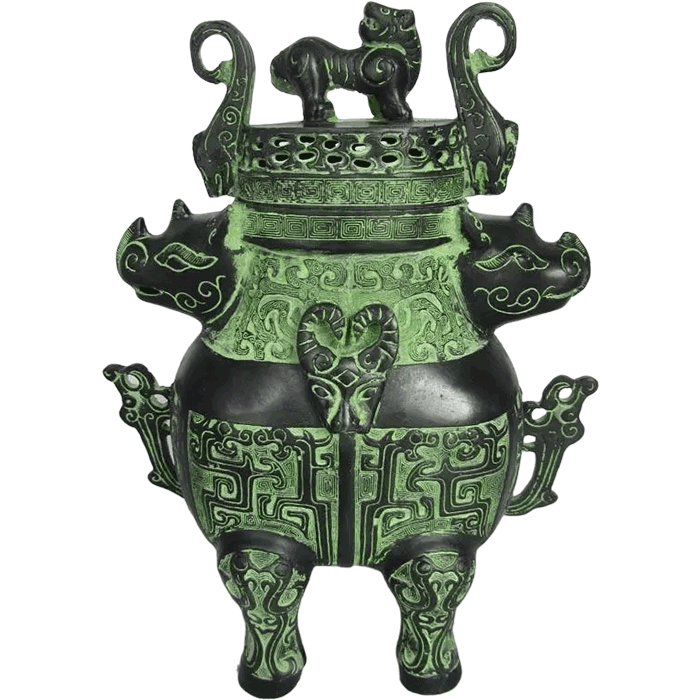
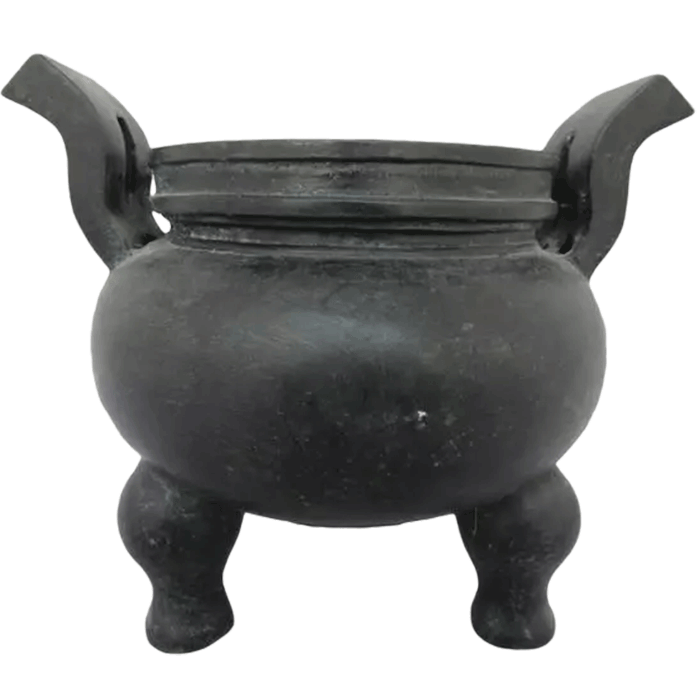
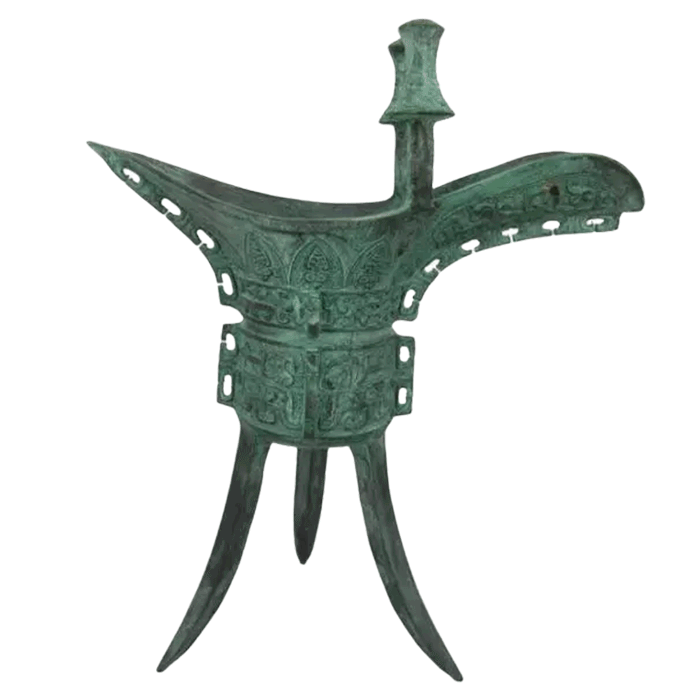
- Bronze vessels (ding, zun, hu tripods and vases)
- Bronze mirrors
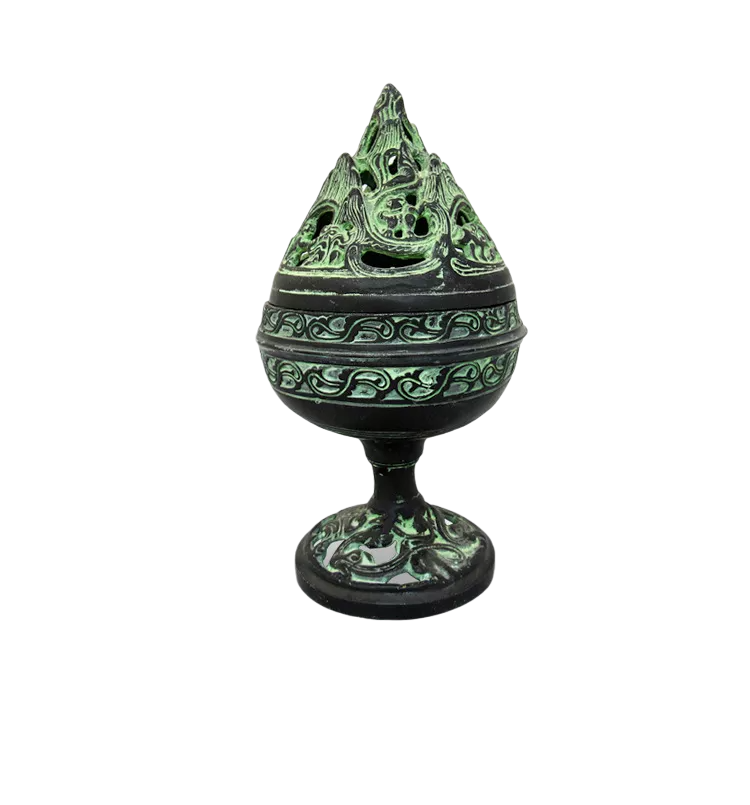
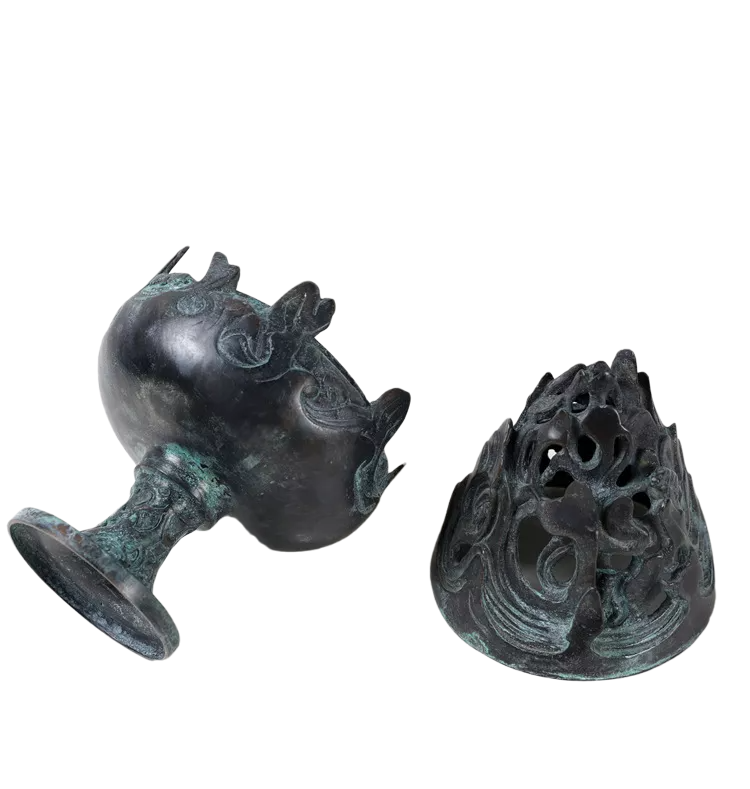
- Bronze incense burners
- Bronze Buddhist statues
- And custom bronze artworks tailored to specific client requirements.
Every piece undergoes rigorous quality inspection before shipment. In the rare event of casting defects, we offer free replacements, standing by the integrity of our craftsmanship. Our after-sales support extends to guidance for patina touch-ups and restoration, ensuring the longevity and beauty of your investment. We are not just manufacturers; we are custodians of an ancient art form, dedicated to bringing its beauty and significance to the contemporary world.
Conclusion: The Enduring Legacy of Bronze Art
The Flying Horse of Gansu bronze remains a powerful symbol of artistic achievement and cultural heritage from the Han Dynasty. Its blend of dynamic form, symbolic depth, and masterful execution continues to inspire awe and admiration. As a premier B2B partner for bronze art production, Luoyang Yichuan Bronze Craft Co., Ltd. is committed to upholding and advancing this legacy. By combining traditional lost-wax casting techniques with modern quality assurance and customer-focused services, we provide a reliable source for exquisite bronze sculptures, whether you require an exact historical replication, a custom design, or bulk production. Our dedication ensures that the art of bronze, as exemplified by masterpieces like the Flying Horse, continues to enrich spaces and minds for generations to come, allowing businesses and collectors to acquire bronze statues with different themes or custom pieces with confidence.