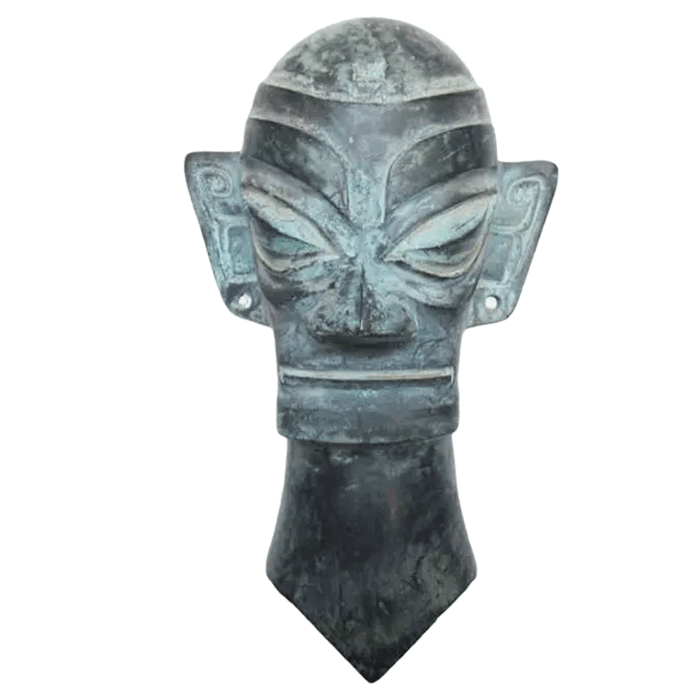
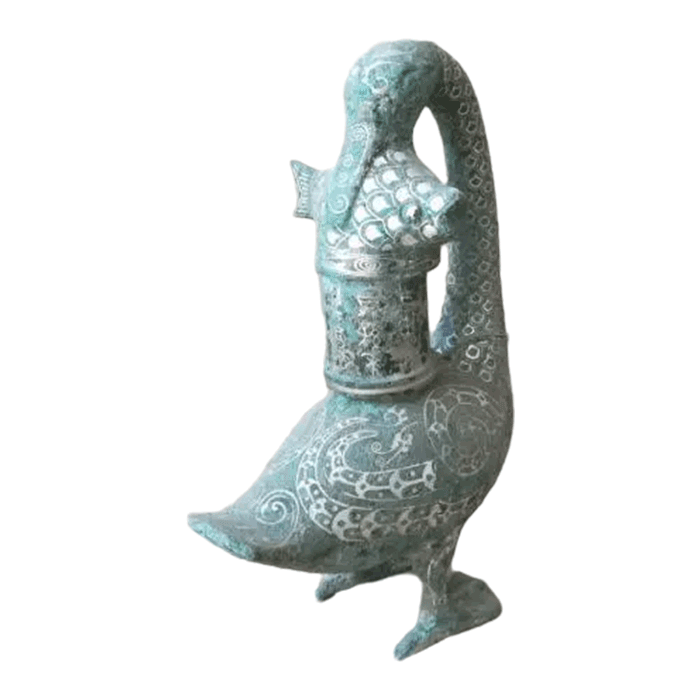
Estimate Tooling Costs | Bronze replica manufacturing service
Estimate tooling costs with a Bronze replica manufacturing service before approving production
For art dealers, museum shops, architectural buyers, designers, collectors, and procurement teams, tooling is often one of the first major cost questions in a bronze replica project. A buyer may have an antique reference, a sculpture photograph, a damaged original, a digital model, or a detailed drawing, but the path from reference material to a cast bronze item includes technical preparation that must be considered before production begins.
Tooling costs are not simply a fixed charge added to every bronze order. They depend on the design, scale, detail level, number of parts, required fidelity to the reference, finishing expectations, and expected production quantity. A one-piece custom replica can require significant preparation if it has complex ornament, thin projecting elements, or multiple undercuts. Conversely, a repeat order may distribute the initial development investment across a larger quantity.
Luoyang Yichuan Bronze Craft Co., Ltd. supports projects from one custom prototype to negotiable bulk production runs. With a 3,000-square-meter production area and more than 30 skilled craftsmen, including bronze-casting masters and finishing artisans, the company produces bronze sculptures, vessels, mirrors, incense burners, Buddhist statues, and custom bronze artworks using premium Cu-Sn bronze alloy and the traditional lost-wax casting method.
This guide explains how to build an initial tooling budget, what information to request from a supplier, and how to determine whether a prototype, a small batch, or a larger production run is commercially appropriate.
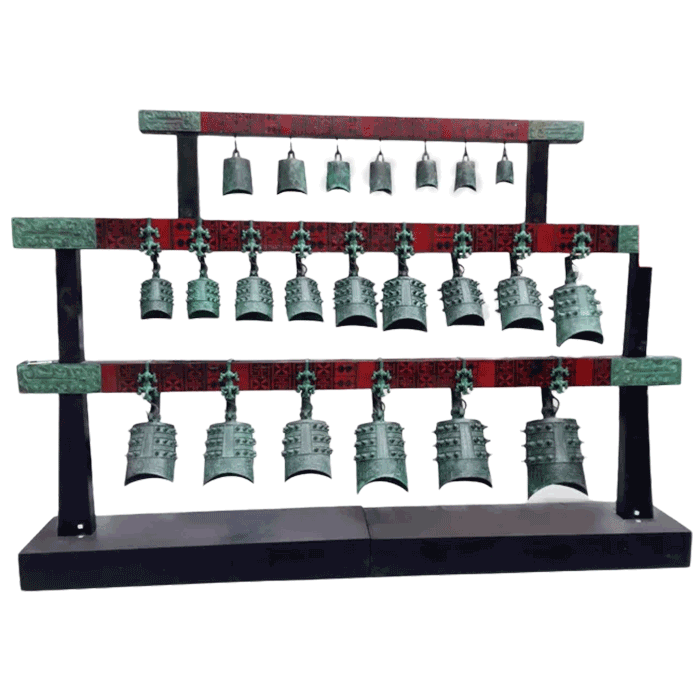
What tooling means in bronze replica production
In bronze casting, tooling refers to the preparation work and physical production aids needed to turn a concept or reference object into repeatable cast pieces. Depending on the project, this may include a master pattern, a digital model, a sculpted model, silicone or rubber molds, wax patterns, gating and runner planning, support structures, and fixtures used during assembly or finishing.
For lost-wax casting, the workflow usually starts with a master form. The master may be created from a buyer-supplied 3D file, a physical sample, photographs with measurements, or newly developed sculpture work. A mold can then be made from the approved master so wax replicas can be produced. Each wax pattern is prepared for casting, invested in a refractory shell or mold system, burned out, and filled with molten bronze alloy. After casting, craftsmen remove the shell material, cut gates, weld components where required, chase surface details, polish the work, and apply the selected patina.
Not every project needs identical tooling. A simple bronze plaque, shallow relief, or small vessel may require a different level of mold development than a full-height human statue, a multi-legged animal sculpture, or a ritual vessel with elaborate handles and surface motifs. The best starting point is to treat tooling as a project-specific engineering and art-production requirement rather than a standard line item.
Tooling is different from the final casting price
Buyers should separate development costs from per-piece manufacturing costs. Tooling and development generally relate to preparing the design for successful casting. Per-piece manufacturing costs relate to the bronze material, wax preparation, shell work, casting labor, welding, hand chasing, polishing, patina, inspection, and protective packaging for each finished item.
This distinction is especially important when comparing a prototype with a production run. A prototype may carry a higher share of development work because the project is being established for the first time. If the same approved design is later produced in quantity, the original mold and master development may potentially support a more efficient per-piece calculation, subject to the design, mold condition, size, and production requirements.
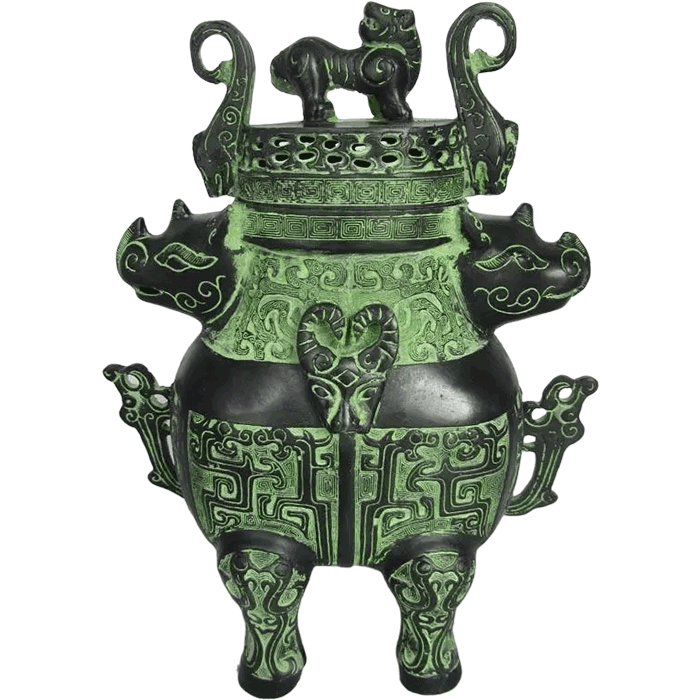
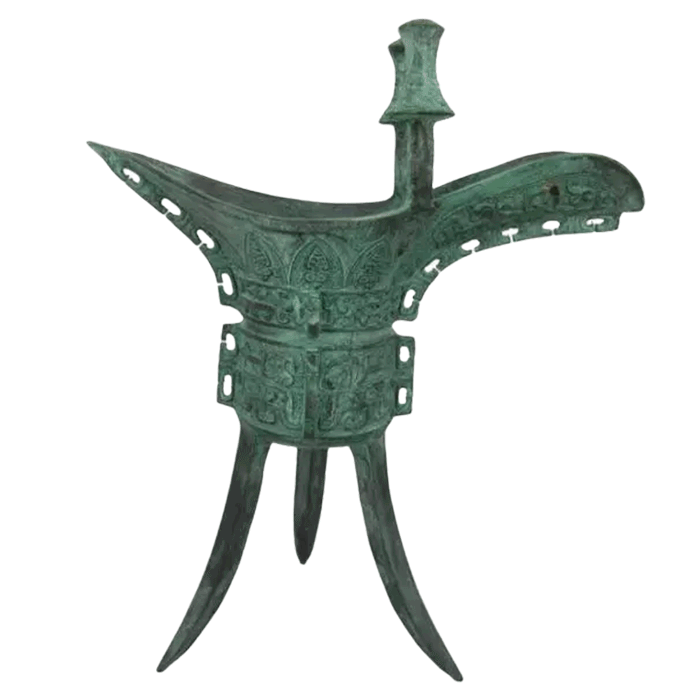
Buyers researching historical forms can also review several bronze wares to identify vessel categories and decorative features that may affect the complexity of a replica request.
Key factors that determine tooling cost estimates
A reliable estimate requires more than a product name and target quantity. “Bronze vase” or “animal statue” is not enough information to determine the amount of preparation required. The following factors should be reviewed together when building an initial budget.
Reference quality and replication accuracy
The quality of the buyer’s reference materials can influence the development workload. A clear 3D scan or a complete technical model may reduce interpretation work compared with a single low-resolution photograph. However, a physical original may still require careful measurement, visual study, and consideration of inaccessible details. If a replica must closely reproduce aged surface texture, inscriptions, ornamental bands, handles, facial features, or damaged historical areas, more handwork may be needed in the master-development stage.
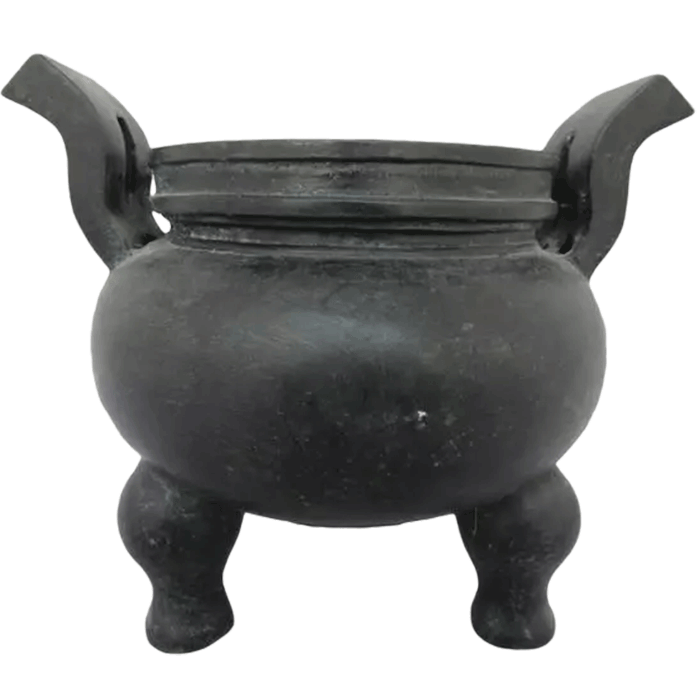
Buyers should state whether the objective is an exact replica, a historically inspired interpretation, a scaled reproduction, or a modernized version of an antique form. These are different requirements. For example, an exact reproduction of an antique ding may require attention to leg proportions, relief motifs, rim profiles, and patina character. A contemporary display piece inspired by the same form may allow more flexibility in dimensions and surface treatment.
Overall size, wall thickness, and sculpture geometry
Dimensions affect both tooling and casting planning. A larger work normally requires a larger master, larger molds, more wax, more shell material, more bronze, and more handling during finishing. Large or heavy pieces may also need to be divided into sections for casting and later assembly. Each section requires its own planning for mold lines, gates, metal flow, welding points, and surface restoration.
Geometry matters as much as size. Features such as extended wings, raised arms, narrow legs, deep recesses, openwork decoration, thin handles, and sharply projecting ornaments can require careful support and gating design. A hollow vessel with a complex interior may have different manufacturing considerations from a solid decorative sculpture. Buyers should provide outside dimensions, estimated weight if available, desired wall thickness, and notes on whether the object will be displayed indoors or outdoors.
Number of pieces and expected reorder volume
Quantity is central to commercial planning. For a single display sculpture or museum-style prototype, the buyer may prioritize visual approval and detail accuracy over a lower unit cost. For a retail collection, hotel project, or distributor order, the buyer may need a tooling approach that supports repeat production and consistent visual results.
Luoyang Yichuan Bronze Craft Co., Ltd. accepts custom sculpture orders from one piece, while bulk order arrangements can be discussed according to size and design complexity. Buyers should communicate the immediate order quantity as well as any realistic future demand. A supplier can then assess whether the project should be planned as a one-off casting, a prototype with retained production tooling, or a production-oriented mold program.
Surface finishing and patina requirements
Patina is often a major part of the perceived value of a bronze replica. A buyer may request an antique brown finish, dark traditional tones, green oxidation-style effects, a smooth modern finish, or a specific appearance intended to match an existing collection. The required surface result can influence the time needed for chasing, polishing, texture refinement, coloring trials, and final review.
Patina matching should be discussed early, particularly if the replica is intended to sit beside existing objects. Color can appear different under daylight, gallery lighting, warm indoor lighting, or outdoor conditions. Providing reference photos in multiple lighting conditions and, where practical, a physical sample or approved color target can make the approval process more specific.
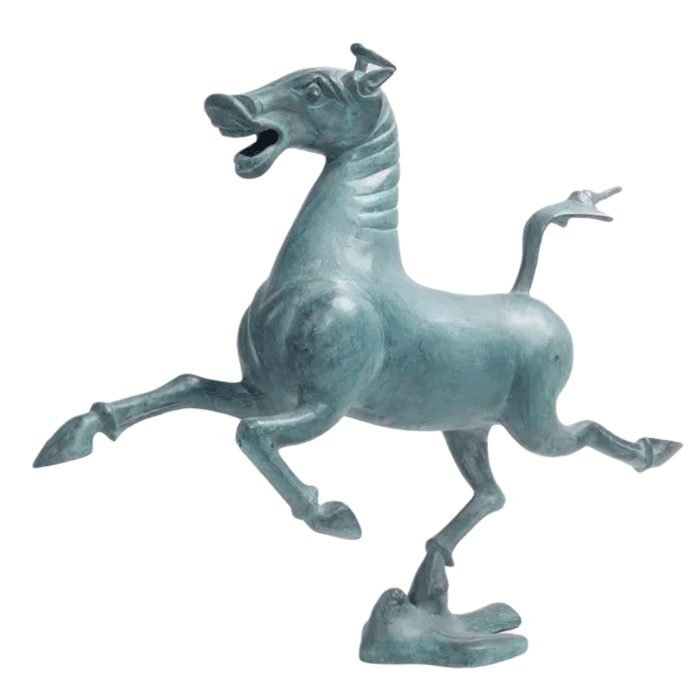
How to create a practical preliminary budget
When no final quote is available yet, buyers can still prepare a useful internal budget. The goal is not to assign an arbitrary tooling number. The goal is to identify the cost categories that need supplier confirmation and to understand how changes in design or quantity may affect commercial viability.
A preliminary budget can be organized into five categories: design development, mold and wax preparation, casting and assembly, finishing and patina, and packaging or logistics preparation. Some projects may also need sampling, dimensional verification, installation planning, or special export packing for fragile projecting elements.
| Budget Category | What It May Include | Questions for the Buyer |
|---|---|---|
| Design development | Reference review, measurements, 3D model work, sculpting, master pattern preparation | Is there a complete model, physical original, or only photographs? |
| Mold preparation | Silicone or rubber mold creation, wax-pattern planning, mold division decisions | Will the design be repeated, resized, or produced in multiple versions? |
| Casting preparation | Gating, runners, shell preparation, casting segmentation, metal-flow planning | Does the object include thin, deep, hollow, or projecting features? |
| Finishing | Welding, chasing, polishing, texture restoration, patina application | What level of historical texture and color matching is required? |
| Protection and shipment | Export-compliant protective packaging for fragile sculptures | Which elements need reinforced protection during transport? |
For internal approval, buyers may compare at least two project scenarios. The first can be a prototype scenario, based on one approved piece with complete development and finishing requirements. The second can be a production scenario, based on the intended batch quantity after design approval. This approach helps decision-makers see how initial development costs relate to projected volume without assuming that every project will have the same tooling structure.
Use a design brief before requesting a quote
A clear request for quotation reduces ambiguity and helps the supplier provide a more meaningful assessment. The design brief should include the following information:
- Product type, such as human statue, animal sculpture, ding, zun, hu vessel, bronze mirror, incense burner, or Buddhist statue.
- Reference materials, including photographs, drawings, scans, 3D files, physical samples, and measurements.
- Required dimensions, scale, target weight if known, and preferred wall thickness.
- Desired bronze appearance, including antique or modern patina direction.
- Required quantity for the first order and expected reorder quantity.
- Whether the request is for an exact replica, an adapted design, or an original custom artwork.
- Indoor or outdoor installation conditions and any mounting requirements.
- Packaging needs, shipping destination, and special protection concerns.
For projects based on figures, buyers may compare visual references with available human bronze statue designs before defining pose, scale, base shape, and surface expectations. A structured brief makes it easier to identify which features are essential and which can be simplified to support a more practical budget.
Prototype versus production run: choosing the right path
A prototype is usually appropriate when the buyer needs to confirm proportions, surface detail, patina, assembly quality, or market response before committing to larger production. It is also valuable when the source reference is incomplete, when a new custom sculpture is still being refined, or when the buyer needs stakeholder approval before proceeding.
A production run may be appropriate once the design, dimensions, finish, and quality standard are clearly approved. The transition from prototype to production should be documented carefully. Buyers should confirm the approved reference images, final dimensions, patina target, permitted tolerances, base details, and packaging expectations. This creates a clearer standard for consistent production planning.
For antique-style projects, it is useful to distinguish between intentional historical character and unacceptable production defects. Surface variation may be part of an antique finish, but casting defects should not be treated as an aesthetic feature unless the buyer has explicitly approved a particular aged or distressed appearance. Luoyang Yichuan Bronze Craft Co., Ltd. conducts quality inspection before every shipment and provides free replacement for casting defects, along with after-sales support for patina touch-ups and restoration guidance.
Questions to ask before approving tooling
- What reference materials are sufficient to begin master development?
- Will the sculpture or vessel be cast as one piece or as multiple assembled sections?
- Which design elements create the highest mold and hand-finishing complexity?
- Can a prototype be reviewed before production quantity is confirmed?
- What finish samples or patina references should be approved in advance?
- What quality checkpoints will be used for dimensions, casting integrity, surface detail, and color?
- How will fragile elements be protected for export shipment?
- What tooling can be retained or reused if a future order is placed?
These questions help buyers avoid focusing only on the initial number. A lower initial estimate may not provide the same replication accuracy, surface control, or protection planning as a properly defined project. The objective is to establish a realistic scope that aligns with the intended market, display environment, and order volume.
Ways to manage tooling costs without weakening the design
Cost management does not always mean reducing artistic quality. It often means making informed choices about where detail is most important. Buyers can preserve the defining elements of a replica while simplifying nonessential features that create difficult mold separation, excessive assembly, or extensive hand chasing.
For example, a buyer may decide that the primary display side of a vessel requires precise ornamental replication while less visible internal areas can follow a simpler construction approach. A large statue may be designed with logical assembly sections that are easier to cast and finish while preserving the intended silhouette. A decorative base may be adjusted to support stable installation without changing the character of the main sculpture.
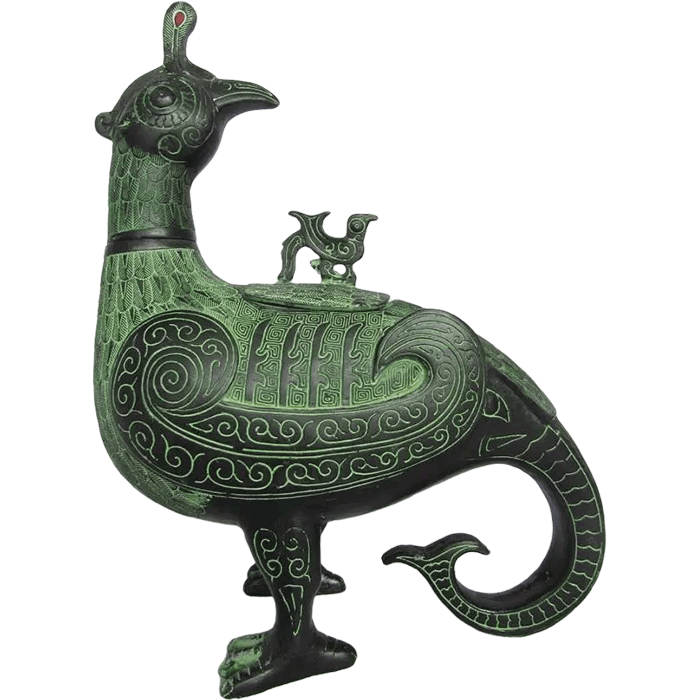
Early discussion is particularly valuable for animal figures with fine limbs, horns, tails, feathers, or openwork features. Reviewing animal bronze statue themes can help buyers identify the level of anatomical detail, movement, and base integration needed for their target design.
Another effective strategy is to standardize dimensions and finishes across a collection. If a buyer plans a series of related mirrors, incense burners, small Buddhist statues, or decorative vessels, using a coordinated size range and consistent patina direction can make the collection easier to specify and evaluate. This does not eliminate the need for individual design assessment, but it can improve clarity during planning.
Partner with a manufacturer that can evaluate the full project
A sound tooling estimate should connect artistic requirements with actual casting, finishing, inspection, and packaging needs. Buyers benefit from working with a manufacturer that understands both traditional bronze craftsmanship and the practical requirements of custom production.
Luoyang Yichuan Bronze Craft Co., Ltd. uses traditional lost-wax casting with premium Cu-Sn bronze alloy and offers hand chasing, polishing, and patina finishing in antique or modern styles. The company can assess custom bronze art projects ranging from individual prototypes to bulk production discussions. Its ISO 9001 quality management system certification and compliance with export quality inspection standards for art crafts support structured quality control for international sourcing requirements.
Before requesting a final quotation, prepare a complete design brief, identify the intended order quantity, and decide which details are non-negotiable. Then ask for a project-specific review of master development, mold requirements, casting structure, finishing, and protective packaging. This process gives buyers a stronger basis for judging whether a bronze replica is commercially viable before committing to production.
For a broader view of the manufacturer’s background and custom production capabilities, visit about Scultmart and prepare your project specifications for professional evaluation.