Estimate Landed Costs for a Vintage Silver Teapot | B2B Guide
How to Accurately Estimate Your Landed Costs for a Vintage Silver Teapot
For B2B buyers, retailers, and collectors, sourcing high-value decorative arts is a venture driven by both passion and profit. The elegance of an antique silver piece can elevate a collection or retail offering, but its true cost extends far beyond the initial price tag. Understanding the total landed cost—the final price paid to get a product from the manufacturer to your warehouse door—is the critical difference between a successful investment and a costly miscalculation. Misjudging freight, duties, or customs fees can quickly erode margins and turn a promising acquisition into a financial liability. This is especially true when dealing with the unique challenges of sourcing a vintage silver teapot, where fragility, value, and international regulations intersect.
Accurate cost estimation requires a methodical approach, one that accounts for every expense along the supply chain. As a company with decades of experience in manufacturing and exporting intricate metal crafts, we understand the complexities of international logistics and quality assurance. Our ISO 9001-certified processes, honed through the production of over 50,000 bronze art pieces annually, provide a framework for managing high-value shipments. This guide will leverage that expertise to break down the components of landed cost, empowering you to create precise budgets, negotiate effectively with suppliers, and confidently assess the profitability of your next acquisition.
Deconstructing the Initial Product Cost: More Than Just the Price Tag
The first figure in any landed cost calculation is the price quoted by the supplier. However, this number is influenced by numerous factors, from international commerce terms (Incoterms) to the intrinsic qualities of the piece itself. A thorough understanding of these elements is essential for making an informed purchase and ensuring you are paying a fair price for the quality you expect.
Understanding the Supplier's Quoted Price (FOB vs. EXW)
When you receive a quote from a manufacturer, it will typically be based on an Incoterm like FOB (Free On Board) or EXW (Ex Works). It is crucial to know the difference:
- EXW (Ex Works): This is the most basic price. The seller makes the goods available at their premises (e.g., their factory). The buyer is responsible for all costs and risks from that point forward, including loading the goods onto a truck, export documentation, and all subsequent shipping.
- FOB (Free On Board): This is a more common term in international trade. The seller is responsible for all costs and risks until the goods are loaded onto the vessel nominated by the buyer at the named port of shipment. This includes local transportation to the port, handling charges, and clearing the goods for export. The buyer's responsibility begins once the goods are on the ship.
Clarifying which Incoterm is being used is your first step. An EXW price will appear lower initially but requires you to manage and pay for more logistical steps. A FOB price provides more clarity on the costs involved in the country of origin, simplifying your side of the calculation.
Factors Influencing the Base Price of the Artwork
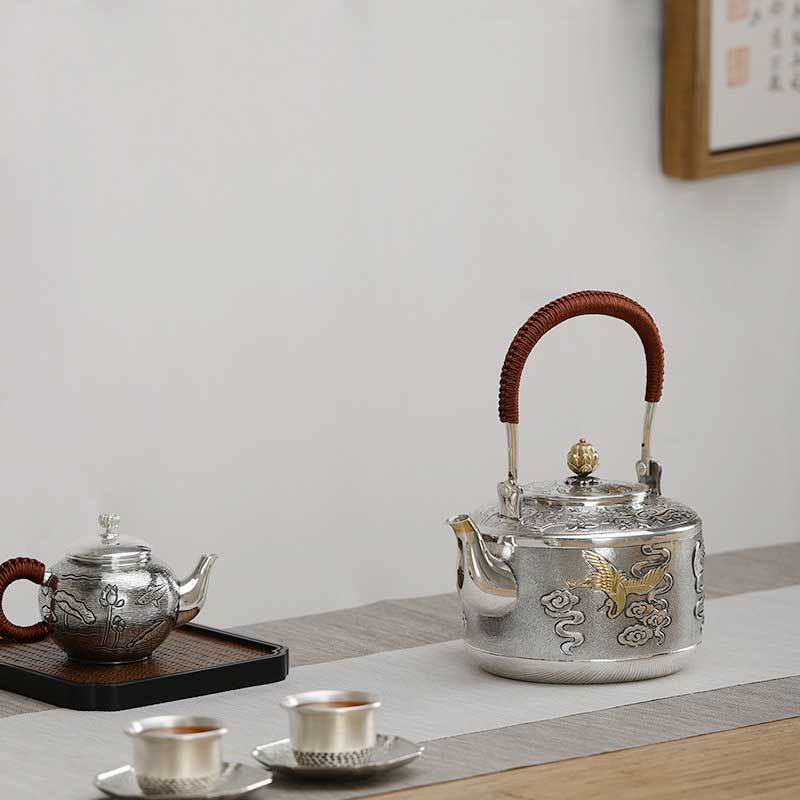
Beyond the shipping terms, the inherent value of the vintage silver teapot itself will determine its base cost. Key considerations include:
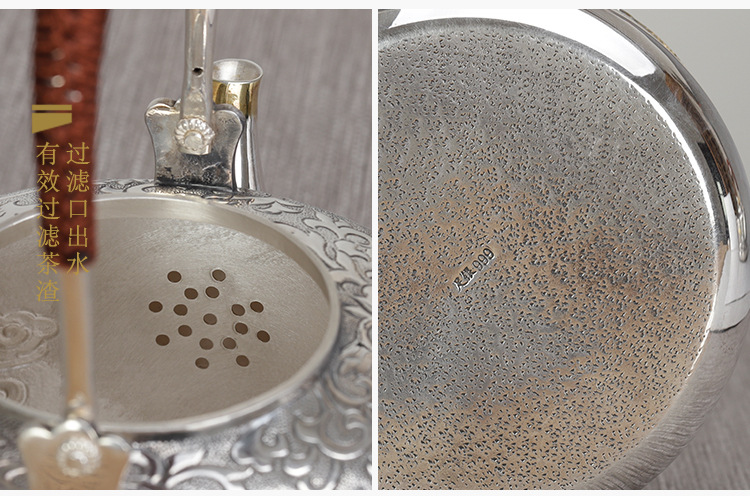
- Material Purity and Weight: Is the item sterling silver (typically 92.5% pure silver) or silver-plated? The difference in material value is substantial. Reputable suppliers should provide clear information and, for high-value pieces, potentially certification of the metal content.
- Craftsmanship, Condition, and Maker's Marks: The level of detail, the skill of the original artisan, and the presence of renowned maker's marks all contribute significantly to the price. Condition is paramount; signs of damage, poor repairs, or excessive wear will devalue a piece. Our expertise in hand-chasing and finishing metal art gives us a deep appreciation for the fine details that define a masterwork. Sourcing an item like intricate handmade silver requires a partner who understands this level of quality.
- Provenance and Rarity: A documented history linking a teapot to a specific period, artist, or owner can dramatically increase its value. Similarly, rare designs or forms are more sought-after by collectors and thus command higher prices.
- Order Volume: While many vintage pieces are one-of-a-kind, if you are sourcing replications or a collection of similar items, volume matters. At Luoyang Yichuan Bronze Craft Co., Ltd., we support everything from a single custom prototype to large production runs, with pricing structured to reflect the scale of the order.
Navigating International Shipping and Freight
Once the product cost is established, the next major component is getting it from the supplier's port to yours. Shipping a delicate vintage silver teapot across continents requires careful planning to balance cost, speed, and safety. Every decision at this stage impacts the final landed cost.
Choosing the Right Shipping Method: Air vs. Sea
Your two primary options for international transit are air freight and sea freight. Each has distinct advantages:
- Air Freight: This is the fastest method, with transit times measured in days rather than weeks. For high-value, relatively lightweight items like a single silver teapot, air freight is often the preferred choice. The higher cost is justified by reduced risk of damage in transit, lower insurance premiums, and faster time-to-market.
- Sea Freight: For larger, heavier, or bulk orders, sea freight is significantly more cost-effective. Shipments are typically managed as LCL (Less than Container Load), where your goods share container space with others, or FCL (Full Container Load). While cheaper, sea freight involves longer transit times and potentially more handling at ports, increasing the need for robust packaging.
The Critical Role of Export-Compliant Protective Packaging
Regardless of the shipping method, packaging is not an area to cut corners. A priceless antique can be rendered worthless by a single impact during transit. We have found that one of the most significant pain points for international buyers is receiving damaged goods due to inadequate packaging. Our process addresses this directly by providing export-compliant protective packaging designed for fragile sculptures. For a silver teapot, this would involve:
- A custom-fit, high-density foam interior to cushion the item and prevent any movement.
- Special attention to delicate components like the spout, handle, and finial.
- A sturdy, double-walled corrugated box or a custom-built wooden crate for maximum protection.
- Desiccant packs to absorb moisture and prevent tarnish during long sea voyages.
Investing in professional packaging from a supplier who understands the rigors of international shipping is essential to protecting your investment.
Unpacking Customs, Duties, and Import Taxes
Successfully navigating customs is a critical hurdle in the import process. Fees, taxes, and duties levied by the destination country's government can represent a significant portion of your total landed cost. Importing a vintage silver teapot involves navigating a complex web of regulations that require precision and expertise.
Understanding Tariffs and HS Codes
Every product imported internationally is classified under a Harmonized System (HS) code. This code determines the rate of duty that will be applied. Using the correct HS code is non-negotiable. An incorrect classification can lead to significant delays, inspections, fines, and the seizure of your goods. An experienced supplier or a licensed customs broker can ensure your shipment is classified correctly. For antiques, there may be special classifications that offer lower duty rates, but this requires proper documentation to prove the item's age.
Calculating Duties and Other Import Taxes
Import duties are typically calculated as a percentage of the CIF value of the goods (Cost + Insurance + Freight). This means the duty is not just on the product price, but on the total cost to get it to the port of destination. In addition to duties, most countries levy other taxes:
- Value-Added Tax (VAT) or Goods and Services Tax (GST): This is a consumption tax applied to nearly all goods and services. The rate varies by country.
- Merchandise Processing Fee (MPF): In the United States, for example, this fee is charged for most imports to cover the cost of processing by Customs and Border Protection.
These percentages can add up quickly. It is highly recommended to consult with a customs broker in your country to get an accurate estimate of the total duties and taxes you will be expected to pay.
The Final Mile: Local Logistics and Quality Assurance
The final leg of your vintage silver teapot's journey—from the destination port to your warehouse—incurs its own set of costs and requires one last, crucial step: a thorough quality inspection.
From Port to Warehouse: Local Charges
Once your shipment has cleared customs, it is not yet at its final destination. You must account for several local charges:
- Port Fees: This can include Terminal Handling Charges (THC) and other fees for the use of port infrastructure.
- Drayage/Trucking: The cost of transporting the container or crate from the port to your facility.
- Unloading Fees: The labor and equipment costs associated with safely unloading the shipment at your warehouse.
The Importance of a Rigorous Quality Inspection
Before you sign off on the delivery, a comprehensive inspection is mandatory. This is your last chance to identify any issues that may have occurred in transit or at the point of manufacture. Our commitment to quality includes a rigorous inspection before every shipment and a guarantee of free replacement for any casting defects. We encourage our clients to adopt the same diligence upon receipt. Check for:
- Transit Damage: Look for any dents, deep scratches, or broken components that were not part of the item's original antique condition.
- Condition Discrepancy: Compare the piece meticulously against the photos and description provided by the supplier.
- Authenticity: Verify maker's marks and material composition as described.
Partnering with a manufacturer who stands behind their work provides peace of mind. To learn more about our commitment to quality and craftsmanship, you can read more about Sculpmart and our production philosophy.
In conclusion, estimating the true cost of a vintage silver teapot is a detailed process that goes far beyond the supplier's invoice. By systematically accounting for product specifications, freight, protective packaging, customs duties, and final-mile delivery, you can build a comprehensive landed cost model. This diligence protects your margins and ensures your investments in beautiful, high-value metal arts are both aesthetically rewarding and commercially successful. For businesses looking to source high-quality metalwork, whether it's antique replications or modern bronze decorations, partnering with an experienced, quality-focused manufacturer is the surest path to success. If you have a unique project in mind, we have the capacity and skill to customize a bronze sculpture or other metal artwork to your exact specifications.