Estimate Import Costs for Sterling Silver Kung Fu Teapots
How to Estimate Import Costs for a Sterling Silver Kung Fu Teapot Before You Commit to a Supplier Quote
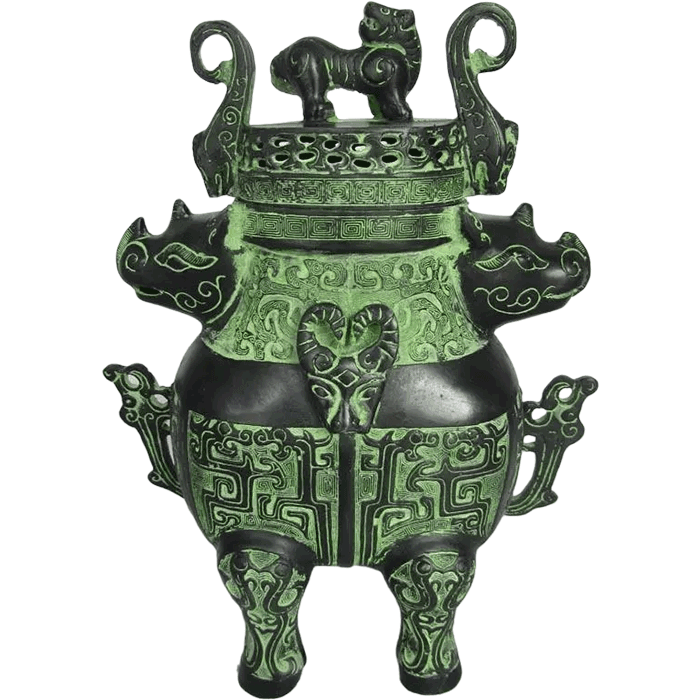
For B2B buyers sourcing fine metal craft items from China — whether a Sterling Silver Kung Fu Teapot, a bronze incense burner, or a cast ding vessel — the hardest part of procurement is rarely finding a supplier. It is building a cost model that holds up once the goods actually clear customs. A quoted unit price on a proforma invoice almost never equals the final landed cost, and buyers who skip this step often discover the gap only after the shipment has left the factory. This guide walks through how to build a realistic import cost estimate and how to use supplier credentials to validate whether a quote is trustworthy in the first place.
Why a Factory Quote Is Only the Starting Point
A silver teapot quote typically covers raw material, labor, and a margin for the workshop. It rarely includes packaging engineered for fragile metalwork, inland trucking to the port, export documentation, ocean or air freight, marine insurance, destination duties, VAT or sales tax, and last-mile delivery. When these line items are missing from a quote, buyers tend to underestimate total cost by 25–45%, depending on shipping mode and destination country. Before comparing two suppliers' numbers side by side, confirm exactly which cost elements each quote actually includes.
This is also where supplier transparency matters. A manufacturer operating under an ISO 9001 quality management system, with documented inspection records before shipment, tends to quote more completely because its internal costing already accounts for compliance and rework contingencies. Workshops without a formal QMS sometimes offer attractively low unit prices that later require renegotiation once packaging or inspection requirements surface.
Breaking Down the Base Unit Price of a Sterling Silver Kung Fu Teapot
Material and Alloy Considerations
Sterling silver pricing is tied directly to the spot price of silver plus a fabrication premium. Because silver commodity prices fluctuate daily, any quote should state the silver price index date it was calculated against, so you can track variance if lead time stretches over several weeks. Buyers comparing a silver teapot against bronze alternatives should also note that bronze alloy (Cu-Sn) pieces — such as those produced using the traditional lost-wax casting method — carry different material economics entirely, since copper-tin alloys are considerably less volatile in price than precious metals.
Craftsmanship and Hand-Finishing Labor
Kung fu teapots with intricate hand chasing, engraving, or cast handles require significantly more skilled labor hours than simple hollowware. Labor cost is usually the second-largest line item after material, and it is where workshop expertise genuinely differentiates price. A production facility staffed with dedicated casting masters and finishing artisans — rather than general metalworkers — typically justifies a higher labor rate because surface finishing, patina matching, and joinery tolerances are more consistent across a production run.

Freight, Insurance, and Customs Duties for Fragile Metal Art Shipments
Once the base craftsmanship price is confirmed, the next variable is logistics. Silver and bronze art pieces are dense, which makes air freight costly per kilogram but ocean freight far more economical for larger consolidated orders. For small pilot orders — including a single custom prototype — air freight with proper crating is often worth the premium simply to reduce handling risk.
- Packaging: Export-grade protective packaging for fragile sculptures and vessels (foam-lined wooden crates, moisture barriers) typically adds 3–8% to unit cost but substantially reduces damage claims.
- Insurance: Marine or air cargo insurance generally runs 0.3–0.6% of the declared cargo value and is non-negotiable for high-value silver or bronze shipments.
- Duties and taxes: Import duty rates for silverware and bronze art pieces vary by country and HS code classification — jewelry-grade silver items are often classified differently from decorative bronze statuary, so confirm the correct HS code with your customs broker before finalizing a budget.
- Destination handling: Port handling, customs clearance fees, and last-mile trucking should be quoted separately by your freight forwarder, not estimated as a flat percentage.
Buyers who regularly import Chinese bronze sculpture and related metal craft items find it useful to build a standing cost template with these categories pre-filled, updating only the base unit price and freight mode for each new quote. This turns cost comparison into a repeatable process rather than a one-off calculation.
Validating the Quote Against Supplier Credentials
Price alone does not tell you whether a quote is reliable. Before finalizing an order, cross-check it against concrete supplier facts rather than marketing claims:
Production Capacity and Scale
A workshop producing over 50,000 bronze art pieces annually across a 3,000-square-meter production facility with more than 30 skilled craftsmen has the infrastructure to handle both single custom prototypes and bulk production runs without quality drift between batches — an important factor when a quote covers a repeat order rather than a one-time purchase.
Quality Assurance Terms
Ask whether the quote includes pre-shipment inspection and what happens if a casting defect is found after delivery. Suppliers that offer free replacement for casting defects and after-sales support for patina touch-ups are effectively building risk mitigation into their pricing model, which is worth more than a marginally lower unit price from a supplier with no such policy.
MOQ Flexibility
For buyers still validating a design or market before committing to volume, a manufacturer willing to accept an MOQ starting from a single custom sculpture — with bulk pricing negotiated separately based on size and design complexity — makes it far easier to run a true landed-cost pilot shipment before scaling up.
These same credentials apply whether you are sourcing a handmade silver teapot or a cast bronze vessel, since both categories depend on consistent casting, finishing, and inspection discipline rather than on the metal type alone.
Comparing Silver and Bronze Import Economics Side by Side
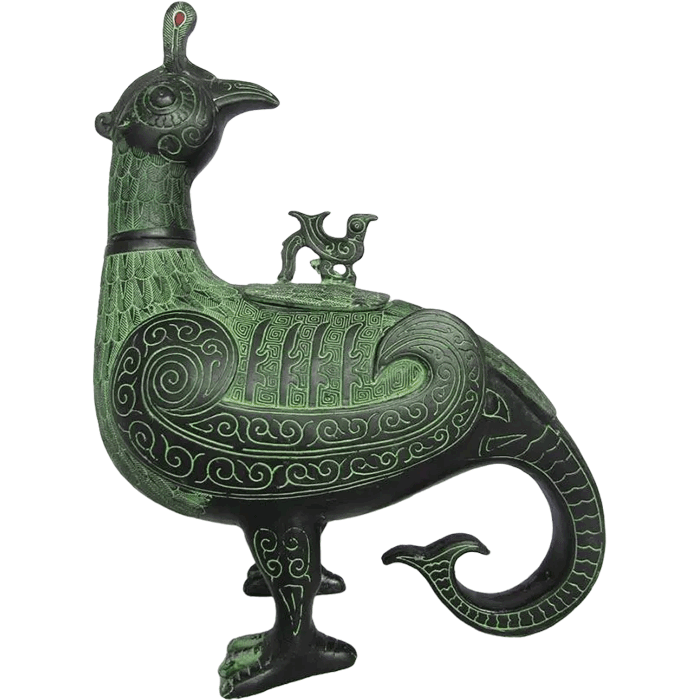
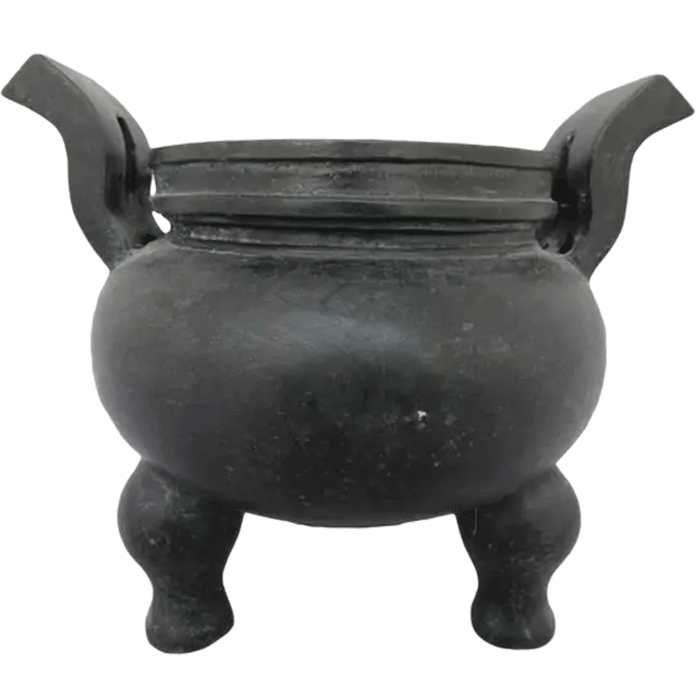
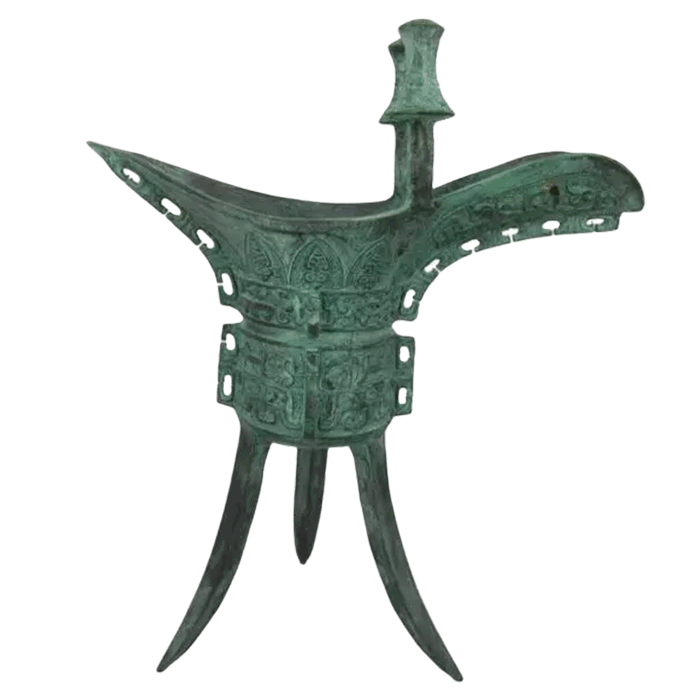
Many B2B buyers sourcing decorative metalware end up comparing a Sterling Silver Kung Fu Teapot against bronze alternatives for the same budget line — incense burners, ding tripods, zun vessels, or Buddhist statues. Bronze pieces, particularly those produced through traditional lost-wax casting, generally offer lower raw material volatility and a broader range of achievable finishes, from antique patina to modern polished surfaces. If your sourcing plan includes both categories, it is worth reading background on Chinese bronze sculpture craftsmanship to understand how casting method and alloy composition influence both price and durability over time.
For buyers who want to see how historical bronze forms inform modern reproduction pricing, the evolution of casting techniques over centuries is well documented in resources covering the evolution of bronze culture over 2000 years, which helps explain why certain vessel shapes and surface treatments command a craftsmanship premium regardless of which metal is used.
Building a Realistic Cost Model: A Practical Checklist
| Cost Category | Typical Range (% of base unit price) | Notes |
|---|---|---|
| Base unit price (material + labor) | 100% | Confirm silver spot price date or alloy composition |
| Export packaging/crating | 3–8% | Higher for fragile or oversized pieces |
| Freight (ocean or air) | 5–20% | Depends on volume, weight, and mode |
| Insurance | 0.3–0.6% | Based on declared cargo value |
| Import duty and tax | Varies by HS code and country | Confirm classification before ordering |
| Customs clearance/handling | 2–5% | Quoted separately by freight forwarder |
Running every quote through this same grid before comparing suppliers prevents the common mistake of treating the lowest unit price as the lowest total cost. A slightly higher base price from a manufacturer with ISO 9001 certification, documented pre-shipment inspection, and export-compliant packaging often results in a lower total landed cost once damage claims, customs delays, and rework are factored in.
Final Considerations Before Placing an Order
Whether your procurement plan centers on a Sterling Silver Kung Fu Teapot, a set of bronze vessels, or custom Buddhist statuary, the discipline is the same: request itemized quotes, confirm what is and is not included, and weigh supplier credentials against price rather than price alone. If you are exploring a bespoke design, it is worth reviewing how to customize a bronze sculpture through a workshop that can scale from prototype to production run, since the same cost-validation principles apply across both silver and bronze product lines. Buyers planning a first-time import should also read supplier background pages — such as an about sculpmart overview — to confirm production scale, certifications, and after-sales terms before wiring a deposit.
A well-built cost estimate protects margin, prevents surprise invoices from customs brokers, and gives you a defensible number to present internally when approving a purchase order. Treat the first quote as a draft, not a final figure, and use the checklist above to turn it into an accurate landed-cost projection before you sign off.