Estimate Import Costs for Ancient Style Bronze Statues
A Comprehensive Guide to Estimating Import Costs for Ancient Style Bronze Statues
For galleries, collectors, architectural firms, and interior designers, sourcing authentic, high-quality bronze artwork is a critical business function. The process of importing these pieces, however, involves a complex cost structure that extends far beyond the initial price tag. Creating an accurate budget requires a thorough understanding of every expense, from the foundry floor to your final destination. Miscalculations can lead to unexpected charges, project delays, and diminished profit margins. This guide provides a detailed framework for estimating the total landed cost when importing high-quality ancient style bronze statues, ensuring you can plan your procurement with confidence and financial clarity.
At Luoyang Yichuan Bronze Craft Co., Ltd., we believe in transparent partnerships. As an ISO 9001 certified manufacturer with decades of experience, we not only produce exquisite bronze art but also guide our B2B clients through the complexities of international sourcing. By understanding the full cost picture, you can make informed decisions about product specifications, order volumes, and shipping methods, ultimately optimizing your investment in timeless art.
The Foundation of Your Budget: Understanding Ex-Works (EXW) Pricing
The first and most significant component of your import budget is the Ex-Works (EXW) price. This is the cost of the finished product at our factory gate in Yichuan County, Luoyang, before any shipping, insurance, or customs fees are applied. The EXW price is not arbitrary; it is a direct reflection of the materials, skill, and labor invested into creating each piece. Several key factors influence this foundational cost.
Material and Craftsmanship
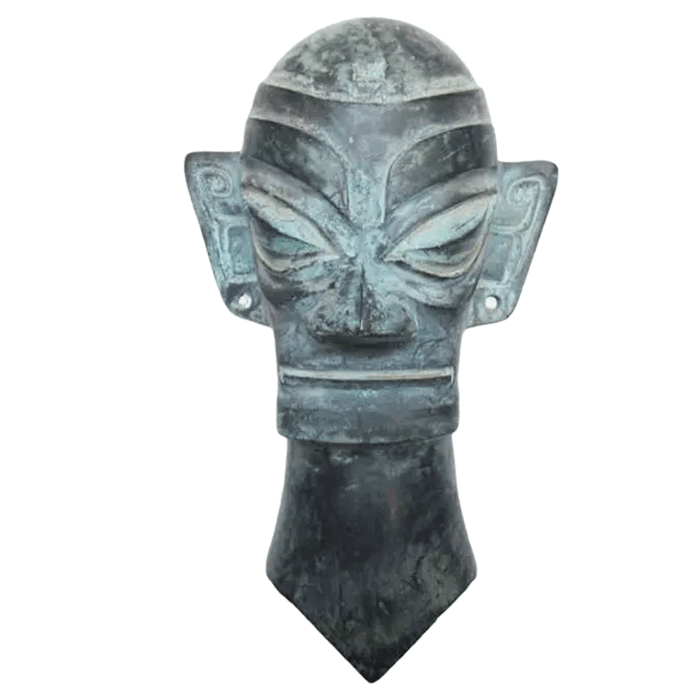
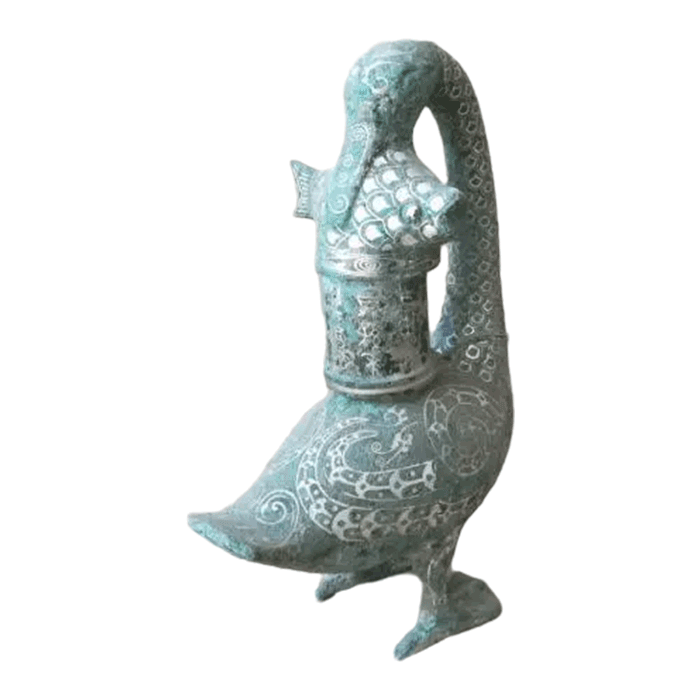
The intrinsic value of any bronze sculpture begins with its core material. We utilize a premium bronze alloy (Cu-Sn), known for its durability, casting fidelity, and ability to develop a rich, complex patina over time. Understanding the difference between bronze and brass is crucial for sourcing authentic, lasting artworks. Our commitment to quality is rooted in the traditional lost-wax casting method, a painstaking process that allows for the highest level of detail and artistic expression. This ancient technique, executed by our team of over 30 skilled craftsmen, including master casters and finishing artisans, ensures that every sculpture is a faithful realization of the intended design, whether it is an exact replication of an antique or a modern custom creation.
Design Complexity and Scale
The size and intricacy of a sculpture are major drivers of its cost. A larger-than-life human statue or a detailed animal figure with complex texturing requires significantly more raw material, a more elaborate mold, and more hours of meticulous hand-finishing. Our artisans specialize in hand chasing, polishing, and patina application to achieve both antique and contemporary aesthetics. A crucial service we offer is consistent patina color matching across multiple pieces in a bulk order—a common sourcing pain point for B2B buyers. The more complex the design and the more demanding the finishing requirements, the greater the investment in skilled labor, which is reflected in the EXW price.
Order Volume and Production
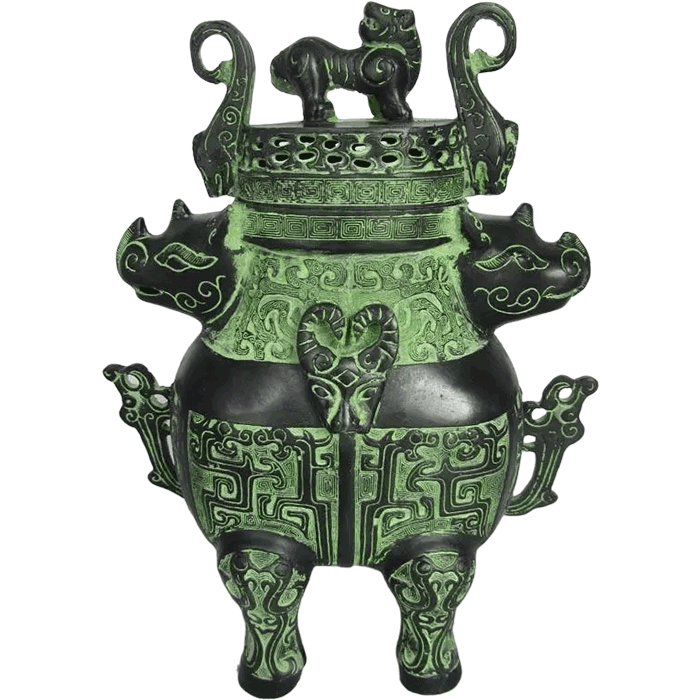
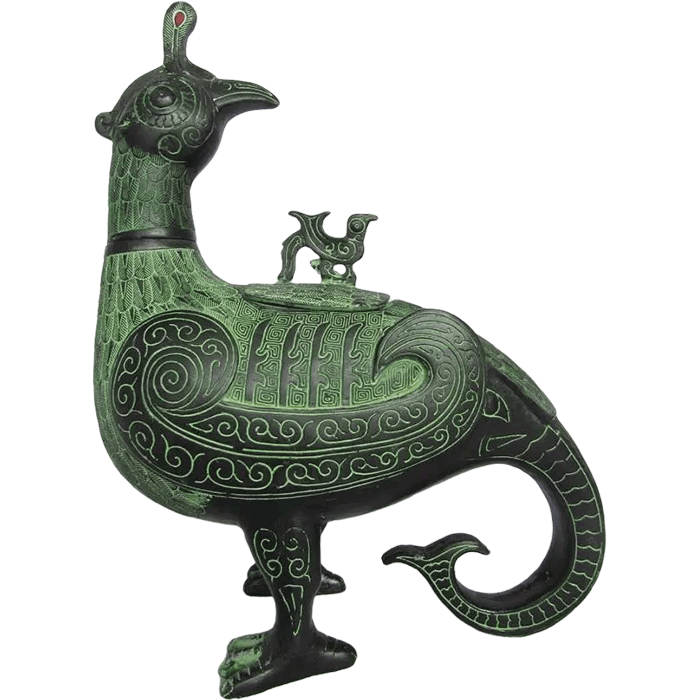
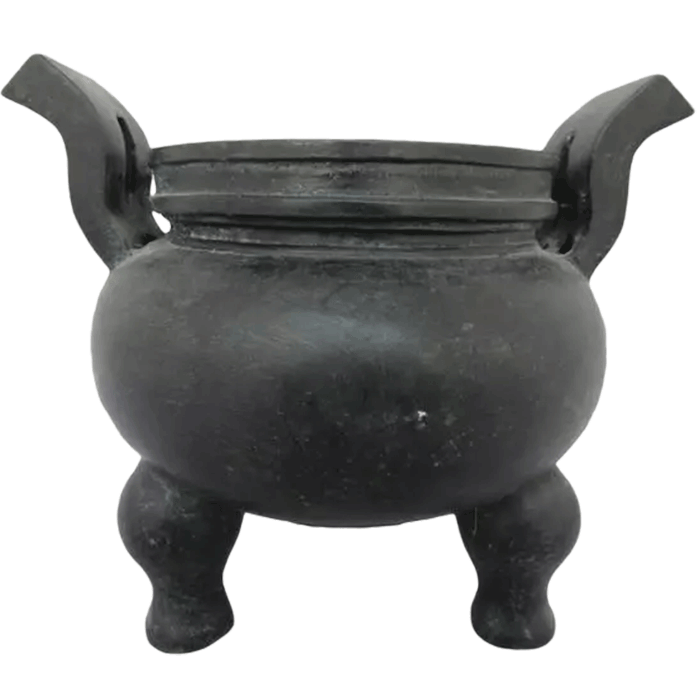
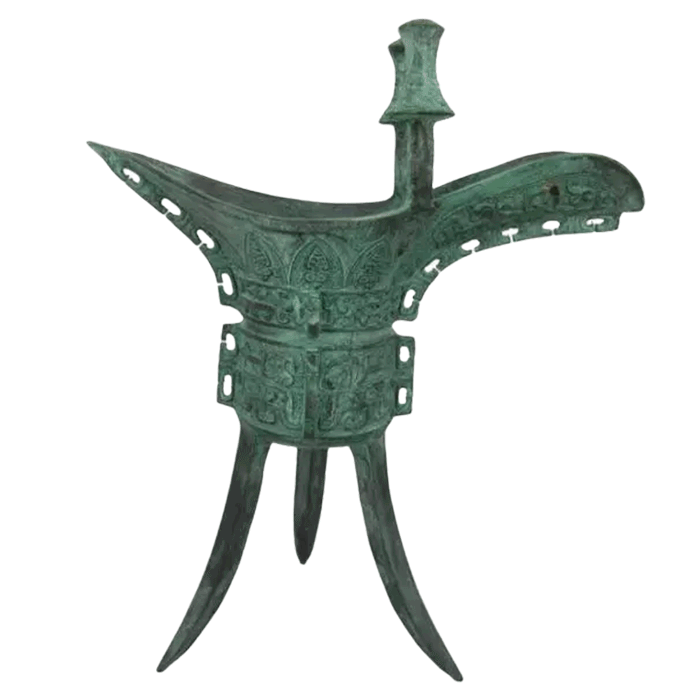
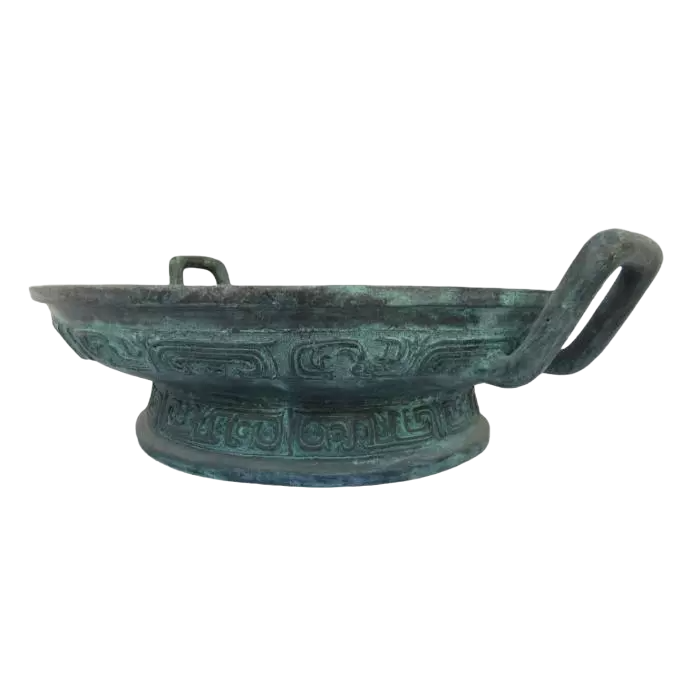
Our 3,000-square-meter production facility has an annual output of over 50,000 bronze art pieces, giving us the flexibility to handle diverse order sizes. We proudly support everything from a single custom prototype to large-scale bulk production runs. For custom sculptures, our Minimum Order Quantity (MOQ) starts at just one piece, allowing for unique commissions and sampling. For bulk orders of our catalog items, such as chinese bronze sculpture and vessels, pricing is negotiable based on the quantity, size, and design complexity. Economies of scale in material procurement and production scheduling can lead to a lower per-unit cost on larger orders, a factor to consider during your budgeting phase.
Navigating Global Logistics: Freight and Shipping Costs
Once your order is complete and has passed our rigorous pre-shipment quality inspection, the next major cost category is logistics. Moving heavy, high-value art across continents requires careful planning and a clear understanding of the available options and associated terminology.
Choosing Your Transport Method
The choice between sea and air freight is a classic trade-off between cost and speed.
- Ocean Freight: This is the most cost-effective method for large, heavy, or bulk orders. For smaller shipments, Less than Container Load (LCL) allows you to share container space with other importers. For larger orders, a Full Container Load (FCL) provides a dedicated container. While significantly cheaper, ocean freight is slower, with transit times ranging from a few weeks to over a month, depending on the destination.
- Air Freight: For time-sensitive projects, single custom prototypes, or smaller, high-value items, air freight is the fastest option. However, the cost can be many times higher than ocean freight, calculated based on actual weight or volumetric weight, whichever is greater. This option is ideal when speed is the absolute priority.
The Importance of Incoterms
International Commercial Terms, or Incoterms, are a set of globally recognized rules that define the responsibilities of sellers and buyers. Understanding the agreed-upon Incoterm is essential for accurate budgeting. Common terms include:
- EXW (Ex-Works): You, the buyer, are responsible for all costs and risks from our factory door.
- FOB (Free on Board): We are responsible for costs until the goods are loaded onto the vessel at the designated port of origin. You take over cost and risk from that point.
- CIF (Cost, Insurance, and Freight): We cover the cost of the goods, insurance, and freight to the destination port. You are responsible for import clearance and any costs after arrival.
Clarifying the Incoterm during the quotation phase prevents any ambiguity about who pays for each segment of the journey.
Protective Packaging for High-Value Art
Improper packaging can turn a beautiful sculpture into a costly write-off. We address this critical sourcing pain point by providing export-compliant protective packaging specifically designed for fragile and irregularly shaped bronze sculptures. Our multi-layer approach, often involving soft wraps, custom-fitted foam, and sturdy wooden crates, ensures your investment is protected against the rigors of international transit. This attention to detail minimizes the risk of damage, saving you from expensive claims and project delays.
Clearing Customs: Duties, Taxes, and Associated Fees
Successfully navigating customs in your home country is a critical step that involves several potential costs. These fees are determined by your country's government and are non-negotiable, making them an essential part of your budget.
Harmonized System (HS) Codes for Artworks
Every product imported internationally is classified under a Harmonized System (HS) code. This code determines the rate of duty that will be applied. Bronze sculptures and art crafts typically fall under Chapter 97 of the HS code system, "Works of Art, Collectors' Pieces and Antiques." For example, original sculptures may be classified under HS Code 9703.00. It is vital to work with your customs broker to identify the correct HS code for your specific product, as misclassification can lead to fines and delays.
Calculating Duties and Taxes
Once the HS code is determined, you can calculate the primary import costs:
- Customs Duty: This is a tariff levied by your government, calculated as a percentage of the total value of the goods (usually the CIF value). Rates vary widely between countries.
- Value-Added Tax (VAT) / Goods and Services Tax (GST): Many countries apply a consumption tax on imported goods. This is typically calculated on the CIF value plus the customs duty, making it a significant expense.
These taxes and duties are mandatory and must be paid before customs will release your shipment.
The Role of a Customs Broker
For most businesses, hiring a licensed customs broker is a wise investment. A broker handles the complex paperwork, ensures compliance with all import regulations, and communicates with customs officials on your behalf. Their fee is a predictable cost that can save you from much larger expenses related to clearance delays, storage fees (demurrage), or penalties for incorrect declarations.
The Final Stage: Last-Mile Delivery and Risk Management
Your budgeting process isn't complete once the shipment clears customs. The final phase involves moving the goods from the port to your final destination and ensuring you are protected against unforeseen events.
Inland Transportation Costs
After your bronze statues are released from the port, you will need to arrange for them to be transported to your warehouse, gallery, or project site. This "last-mile" delivery cost will depend on the distance, the size and weight of the crates, and whether you require specialized equipment like a lift-gate truck for unloading.
Comprehensive Cargo Insurance
While we guarantee our products with a free replacement for any casting defects discovered upon receipt, comprehensive cargo insurance is essential to protect against loss or damage that occurs during transit. Shipping carriers have limited liability, which is often insufficient to cover the full value of fine art. A separate cargo insurance policy provides peace of mind and financial protection from the moment the shipment leaves our facility until it is safely in your possession. We can assist in arranging this insurance as part of a CIF agreement or you can secure it through your freight forwarder or a third-party provider.
Building a Reliable Supply Chain with Luoyang Yichuan Bronze Craft
Estimating the total landed cost of imported bronze art requires careful attention to detail across multiple stages. By breaking down the budget into its core components—EXW price, logistics, customs fees, and final delivery—you can approach international sourcing with confidence. Partnering with an experienced and transparent manufacturer is the most effective way to streamline this process.
At Luoyang Yichuan Bronze Craft Co., Ltd., we are more than just a supplier; we are your strategic partner in bringing exceptional bronze art to the global market. Our ISO 9001 certified quality management system, compliance with export quality inspection standards, and comprehensive after-sales support—including patina touch-up and restoration guidance—provide a foundation of trust and reliability. We solve the most challenging aspects of sourcing, from achieving perfect antique replications to ensuring your fragile sculptures arrive safely. To begin planning your next project and receive a detailed, transparent quotation, we invite you to customize a bronze sculpture from sculpmart.com or contact our team today.