Estimate Chinese Antique Silver Tea Service Costs
Understanding the Valuation and Acquisition Costs of a Chinese Antique Silver Tea Service
The allure of antique silver, particularly a meticulously crafted Chinese antique silver tea service, extends beyond its material value, encompassing centuries of artistry, cultural significance, and historical narrative. For collectors, institutions, and connoisseurs, understanding the multifaceted factors that determine the cost of such a treasure is paramount before engaging in acquisition, whether through auctions, reputable dealers, or private sales. Estimating the true value of these exquisite pieces requires a discerning eye, deep historical knowledge, and an appreciation for the intricate craftsmanship that defines them. This guide aims to demystify the valuation process, providing a comprehensive framework for assessing potential costs and ensuring informed decisions in the competitive world of antique art.
The Intricacies of Valuing Antique Silver Craftsmanship
Valuing any antique, let alone a specialized piece like a Chinese antique silver tea service, is a complex endeavor that goes far beyond simply weighing the silver content. It involves a meticulous examination of numerous attributes, each contributing significantly to the item's overall market appeal and monetary worth. The antique market is dynamic, and prices can fluctuate based on trends, availability, and expert consensus.
Material Purity, Hallmarks, and Maker's Marks
The fundamental material composition is a starting point. While the term "silver tea service" might suggest a uniform standard, the purity of the silver can vary. Sterling silver (92.5% pure silver) is a common benchmark for high-quality items, but earlier or regional pieces might have different assays. Hallmarks and maker's marks are critical identifiers, often stamped onto the silver. These tiny symbols can reveal the silver's purity, the artisan or workshop responsible for its creation, the city of origin, and even the exact year it was assayed. For Chinese antique silver, these marks can be particularly intricate, often incorporating Chinese characters, reign marks, or specific symbols that denote imperial workshops or renowned silversmiths. The presence of clear, authentic marks significantly enhances an item's value, providing irrefutable evidence of its origin and quality. Conversely, their absence or illegibility can introduce uncertainty, potentially diminishing value or raising questions about authenticity.
Historical Significance and Provenance
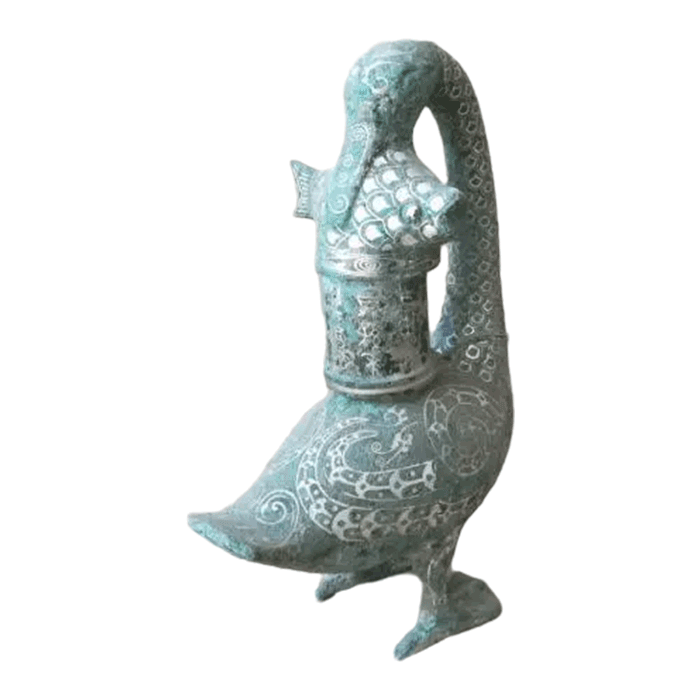
Every antique carries a story, and for a the evolution of bronze culture over 2000 years, its historical context is invaluable. Pieces associated with significant historical events, imperial families, or prominent figures command higher prices. Documented provenance—the unbroken chain of ownership—is a powerful validator of authenticity and can add layers of prestige. A tea service once owned by a Qing Dynasty official or a prominent merchant family, with verifiable records, will naturally be more sought after than an identical piece with an unknown past. Such historical documentation not only enriches the narrative but also mitigates the risk of acquiring a reproduction or a piece with questionable origins.
Rarity and Uniqueness
In the world of collectibles, scarcity often equates to value. A Chinese antique silver tea service that is exceptionally rare, perhaps one of a very few known examples, or a unique prototype, will naturally fetch a premium. This rarity might stem from limited production runs, the destruction of similar items over time, or the exceptional skill required to produce a one-of-a-kind design. Uniqueness, whether in design, size, or decorative motifs, also contributes significantly. A tea service featuring an unusual combination of traditional Chinese motifs or a distinctive form not commonly seen can capture the attention of serious collectors looking to differentiate their collections.
Condition and Restoration
The physical condition of an antique is a primary determinant of its worth. An item in pristine, original condition, free from dents, significant scratches, or repairs, will always be more valuable. However, given the age of these pieces, some degree of wear is expected and often acceptable. Professional, sympathetic restoration carried out by skilled conservators can maintain or even enhance value, especially if it prevents further deterioration. Poorly executed repairs, heavy polishing that removes original patina, or the replacement of original components with non-period parts can severely diminish an item's appeal and financial worth. The debate over patina—the natural oxidization layer that develops on silver over centuries—is also crucial; many collectors prefer an untouched, aged patina as evidence of authenticity and history, while others may prefer a polished, reflective surface.
Key Factors Influencing the Market Value of a Chinese Antique Silver Tea Service
Delving deeper into the valuation process, several specific elements stand out as crucial in shaping the final market price of these cherished antiques. These factors require careful consideration and often the expertise of specialists to fully appreciate their impact.
Provenance and Historical Documentation
As touched upon, the documented history of ownership is a cornerstone of antique valuation. A strong provenance not only assures authenticity but also imbues the object with a narrative that can significantly increase its desirability. This includes records of purchase, exhibition history, mentions in scholarly publications, or even old photographs showing the item in its historical context. Collectors often seek pieces with verifiable histories, as these provide a tangible link to the past and offer a degree of security in their investment. For high-value items, the more complete and credible the provenance, the higher the confidence in its market value.
Craftsmanship and Artistic Embellishment
The level of artistry and technical skill invested in creating a Chinese antique silver tea service is a powerful value driver. Hand-chasing, intricate engraving, repoussé work (where designs are hammered from the reverse side to create a raised effect), filigree, and enameling are all indicators of superior craftsmanship. The complexity of the decorative motifs, often drawing from rich Chinese cultural symbolism—dragons, phoenixes, landscapes, auspicious characters—speaks to the artisan's mastery and the aesthetic values of the period. Items that display exceptional detail, balance, and artistic innovation will always command higher prices than those with simpler, less refined embellishments. The difference between a masterwork and a utilitarian piece can be thousands, if not tens of thousands, of dollars. The skill involved in such detailed metalwork is a testament to the artisan's dedication and the cultural emphasis on beauty and precision.
Condition, Restoration, and Patina
A thorough assessment of condition is non-negotiable. Beyond obvious damage, experts look for subtle signs of wear, previous repairs, and alterations. The integrity of the original components, such as ivory or bone handles, hinges, and finials, is also considered. While some restoration is often necessary for very old pieces, the quality and extent of that restoration are critical. Expertly conserved pieces that retain their original character and patina are preferred. The natural oxidation that forms on silver over time provides a protective layer and a visual testament to its age. Disrupting this patina with aggressive cleaning or polishing can diminish its historical integrity and market value. Many collectors prioritize originality and an authentic aged appearance over a highly polished, new-like finish.
Market Demand and Auction Performance
The antique market is subject to trends and demand, which can significantly influence prices. Researching recent auction results for comparable Chinese antique silver tea services is an essential step in estimating costs. This provides real-world data on what collectors are currently willing to pay. Factors such as the overall economic climate, the popularity of specific periods or styles, and even geopolitical events can affect market demand. Specialized auction houses and reputable dealers often track these trends, providing valuable insights. A tea service from a highly sought-after period, or one that aligns with current collecting tastes, will likely achieve a higher price than one from a less popular era, even if its intrinsic quality is comparable.
Navigating the Acquisition Process for High-Value Antiques
Acquiring a significant antique, especially a valuable Chinese antique silver tea service, requires a strategic approach to mitigate risks and ensure a successful purchase. This process involves careful sourcing, diligent research, and often, professional guidance.
Sourcing Channels and Due Diligence
The choice of sourcing channel is crucial. Reputable auction houses, established antique dealers specializing in Asian art, and trusted private collectors are generally the safest avenues. These sources often provide a degree of authentication, provenance documentation, and guarantees of authenticity. Online marketplaces can be an option, but they necessitate heightened caution and independent verification. Regardless of the source, comprehensive due diligence is essential. This involves requesting detailed condition reports, high-resolution photographs, and any available provenance documentation. For custom pieces or specific replicas, engaging with a specialist company that can customize a bronze sculpture from sculpmart.com can offer a reliable alternative, ensuring quality and adherence to historical specifications.
Expert Consultation and Appraisal
Engaging independent experts—appraisers specializing in Chinese silver, art historians, or conservators—is highly recommended before making a significant investment. These professionals can provide unbiased assessments of authenticity, condition, historical significance, and market value. Their expertise can uncover subtle details, past repairs, or even identify forgeries that an untrained eye might miss. An official appraisal can also be vital for insurance purposes post-acquisition. The cost of an expert appraisal is a worthwhile investment, potentially saving buyers from costly mistakes or ensuring they pay a fair price.
Negotiation Strategies and Legal Considerations
Once a potential piece has been identified and vetted, negotiation is often part of the process, particularly with dealers. Understanding the market value, as determined by your research and expert appraisals, provides leverage. Be prepared to discuss prices, payment terms, and any conditions of sale. For high-value international transactions, consider legal counsel to ensure contracts are robust and compliant with relevant import/export regulations, cultural heritage laws, and taxation requirements. Clear agreements on authenticity guarantees, return policies, and dispute resolution are paramount.
Insurance and Secure Transport
After acquisition, the safe transit and long-term protection of your Chinese antique silver tea service are critical. Arrange for comprehensive insurance coverage from the point of sale through transport and into its permanent location. Specialized art shippers are recommended for their expertise in handling fragile and valuable items, offering climate-controlled packing, custom crating, and secure transportation methods. Proper display and storage conditions, including controlled humidity and temperature, are also vital for preservation, preventing tarnish, corrosion, and physical damage over time.
The Role of Expert Craftsmanship in Preserving and Replicating Artistic Heritage
The principles governing the valuation and acquisition of a Chinese antique silver tea service—authenticity, craftsmanship, provenance, and meticulous preservation—are not unique to silver. They resonate deeply across the entire spectrum of antique art and collectibles, particularly within the domain of fine metalwork. This is where the expertise of companies like Luoyang Yichuan Bronze Craft Co., Ltd. becomes invaluable, even for those focused on silver. While our primary specialization lies in bronze, the foundational skills, rigorous quality standards, and profound respect for historical artistry that define our work are directly transferable and relevant to understanding and appreciating any form of high-end antique craftsmanship.
Luoyang Yichuan Bronze Craft Co., Ltd. has established itself as a leader in the creation of exceptional bronze art pieces. Our commitment to quality is underscored by our about scultmart and comprehensive ISO 9001 quality management system certification, ensuring that every product complies with stringent export quality inspection standards for art crafts. With an impressive annual output of over 50,000 bronze art pieces, we possess the capacity and flexibility to support a wide range of projects, from the creation of a single custom prototype to large-scale bulk production runs. Our minimum order quantity (MOQ) for custom sculptures starts from just one piece, offering unparalleled flexibility for individual collectors, designers, or institutions seeking unique commissions. Bulk orders are always negotiable, tailored to the specific size and design complexity of the project.
Our production facilities, spanning 3,000 square meters in Yichuan County, Luoyang, Henan Province, are home to over 30 highly skilled craftsmen. This includes venerable bronze-casting masters whose knowledge has been honed over decades, and finishing artisans who specialize in the intricate details of hand chasing, polishing, and patina application. We exclusively utilize premium bronze alloy (Cu-Sn), which is cast with the traditional lost-wax method—a technique revered for its ability to capture the finest details and ensure the structural integrity of complex designs. Our finishing capabilities are extensive, offering both antique and modern patina looks, meticulously applied by hand to achieve the desired aesthetic and historical accuracy.
We pride ourselves on solving critical pain points often encountered in custom bronze art sourcing. This includes the exact replication of antique bronzes, a skill that demands not only technical precision but also a deep understanding of historical styles and material properties. Our artisans excel at consistent patina color matching, a crucial factor for multi-piece sets or additions to existing collections. Furthermore, we address the logistical challenges of international shipping with export-compliant protective packaging specifically designed for fragile sculptures, ensuring that each piece arrives in pristine condition. Our dedication to client satisfaction extends beyond delivery, with a rigorous quality inspection before every shipment, a free replacement policy for any casting defects, and ongoing after-sales support for patina touch-ups and restoration guidance.

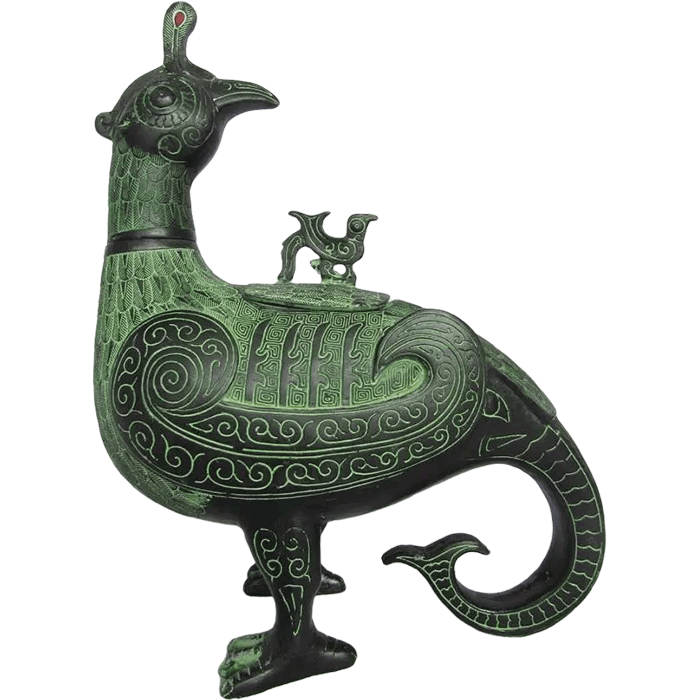
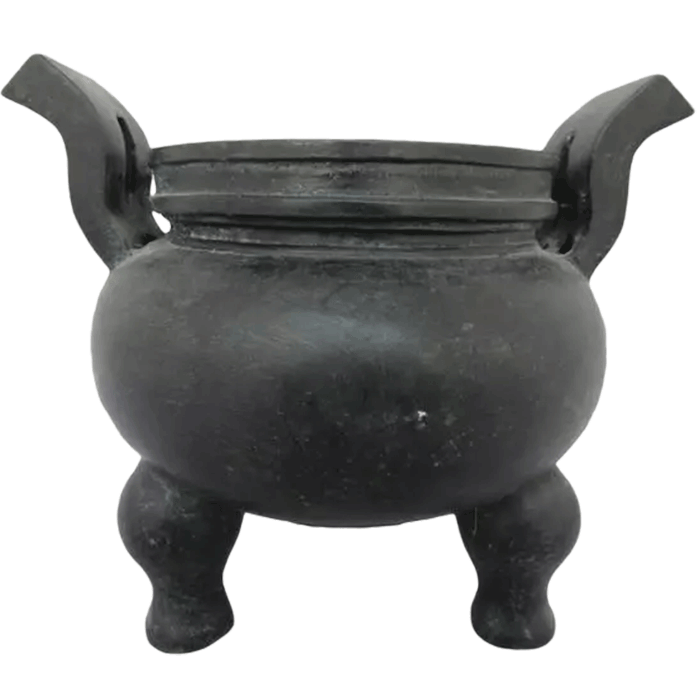
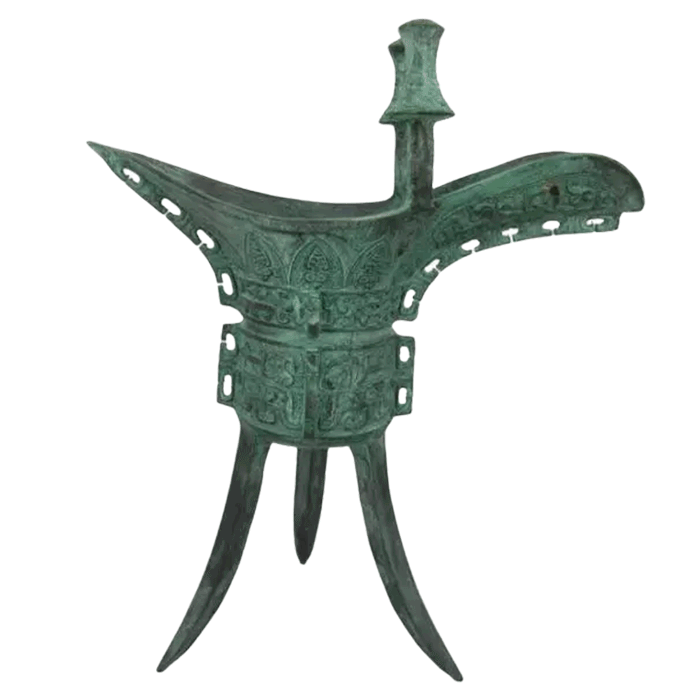
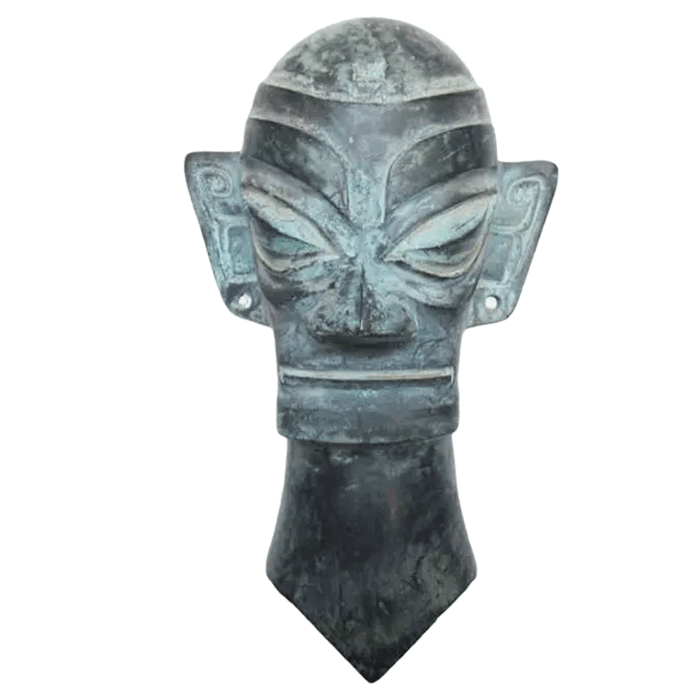
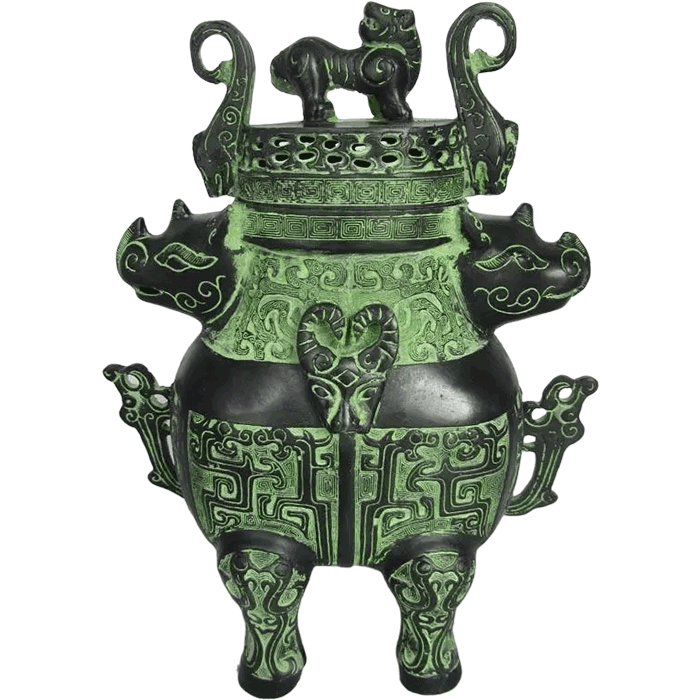
Our expansive product range encompasses a variety of bronze items, including human and animal sculptures, historically significant bronze vessels such as ding, zun, and hu tripods and vases, elegant bronze mirrors, intricate bronze incense burners, and serene bronze Buddhist statues. Beyond these standard offerings, our custom bronze artworks service allows clients to bring any vision to life, leveraging our masters' expertise in design, casting, and finishing. The meticulous attention to detail, the pursuit of historical accuracy, and the unwavering commitment to quality that define our bronze craft are precisely the qualities that are essential when evaluating or seeking to reproduce any high-value antique, including a Chinese antique silver tea service. Our understanding of material science, artistic tradition, and the delicate processes of preservation and replication makes us a knowledgeable partner for anyone with an interest in the enduring legacy of fine antique craftsmanship.
In conclusion, while the search for an authentic Chinese antique silver tea service presents its unique challenges, the underlying principles of discerning value and ensuring authenticity are universal across the realm of antique art. Whether you are actively seeking to acquire a historical silver tea service or considering commissioning a custom art piece, partnering with experts who possess a deep understanding of traditional craftsmanship, material integrity, and rigorous quality control is paramount. Luoyang Yichuan Bronze Craft Co., Ltd. stands as a testament to these enduring values, offering unparalleled expertise in the creation and replication of fine art, ensuring that the legacy of masterful craftsmanship continues to thrive.