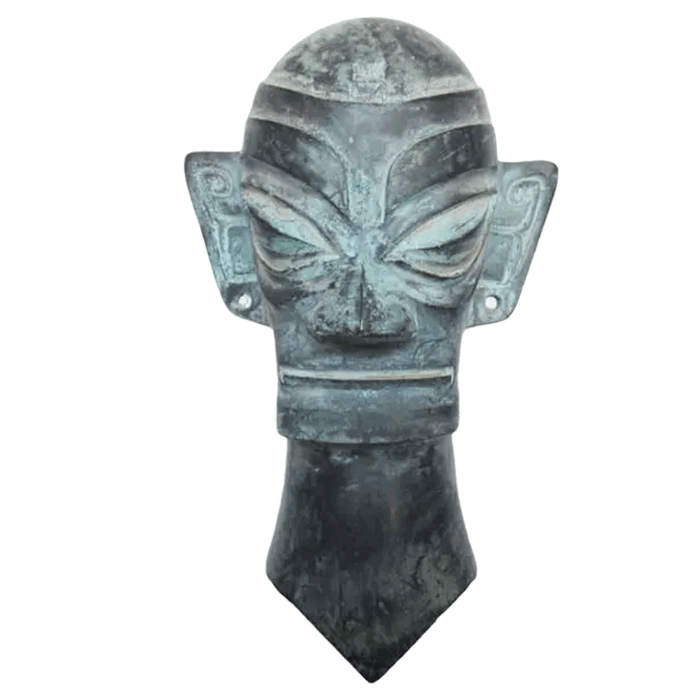
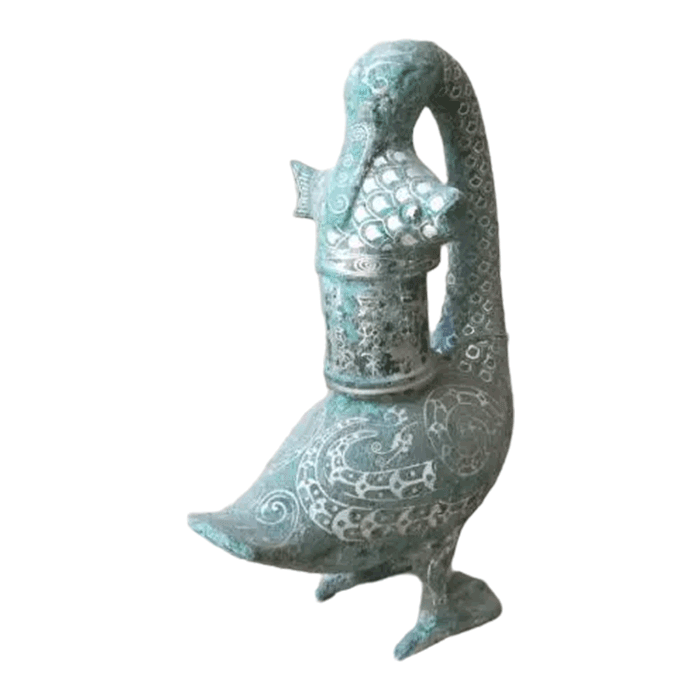
Estimate Black Myth Wukong Replica Import Costs | B2B Guide
Your Guide to Estimating the Landed Cost of a Black Myth Wukong Bronze Replica
The global anticipation surrounding the action RPG "Black Myth: Wukong" has ignited immense interest not only among gamers but also within the B2B merchandise and collectibles market. The game's stunning visuals and deep roots in Chinese mythology present a unique opportunity for high-quality memorabilia. For businesses—be it game publishers, specialty retailers, or corporate gift suppliers—sourcing premium items like bronze statues requires a clear financial picture that extends far beyond the initial factory quote. Understanding the total landed cost is crucial for accurate budgeting, setting competitive retail prices, and ensuring a profitable venture.
Many businesses focus solely on the Ex-Works (EXW) price, only to be caught off guard by a cascade of subsequent expenses related to logistics, customs, and compliance. This guide provides a detailed breakdown of every cost component involved in commissioning and importing a custom bronze sculpture inspired by the game. By understanding these factors, you can navigate the sourcing process with confidence and build a successful product line.
Deconstructing the Ex-Works Price: Material, Craftsmanship, and Complexity
The foundation of your total cost is the price quoted by the manufacturer for the finished product at their factory gate. This initial figure is not arbitrary; it is a careful calculation based on several core elements that define the statue's quality, detail, and intrinsic value.
Material and Casting Method
The primary material, bronze, is a significant cost driver. We utilize a premium bronze alloy (Cu-Sn), prized for its durability, corrosion resistance, and excellent casting properties, ensuring a finished piece that lasts for generations. The total weight of the statue directly impacts the raw material cost, meaning a life-sized display will be substantially more expensive than a series of desktop figurines.
The production process itself is paramount. We employ the traditional lost-wax casting method, a technique with thousands of years of history renowned for its ability to capture exceptionally fine details. This multi-step process involves creating a silicone mold from an original master model, producing a wax replica, encasing it in a ceramic shell, melting out the wax (hence "lost-wax"), pouring in molten bronze, and finally breaking the shell to reveal the raw casting. While more labor-intensive than simpler methods, it is the gold standard for producing intricate, high-fidelity art pieces—essential for capturing the detailed armor and dynamic features of a character like the Destined One.
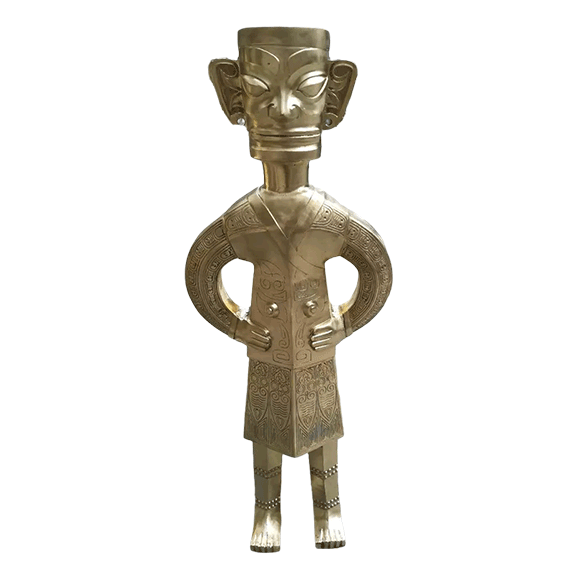
Artisan Skill and Finishing
A raw bronze casting is far from a finished product. The subsequent stages rely entirely on the skill of experienced artisans. At our 3,000-square-meter facility in Luoyang, a team of over 30 skilled craftsmen, including bronze-casting masters and finishing specialists, meticulously transforms each piece. This includes:
- Chasing: The painstaking process of grinding away sprues (channels where the bronze was poured), welding any minor imperfections, and re-texturing surfaces to match the original model.
- Polishing: Hand-polishing the surface to achieve the desired smoothness and luster, preparing it for the final finish.
- Patination: The art of applying chemical compounds to the bronze surface to create a specific color and finish. Whether you require a classic antique look, a modern polished sheen, or consistent color matching across a large batch, this stage is handled by specialists to ensure a beautiful and durable finish.
The complexity of the statue's design—intricate armor patterns, the texture of fur, or a complex, multi-character diorama—directly influences the hours of skilled labor required for both casting preparation and post-cast finishing, impacting the final ex-works price.
Production Scale and Customization
Economies of scale play a significant role. The cost to produce a single, one-off prototype is higher on a per-unit basis due to the fixed costs of mold-making and setup. For larger production runs, these initial costs are amortized across hundreds or thousands of units, reducing the price per piece. At Luoyang Yichuan Bronze Craft Co., Ltd., we offer the flexibility to handle diverse project scales. We can support the creation of a single custom prototype with a minimum order quantity (MOQ) from just one piece, while our annual output of over 50,000 pieces demonstrates our capacity for large, time-sensitive bulk orders.
From Factory Floor to Port: Understanding Logistics and Freight
Once your statues are manufactured, the next phase involves safely and efficiently transporting them from our facility to your country. These logistical costs are a critical part of your total landed cost calculation.
Protective Packaging
Bronze sculptures, especially those with delicate or protruding elements, are fragile. Inadequate packaging is a primary cause of costly damage during transit. We address this common sourcing pain point by engineering export-compliant protective packaging tailored to each sculpture. This isn't just a cardboard box; it often involves:
- Custom-cut, high-density foam inserts that immobilize the piece.
- Internal bracing to support fragile components.
- Multi-layered wrapping to protect the patina from scratches.
- Sturdy, heat-treated wooden crates (ISPM 15 compliant) for international shipping.
Inland and International Freight
The journey begins with inland freight—transporting the crated goods from our factory in Luoyang to a major Chinese port like Qingdao or Shanghai. The cost depends on the total volume and weight of the shipment.
From the port, you have two primary options for international freight:
- Ocean Freight: The most cost-effective solution for larger, heavier shipments. It is significantly slower than air freight, with transit times measured in weeks. It's ideal for bulk production runs where inventory can be planned in advance. You can ship via LCL (Less than Container Load), where your shipment shares container space, or FCL (Full Container Load) if your order is large enough.
- Air Freight: A much faster but more expensive option, with transit times measured in days. Air freight is suitable for high-value prototypes, initial marketing samples, or urgent, time-sensitive orders. Costs are calculated based on actual weight or volumetric weight, whichever is greater.
A freight forwarder is an essential partner in this process, managing the booking, documentation, and coordination between different transportation modes. For more information about our company and location, you can learn more about Sculpmart and our operational base.
Navigating Customs: Duties, Taxes, and Tariffs
Every international shipment must be cleared by the customs authority in the destination country. This stage involves government-mandated costs that are non-negotiable and must be factored into your budget to determine the final price for your customers.
HS Codes and Import Duties
The Harmonized System (HS) code is a standardized international classification system for traded products. Every item is assigned a specific code, which customs officials use to determine the applicable tariffs and taxes. A bronze statue would typically fall under Chapter 83 ("Miscellaneous Articles of Base Metal") or Chapter 97 ("Works of Art, Collectors' Pieces and Antiques"). The correct classification is crucial. An incorrect HS code can lead to delays, fines, and the application of the wrong duty rate.
The import duty is a percentage of the declared value of the goods (usually the CIF value: Cost + Insurance + Freight). This percentage varies dramatically from one country to another. It is imperative to consult your country's official customs tariff schedule or work with a customs broker to identify the precise duty rate for your product.
Taxes and Other Fees
In addition to duties, most countries levy a Value-Added Tax (VAT) or Goods and Services Tax (GST) on imported goods. This tax is typically calculated on the CIF value plus the import duty, effectively a tax on a tax. Other potential fees include:
- Customs Brokerage Fees: A licensed broker will charge a fee to prepare and submit the necessary customs declaration documents on your behalf.
- Merchandise Processing Fee (MPF): A fee charged by U.S. Customs and Border Protection.
- Port/Terminal Handling Charges: Fees charged by the port authority for handling the cargo.
The Final Mile: Ensuring Quality and After-Sales Support
The final set of considerations relates to quality assurance and long-term value. Partnering with a reliable manufacturer minimizes risk and provides a safety net, which has its own intrinsic economic value.
Quality Control and Insurance
The best way to control costs is to prevent problems before they happen. As an ISO 9001 quality management system certified company, we conduct rigorous quality inspections before any product is packaged for shipment. This ensures that every piece meets the agreed-upon standards for casting quality, detail, and patina finish. This internal QC process drastically reduces the risk of you receiving a defective product, saving you the immense cost and hassle of returns or disputes.
Despite robust packaging, the risk of damage during a long transit journey always exists. Freight insurance is a non-negotiable expense. For a small percentage of the goods' value, it provides complete financial protection against loss or damage, offering crucial peace of mind.
Warranty and Service
Your relationship with a supplier shouldn't end upon delivery. A manufacturer's commitment to its product is a key indicator of quality. We stand behind our craftsmanship by offering a free replacement for any casting defects. Furthermore, we provide after-sales support, including professional guidance for patina touch-ups and long-term restoration, ensuring the value of your investment is preserved. When you need to customize a bronze sculpture from sculpmart.com, this level of support is invaluable.
Calculating Your Total Landed Cost
To summarize, your final cost per unit can be estimated with the following formula:
- Start with the Ex-Works Price from the manufacturer.
- Add per-unit costs for Packaging and Inland Freight to get the FOB (Free On Board) Price.
- Add International Freight and Insurance to get the CIF (Cost, Insurance, Freight) Price.
- Calculate and add Import Duties, VAT/GST, and any Brokerage/Handling Fees.
Sourcing a high-quality bronze replica from Black Myth: Wukong is a complex but rewarding process. By understanding each component of the cost structure, you can plan effectively and partner with a manufacturer who provides not only exceptional craftsmanship but also transparency and support throughout the entire import journey. To explore the rich heritage behind our work, consider reading about chinese bronze handicrafts. Contact us today for a detailed, all-inclusive quote for your project.