Decode Symbols on Chinese Mythology Bronze Figures
Decoding the Symbols Hidden in Chinese Mythology Bronze Figures Helps Buyers Choose the Right Motif for Every Collection
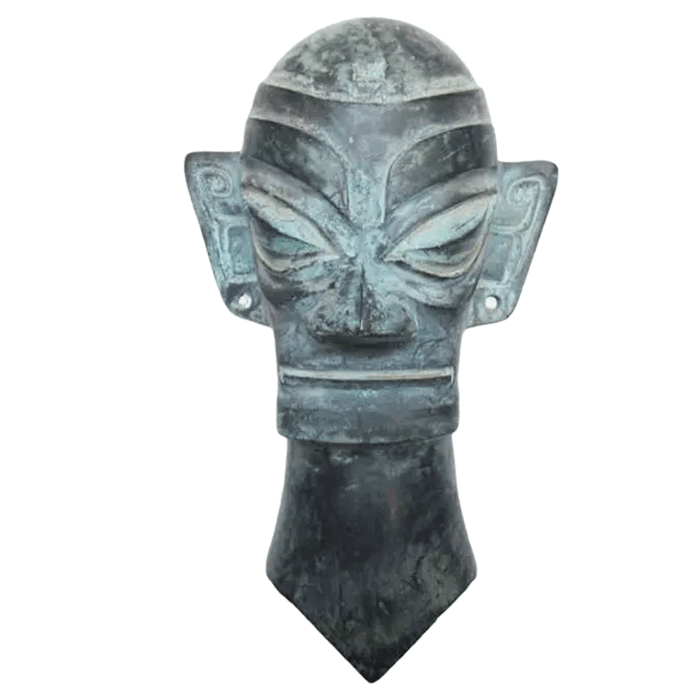
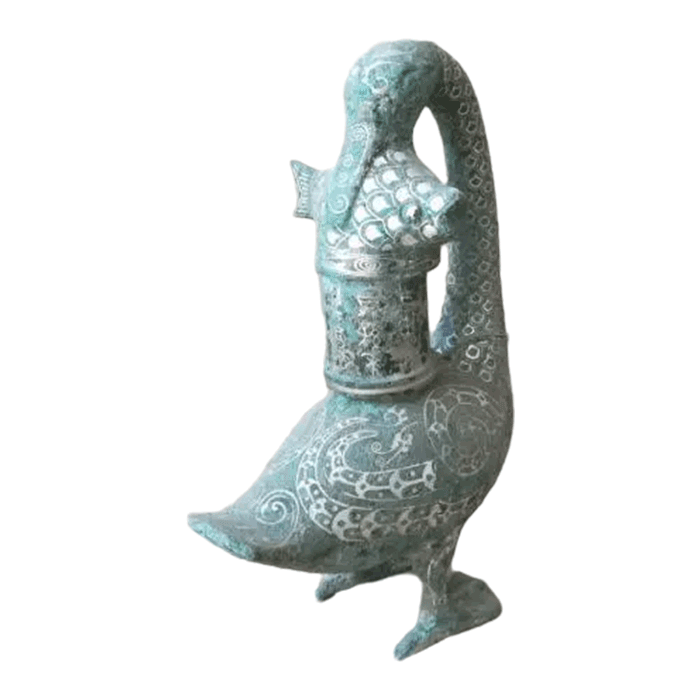
Bronze casting in China has always been more than a manufacturing process — it is a visual language. Every posture, creature, and surface texture on a mythological bronze piece carries meaning rooted in centuries of ritual, folklore, and religious practice. For wholesale buyers, interior designers, and gallery curators sourcing decorative or ceremonial bronzeware, understanding these symbols is the difference between selecting a piece that merely looks "Chinese" and one that communicates the correct cultural message to an end client.
This guide breaks down the most common motifs found on Chinese mythology bronze figures, explains what they traditionally represent, and outlines what buyers should look for when evaluating a foundry's ability to reproduce these symbols accurately and consistently across a production run.
Why Symbolism Matters When Sourcing Bronze Mythology Pieces
Mythological bronzes are rarely bought for decoration alone. Temples, hospitality projects, corporate lobbies, and private collectors each select specific figures because of what they signify — protection, prosperity, longevity, or spiritual guidance. A buyer who misreads a motif risks delivering a piece that is symbolically inappropriate for its intended setting, which can be a costly mistake in markets where cultural accuracy is scrutinized closely.
Working with a foundry that understands both the casting process and the underlying iconography reduces this risk. It also allows designers to brief custom commissions with confidence, specifying not just size and finish but the correct pose, attribute, or companion animal that a figure should carry.
Common Motifs Found in Chinese Mythology Bronze Figures
Dragons and Phoenixes
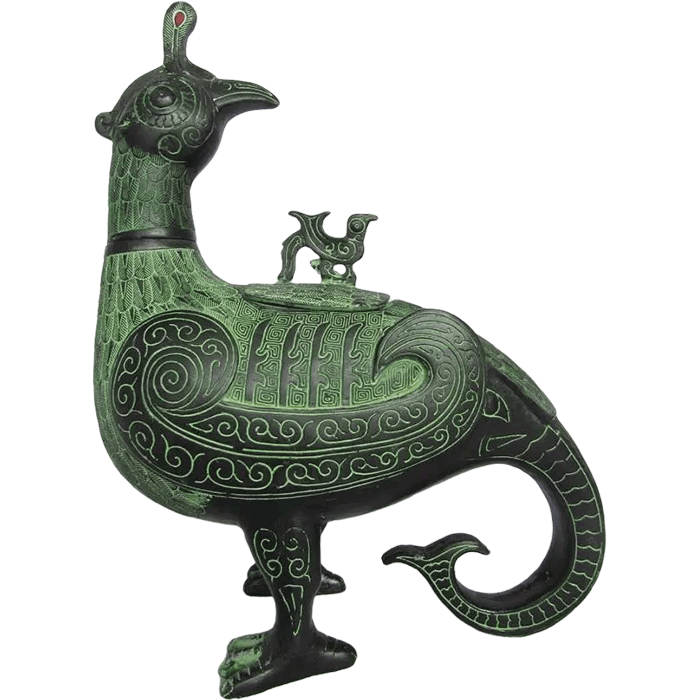
The dragon (long) represents imperial authority, strength, and control over water and weather, while the phoenix (fenghuang) symbolizes virtue, grace, and the union of yin and yang. Paired dragon-and-phoenix bronzes are frequently commissioned for wedding gifts or ceremonial hall installations, and the direction the dragon faces — often toward a pearl of wisdom — carries its own significance in traditional composition.
Guardian Beasts: Qilin, Pixiu, and Foo Dogs
Guardian creatures are among the most requested pieces for entryways and corporate installations. The qilin, a hybrid of dragon, deer, and lion features, is associated with prosperity and the arrival of wise leadership. The pixiu, a winged lion-like beast, is believed to attract wealth and is commonly cast in pairs for financial institutions. Foo dogs (shi) function as protective sentinels and are almost always produced as male-and-female pairs, one resting a paw on a ball, the other on a cub.
Immortals and Deities
Figures such as Guan Yu, the god of war and loyalty, or the Eight Immortals of Daoist legend, are popular in both religious and secular commercial spaces. Each immortal carries a distinct attribute — a sword, a fan, a gourd — and accurate reproduction of these props is essential for the figure to be recognizable and meaningful to buyers familiar with the tradition.
Buddhist and Daoist Figures
Bronze Buddhist statues, including Guanyin, Maitreya, and various Bodhisattvas, follow strict iconographic conventions regarding hand gestures (mudras), seated posture, and accompanying objects such as lotus flowers or vases. Buyers sourcing these pieces for temple use or export markets with Buddhist communities should confirm that the foundry's craftsmen have experience with correct mudra positioning, since even minor deviations can be noticed by knowledgeable clients.
Reading Surface Details: Patina, Posture, and Attributes
Beyond the subject itself, three physical details help buyers judge whether a bronze figure has been produced with genuine attention to tradition:
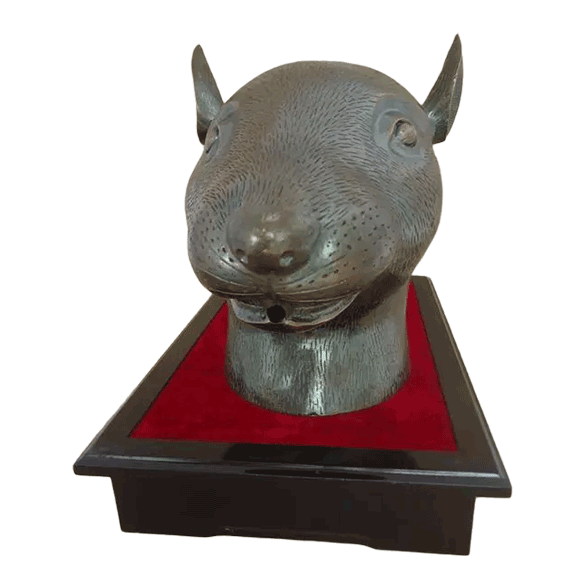
- Patina tone — antique green or brown patina is used for pieces meant to evoke archaeological authenticity, while a polished or gilded finish suits modern interpretations or temple offerings. Consistent color matching across a bulk order is a common sourcing challenge, and buyers should ask suppliers how they control patina variation batch to batch.
- Posture and gesture — standing, seated, or dancing poses each carry different connotations; a seated Guanyin, for example, communicates serenity, while a standing warrior figure conveys vigilance.
- Attributes and accessories — the objects held by a figure (a sword, a peach, a scroll) are not decorative afterthoughts; they identify which deity or legendary figure is being depicted and must match traditional references exactly for the piece to read correctly to informed buyers.
These details are also where the traditional lost-wax casting method proves its value, since it allows fine hand-chasing work on flowing robes, scales, and facial expressions that mold-based alternatives often flatten out.
From Concept to Casting: Sourcing Custom Bronze Mythology Pieces
Designers rarely source a single stock figure for a large project. More often, a collection requires a specific combination of motifs — perhaps a guardian pair at the entrance, a deity figure for a central hall, and smaller decorative vessels throughout. Buyers evaluating a foundry for this kind of project should look for a few operational signals:
- The ability to work from a single custom prototype before committing to a full production run, which allows designers to approve pose, proportion, and patina before bulk casting begins.
- Craftsmen with experience across multiple categories — human and animal statues, ceremonial vessels, and religious figures — since a mixed collection often draws from several of these categories at once.
- Documented quality inspection and defect-replacement policies, particularly important for fragile cast details like extended arms, weapons, or delicate headdresses that can be damaged in transit.
Luoyang Yichuan Bronze Craft Co., Ltd. produces across all of these categories from its 3,000-square-meter facility in Henan Province, supported by more than 30 skilled craftsmen including dedicated bronze-casting masters and finishing artisans. This range makes it possible to source a themed collection — for example, a temple courtyard requiring both bronze statues with different themes and matching ceremonial vessels — from a single production partner rather than coordinating multiple suppliers.
Matching Motifs to Project Type
| Project Setting | Recommended Motif | Typical Symbolism |
|---|---|---|
| Corporate lobby / financial institution | Pixiu pair, dragon | Wealth attraction, authority |
| Temple or meditation space | Guanyin, Buddhist figures | Compassion, spiritual guidance |
| Residential entrance | Foo dog pair | Protection, guardianship |
| Wedding or hospitality venue | Dragon-phoenix pair | Union, harmony, celebration |
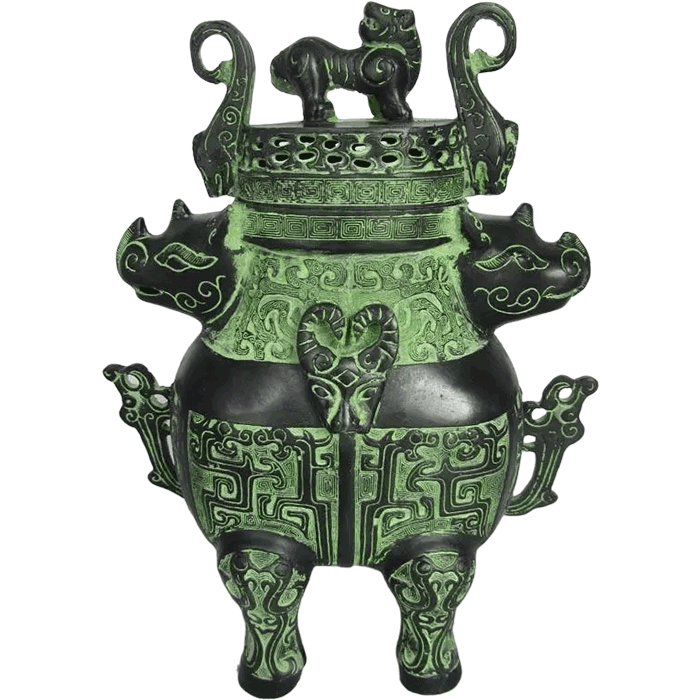
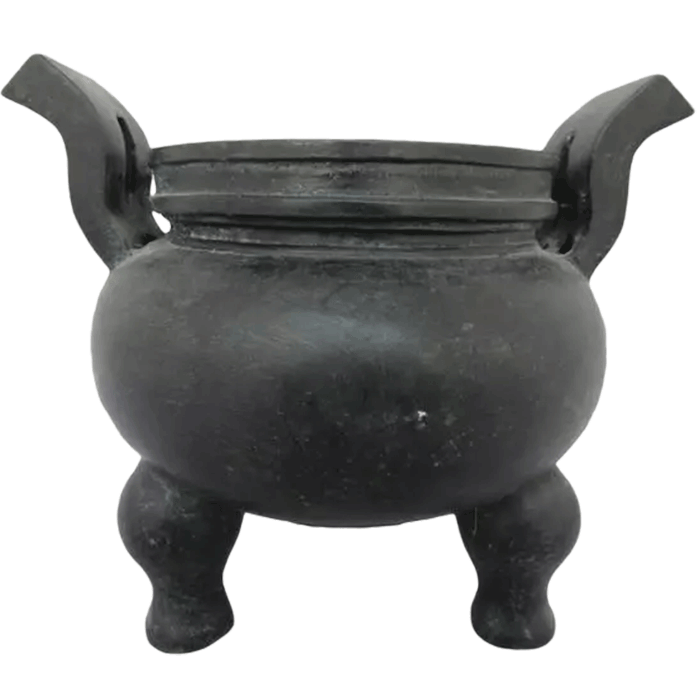
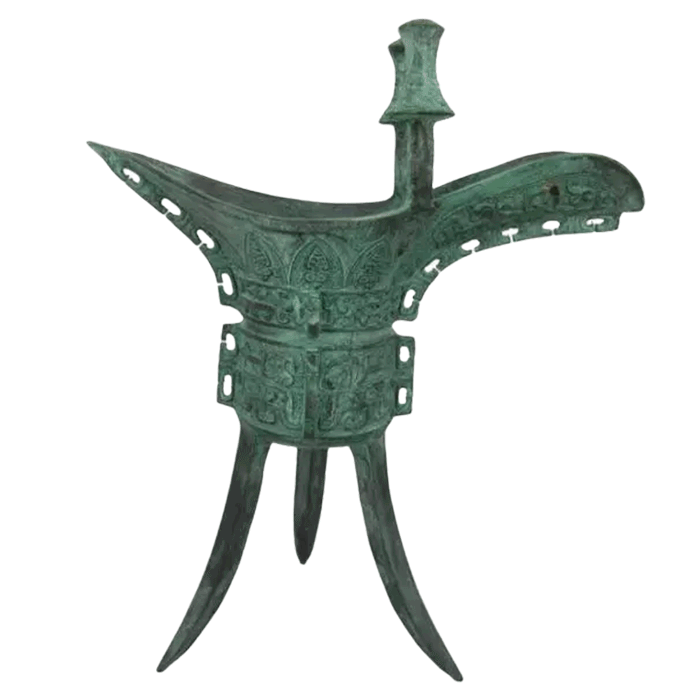
| Museum or heritage collection | Ding, zun, hu vessels | Ceremonial history, ancestral reverence |
For buyers unfamiliar with how these vessel forms evolved alongside figural bronzes, background reading on the evolution of bronze culture over 2000 years offers useful context on how motifs shifted from ritual to decorative use across dynasties.
Quality, Compliance, and Working With a Trusted Foundry
Symbolic accuracy is only half the sourcing equation — material quality and export compliance matter just as much. Premium bronze alloy (Cu-Sn) cast through the traditional lost-wax method gives fine detail retention needed for facial expressions and flowing garment lines, while hand chasing and polishing allow for either antique or modern finishes depending on project requirements. An ISO 9001-certified quality management system and adherence to export inspection standards for art crafts give buyers assurance that pieces will arrive consistent with approved samples, with protective packaging suited to fragile cast details.
Before placing a bulk order, buyers should request sample images or a prototype of the specific mythological figure they intend to reproduce, confirm patina matching procedures, and clarify after-sales terms for casting defects or future patina touch-ups. These steps protect against the common pain points of custom bronze sourcing: inconsistent finishes, damaged shipments, and figures that don't match the agreed design once produced at scale.
Designers exploring how mythological themes translate into home or hospitality decor may also find it useful to browse bronze home decor arts for examples of how traditional motifs are adapted into contemporary interior settings.
Final Considerations Before Placing an Order
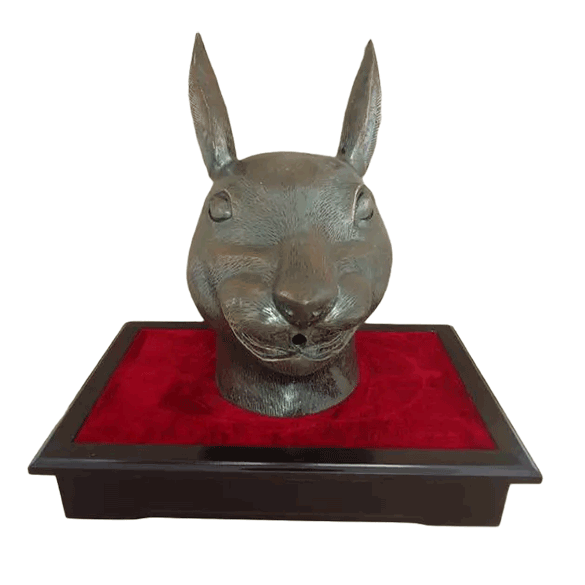
Selecting the right mythological motif starts with understanding what a client or end space actually needs — protection, prosperity, spiritual focus, or ceremonial history — and then verifying that a production partner can render that motif with correct posture, attributes, and finish across the full order quantity. Buyers who take the time to brief these details clearly, and who confirm a foundry's inspection and replacement policies upfront, are far better positioned to receive a collection that performs both symbolically and commercially.
For teams ready to move from concept to sample, reviewing options to customize a bronze sculpture is a practical next step, allowing a single prototype to be approved before committing to bulk production.