Decode Chinese Bronze Artware Surface Finishes | Guide
Decoding Chinese Bronze Artware Surface Finishes Helps Buyers Source With Confidence
Surface finish is often the single most decisive factor when a sourcing team evaluates a bronze piece for a museum reproduction, a hospitality project, or a private collection. Two sculptures cast from the same alloy and mold can look dramatically different once patina, chasing, and polishing are applied. For buyers unfamiliar with the terminology and processes behind these finishes, it can be difficult to specify exactly what they want—or to judge whether a supplier's sample matches the brief. This guide breaks down how finishes are created, what distinguishes antique from modern looks, and what questions to ask before placing an order.
Why Surface Finish Matters When Evaluating Bronze Artware
Bronze is an alloy of copper and tin (Cu-Sn), and its raw cast surface is a dull, uneven gold-brown that bears little resemblance to the pieces displayed in galleries or temples. Everything a client associates with "authentic bronze"—the deep green patina of an excavated ritual vessel, the warm brown sheen of a modern statue, or the mirror-bright polish of a decorative mirror—is the result of deliberate post-casting work. Getting this stage wrong can undermine an otherwise well-cast piece; getting it right is what allows a reproduction to convincingly stand alongside a genuine antique or blend into a contemporary interior.
For teams sourcing Chinese bronze sculpture for resale, exhibition, or interior design, understanding finish categories in advance shortens communication with suppliers and reduces the risk of receiving a piece that technically matches the design but not the desired visual character.
Traditional Patina Finishes on Chinese Bronze Artware
Antique Green and Malachite Patinas
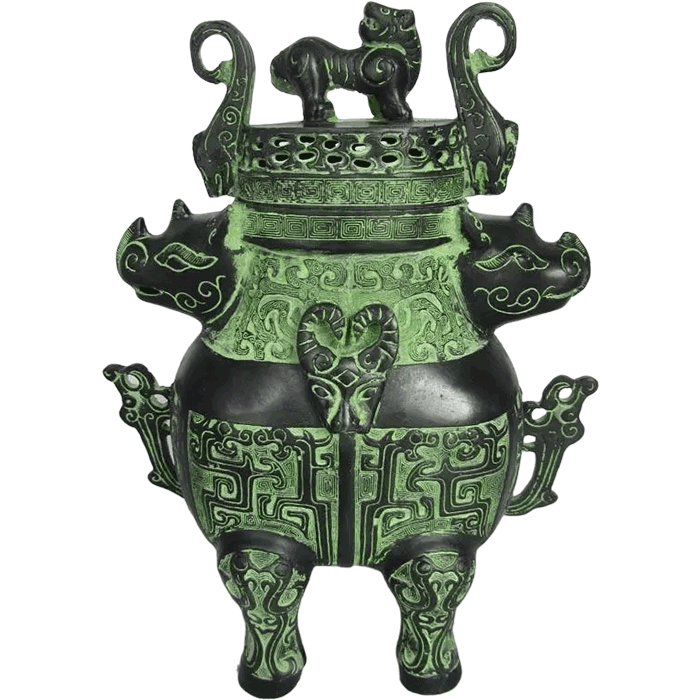
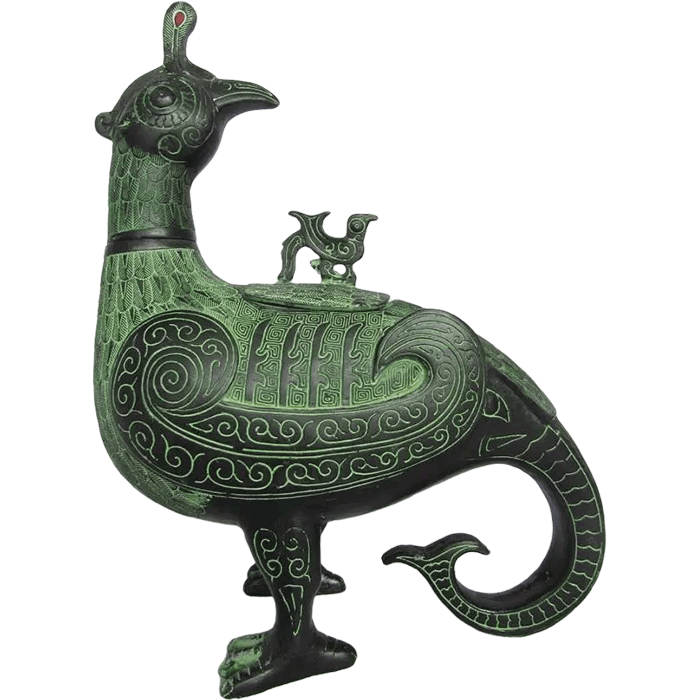
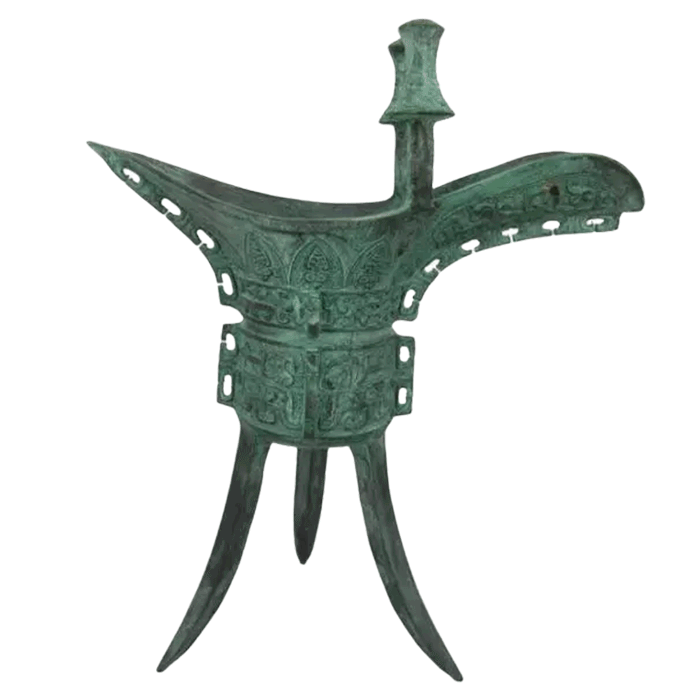
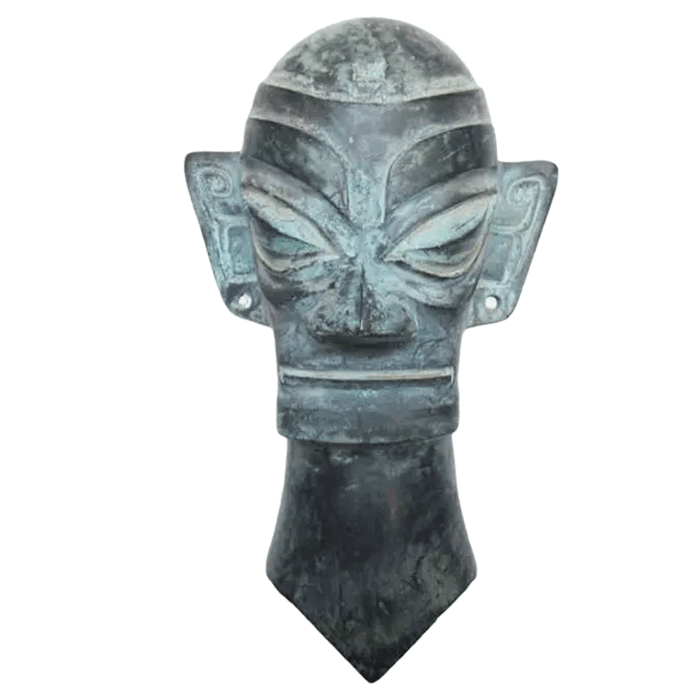
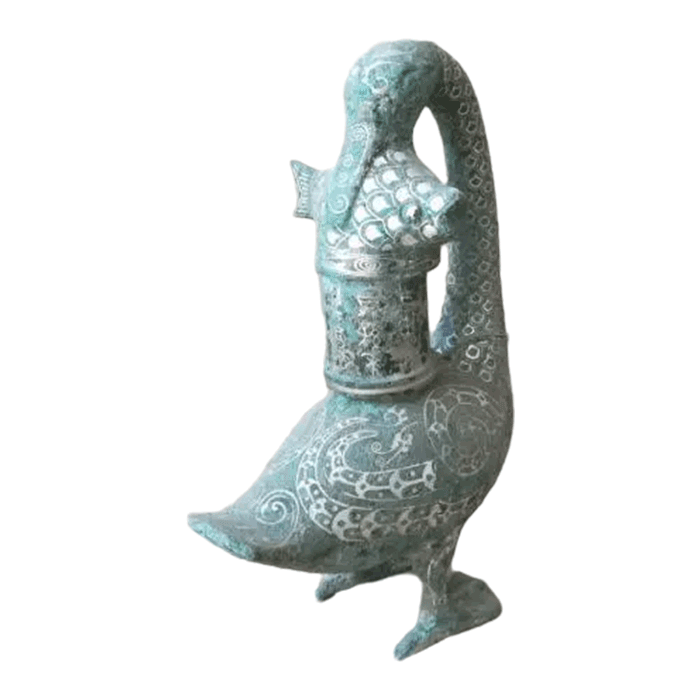
The green and blue-green tones associated with ancient bronzes are chemically induced through controlled oxidation, using acids, salts, and heat to accelerate a process that would otherwise take centuries underground. Skilled artisans apply these compounds selectively, building up layered tones so that raised details—such as relief carvings on a ding tripod or the mane of an animal statue—retain warmer highlights while recessed areas darken naturally. This selective buildup is what separates a convincing antique-style finish from a flat, uniform green coating.
Brown and Black Patinas
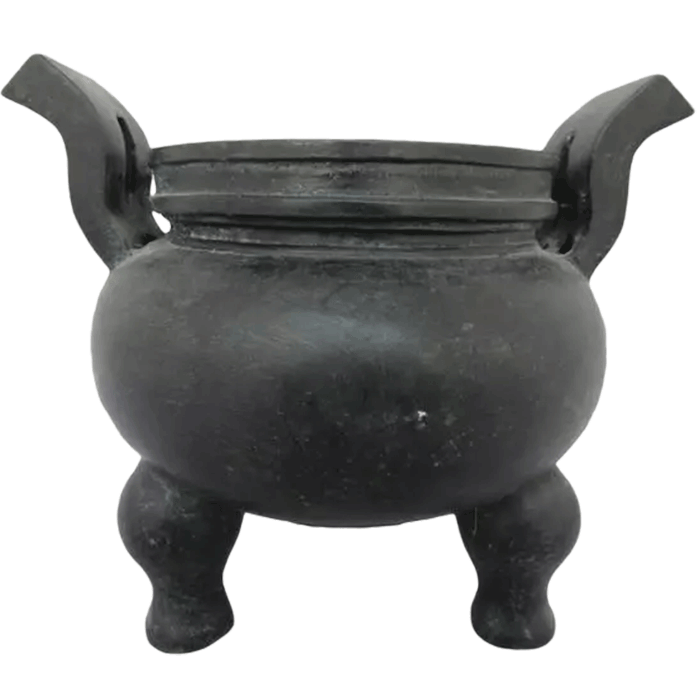
Brown and near-black patinas are common on Buddhist statues, incense burners, and human figures intended to evoke temple bronzes or classical statuary rather than excavated relics. These tones are typically achieved with liver of sulfur or similar sulfide-based treatments, followed by hand rubbing to create depth and subtle variation across the surface. The result should read as rich and lived-in rather than painted on.
Consistency Across a Production Run
One of the more difficult challenges in patina work is matching color across multiple units of the same design, especially for bulk orders such as matched pairs of guardian lions or a set of ritual vessels for a themed installation. Because patina chemistry reacts differently depending on ambient temperature, humidity, and even the mineral content of the bronze batch, color matching requires experienced artisans working from reference samples rather than a fixed recipe. Buyers ordering more than a handful of identical pieces should always request a finish sample or reference photo be approved before the full batch proceeds to patina.
Modern and Custom Finish Options
Not every project calls for an antique look. Contemporary bronze sculpture for corporate lobbies, public art installations, or minimalist interiors often uses a lighter, more even patina, a satin polish, or even a lacquer-sealed natural bronze tone that highlights the metal's warmth without appearing aged. Bronze mirrors, in particular, are frequently finished with a high polish that approaches a true reflective surface, echoing historical Chinese bronze mirrors while meeting modern decorative expectations.
Hand Chasing and Surface Texture
Before any coloring is applied, hand chasing refines the details left by the lost-wax casting process—sharpening lines, smoothing joins, and correcting minor surface imperfections. This step has a direct effect on how a subsequent patina will read, since chasing determines the texture that oxidation compounds settle into. A piece with careful chasing will show more nuanced highlight-and-shadow contrast once patina is applied than one that skips straight from casting to coloring.
Custom Finish Requests
Buyers commissioning customize a bronze sculpture from sculpmart.com projects frequently bring reference images from museum pieces, historical texts, or existing installations they want matched. Communicating finish requirements clearly—ideally with close-up photos rather than general descriptions like "antique green"—helps artisans calibrate the right chemical process and hand-finishing technique from the start, reducing back-and-forth revisions later in production.
How Casting Quality Affects the Final Finish
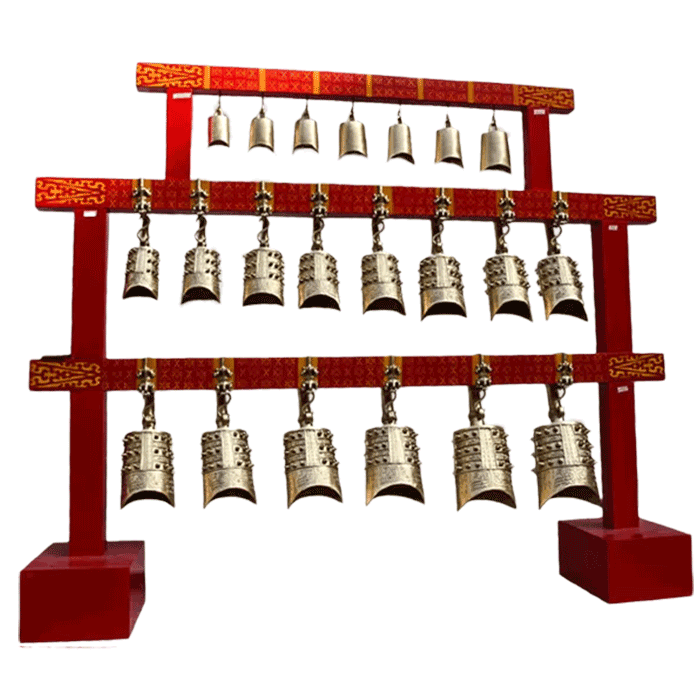
Surface finish cannot fully compensate for weaknesses in the underlying casting. The traditional lost-wax method allows for intricate detail, but it also requires careful mold-making, alloy control, and cooling to avoid porosity, warping, or surface pitting that will show through even the most skillful patina work. This is why finish quality and casting quality should be evaluated together rather than in isolation—an experienced workshop typically has both bronze-casting masters and dedicated finishing artisans working in sequence, each catching issues the other stage might introduce.
Suppliers who inspect every piece before shipment, offer replacement for casting defects, and provide after-sales guidance on patina touch-ups are generally better positioned to guarantee that the finish a client approved in a sample photo is the finish that arrives at their destination. Given that bronze sculptures and vessels are fragile and can be sensitive to shipping stress, export-compliant protective packaging is also part of preserving that finish in transit.
Matching Finish Style to Product Category
| Product | Common Finish Style | Typical Use Case |
|---|---|---|
| Bronze vessels (ding, zun, hu) | Antique green, layered patina | Museum reproduction, ritual display |
| Bronze Buddhist statues | Brown or black patina, occasionally gilded accents | Temple, altar, private devotion |
| Human and animal sculptures | Modern brown patina or satin bronze | Public art, garden, corporate lobby |
| Bronze mirrors | High polish or light patina | Decorative display, historical reproduction |
| Incense burners | Antique or brown patina | Ceremonial and decorative use |
This is a general guide rather than a fixed rule—buyers of bronze statues with different themes often request cross-category finishes, such as a modern satin look applied to a historically inspired animal sculpture, and an experienced workshop should be able to accommodate that flexibility.
Questions to Ask Before Placing an Order
- Can the supplier provide close-up photos of the exact patina tone, not just the overall sculpture?
- For bulk orders, will a finish sample be approved before the full batch proceeds?
- What is the process for addressing casting defects discovered after delivery?
- Is guidance available for patina touch-ups or restoration after years of display?
- Does the packaging account for the fragility of hand-finished surfaces during export shipping?
Asking these questions early helps sourcing teams avoid mismatched expectations, particularly when working across time zones and language differences on a custom order.
Working With an Experienced Bronze Workshop
Luoyang Yichuan Bronze Craft Co., Ltd. operates from a 3,000-square-meter production facility in Yichuan County, Luoyang, Henan Province—a region long associated with China's bronze-casting heritage—with more than 30 skilled craftsmen covering both casting and finishing stages. The workshop is ISO 9001 certified and produces over 50,000 bronze art pieces annually, supporting everything from a single custom prototype to larger production runs, with quality inspection carried out before every shipment and free replacement offered for casting defects.
Because finish work is inseparable from the story a bronze piece tells, buyers researching the background of these techniques may find it useful to review how bronze craftsmanship has evolved historically, including resources such as the evolution of bronze culture over 2000 years, which traces how surface treatment expectations have shifted from ritual to decorative contexts over centuries.
Final Considerations for Buyers
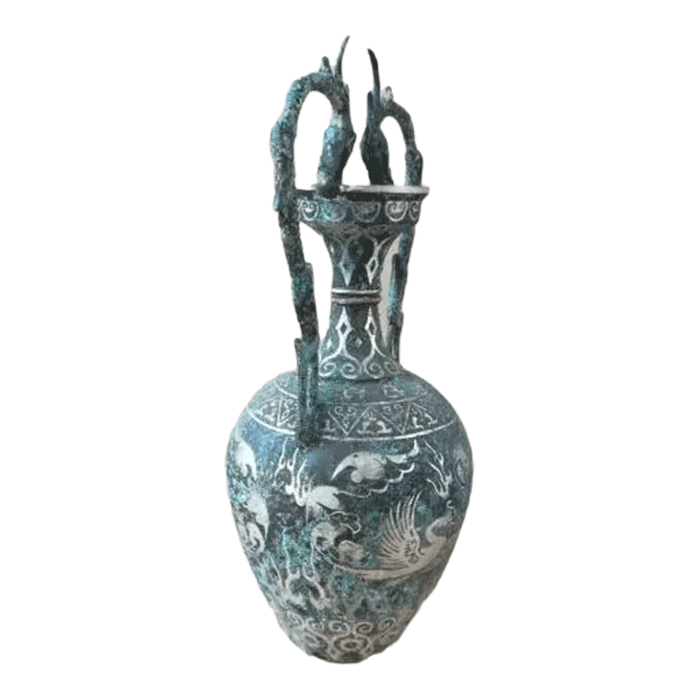
Decoding surface finish terminology is less about memorizing every chemical process and more about knowing which questions reveal a supplier's genuine finishing capability. A workshop that can explain how it achieves color consistency, how it corrects casting imperfections before patina is applied, and how it protects fragile finishes during export is generally better equipped to deliver on a custom brief. Whether the goal is an exact museum-style reproduction, a modern decorative piece, or a themed installation involving multiple units, clarity on finish expectations at the outset remains the most reliable way to ensure the final Chinese Bronze Artware matches the vision a buyer originally had in mind.
Sourcing teams comparing suppliers may also want to review general company credentials and production capacity before finalizing a finish specification, which is covered in more detail on the about sculpmart page, alongside broader context on how patina and chasing techniques are documented across the wider bronze craft industry.