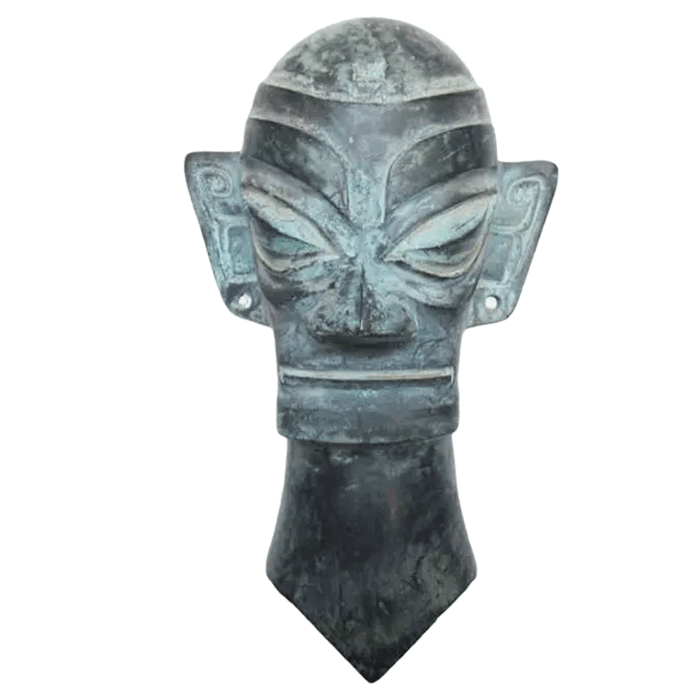
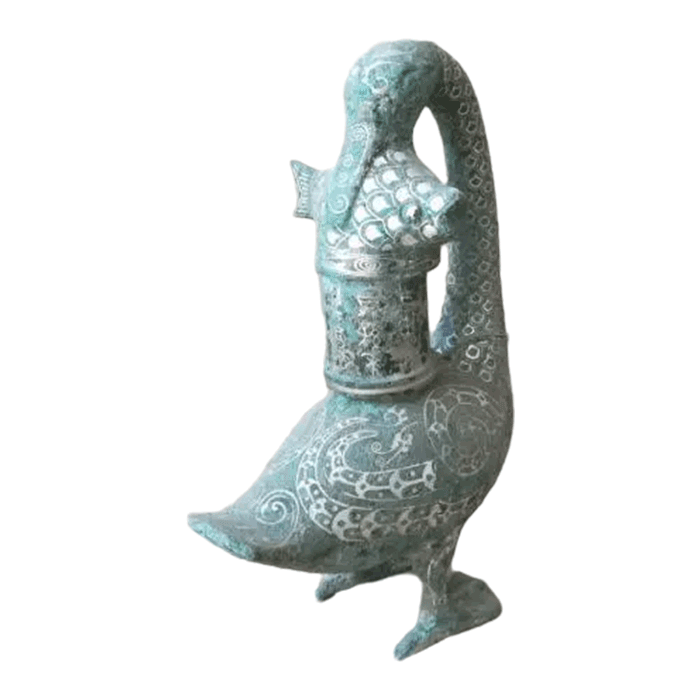
Custom bronze game props sourcing guide
Custom bronze game props require a clear sourcing process for reliable production results.
Game studios, prop houses, and licensed-merchandise buyers often need physical objects that feel as credible as the worlds they represent. A bronze relic, ceremonial weapon display, temple vessel, character bust, creature statue, or collectible award may need to communicate age, weight, history, and craftsmanship at first sight. Sourcing these items successfully requires more than selecting a workshop from a catalog. Buyers need to define the intended use, translate digital or artistic concepts into manufacturable specifications, confirm material and finishing requirements, and evaluate whether a supplier can manage quality from prototype through shipment.
Luoyang Yichuan Bronze Craft Co., Ltd. manufactures bronze sculptures, vessels, mirrors, incense burners, Buddhist statues, and custom bronze artworks from Yichuan County, Luoyang, Henan Province. The company operates a 3,000-square-meter production area with more than 30 skilled craftsmen, including bronze-casting masters and finishing artisans. With annual output exceeding 50,000 bronze art pieces, the workshop supports projects ranging from a single custom prototype to negotiable bulk production runs based on size and design complexity.
This guide explains how professional buyers can prepare a practical sourcing brief, compare fabrication capabilities, review samples, control visual consistency, and plan export-ready delivery for bronze game-related props and collectibles.
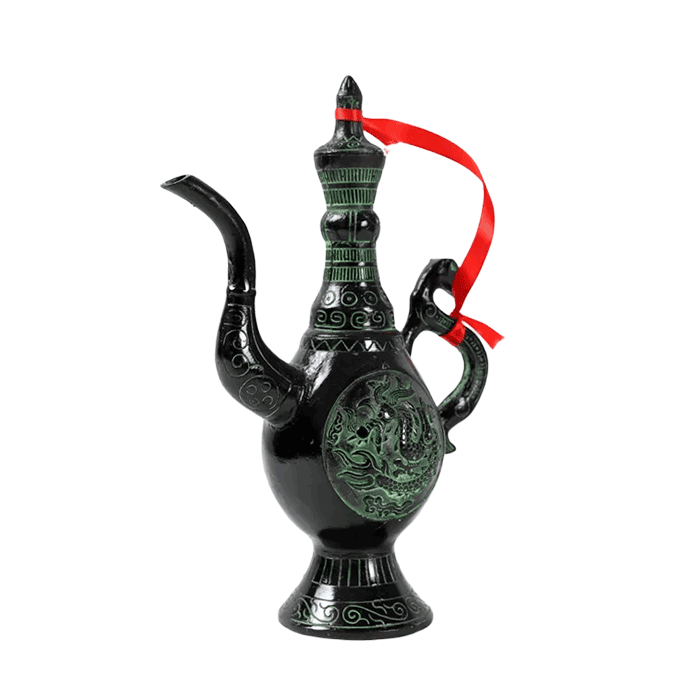
Start with the intended use of each prop
The first sourcing decision is not the alloy or finish. It is the role the item will play. A hero prop used in a close-up production scene has different requirements from a convention display piece, a museum-style promotional installation, or a limited-edition collectible. The object’s use determines its scale, required detail level, handling considerations, mounting method, surface finish, and packaging needs.
Buyers should divide their request into clear categories before asking for a quotation. A single project may include several categories, each with a different production approach:
- Screen or stage props: Larger decorative items, ceremonial vessels, wall plaques, weapon-inspired ornaments, or architectural elements designed for visual impact.
- Character sculptures: Human figures, animal figures, creature heads, busts, or statues requiring accurate silhouette and expressive surface details.
- Collector merchandise: Limited-edition statues, desk ornaments, medallion-style pieces, miniature vessels, and display objects that need repeatable appearance across an order.
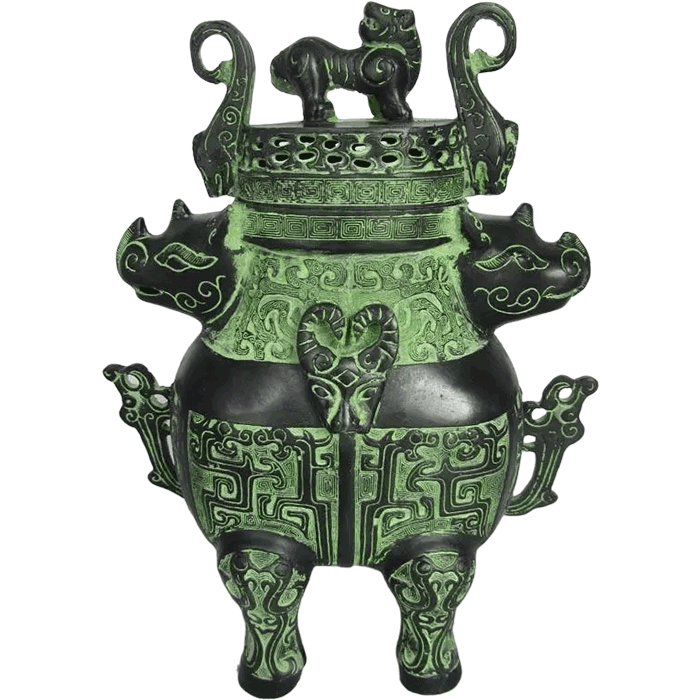
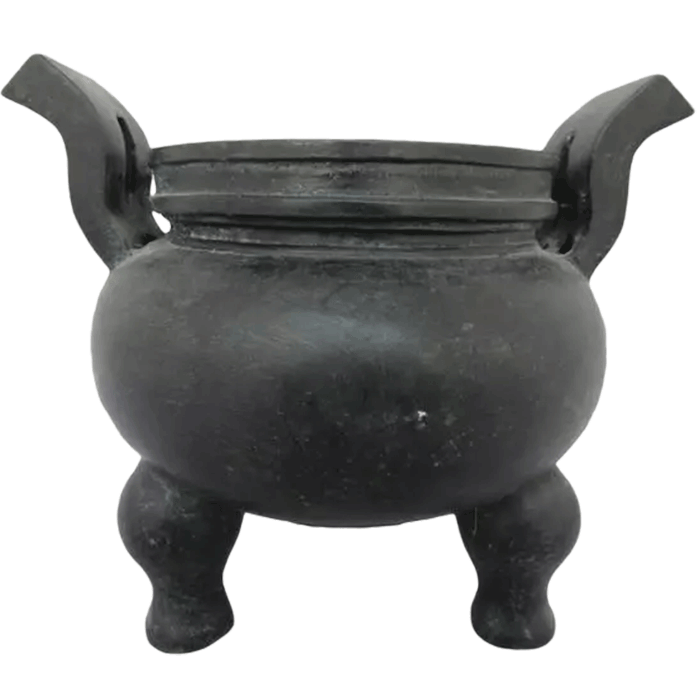
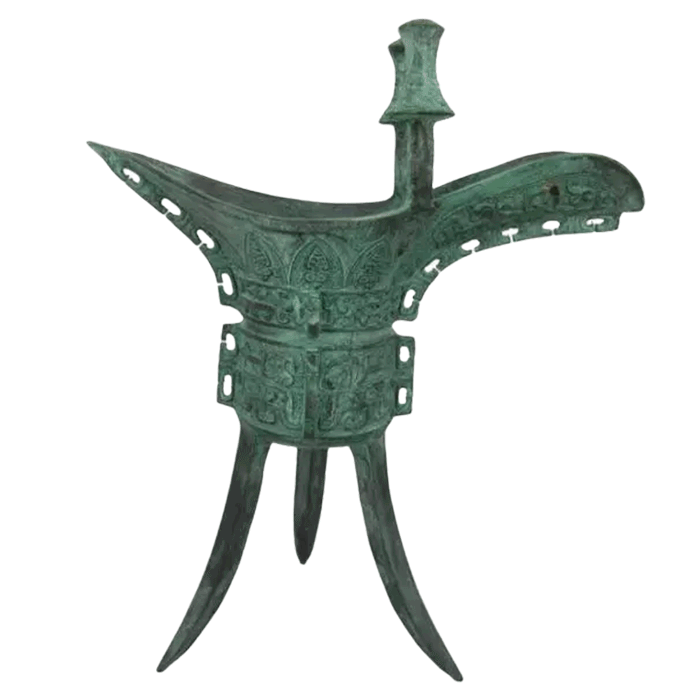
- Set dressing: Incense burners, mirrors, ding tripods, zun vessels, hu vases, or historical-style artifacts that establish a setting without requiring extensive handling.
- Promotional installations: Oversized logos, trophy-style sculptures, event centerpieces, and launch-display pieces requiring secure bases and shipping planning.
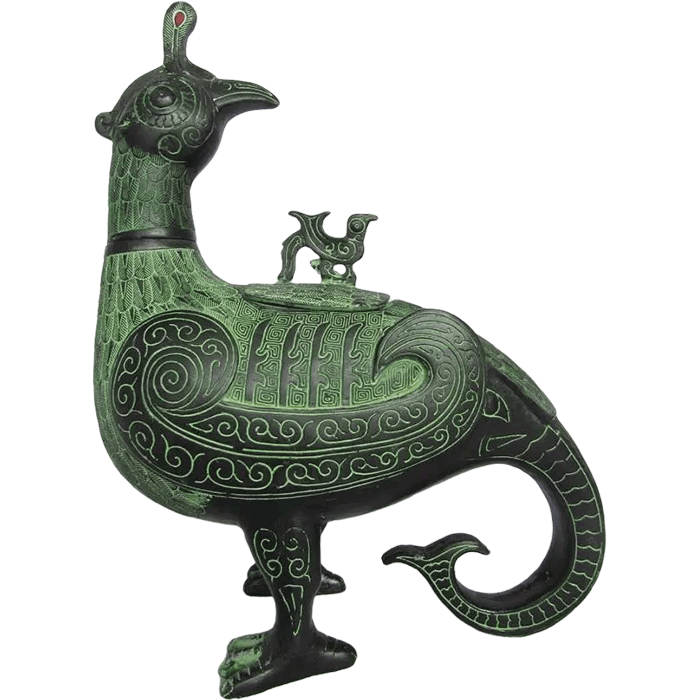
For historical fantasy, mythology, strategy, or adventure titles, traditional bronze forms can provide valuable visual references. Buyers developing vessel-shaped props may find useful context in this overview of several bronze wares. The purpose is not to copy a historical object without review, but to help an art team identify recognizable forms, proportions, handles, feet, masks, and decorative vocabulary that can be adapted to an original licensed design.
When the final prop will be handled regularly, include handling expectations in the brief. For example, specify whether the object must be lifted, moved between sets, mounted to a wall, displayed behind a barrier, or used only as a static exhibition piece. These details help the manufacturer recommend suitable wall thickness, base construction, reinforcement, attachment points, and protective packaging.
Prepare production-ready artwork and specifications
A well-prepared request for quotation reduces uncertainty before tooling and casting begin. Bronze casting can reproduce rich forms and fine relief, but the workshop needs accurate reference material to understand what is essential to the design. A concept image may show artistic direction, while a production package explains dimensions, hidden surfaces, tolerances, assembly requirements, and finish expectations.
Provide references that show the complete form
For a three-dimensional item, provide front, rear, left, right, top, and bottom views whenever possible. Include orthographic drawings, a 3D model, rendered turntable images, or physical maquette photographs. If the studio supplies a digital sculpt, identify the file format and confirm whether the file represents the intended final surface or only an initial design concept.
Mark all features that cannot be changed during fabrication. These may include character symbols, engraved text, logo placement, facial proportions, weapon orientation, relief patterns, costume details, or the number and location of handles and feet. If an object has separate parts, such as a statue and pedestal, a removable lid, or a multi-piece display assembly, describe how the pieces must connect.
Define dimensions, scale, and weight expectations
State the overall height, width, depth, and preferred measurement unit. If the item must fit an existing display case, shelf, game-event plinth, or shipping carton, provide the maximum permitted dimensions. For objects based on a digital asset, confirm the desired real-world scale rather than assuming that the source file is correctly sized.
Weight is also an important project variable. Buyers can explain whether the piece should feel substantial, remain practical for manual movement, or require a stable display presence. The fabricator can then assess the proposed construction against the design, scale, and intended application. It is better to discuss this during design review than after a casting approach has been selected.
Specify the finish as precisely as the shape
Many bronze prop projects succeed or fail on the surface finish. The same sculptural form can appear ancient, ceremonial, futuristic, weathered, polished, dark, green, warm brown, or nearly black depending on the selected patina and polishing approach. Descriptions such as “old bronze” or “antique metal” are useful starting points, but they are too broad to function as final production standards.
Instead, provide reference images under neutral lighting and identify the visual priorities. Explain whether the finish should emphasize high points, darken recessed patterns, include green oxidation-style tones, retain warm bronze highlights, or present a cleaner modern appearance. Luoyang Yichuan Bronze Craft Co., Ltd. uses premium Cu-Sn bronze alloy with traditional lost-wax casting and can provide hand chasing, polishing, and patina finishing in antique or modern styles.
For buyers comparing metals, the material distinction should be understood before approving a specification. This resource on the bronze and brass difference can help project teams discuss metal choices with greater clarity. A written material requirement is especially useful when the design brief contains visual references that may depict different metal types.
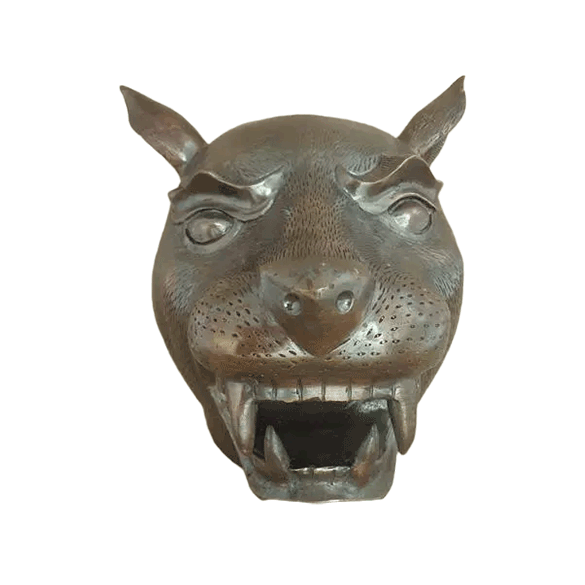
Evaluate the manufacturing process and workshop fit
Bronze is well suited to sculptural objects because it can capture modeled surfaces, flowing forms, deep relief, and complex organic details. Traditional lost-wax casting is particularly relevant for designs that cannot be easily produced through simple machining or sheet-metal forming. However, every project should be reviewed for castability before a buyer treats a digital render as a finished manufacturing design.
During supplier evaluation, ask how the workshop will assess undercuts, thin projections, deep recesses, enclosed spaces, separate components, and structural support. A practical manufacturer should be able to identify areas that may need design refinement while preserving the intended visual character. This review is valuable for game-inspired designs because many digital models include extremely thin ornaments, floating details, or geometry that looks convincing on screen but requires modification for durable physical fabrication.
Luoyang Yichuan Bronze Craft Co., Ltd. has skilled bronze-casting masters and finishing artisans who support custom work from prototype quantities onward. The company can manufacture sculptures in human and animal forms as well as traditional and decorative bronze vessels. Buyers considering creature figures, guardian animals, or character companions can review available animal bronze statue styles when preparing visual direction for a custom request.
When comparing partners, do not evaluate capacity only by the number of pieces mentioned in a catalog. Ask whether the factory can handle your project’s particular combination of size, detail, finishing standard, assembly, and packing requirements. Annual output of more than 50,000 bronze art pieces indicates established production capability, but each custom design still requires a project-specific feasibility review.
Questions to ask before selecting a supplier
- Can the workshop produce from supplied drawings, 3D files, physical samples, or reference images?
- What information is needed to assess feasibility before quotation?
- Will the object be cast as one piece or as multiple sections that are assembled and finished?
- How will fine textures, engraved elements, logos, and relief patterns be checked?
- Can the workshop provide hand chasing, polishing, and requested patina direction?
- How is patina color evaluated for pieces within the same order?
- What protective packing method is proposed for fragile projections, bases, lids, or handles?
- What inspection takes place before shipment?
Answers should be documented in the quotation, product drawing, sample approval notes, or purchase order. Written confirmation helps prevent a buyer’s creative expectations from being lost between the art team, purchasing team, and production workshop.
Use prototypes and approval samples to control risk
For original character pieces, limited collectibles, or high-visibility props, a prototype is often the most useful stage in the sourcing process. Luoyang Yichuan Bronze Craft Co., Ltd. accepts a custom sculpture minimum order quantity from one piece, allowing buyers to begin with a single prototype when appropriate. Bulk-order terms are negotiable according to design complexity and size.
A prototype review should cover more than whether the piece “looks good.” Create a practical approval checklist that considers dimensional accuracy, silhouette, sculptural details, structural stability, metal surface quality, patina appearance, base alignment, assembly fit, and packaging readiness. For licensed items, confirm that the final marks and symbols match approved brand assets before authorizing further production.
For color and patina, buyers should avoid relying on names alone. “Antique green,” “dark brown,” and “aged bronze” can be interpreted differently across teams and lighting conditions. Approve a physical sample or a clearly defined reference standard. Note whether polished highlights are desired, whether recesses should be darker, and whether variation is acceptable as part of a hand-finished appearance.
Hand finishing gives bronze artwork depth and individuality, but it also makes a controlled standard essential for multi-piece orders. A sample approval process should state which attributes must match closely across the order and which natural variations are acceptable. This is especially important for a product range containing several character variants, rewards, or collectibles displayed side by side.
Plan quality inspection, packaging, and shipment requirements
A successful bronze order must arrive in acceptable condition, not merely leave the workshop in acceptable condition. Fragile elements such as extended weapons, animal tails, fingers, thin ornaments, lid handles, and sharply modeled edges need appropriate protection. Buyers should provide destination information, delivery method preferences, and any requirements for palletization, crate dimensions, labeling, or product identification early in the project.
Luoyang Yichuan Bronze Craft Co., Ltd. conducts quality inspection before every shipment and provides export-compliant protective packaging for fragile sculptures. The company’s ISO 9001 quality management system certification and compliance with export quality inspection standards for art crafts are relevant considerations for overseas B2B buyers reviewing process controls.
Before final payment or dispatch approval, confirm the inspection points that matter to the project. These can include:
- Overall dimensions and base footprint.
- Visual comparison against the approved sample or drawing.
- Integrity of cast details and major surfaces.
- Assembly stability and mounting hardware where applicable.
- Patina appearance and polishing level.
- Protection around delicate or projecting elements.
- Outer carton, crate, label, and shipping-mark requirements.
For casting defects, the company offers free replacement. After-sales support is also available for patina touch-ups and restoration guidance. Buyers should retain product photographs, approved finish references, and receiving inspection records so that any post-delivery discussion can be handled against a clear visual standard.
Request a quotation that supports accurate comparison
When several workshops are quoting the same design, the lowest figure is not always the most useful basis for selection. A comparable quotation should describe what is included: material, casting approach, finishing work, base construction, assembly, packing, sample stage, order quantity, and shipping terms. If one quotation assumes a simplified finish while another includes substantial hand chasing and patina work, the prices do not represent the same product.
Send a structured request containing the following information:
| Quotation item | Information to provide |
|---|---|
| Product concept | Purpose, game universe, visual theme, and whether the item is a prop, display object, or licensed collectible. |
| Artwork package | 3D model, drawings, reference images, logo files, and annotations for critical features. |
| Dimensions | Target height, width, depth, base size, and any installation limitations. |
| Material and finish | Cu-Sn bronze requirement, desired patina, polish level, and approved visual references. |
| Quantity | Prototype quantity, expected production quantity, and whether phased ordering is planned. |
| Packaging needs | Fragile areas, display-box requirements, export packing, labels, and destination details. |
| Approval process | Required prototype, sample sign-off method, inspection criteria, and brand approval steps. |
A detailed inquiry helps the workshop provide a more relevant response and helps the buyer evaluate the scope behind the price. Buyers who need a formal custom-work starting point can use the option to customize a bronze sculpture while preparing reference materials and technical expectations.
Build a repeatable sourcing workflow for future releases
For studios and merchandise programs planning multiple releases, the strongest approach is to create a repeatable bronze sourcing system. Save approved dimensional drawings, patina references, packaging standards, logo placement rules, and inspection checklists. This documentation makes it easier to introduce a new character, artifact, statue, or vessel design without restarting every technical discussion.
It is also useful to separate the creative brief from the manufacturing specification. The creative brief communicates the world-building intention: ancient imperial archive, abandoned shrine, celestial palace, battlefield memorial, or fantasy tavern. The manufacturing specification defines what the workshop must produce: size, material, finish, assembly, quantity, tolerance, and packaging. Both documents matter, but they serve different decision makers.
For teams developing historically influenced assets, studying bronze culture can help establish a more coherent visual language across a game world or licensed collection. The article on bronze culture evolution offers background that may inform research for vessels, decorative patterns, and artifact-inspired forms.
By defining the product’s use, providing complete artwork, approving a physical standard, documenting inspection expectations, and comparing quotations on a like-for-like basis, professional buyers can reduce uncertainty in bronze fabrication. A capable manufacturing partner should support this process with castability review, traditional lost-wax production, skilled hand finishing, quality inspection, and protective export packaging. That combination gives game studios, prop houses, and licensed-merchandise buyers a more practical path from digital concept to durable physical artwork.