Custom Sun Wukong Bronze Sculpture Finishes & Quotes
Discover the Craftsmanship Behind Your Sun Wukong Bronze Sculpture Quote
Commissioning a significant piece of bronze art, such as a statue of the iconic Monkey King, Sun Wukong, is a multi-faceted process. For B2B buyers, art consultants, and project managers, comparing quotes from different foundries can be challenging. The final price is determined by much more than just the sculpture's size and weight. The true value and cost are deeply embedded in the intricate details of the finish, the artistry of the patina, and the quality assurance of the entire production process.
This guide serves as a detailed FAQ to demystify the quoting process for custom bronze artworks. By understanding the key variables that influence cost and quality, you can better evaluate supplier proposals and ensure your final piece meets your exact aesthetic and budgetary requirements. At Luoyang Yichuan Bronze Craft Co., Ltd., we believe in transparency, empowering our clients with the knowledge to make informed sourcing decisions.
What Core Factors Determine the Final Cost of a Bronze Sculpture?
Before diving into the nuances of finishing, it's essential to understand the foundational elements that constitute the base price of any bronze casting project. These factors apply to all our custom pieces, from monumental statues to intricate bronze home decor arts.
Bronze Alloy Composition
The type of metal used is a primary cost driver. We specialize in premium bronze, a copper-tin alloy (Cu-Sn) renowned for its durability, corrosion resistance, and excellent casting properties. This alloy is ideal for capturing fine details and achieving a wide range of rich patina colors. While other alloys like brass (copper-zinc) exist, true bronze offers superior longevity and aesthetic potential for high-end art pieces. Understanding the difference between bronze and brass is crucial for appreciating the material's value.
Size, Weight, and Structural Complexity
The physical dimensions of the sculpture directly impact material consumption and labor. A larger, heavier statue naturally requires more bronze, increasing the raw material cost. However, complexity can be an even more significant factor. A dynamic pose, intricate armor, or flowing ribbons on a Sun Wukong statue demand more complex molds, more difficult casting procedures, and significantly more time in the finishing stages compared to a simpler, more compact form of the same weight.
Design intricacy and Mold Creation
Every custom sculpture begins with a model, which is then used to create a mold for the lost-wax casting process. The level of detail in your design—the expression on Sun Wukong's face, the texture of his fur, the individual links in his chain mail—dictates the labor intensity of this stage. Our master craftsmen spend considerable time ensuring the wax model perfectly captures every nuance before it proceeds to casting. The more intricate the design, the more skilled labor and time are invested, which is reflected in the final quote.
Understanding Bronze Finishes: From Raw Casting to Final Art Piece
The term "finish" encompasses all the surface treatments a sculpture undergoes after it has been cast. This is where a rough metal form is transformed into a refined work of art. Our 3,000-square-meter facility is equipped to handle every stage of this meticulous process, executed by our team of over 30 skilled artisans.
The Post-Casting Stage: Raw Bronze
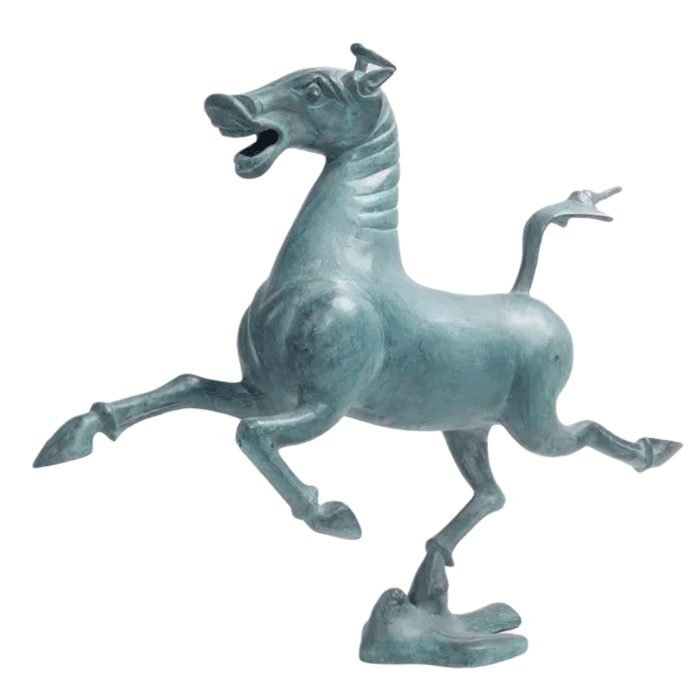
When a sculpture first emerges from its investment mold after casting via the traditional lost-wax method, it is far from finished. The surface is rough and discolored from the heat, and it bears the remnants of the casting system, such as sprues and gates (channels through which the molten bronze flowed). These must be carefully cut away before any finishing work can begin. This raw state is the blank canvas upon which our finishing artisans begin their work.
Metal Chasing: The Art of Refining Detail
Chasing is arguably one of the most critical and skill-intensive steps. It involves using a variety of hammers and specialized steel tools (chasers) to refine the sculpture's surface. Our artisans perform several key tasks during this phase:
- Welding and Grinding: For larger sculptures cast in multiple pieces, the sections are expertly welded together. The seams are then ground down and chased until they are completely invisible, creating a seamless, monolithic appearance.
- Imperfection Removal: Small pits or irregularities from the casting process are meticulously worked out of the surface.
- Detail Enhancement: This is where the artistry truly shines. Chasers are used to sharpen lines, define edges, and enhance textures that may have been slightly softened during casting. For a Sun Wukong statue, this means refining the details of his "golden-chain mail" or the intensity of his gaze.
Polishing: Setting the Surface Sheen
After chasing, the sculpture is polished to create the desired surface texture, which will significantly affect how it interacts with light and how the final patina appears. The level of polishing is a key specification in any quote.
- Matte Finish: Achieved through sandblasting or light abrasion, this finish provides a non-reflective, soft surface. It is excellent for modern designs or for creating high contrast with polished highlights.
- Satin Finish: This is a popular intermediate option that offers a soft, subtle luster without being highly reflective. It is achieved with finer abrasives and buffing wheels.
- High Polish or Mirror Finish: The most labor-intensive option. It requires a multi-stage process of sanding with progressively finer grits, followed by extensive buffing with specialized compounds. This creates a brilliant, mirror-like surface that reflects its surroundings. This is often used for specific elements on a sculpture to create a dramatic visual accent.
A Deep Dive into Patina: The Art and Science of Coloring Bronze
Patina is the colored layer that forms on the surface of bronze. While it can occur naturally over decades of exposure to the elements, our artisans accelerate and control this process using a combination of chemicals and heat to create specific, durable, and beautiful finishes. This is a chemical reaction with the metal itself, not a layer of paint, ensuring a finish that is integrated with the sculpture.
Traditional vs. Modern Patinas
The choice of patina has a profound impact on the character of the final piece. As an ISO 9001 certified facility, we have standardized processes to solve common sourcing pain points, such as achieving consistent patina color matching across bulk orders—a critical requirement for architectural projects or corporate collections.
- Traditional Antique Finishes: These patinas mimic the effects of natural aging. The most common colors are rich browns (from light tan to deep umber), classic greens (verdigris), and statuary black. These are achieved by applying solutions like ferric nitrate or cupric nitrate to the heated bronze, carefully controlling the temperature and application technique to build up the desired color and depth.
- Modern and Polychrome Finishes: Contemporary art often calls for a broader palette. Our artisans can create vibrant blues, reds, and even white or golden tones using different chemical compounds. Polychrome (multi-colored) finishes are the most complex, requiring meticulous masking and multiple applications to apply different colors to specific areas of the sculpture, such as coloring Sun Wukong's armor differently from his staff.
How Patina Choice Impacts Your Quote
The complexity of the patina is a direct cost factor. A simple, single-color traditional brown patina is the most straightforward. In contrast, a multi-stage, polychrome finish can require significantly more time and expertise. The cost is influenced by the number of colors, the precision required in their application, and the specific chemicals used, some of which are more costly than others. When you customize a bronze sculpture from sculpmart.com, we provide clear options and transparent pricing based on your desired patina.
Quality Assurance and Logistics for Your Sculpture Order
A reliable B2B supplier provides more than just a product; they provide a comprehensive service that ensures quality, scalability, and peace of mind from production through to delivery.
ISO 9001 Certified Process and Inspection
Our adherence to the ISO 9001 quality management system ensures a consistent, documented process for every project. Each sculpture undergoes a rigorous quality inspection before shipment, checking for casting integrity, finish consistency, and dimensional accuracy against the approved design. We stand by our craftsmanship, offering a free replacement for any piece with verifiable casting defects.
From Single Prototypes to Bulk Production
We understand the varying needs of our clients. Our production model supports everything from a single custom prototype (MOQ from 1 piece) to large-scale production runs. With an annual output of over 50,000 bronze art pieces, we have the capacity and skilled workforce to handle substantial orders for architectural installations, corporate gifting, or retail product lines. Pricing for bulk orders is negotiable and structured based on the specific size and design complexity of the project.
Export-Ready Packaging and After-Sales Support
One of the most common pain points in sourcing art internationally is damage during transit. We solve this by using robust, export-compliant protective packaging specifically designed to protect fragile and high-value sculptures. Our commitment to our clients extends beyond delivery. We provide comprehensive after-sales support, including professional guidance on patina touch-ups and long-term restoration to ensure your investment retains its beauty for generations.
In conclusion, the final quote for your custom Sun Wukong bronze sculpture is a reflection of material, artistry, and quality assurance. By understanding the roles of chasing, polishing, and patination, you can engage with suppliers on a more technical level, ensuring the final product is not just a statue, but a masterfully executed piece of art. To learn more about our heritage and capabilities, please read about scultmart and our commitment to the timeless tradition of bronze craft.