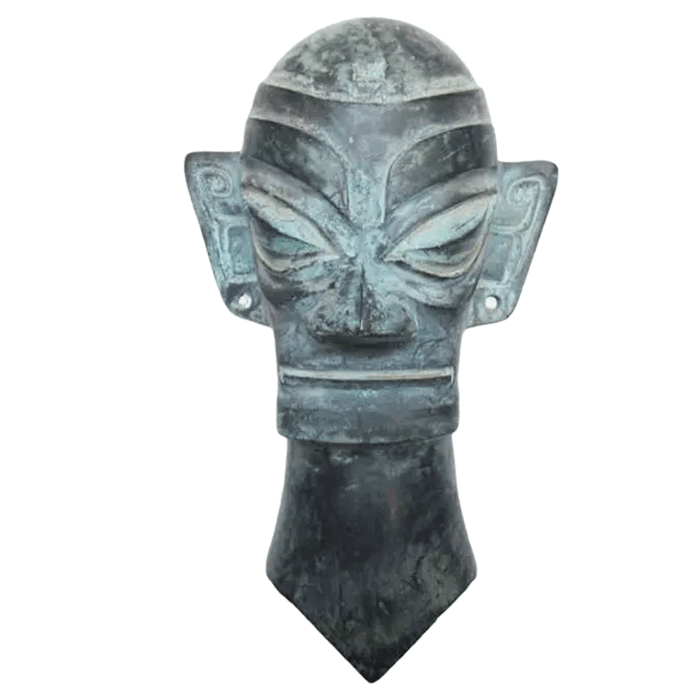
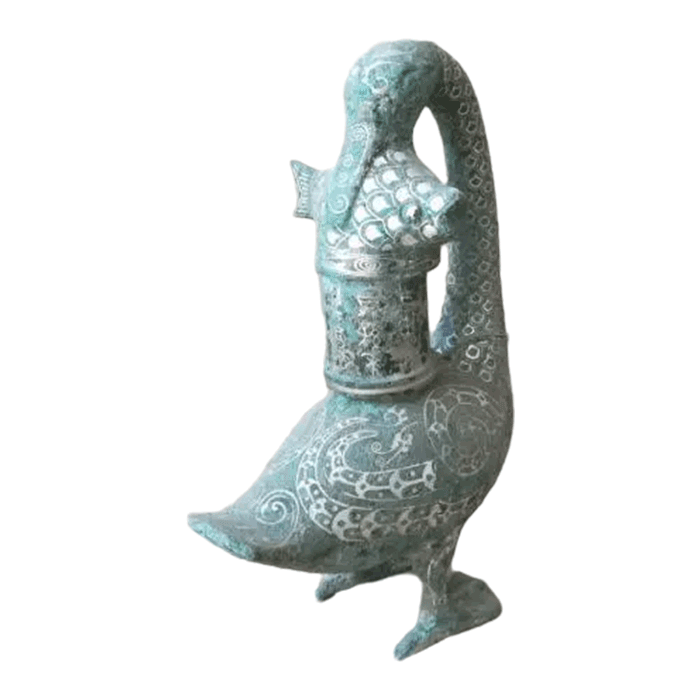
Custom Silver Teapot Cost Calculation Guide
Understanding Your Investment: Calculating Costs for a Bespoke Silver Teapot
For procurement teams and discerning collectors embarking on the acquisition of high-value, custom metal art pieces, a clear understanding of cost drivers is paramount. While Luoyang Yichuan Bronze Craft Co., Ltd. proudly specializes in exquisite bronze craftsmanship, the fundamental principles of precision, material integrity, and artisanal labor that govern the production of a handmade silver piece, such as a custom pure silver teapot, are directly analogous to our own exacting standards in bronze art. This guide aims to demystify the cost calculation for such bespoke items, providing a framework for budgeting and specification that applies across fine metal arts.
When procuring a high-value, bespoke item such as a custom pure silver teapot or an intricate bronze sculpture, understanding the cost drivers is paramount. It involves more than just the raw material price; it encompasses design, complex manufacturing processes, skilled labor, and stringent quality control. Our expertise at Luoyang Yichuan, rooted in centuries of traditional lost-wax casting and modern quality management, offers a unique perspective on the meticulous planning required for any custom metal art project.
The Core Elements Influencing Custom Metal Craft Pricing
The total cost of any custom metal art piece, whether it's a monumental bronze statue or a delicate custom pure silver teapot, is an aggregation of several critical factors. These elements are interconnected, and a change in one often influences others. For procurement specialists, dissecting these components is essential for accurate budgeting and effective vendor communication.
Material Cost: Silver vs. Bronze and Purity Considerations
The most immediate and often largest component of cost is the raw material itself. For a custom pure silver teapot, the market price of silver is a primary driver. Silver, a precious metal, experiences daily fluctuations in its global commodity price, making precise budgeting challenging without a clear lock-in mechanism with your supplier. The purity of the silver also significantly impacts its price; for instance, 999 fine silver (99.9% pure) will command a higher price per gram than 925 sterling silver (92.5% silver, 7.5% other metals, typically copper), partly due to its material composition and partly due to its processing requirements.
In contrast, bronze, our specialty at Luoyang Yichuan, offers a different material profile. We use a premium bronze alloy (Cu-Sn), chosen for its strength, durability, and aesthetic qualities. While bronze is less expensive than silver per unit of weight, the metallurgical precision required for its casting and the specific alloy composition still represent a significant material investment, especially for large or intricate pieces. Understanding the material specifications, whether for silver or bronze, is the first step in cost estimation.
Weight and Volume: Direct Proportionality in Material Usage
Once the material type and purity are determined, the physical weight of the finished piece becomes the next critical factor. For any custom metal item, its final weight directly correlates with the amount of raw material consumed. This is particularly true for solid cast pieces, but also applies to hollow-cast items where material thickness is consistent. To estimate weight, engineers and designers calculate the volume of the piece based on its 3D model, then multiply that volume by the density of the chosen metal. Slight variations in design or desired wall thickness can lead to substantial differences in material usage and, consequently, cost.
For example, a slightly thicker base on a teapot or a more robust limb on a bronze statues with different themes can add significant weight. This underscores the importance of precise design specifications and adherence to design tolerances throughout the manufacturing process. Our proficiency in creating detailed prototypes and molds ensures that the final product dimensions and weight align with the initial design intent, minimizing unforeseen material costs.
Design Complexity and Intricacy: The Skill Premium
The complexity of a design is a major determinant of labor costs and, by extension, overall project cost. Intricate details, elaborate patterns, multiple components requiring assembly, and unique, non-standard forms all demand more skilled labor, specialized tooling, and extended production times. A simple, minimalist form will naturally be less expensive to produce than a highly ornate or multi-faceted design.
Consider the difference between a smooth, unadorned surface and one requiring elaborate chasing, engraving, or filigree work. Each additional layer of detail translates into more hours for master craftsmen and finishing artisans. This is an area where Luoyang Yichuan excels, boasting over 30 skilled craftsmen, including bronze-casting masters and finishing artisans, capable of executing designs of exceptional complexity with precision and artistry.
Material Purity and Weight: The Foundation of Your Custom Pure Silver Teapot Budget
Delving deeper into the specifics, the budget for a custom pure silver teapot hinges significantly on two interrelated factors: the purity of the silver and the final weight of the piece. These elements form the bedrock of material cost, demanding careful consideration during the initial planning stages.
Understanding Silver Purity and Its Cost Implications
Silver purity is typically expressed in "parts per thousand" or as a percentage. Common purities include:
- 999 Fine Silver (99.9% pure): This is the purest form commercially available. It is softer and more malleable than alloys, making it ideal for intricate work where ductility is beneficial, but also more susceptible to scratches and dents if not handled carefully. Its higher purity naturally commands a premium price.
- 925 Sterling Silver (92.5% silver, 7.5% copper or other metals): This alloy is harder and more durable than fine silver, making it a popular choice for functional items like tableware and jewelry. The alloying metals increase its strength and resistance to tarnish, though it still requires proper care. The inclusion of less expensive metals makes it generally more affordable than 999 fine silver.
The choice between these purities depends on the intended use, aesthetic preference, and budget. For a high-end, collector's item or a ceremonial custom pure silver teapot, 999 fine silver might be preferred for its intrinsic value and luster. For a teapot intended for regular use, sterling silver might offer a better balance of durability and cost.
Estimating Weight for Accurate Costing
Accurately estimating the final weight of a custom pure silver teapot requires detailed design specifications. This involves:
- 3D Modeling: A precise 3D model of the teapot, including all components (body, lid, handle, spout, internal filters if any), is essential. This model allows for exact volume calculation.
- Material Density: Knowing the specific density of the chosen silver alloy (e.g., 999 fine silver has a density of approximately 10.49 g/cm³, while 925 sterling silver is slightly less dense, around 10.39 g/cm³) is crucial.
- Wall Thickness: The desired thickness of the teapot's walls, spout, and handle will directly affect its total volume and thus its weight. Thicker walls add robustness and a sense of heft, but also increase material consumption.
The formula is straightforward: Weight = Volume × Density. However, achieving precise volume calculations for complex shapes can be challenging without specialized software and expertise. This is where experienced manufacturers like Luoyang Yichuan, with their capabilities in design and prototyping, can provide invaluable assistance. Our process, whether for bronze or in principle for silver, involves meticulous design review and prototyping to ensure that the final product's weight and material usage align with the client's expectations and budget.
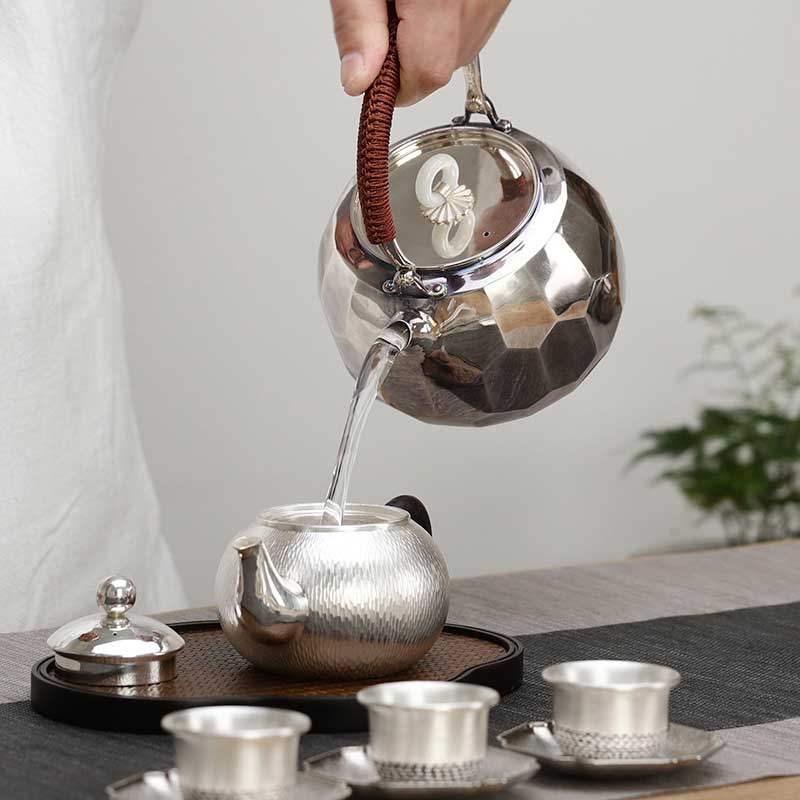
The Art of Craftsmanship: Beyond Raw Materials
While material costs are significant, the true value and distinctiveness of a custom metal art piece lie in the craftsmanship. The skilled labor, specialized techniques, and meticulous attention to detail during every stage of production contribute substantially to the overall cost and, more importantly, to the quality and longevity of the piece. This is where Luoyang Yichuan's heritage and expertise, honed over decades in bronze artistry, translate into a profound understanding of high-end metal craft, be it for a chinese bronze sculpture or a silver teapot.
Design and Prototyping: Laying the Foundation
Every custom project begins with design. This phase involves translating a client's vision into tangible blueprints, 3D models, and often, physical prototypes. This can include:
- Conceptualization and Artistic Rendering: Initial sketches and digital renderings to visualize the piece.
- Technical Drawing and CAD Modeling: Creating precise engineering drawings and 3D computer-aided design models to define dimensions, tolerances, and structural integrity.
- Wax or Resin Prototyping: For intricate pieces, a full-scale wax or resin model is often created. This allows for physical inspection, refinement of details, and ensures the design meets aesthetic and functional requirements before committing to expensive metal casting. This step is crucial for ensuring the exact replication of antique bronzes, a pain point we effectively solve for our clients.
Each iteration and refinement in this stage adds to the labor cost but is invaluable in preventing costly errors during actual metal production. This meticulous approach ensures that the final product, whether a custom pure silver teapot or a bronze vessel, perfectly embodies the client's vision.
Casting Technique: The Lost-Wax Method
The lost-wax casting method is a cornerstone of fine metal art production, renowned for its ability to capture intricate details and achieve high precision. This ancient technique, perfected over millennia and central to our bronze casting process, involves several labor-intensive steps:
- Mold Creation: A silicone or plaster mold is made from the original model (or prototype).
- Wax Pattern: Molten wax is poured into this mold to create a hollow wax replica of the final piece.
- Gating and Spruing: Wax rods (gates and sprues) are attached to the wax pattern to create channels for molten metal to flow in and air to escape.
- Investment: The wax pattern is encased in a ceramic shell, creating a robust mold.
- Burnout: The ceramic shell is heated in a kiln, melting out the wax (hence "lost wax") and leaving a hollow cavity identical to the original pattern.
- Pouring: Molten metal (silver or bronze) is poured into the hot ceramic shell.
- Breakout and Cleanup: Once cooled, the ceramic shell is carefully broken away, revealing the rough metal casting. The gates and sprues are cut off.
Each step demands specialized skills and careful execution by bronze-casting masters (or silver-casting equivalents). The complexity of the piece directly impacts the difficulty and time required for each stage, thereby influencing labor costs significantly. Our production area of 3,000 square meters and over 30 skilled craftsmen are dedicated to mastering these precise techniques.
Hand Finishing: The Mark of True Artistry
After casting, the metal piece is far from finished. Extensive hand finishing is required to bring out its true beauty:
- Chasing and Tooling: Artisans use various hand tools to refine details, remove imperfections, and add textures or engravings that were not fully captured during casting. This can involve hours of delicate work to sharpen lines, smooth surfaces, and perfect contours.
- Polishing: The piece undergoes multiple stages of polishing, from rough abrasive compounds to fine buffs, to achieve the desired luster, whether a mirror finish for a custom pure silver teapot or a subtle sheen for a bronze sculpture.
- Patina and Surface Treatment: For bronze, customize a bronze sculpture from sculpmart.com often includes the application of a patina – a chemical process that creates an aged or colored surface finish (antique or modern looks). While silver typically does not receive a patina in the same way, it may undergo specialized treatments to enhance its appearance or protect against tarnish. Consistent patina color matching is a key area where Luoyang Yichuan excels.
These finishing processes are labor-intensive and require immense skill and an artistic eye. They are crucial for transforming a raw casting into a museum-quality art piece.
Quality Assurance and Packaging
Quality inspection before every shipment is a non-negotiable standard at Luoyang Yichuan Bronze Craft Co., Ltd. Our ISO 9001 certification underscores our commitment to a rigorous quality management system. For any custom metal art piece, including a custom pure silver teapot, this involves:
- Dimensional Accuracy Checks: Ensuring the piece adheres to design specifications.
- Surface Finish Inspection: Verifying the quality of polishing, chasing, and patina.
- Structural Integrity Tests: Ensuring the piece is sound and free from casting defects. We offer free replacement for casting defects, demonstrating our confidence in our production.
- Export-Compliant Protective Packaging: Fragile sculptures, whether bronze or silver, require specialized packaging to ensure safe transit globally. This includes custom crates, shock-absorbing materials, and appropriate labeling, all designed to comply with international export standards.
These quality measures and specialized packaging add to the overall cost but are indispensable for delivering a flawless product and preventing damage in transit.
Understanding Production Scalability and Logistics for Custom Metalware
Beyond the direct costs of material and labor, the logistical aspects of production, order volume, and post-delivery support significantly influence the total landed cost for custom metalware. For procurement teams, understanding these elements is vital for comprehensive budgeting and project planning.
MOQ and Bulk Order Economics
Luoyang Yichuan Bronze Craft Co., Ltd. offers remarkable flexibility for custom projects, with a Minimum Order Quantity (MOQ) starting from 1 piece for custom sculptures. This capability extends to complex custom bronze artworks, allowing clients to commission unique prototypes or individual masterpieces without prohibitive volume requirements. For larger projects or multiple identical pieces, bulk orders are negotiable based on size, design complexity, and overall project scope. This flexibility is a critical advantage for clients, enabling them to test designs with a single piece before committing to a larger production run, or to commission a one-of-a-kind item.
The unit cost for a custom pure silver teapot, or any custom metal piece, typically decreases as order volume increases. This is due to efficiencies gained in mold creation (fixed cost amortized over more units), material purchasing, and streamlined production processes. When requesting a quotation, clearly stating your anticipated order volume (e.g., a single prototype versus a run of 50 pieces) will allow manufacturers to provide the most accurate and competitive pricing.
Project Management and Communication
Effective project management is crucial for the successful execution of any custom metal art commission. This includes clear communication channels, regular progress updates, and timely approvals at various milestones (design, prototype, finishing). A well-managed project minimizes delays and rework, thereby optimizing costs. Our team at Luoyang Yichuan ensures a smooth process from initial inquiry to final delivery, providing transparency and expertise throughout.
Global Shipping and Export Compliance
For international clients, shipping and export considerations are integral to the total landed cost. This encompasses:
- Freight Costs: Depending on the size, weight, and urgency of the shipment, options range from air freight (faster, more expensive) to sea freight (slower, more economical).
- Customs Duties and Taxes: Import duties, VAT, and other taxes levied by the destination country must be factored in. These vary significantly by product category and country.
- Documentation: Proper export documentation, including certificates of origin, commercial invoices, and packing lists, is essential for smooth customs clearance. Our products comply with export quality inspection standards for art crafts, simplifying this process for our clients.
- Insurance: Protecting high-value items like a custom pure silver teapot or a bronze artwork during transit is paramount. Comprehensive insurance coverage is highly recommended.
Luoyang Yichuan provides guidance and support in navigating these complexities, ensuring that products reach their destination safely and efficiently.
After-Sales Support: A Commitment to Longevity
The relationship with a manufacturer doesn't end at delivery. High-quality metal art pieces are investments designed to last for generations, and proper maintenance and occasional restoration may be required. Luoyang Yichuan offers comprehensive after-sales support, including guidance for patina touch-ups and restoration advice. This commitment to the longevity of our creations provides clients with peace of mind and ensures their custom bronze artworks retain their beauty and value over time. While our direct services are for bronze, the principle of supporting the long-term enjoyment of a valuable custom metal piece remains universal.
Luoyang Yichuan Bronze Craft Co., Ltd.: Your Partner in Premium Custom Metal Art
While this article has extensively discussed the cost factors associated with commissioning a custom pure silver teapot, it is important to reiterate Luoyang Yichuan Bronze Craft Co., Ltd.'s core expertise. We are a leading manufacturer specializing exclusively in premium bronze alloy (Cu-Sn) art pieces, utilizing the traditional lost-wax method for unparalleled detail and quality. Our ISO 9001 certified processes ensure that every product, from a single custom prototype to bulk production runs, meets stringent export quality inspection standards for art crafts.
Located in Yichuan County, Luoyang, Henan Province, our 3,000 square meter production area houses over 30 skilled craftsmen, including renowned bronze-casting masters and finishing artisans. This dedicated team is adept at hand chasing, polishing, and applying various patina finishes, offering both antique and modern aesthetics. We excel in solving common custom bronze art sourcing pain points, such as exact replication of antique bronzes, consistent patina color matching across multiple pieces, and providing export-compliant protective packaging for fragile sculptures.
Luoyang Yichuan Bronze Craft Co., Ltd. does not produce a custom pure silver teapot directly, but our expertise in precision metal casting and finishing provides invaluable insight into the meticulous processes and cost components involved in creating such bespoke treasures. We apply the same rigorous standards of material quality, craftsmanship, and customer service to our extensive range of bronze products, which includes:
- Bronze sculptures (human and animal statues)
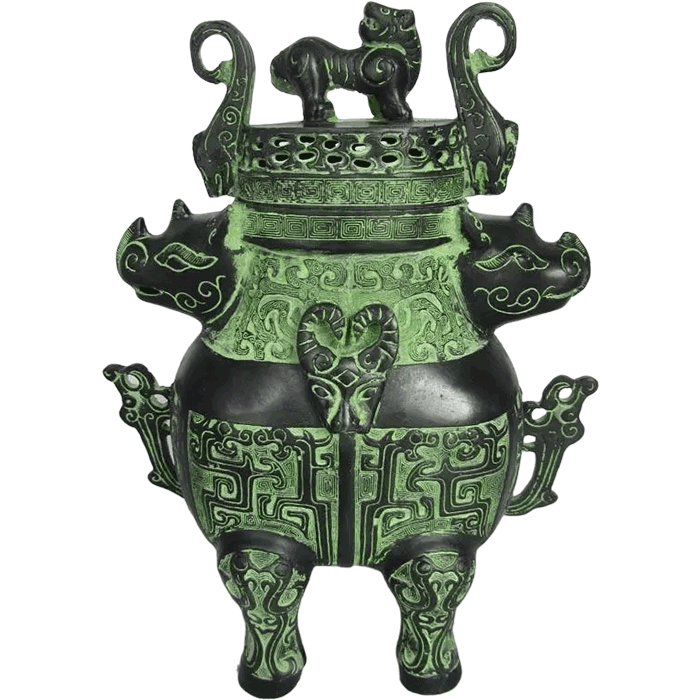
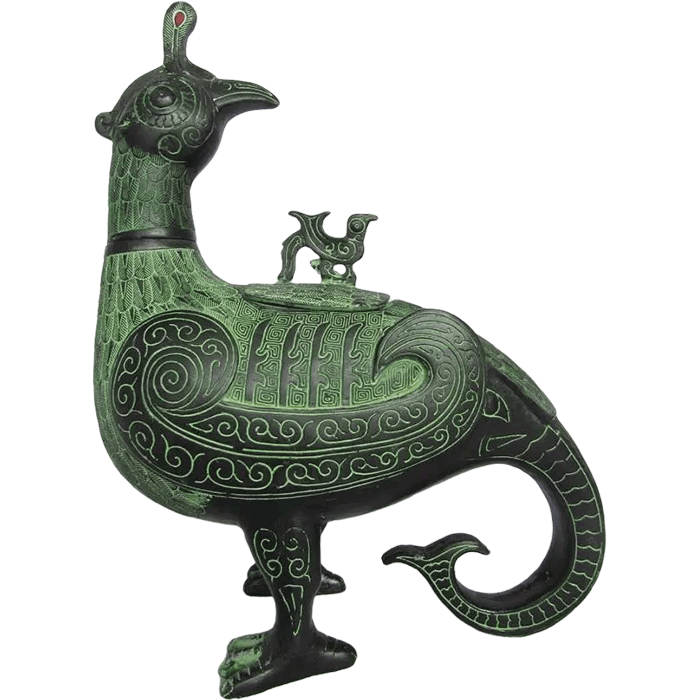
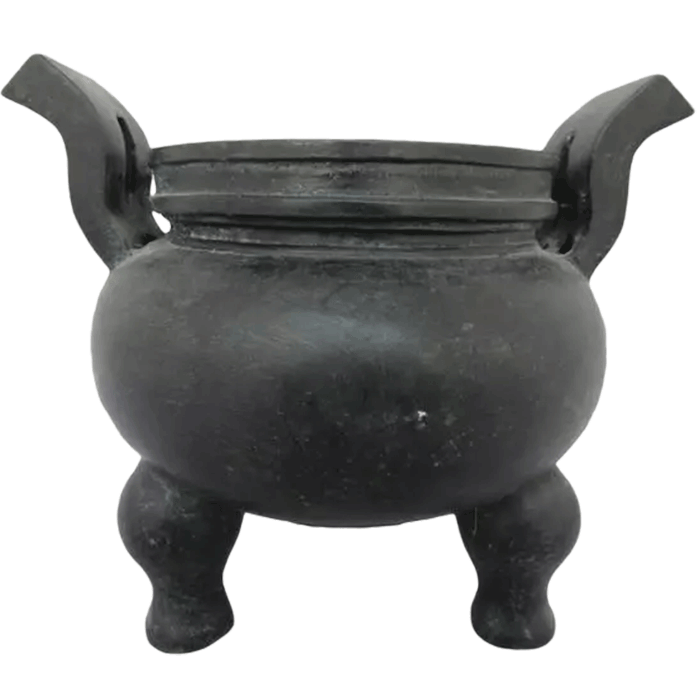
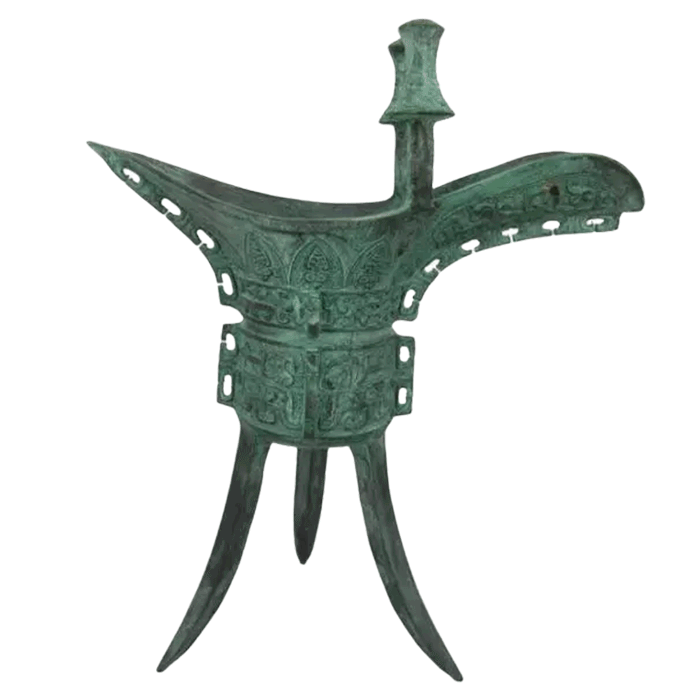
- Bronze vessels (ding, zun, hu tripods and vases)
- Bronze mirrors (several bronze mirrors)
- Bronze incense burners
- Bronze Buddhist statues
- And all manner of bronze home decor arts
Our commitment extends beyond delivery, with quality inspection before every shipment, free replacement for casting defects, and comprehensive after-sales support for patina touch-ups and restoration guidance. We are dedicated to partnering with clients to bring their most ambitious bronze art visions to life, ensuring every piece is a testament to enduring craftsmanship and artistic excellence.
While our specialization lies in bronze, the principles of meticulous design, expert lost-wax casting, and exquisite hand-finishing we apply to every custom bronze artwork are directly analogous to the processes required for an item like a custom pure silver teapot. We invite you to learn more about about scultmart and explore our capabilities for your next custom bronze project. Whether you are envisioning a unique custom pure silver teapot or a grand bronze monument, the foundational principles for estimating cost remain consistent: material, labor, and an unwavering commitment to quality.