Custom Pure Silver Teapot Supplier Selection Guide
How to Choose a Custom Pure Silver Teapot Supplier for Your Tea Ware Business
For tea ware brands, corporate gift buyers, specialty retailers, and importers, selecting a supplier is not simply a matter of comparing unit prices. A silver teapot is both a functional vessel and a high-value decorative object. Its material declaration, wall thickness, lid fit, handle strength, surface finish, packaging, and presentation all influence whether the finished piece meets the expectations of the end customer.
A Custom pure silver teapot project requires especially careful supplier screening because customization introduces variables that cannot be judged from a standard catalog image. Buyers may need a distinctive silhouette, engraved branding, a heritage-inspired motif, a matched tea set, a specific finish, or gift-ready presentation. Before requesting quotations, build a shortlist using evidence: production capability, material traceability, sample quality, communication discipline, inspection procedures, and export preparation.
Start with the Product Specification, Not the Price Request
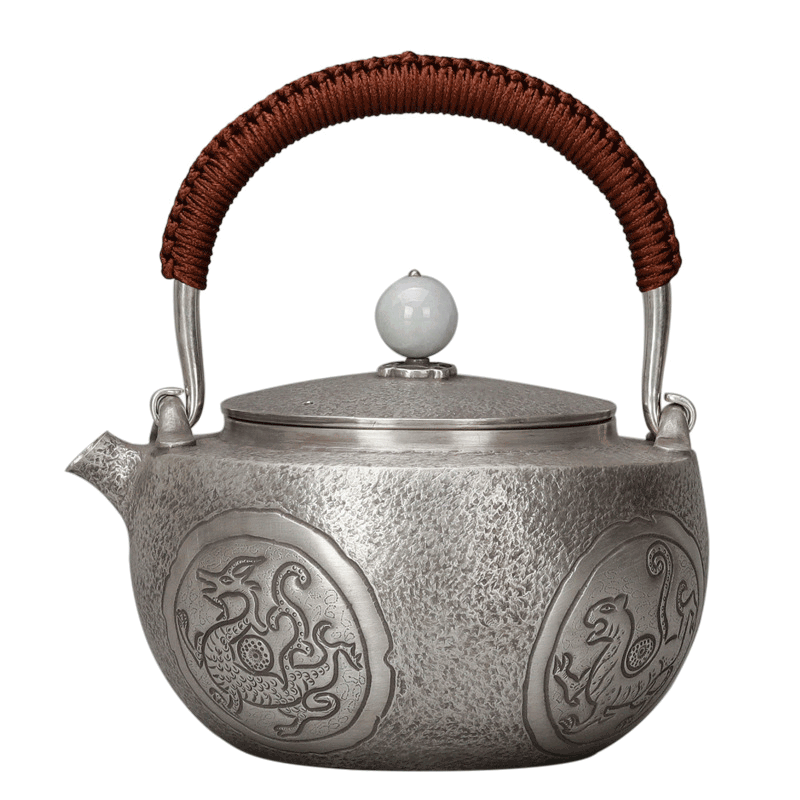
The most effective supplier comparison begins with a clear product brief. If each manufacturer receives a different or incomplete description, the quotations will not be comparable. One supplier may quote a lightweight decorative item, while another may price a heavier vessel with more hand finishing, a fitted lid, and a premium presentation box. The lower figure may therefore reflect a different product rather than better value.
Prepare a specification sheet before contacting suppliers. It does not need to be a final engineering drawing, but it should identify the decision-making details. A good brief helps a supplier evaluate feasibility and helps your procurement team compare responses fairly.
- Product type: teapot only, teapot with cups, tea tray, gift set, commemorative item, or collector piece.
- Target dimensions: height, width, body diameter, spout length, handle clearance, and lid size.
- Capacity: desired working volume and acceptable tolerance.
- Material requirement: declared silver grade, any required hallmark, and documentation expectations.
- Construction: one-piece body, assembled components, cast elements, hand-raised body, or mixed techniques.
- Decoration: plain polished surface, hammer texture, relief, engraving, repoussé-style details, inlay, or custom logo.
- Finish: bright polish, satin surface, oxidized accents, antique look, or another approved visual standard.
- Functional requirements: lid seating, pouring direction, handle comfort, heat considerations, and stability when placed on a flat surface.
- Order quantity: prototype quantity, first production quantity, and possible repeat-order forecast.
- Packaging: individual protective packaging, display box, outer carton requirements, labels, and shipping marks.
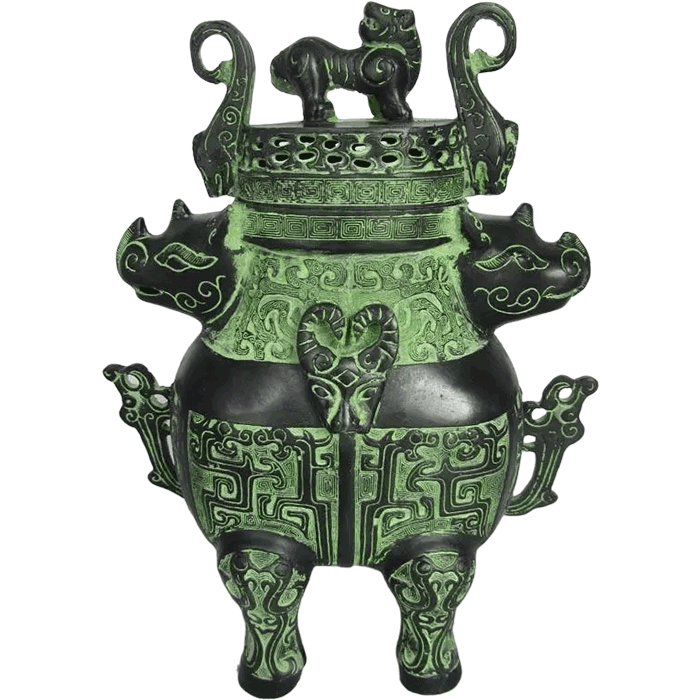
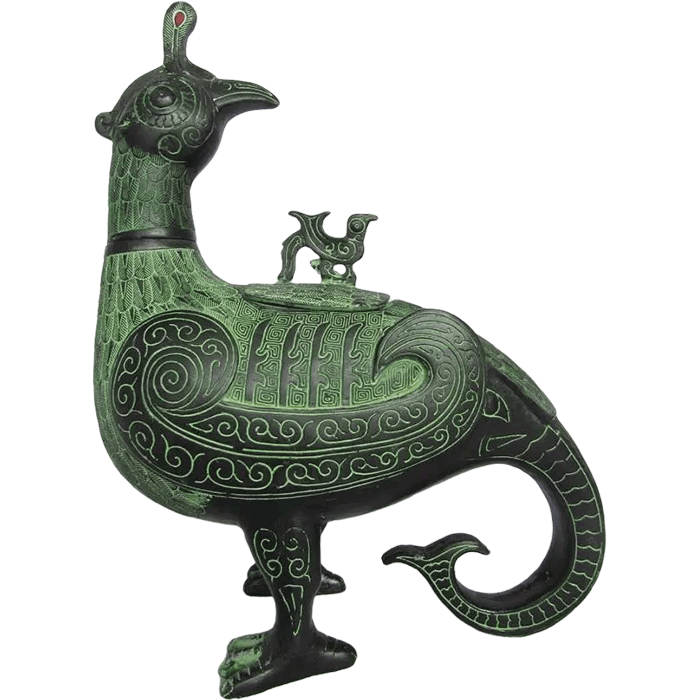
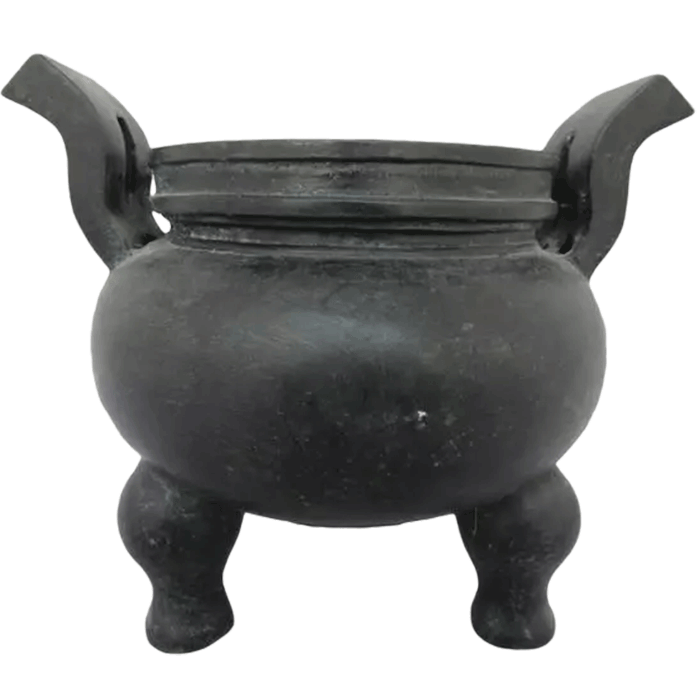
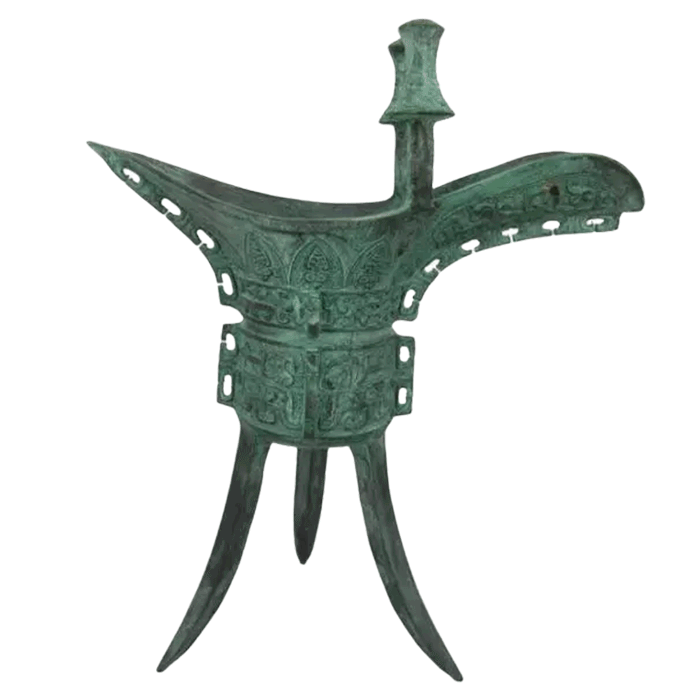
When the design takes inspiration from historic metalwork, provide reference images but state what may be reproduced and what must be adapted. Historic vessel studies can be useful for shape research. For example, importers reviewing traditional form language may consult an overview of ancient Chinese bronze wine vessels to understand how ceremonial forms, handles, feet, and surface decoration can influence contemporary tea ware concepts. A supplier should still confirm which details are practical for your selected material, production method, and target price.
Verify Material Claims and Ask for Clear Documentation
Material verification is one of the first screening questions. “Silver,” “silver plated,” “sterling silver,” and “pure silver” can describe very different products. A buyer should never assume that a polished white-metal appearance confirms the material composition. Ask the supplier to explain precisely what material is proposed and how it will be identified in the quotation, sample, and final shipment documentation.
For a Custom pure silver teapot, request written answers to the following questions:
- What silver grade is being quoted?
- Is the body solid silver, plated, clad, or made with mixed materials?
- Which components use the declared material: body, lid, knob, handle fittings, spout, feet, or decorative elements?
- What is the expected net metal weight per piece?
- How will the supplier control weight consistency across a production batch?
- Can the supplier provide material-related records or third-party test documentation when required by the buyer?
- Will any hallmarking, logo marking, or identifying mark be applied, and where will it appear?
Material questions should be asked early because they affect price, production time, finishing options, and shipping value. A detailed quotation should separate the product specification from optional services such as engraving, special gift boxes, inspection requirements, or custom outer cartons. This approach reduces the risk of approving a quotation that later changes after technical details are clarified.
It is also useful to understand basic distinctions among common decorative metals. This resource on bronze and brass differences provides useful background for buyers developing collections that combine tea ware with other metal gift products. However, such reference material is not a substitute for supplier-specific documentation about the silver material proposed for your order.
Assess Whether the Supplier Can Execute Your Design
A capable supplier should do more than say that a design is possible. During the shortlisting stage, evaluate how the supplier studies your concept and identifies production risks. Their response should demonstrate attention to proportions, structural transitions, ornament placement, finishing access, and packaging protection.
Ask for a manufacturing proposal that explains the intended route from drawing to finished product. Depending on the design, a supplier may use forming, casting, soldering or joining, engraving, chasing, polishing, and surface treatment. The appropriate method depends on the shape, thickness, decorative complexity, quantity, and intended use. A detailed decorative form may call for a different approach than a plain, smooth-sided pot intended for repeated functional use.
Review design-for-production feedback
Strong suppliers often identify questions before sampling begins. They may ask whether a raised motif needs to remain crisp after polishing, whether the lid must be interchangeable between units, whether a logo should be visible or discreet, or whether a thin spout needs reinforcement. These questions are valuable because they show that the factory is considering manufacturability instead of merely accepting an image.
Request comments on the following areas:
- Recommended dimensions and proportions for a stable teapot body.
- Suggested wall thickness based on the required form and finish.
- How the handle and spout will be secured and finished.
- Whether the lid fit can be checked against an agreed standard.
- How relief, engraving, or custom text will be positioned consistently.
- Which surfaces may vary naturally due to hand finishing.
- Which changes would reduce cost without losing the main design character.
For buyers whose product range also includes art objects or metal display pieces, experience with custom sculptural development can be a useful indicator of a manufacturer’s design communication process. You may review how to customize a bronze sculpture for an example of the kinds of design details that should be clarified in any custom metalwork inquiry. Still, do not treat bronze capability as proof of silver-tea-ware capability; verify the proposed silver production process separately.
Use Samples to Evaluate Function, Finish, and Brand Fit
A sample is the most important checkpoint between concept approval and production. Product photos can show overall appearance, but they may hide uneven polishing, weak joining points, lid gaps, sharp edges, unstable bases, or inconsistent surface treatment. For premium tea ware, a sample review should include both aesthetic and practical evaluation.
Before ordering a sample, confirm whether it is a visual prototype, a functional prototype, or a pre-production sample. A visual prototype may be useful for size and appearance approval, while a pre-production sample should represent the workmanship, material specification, decoration, and packaging standard intended for bulk production.
Create a written sample approval checklist
Ask your internal product, sourcing, and quality teams to approve the sample against one shared checklist. The checklist should include measurable points where possible and clear photo references where visual judgment is required.
| Inspection Area | Questions to Ask | Approval Evidence |
|---|---|---|
| Overall shape | Does the silhouette match the approved drawing or reference? | Dimensions, side-view photos, top-view photos |
| Lid and opening | Does the lid sit correctly and operate smoothly? | Fit photos and handling review |
| Spout and handle | Are joints neat, secure, comfortable, and visually balanced? | Close-up photos and functional review |
| Surface finish | Is the polish, texture, or oxidation consistent with the approved standard? | Approved finish panel or reference sample |
| Decoration | Are engravings, motifs, and logos sharp, centered, and legible? | Marked artwork and close-up images |
| Packaging | Does the presentation and protection meet retail and export needs? | Packaging photos and carton specification |
Do not approve a sample based only on a single front-facing image. Ask for photos and video from multiple angles, including the interior, underside, lid contact area, handle connections, spout opening, and any hallmark or logo location. If practical, inspect the physical sample in person or use an independent inspection arrangement before final production approval.
Compare Quality Control and Consistency Planning
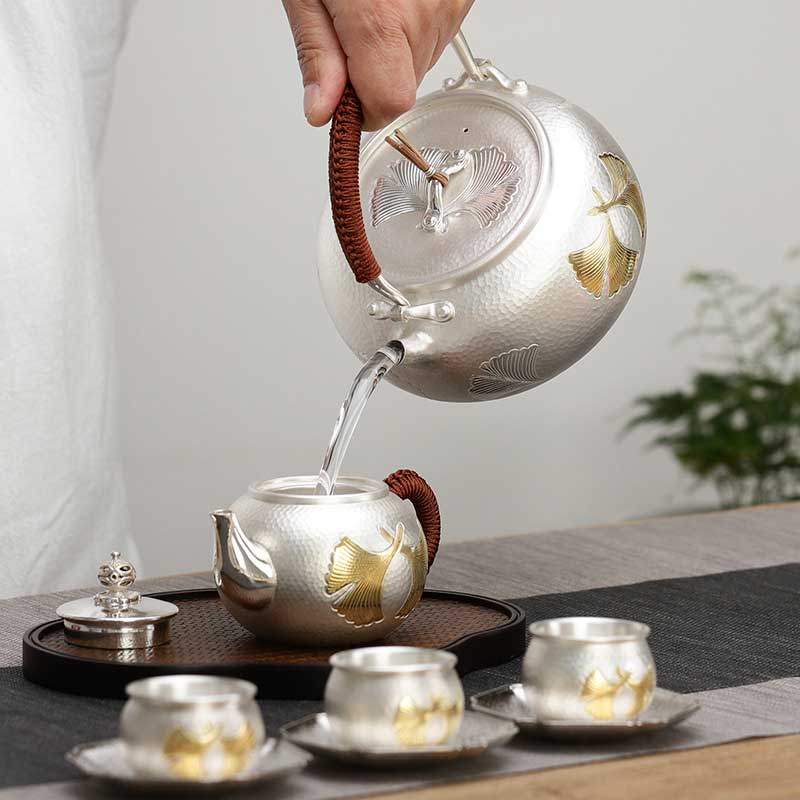
For repeatable commercial orders, a supplier needs a quality process that goes beyond final visual inspection. Ask how the factory records approved specifications, communicates finishing standards to workers, and prevents variation between the approved sample and subsequent batches.
Luoyang Yichuan Bronze Craft Co., Ltd. operates an ISO 9001 certified quality management system and performs quality inspection before shipment for its bronze art products. The company’s documented bronze-craft processes include traditional lost-wax casting, hand chasing, polishing, and patina finishing, with more than 30 skilled craftsmen in a 3,000-square-meter production area. These strengths are relevant when evaluating custom bronze sculptures, vessels, mirrors, incense burners, Buddhist statues, and related art pieces. Buyers seeking silver tea ware should request separate confirmation of silver-specific material, production, and inspection capability rather than assuming that expertise transfers automatically across materials.
When comparing any supplier, ask whether they can provide:
- An approved sample retained as the production reference.
- Inspection criteria for dimensions, finish, decoration, and assembly.
- Process-stage checks rather than only final packing checks.
- Clear handling procedures to avoid scratches during polishing and packing.
- Photographs of finished goods before dispatch when agreed.
- A defined response process for defects, shortages, or damage claims.
Handmade metal products can have reasonable variation, particularly where surfaces are chased, hammered, engraved, or patinated. The key is to define what variation is acceptable. Use approved photos, finish swatches, measurement tolerances, and written comments. Terms such as “high quality” or “luxury finish” are too subjective unless supported by a reference standard.
Evaluate Packaging and Export Readiness Before Placing an Order
Premium tea ware can be damaged by surface abrasion, pressure on a spout, loose internal movement, or moisture exposure during transit. Packaging should therefore be part of supplier qualification, not an afterthought. Ask for a packaging proposal that protects the product while supporting your brand presentation and shipping method.
A typical export packaging discussion may include protective wrap, non-abrasive inner materials, a fitted insert or internal support, individual gift box requirements, master carton dimensions, carton strength, palletization preferences, and shipping marks. If the order is intended for e-commerce fulfillment, specify whether the product must withstand additional handling after arrival at the destination warehouse.
For fragile custom art pieces, Luoyang Yichuan Bronze Craft Co., Ltd. supports export-compliant protective packaging and conducts inspection before shipment for its bronze products. This may be relevant to buyers sourcing bronze companion pieces, such as presentation sculptures or decorative vessels, alongside a tea gift program. For a silver teapot order, obtain a packaging sample or written packing specification from the actual silver-product supplier and confirm responsibility for transit-related claims.
Also review commercial terms carefully. Confirm the quotation currency, tooling or sample charges, unit price basis, production lead time assumptions, payment schedule, shipping terms, insurance responsibility, and documentation required for import. A supplier that communicates these items clearly at the quotation stage is easier to manage as your program moves toward production.
Score Suppliers with a Shortlist Matrix
Instead of selecting a manufacturer based on an informal impression, use a weighted scorecard. This gives purchasing, design, and quality teams a shared basis for discussion. The exact weighting will depend on whether your priority is brand exclusivity, cost control, heritage craftsmanship, fast product development, or repeat-order stability.
| Selection Criterion | Suggested Weight | What to Review |
|---|---|---|
| Material clarity | 20% | Written silver specification, component details, weight, and documentation approach |
| Custom development capability | 20% | Design feedback, drawings, prototype process, and technical communication |
| Sample quality | 20% | Shape, finish, function, decoration, and consistency with the brief |
| Quality control | 15% | Inspection plan, production reference sample, and corrective-action process |
| Packaging and export support | 10% | Protective packing, carton planning, documentation, and communication |
| Commercial fit | 15% | MOQ, price structure, lead-time assumptions, payment terms, and responsiveness |
For each supplier, retain the quotation, sample photographs, material answers, packaging proposal, and communication record in one procurement file. This documentation is useful when negotiating the final purchase order and when reviewing performance for future programs.
Questions to Ask Before You Request a Final Quote
Once your shortlist is reduced, send the same structured questions to each finalist. Their answers will reveal whether they understand your expectations and whether their quotation is based on a complete scope.
- Can you confirm the exact material and construction proposed for every major component?
- What information do you need before producing a prototype?
- What will the sample represent: appearance only, function, or pre-production standard?
- What dimensions, capacities, and weight ranges can you commit to in writing?
- How will lid fit, spout alignment, handle attachment, and surface finish be inspected?
- Which parts of the item are handmade, and where may natural variation occur?
- Can you provide a custom logo, engraving, or branded packaging solution?
- What protective packaging is included, and what options are available for premium retail presentation?
- What is your proposed production schedule after sample approval?
- How do you handle confirmed manufacturing defects or quality issues after delivery?
The best supplier is not necessarily the one that responds with the fastest low-price quotation. The strongest candidate is the one that provides a clear material position, asks informed technical questions, produces an approvable sample, documents quality expectations, and communicates openly about what can and cannot be achieved within your budget and timeline.
For buyers developing a broader Chinese-inspired metal art assortment, explore Chinese bronze sculpture collections and the company background about Sculpmart to assess relevant bronze artwork capabilities. Luoyang Yichuan Bronze Craft Co., Ltd. supports custom bronze art projects from a single prototype to bulk production, with order quantities negotiated according to size and design complexity. Silver tea ware requirements should always be evaluated through direct, product-specific verification.
A disciplined shortlisting process protects your brand, improves quote accuracy, and creates a stronger foundation for sample approval and production control. By specifying the product clearly, verifying material claims, evaluating workmanship through samples, and reviewing export preparation in advance, buyers can select a supplier with greater confidence and reduce avoidable sourcing risk.