Custom Pure Silver Teapot Sourcing Guide
A Custom pure silver teapot requires disciplined sourcing from design to delivery.
Tea brands, corporate gift companies, hospitality buyers, collectors, and importers often need more than an attractive teapot. They need a product that reflects a defined brand position, uses the requested material, arrives safely, and can be reproduced consistently when the program expands. Sourcing a Custom pure silver teapot therefore requires a structured evaluation of design capability, material verification, manufacturing controls, commercial terms, and export readiness.
Silverware procurement can become difficult when a buyer works only from photographs or receives incomplete quotations. A supplier may offer a visually similar item without confirming the silver grade, wall thickness, lid fit, capacity, internal finishing, or packing method. These gaps can cause unexpected cost changes, inconsistent samples, or unsuitable products after arrival. A clear sourcing process helps buyers compare suppliers on like-for-like terms before requesting a final quote.
Start with a complete product brief
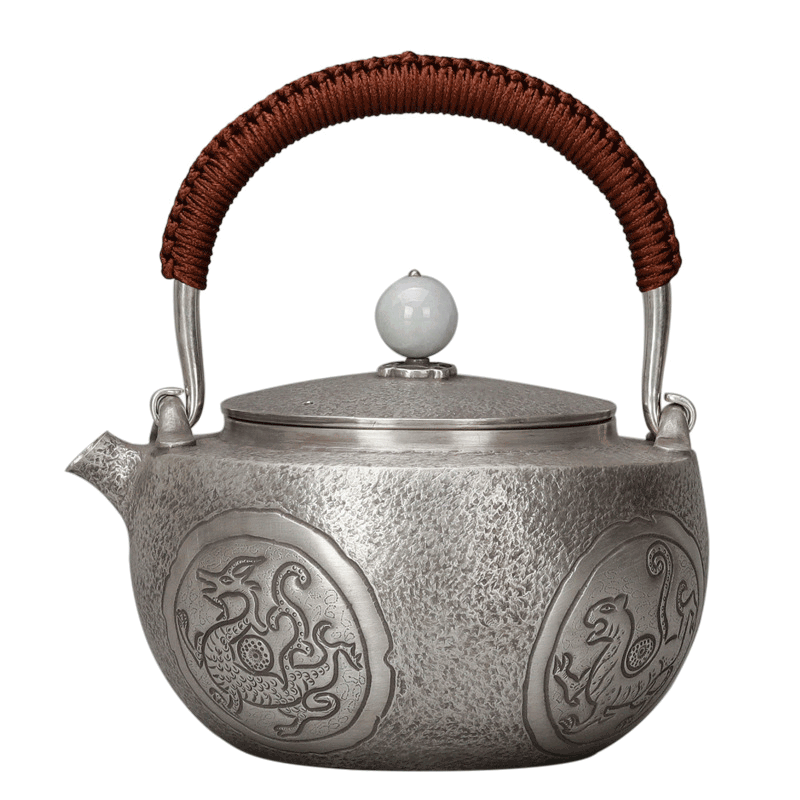
The first step is to convert an idea into a manufacturing brief. A reference image is useful, but it is not enough for quotation or production. The supplier needs to understand which elements are essential to the design and which details may be adjusted for function, cost, or manufacturability.
A good brief identifies the intended market and use case. For example, a ceremonial presentation piece, a premium retail teapot, and a hotel tea-service item may all require different design decisions. A decorative piece may prioritize engraving and sculptural form, while a working teapot must also address pouring control, lid stability, handle comfort, cleaning access, and the risk of deformation during routine use.
Information to include in a request for quotation
- Product name, intended use, and target customer segment.
- Reference photographs, sketches, CAD files, or physical samples where available.
- Requested silver standard, including whether the requirement is fine silver, sterling silver, or another documented alloy.
- Target dimensions, total height, body diameter, capacity, and approximate target weight.
- Required external finish, such as high polish, satin finish, hammered texture, engraving, relief decoration, or oxidized details.
- Functional requirements for the spout, handle, lid, internal surface, and drip control.
- Branding needs, including logo position, hallmarks, packaging inserts, certificates, and gift-box requirements.
- Requested sample quantity, estimated repeat-order quantity, destination country, and desired delivery window.
Buyers should distinguish clearly between mandatory requirements and preferences. If a teapot must hold a specific volume, fit into an existing gift box, or match a previous collection, these dimensions should be marked as critical. If a pattern can be simplified to meet a target budget, that should also be stated. This approach gives suppliers a practical basis for offering alternatives without changing the core concept.
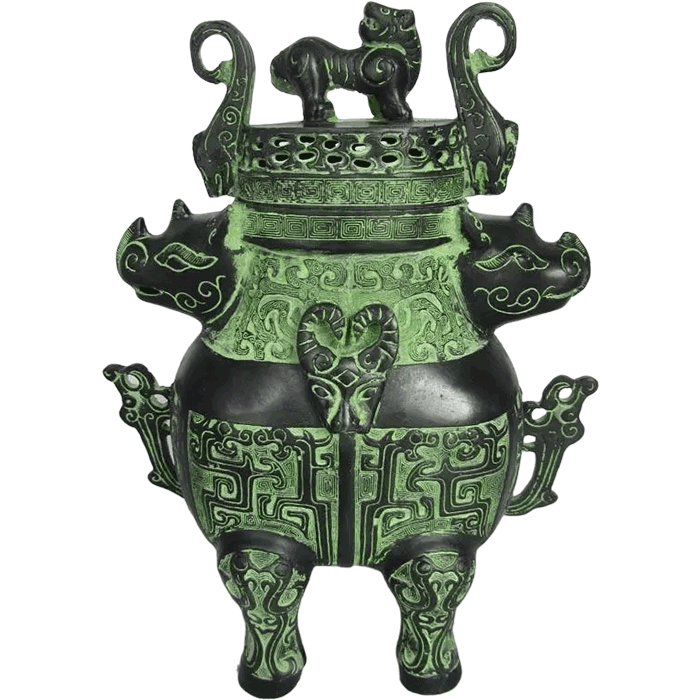
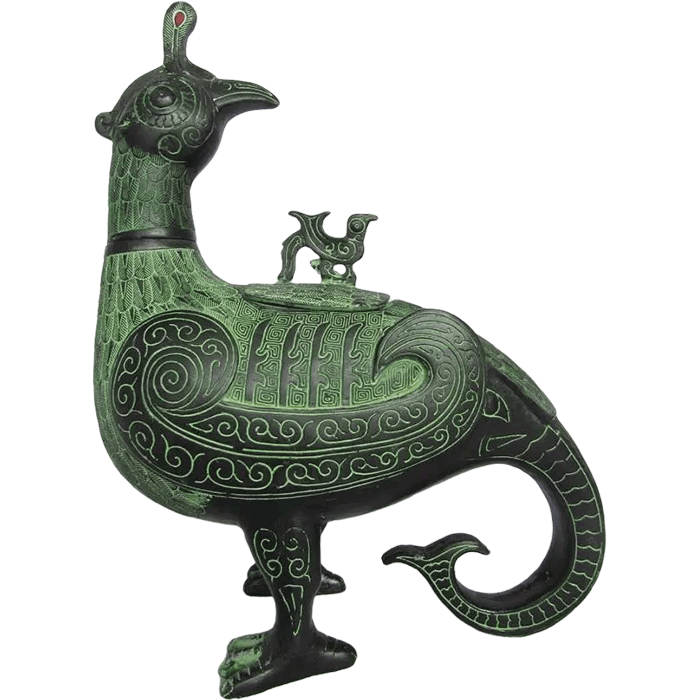
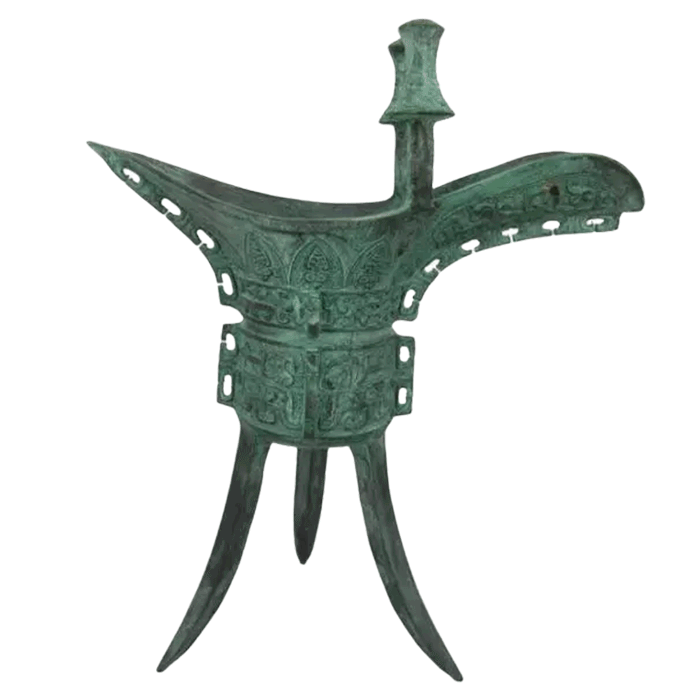
For design teams developing a collection with historic visual references, research into traditional metal vessel forms can be helpful. The company’s resource on ancient Chinese wine vessels illustrates the kind of silhouette, proportion, and ornamental vocabulary buyers may adapt when creating heritage-inspired giftware. Historical inspiration should still be translated into an original, functional modern product rather than copied without review.
Specify silver content and material evidence before placing an order
“Pure silver” can be interpreted differently in commercial discussions. Buyers should not rely on a general material label alone. Instead, they should state the required composition or fineness, ask how the supplier identifies material, and request the supporting documents needed for the destination market. Fine silver is commonly associated with a high silver content, while sterling silver is an alloy selected partly for greater hardness. The appropriate choice depends on the product’s function, form, required durability, and applicable legal marking rules.
A supplier should be able to explain, in writing, what material will be used for the body, lid, handle fittings, decorative elements, soldered joints, and any non-silver internal components. If multiple materials are involved, each should be identified separately. This is particularly important for designs that combine silver with wood, ceramic, stone, brass-colored elements, or insulating handle materials.
Questions to ask about silver verification
- What silver grade will be supplied, and how is it stated on the quotation and purchase order?
- Can the supplier provide material purchase records, assay documentation, or other traceable evidence appropriate to the order?
- Where will hallmarks, fineness marks, or brand marks be placed, and are they suitable for the destination market?
- How will the supplier control the weight range for a handmade item?
- Will the quoted price be adjusted if the final silver weight differs from the agreed allowance?
- Which parts are solid silver, and which parts use another material or joining method?
Buyers should also ask how the supplier manages silver-price volatility. Precious-metal pricing can change quickly, so a quote should state whether it is fixed for a defined period, based on a metal-price formula, or subject to confirmation at the time of production. A transparent pricing method is more useful than a low initial number that leaves the material cost undefined.
When reviewing a supplier’s wider metalwork knowledge, buyers may find it useful to understand the practical distinction between base-metal categories. This article on bronze and brass differences provides context for why alloy composition should never be assumed from color or appearance alone. The same sourcing discipline applies to precious-metal products: the specification must be documented, not inferred from photographs.
Evaluate the supplier’s sample process and manufacturing controls
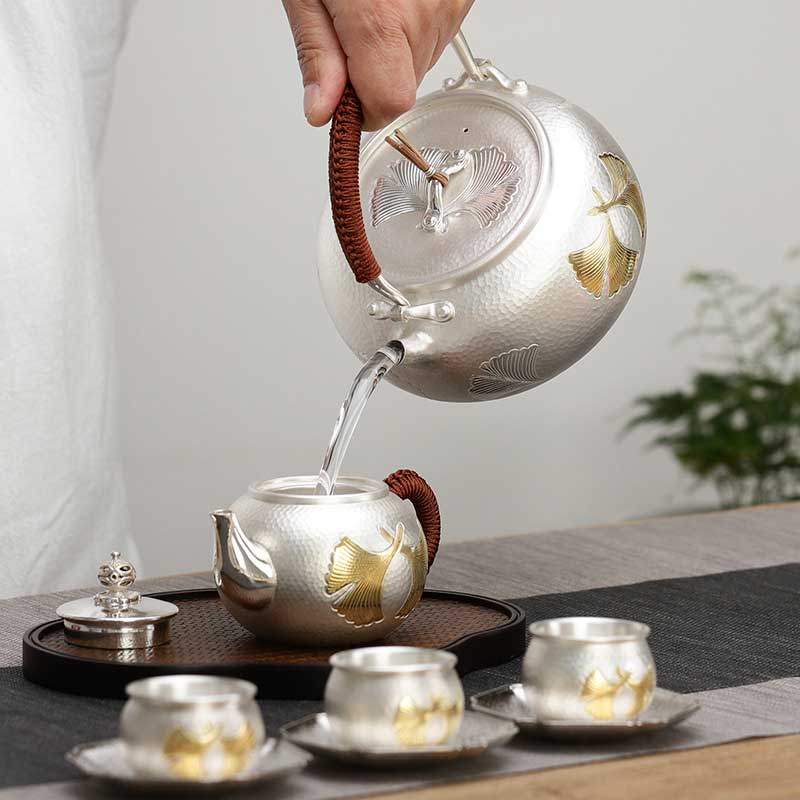
A sample is not merely a visual approval stage. It is the best opportunity to test whether the supplier can convert the approved design into a repeatable production process. Before ordering a sample, agree on its purpose. Is it a concept model, a functional prototype, a pre-production sample, or the final standard against which future units will be inspected? These are different stages and should not be treated as interchangeable.
For a teapot, sample review should include more than decorative appearance. Check the balance when the pot is filled, the comfort and temperature behavior of the handle, the accuracy of the lid fit, the clarity and direction of the pour, and the condition of joints and edges. Ask whether the supplier has tested the piece with water and whether the product is intended for direct tea contact. If a buyer has specific food-contact, chemical, or safety requirements, those requirements should be submitted early and verified against the rules of the destination market.
Key points for sample approval
- Overall dimensions and capacity match the approved drawing or reference.
- The lid seats securely and can be removed comfortably.
- The spout pours in a controlled direction with acceptable drip performance.
- The handle is aligned, securely joined, and comfortable for the intended user.
- Engraved patterns, logos, and surface texture are consistent with approved artwork.
- Polished surfaces are free from unacceptable scratches, dents, sharp edges, and visible finishing residue.
- The item stands level and remains stable on a flat surface.
- The approved sample is photographed, measured, dated, and retained as a reference standard.
For buyers who need sculptural handles, animal motifs, relief ornament, or forms inspired by traditional vessels, it is sensible to assess the supplier’s ability to manage three-dimensional detail. Lost-wax casting, hand chasing, polishing, and patina work are established processes in bronze artwork, but silver fabrication or casting should be evaluated separately according to the supplier’s stated capabilities and material controls. A supplier’s portfolio must demonstrate relevance to the specific product category, not simply general skill in decorative metalwork.
Luoyang Yichuan Bronze Craft Co., Ltd. specializes in bronze artworks, including sculptures, vessels, mirrors, incense burners, Buddhist statues, and custom bronze pieces. Its 3,000-square-meter production area in Yichuan County, Luoyang, includes more than 30 skilled craftsmen and supports custom work from a single prototype to bulk production. Buyers looking for bronze components or companion pieces for a tea-themed collection can review options to customize bronze sculpture according to project requirements. Silver teapot buyers should independently confirm silver-specific production capability, documentation, and compliance before contracting any supplier.
Compare quotations beyond the unit price
A quotation should allow buyers to understand exactly what is included and excluded. Comparing only the headline unit price can be misleading, especially for precious-metal goods where material weight, finishing labor, tooling, packaging, and inspection can significantly affect the total. Request quotations in a consistent format so that each supplier is pricing the same specification.
| Quotation item | What the buyer should confirm |
|---|---|
| Material basis | Silver grade, estimated net weight, permitted weight tolerance, and method for handling metal-price changes. |
| Tooling and development | Whether CAD work, molds, dies, master models, sample revisions, and engraving setup are charged separately. |
| Unit price | Whether the price includes finishing, polishing, hallmarks, logo application, assembly, and final inspection. |
| Minimum order quantity | Sample MOQ, production MOQ, and whether quantity can change after sample approval. |
| Packaging | Individual protective materials, gift box, outer carton, moisture protection, and export packing requirements. |
| Shipping terms | Incoterm, freight responsibility, insurance, customs documentation, and destination delivery scope. |
| Lead time | Sample timing, production timing, approval dependencies, and the point from which lead time is calculated. |
Ask suppliers to identify assumptions in writing. For example, a price may assume a particular surface finish, a fixed engraving area, an estimated silver weight, or standard packaging. If the buyer later changes these assumptions, the supplier should explain the effect on price and lead time before work begins. This protects both parties from disputes created by vague expectations.
MOQ should also be evaluated carefully. A low sample quantity can be valuable during development, while a larger production order may be needed to make specialized tooling or premium packaging economical. Do not assume that a supplier offering one prototype can automatically offer identical commercial pricing at scale. Request separate prices for sample, pilot run, and planned volume.
Build quality inspection and packaging into the purchase order
Quality expectations should be written into the purchase order, not left to a final conversation. The document should define the approved sample, measurable tolerances, cosmetic acceptance criteria, marking requirements, packing instructions, and inspection method. Where practical, buyers can use a pre-shipment inspection checklist that reflects the sample approval record.
For handmade silverware, some minor variation may be inherent to the making process. However, this does not mean that all variation is acceptable. The buyer should define which differences are permissible, such as slight hand-finished texture, and which are unacceptable, such as distorted geometry, loose fittings, damaged decoration, poor lid alignment, or inconsistent branding. Clear criteria enable a supplier to inspect consistently and allow an independent inspection provider to work from the same standard.
Packaging should protect both the product and its surface. Silver is vulnerable to scratching and may require materials that help reduce tarnish exposure during storage and transit. The supplier should explain the sequence of protective wrapping, internal support, gift-box placement, and outer-carton packing. If the teapot includes a fitted presentation box, test the packed product by sending a sample through the expected logistics route before committing to a large launch quantity.
Luoyang Yichuan Bronze Craft Co., Ltd. conducts quality inspection before each shipment of its bronze artworks and provides export-compliant protective packaging for fragile sculptures. The company also offers free replacement for casting defects and after-sales support for patina touch-ups and restoration guidance within its bronze product scope. These practices illustrate why buyers should ask every prospective supplier to define inspection responsibility, protective packing, and after-sales handling for the exact material and product ordered.
Choose a partner based on evidence, communication, and fit
The strongest supplier is not necessarily the one with the lowest initial quote or the most elaborate photo gallery. A suitable partner responds clearly to technical questions, identifies risks before production, documents changes, and provides evidence relevant to the material and product category. During supplier shortlisting, evaluate communication quality as carefully as visual presentation. Slow or vague answers before payment can indicate greater difficulty when specifications change or quality issues arise.
Buyers may also benefit from reviewing related decorative metalwork categories when planning a broader gift or tea-service program. For example, handmade silver craft resources can help buyers consider presentation, ornament, and finishing expectations, while bronze vessels and other art pieces may offer complementary display opportunities. A coordinated collection can be commercially effective, but each item should have its own material specification and production approval process.
Before issuing a purchase order, confirm the final drawing, material statement, sample status, price basis, quantity, delivery term, packaging plan, inspection criteria, and payment schedule. Keep all approved documents together, including photographs of the sample and packaging. This creates a reliable reference for repeat orders and makes it easier to identify whether a variation is an approved handmade characteristic or a correctable production defect.
A well-sourced silver teapot is the result of detailed preparation rather than assumption. By defining the product clearly, verifying material claims, testing the sample, comparing complete quotations, and controlling quality through written acceptance criteria, tea brands, gift companies, and import buyers can approach supplier selection with greater confidence and better commercial control.