Custom Pure Silver Teapot Quote Cost Guide
Custom pure silver teapot quote costs should be calculated from material weight, craftsmanship, logistics, and commercial risk
For importers, hospitality buyers, gift brands, collectors, and specialty tea ware distributors, a reliable budget requires more than comparing one supplier’s unit price with another. A made-to-order precious-metal tea vessel involves material value, design interpretation, forming or casting work, surface finishing, packaging, shipment terms, and destination-market costs. Evaluating each cost category separately helps buyers avoid an apparently low quotation that later increases through specification changes, weight adjustments, or freight charges.
Luoyang Yichuan Bronze Craft Co., Ltd. applies structured project evaluation methods developed through custom art craft production, from single prototypes to bulk orders. With ISO 9001 quality management certification, export-oriented inspection practices, and skilled craftsmen experienced in traditional lost-wax casting, hand chasing, polishing, and patina finishing, the company understands the importance of defining technical details before production begins. For tea ware projects involving silver or mixed-material components, buyers should confirm the applicable material process, purity standard, and finishing requirements during the inquiry stage.
This guide explains how to build a practical landed-cost budget before requesting final supplier quotations. It is intended for B2B purchasing teams that need a transparent framework for comparing offers and setting an internal target price.
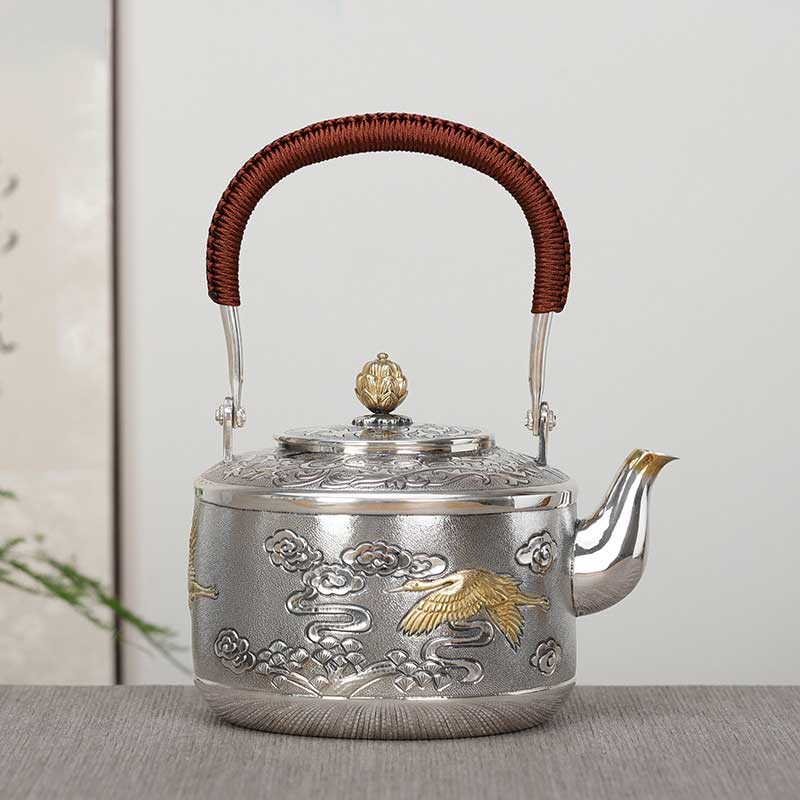
Build the product specification before requesting a quotation
A quotation is only as accurate as the product brief behind it. The first task is to create a specification sheet that gives suppliers the same basis for calculation. Without it, two factories may quote completely different products even when both describe them as a silver teapot.
The product brief should identify whether the piece is intended for tea preparation, ceremonial presentation, retail display, corporate gifting, or a limited-edition collectible. Functional tea ware may require closer attention to lid fit, handle comfort, spout flow, internal cleaning access, and heat behavior. Decorative pieces may place greater emphasis on sculptural form, texture, engraving, relief work, or a historically inspired silhouette.
Core specifications to provide
- Overall dimensions: State height, width, length, diameter, capacity, and allowable tolerances.
- Target weight: Provide a desired net metal weight or an acceptable weight range in grams.
- Material standard: Specify the required silver purity, such as fine silver or sterling silver, and request confirmation of the supplier’s material documentation approach.
- Construction method: Clarify whether the design requires fabricated sheet work, casting, hand raising, soldered components, or a combination of methods.
- Design source: Include technical drawings, photographs, 3D files, physical samples, hand sketches, or reference images.
- Surface requirements: State whether the finish should be mirror polished, satin, hammered, engraved, oxidized, antique-toned, matte, or mixed.
- Functional details: Define lid retention, filter holes, handle attachment, pouring direction, base stability, and required capacity.
- Order quantity: Identify prototype quantity, sample quantity, expected annual volume, and first production batch.
- Packaging requirements: Specify individual boxes, protective wrapping, presentation cases, export cartons, labeling, and pallet requirements.
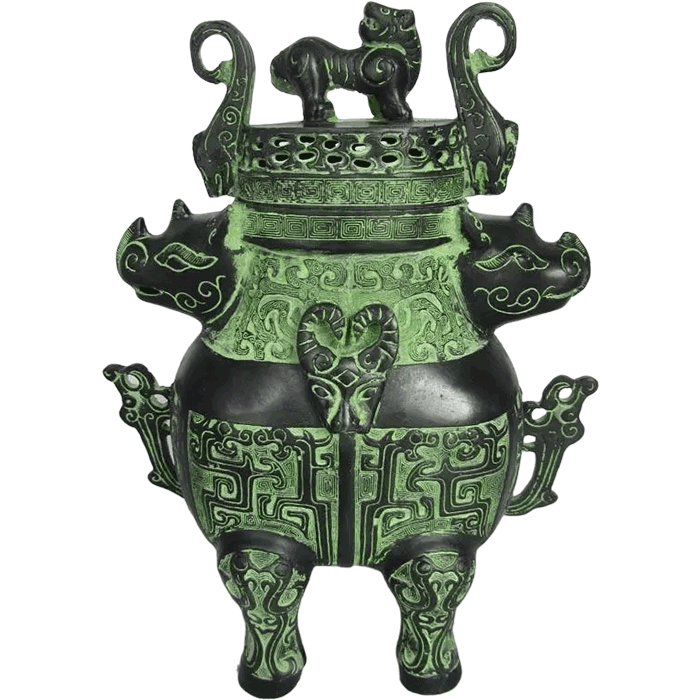
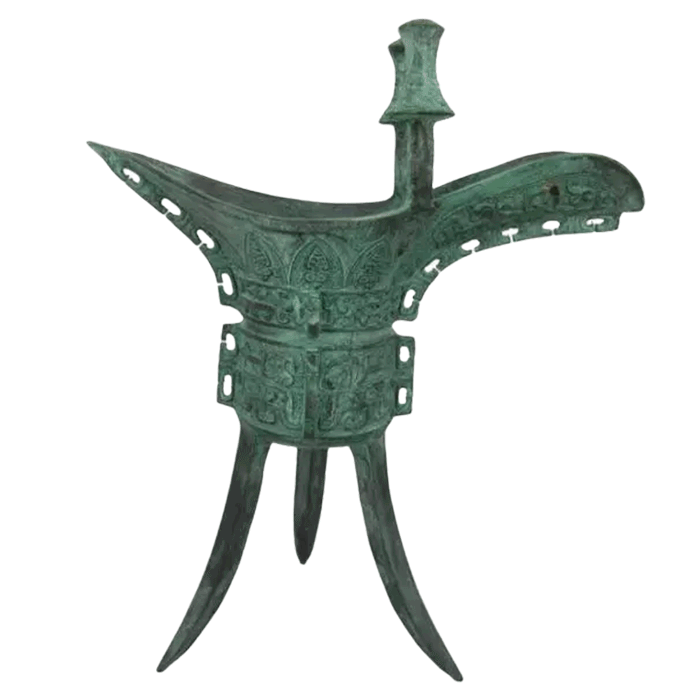
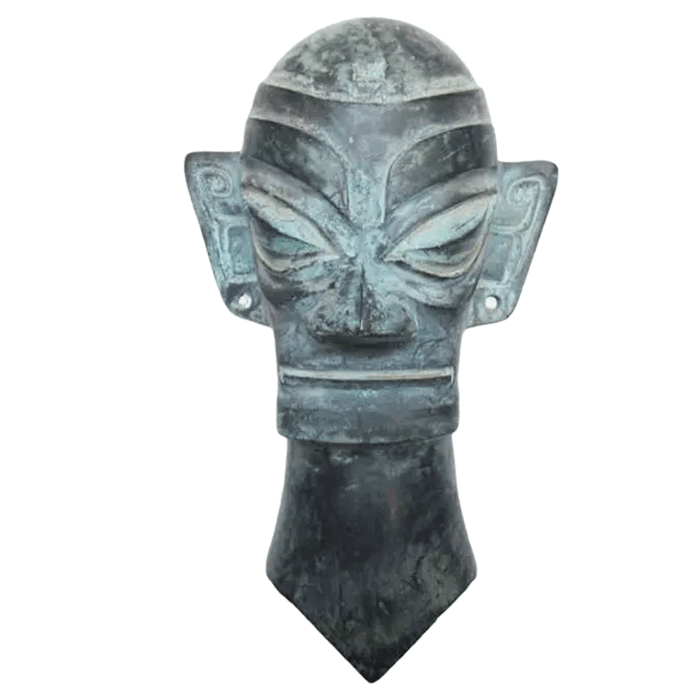
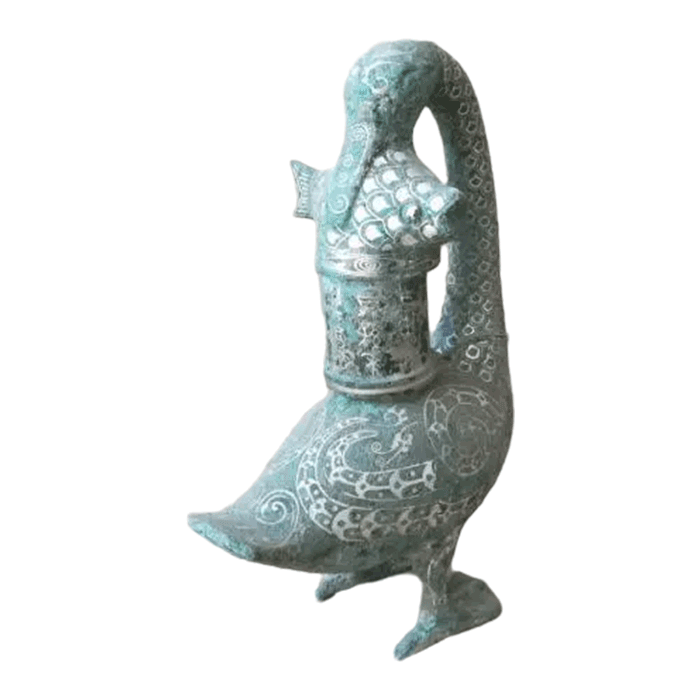
Buyers sourcing culturally inspired forms can also use historical vessel references to improve design communication. For example, the shapes and decorative language found in ancient Chinese bronze wine vessels may help a design team define proportions, handles, feet, and ornamental motifs for a contemporary tea ware concept. A reference should still be translated into a production-ready drawing, because historical imagery rarely supplies the precise dimensions and functional details needed for manufacturing.
Calculate the direct cost of a Custom pure silver teapot
The direct manufacturing cost is normally driven by metal consumption and labor complexity. These two categories should be separated in the buyer’s budget because they respond to different commercial variables. Silver cost moves with purity, market pricing, planned weight, production loss, and supplier purchasing terms. Labor cost changes with design detail, workshop process, finishing level, quantity, and the number of manual operations.
1. Silver material value and process allowance
Begin with the planned finished metal weight. If a teapot is expected to weigh 600 grams after polishing, the quotation should not simply multiply 600 grams by a daily silver market rate. Manufacturing may require additional material for trimming, forming, casting gates, soldering, rework allowances, and process loss. The allowance differs by production method and design geometry.
A buyer can use this preliminary formula:
Estimated metal cost = planned finished weight × material purchase rate × process allowance factor
The process allowance factor should be discussed with the supplier rather than assumed. A simple, symmetrical form may need a different allowance from a teapot with a sculptural handle, hollow animal-shaped spout, deeply carved decoration, or multiple assembled parts. Buyers should ask whether scrap recovery is included in the quote and whether the final billing is based on theoretical metal weight, actual consumption, or a fixed quoted weight.
For price comparison, request that each supplier identify the following separately:
- Quoted silver purity and alloy type.
- Target finished weight and acceptable variance.
- Estimated production allowance or wastage basis.
- Whether the metal price is fixed, indexed, or valid only for a stated period.
- Whether price changes apply if the customer approves a heavier final sample.
- Whether test reports, material certificates, or third-party verification are available when required.
This level of clarity is especially important for precious-metal items because a small weight difference can have a meaningful effect on unit cost. It also protects both sides when a customer changes wall thickness, enlarges the body, adds decorative relief, or requests a more substantial handle after the sample review.
2. Forming, casting, and assembly labor
Labor is the second major direct-cost category. A plain round body may be relatively straightforward compared with a vessel featuring relief dragons, a figural finial, sculpted feet, a wrapped handle, hand-hammered texture, or detailed inscription work. Each added visual feature can introduce more operations, more inspection points, and a greater likelihood of manual adjustment.
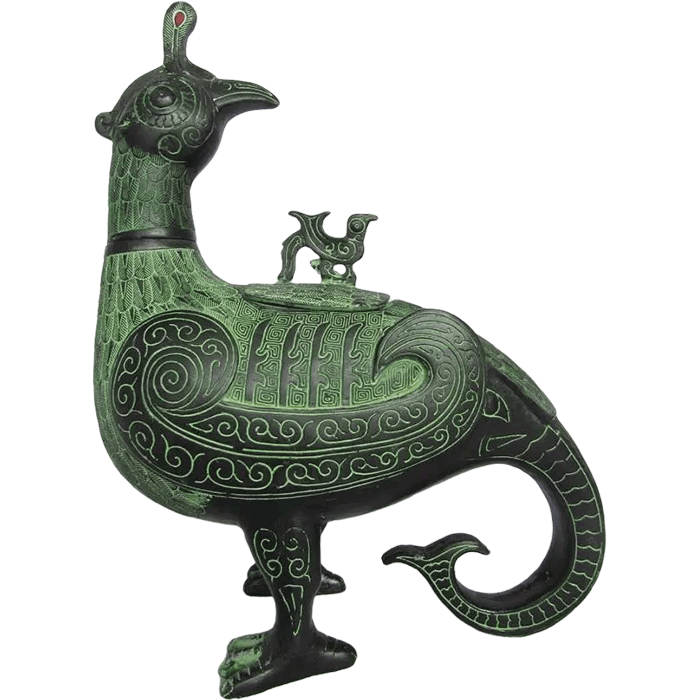
For complex art-inspired projects, traditional techniques remain highly relevant. The lost-wax method used for detailed bronze artworks is valued for reproducing intricate forms, while hand chasing and polishing refine surface details after casting. Buyers considering an ornate vessel can examine examples of Chinese bronze handicrafts to understand why high-relief motifs and fine surface textures require additional finishing time.
Ask suppliers to explain whether their quoted labor includes prototype preparation, mold development, wax work, casting or fabrication, fitting of lids and handles, polishing, cleaning, inspection, and packing. A quotation that does not define these stages may omit work that later becomes a separate charge.
Account for tooling, samples, and design development
Non-recurring engineering costs are often the most misunderstood part of a custom tea ware budget. These costs may include drawing conversion, 3D modeling, wax pattern development, master model preparation, mold making, jigs, gauges, and sample revisions. They should be budgeted separately from production unit price.
When the buyer provides a complete 3D model and clear production drawing, development time may be reduced. However, the supplier may still need to adjust the model for wall thickness, undercuts, drainage, shrinkage, parting lines, assembly points, and stability. If the teapot must pour properly, functional testing may also lead to revisions in the spout angle, lid seat, or handle position.
Prototype cost versus production cost
A one-piece sample can carry a substantially higher per-unit labor cost than a repeat production order because setup effort is absorbed by very few pieces. This does not mean the prototype quotation is unreasonable; it means that buyers should compare it on the correct basis. Request separate lines for design development, prototype production, sample shipping, and subsequent production pricing.
Luoyang Yichuan Bronze Craft Co., Ltd. supports custom sculpture orders from one piece, while bulk-order terms can be evaluated according to size and design complexity. For custom art craft procurement, this flexible approach is useful when a buyer needs to approve a form, finish, and workmanship standard before discussing larger quantities. Buyers can review how to customize a bronze sculpture for an example of the type of design communication that helps reduce uncertainty in bespoke decorative projects.
| Cost Item | Typical Budget Treatment | Buyer Review Point |
|---|---|---|
| Design interpretation | One-time development charge or included in sample fee | Confirm number of included revisions |
| Master pattern or model | One-time project cost | Clarify ownership and storage period |
| Mold or tooling | One-time cost, sometimes amortized over volume | Confirm expected production life |
| Prototype sample | Per-piece cost plus material and shipping | Define approval criteria before production |
| Production labor | Recurring unit cost | Compare based on identical finish standards |
For repeat programs, buyers may choose to amortize tooling across forecast volume. For example, divide the total tooling expense by the planned order quantity to create an internal fully loaded unit cost. However, procurement teams should also keep the actual invoice structure visible. A project with low initial quantity may have a higher first-order landed cost even if the long-term unit cost is attractive.
Evaluate finishing, inspection, and packaging costs
Finishing can change a tea ware project from a standard metal vessel into a premium presentation item. It also changes cost. Mirror polishing requires time and careful handling to avoid marks. Hand-hammered surfaces need consistent texture. Engraving and chasing require skilled manual work. Antique or oxidized effects may require controlled color development and protective treatment.
For B2B buyers, the key is to avoid vague language such as “high quality finish.” Replace it with measurable approval points. Define the polish level, permitted surface marks, engraving depth, color range, seam visibility, edge smoothness, and inspection method. Where possible, approve a physical sample or signed finish board before full production begins.
Quality inspection should cover more than cosmetic appearance. A functional teapot requires checks for lid fit, balance, handle security, spout alignment, base stability, and obvious leakage risks where relevant to the product construction. For art craft shipments, pre-shipment inspection also helps confirm that the item matches the approved sample, correct quantity, and agreed packaging standard.
Export packaging is another cost that should not be treated as an afterthought. Fragile sculptural forms, protruding handles, fitted lids, and polished metal surfaces can be damaged by poor internal protection. Buyers should specify whether they need protective foam, fabric bags, anti-tarnish wrapping, rigid gift boxes, inner cartons, master cartons, moisture control, palletization, or crate packing. The company’s experience with export-compliant protective packaging for fragile sculptures can inform planning for complex decorative forms, but the final packing solution should match the dimensions, fragility, and destination requirements of the tea ware project.
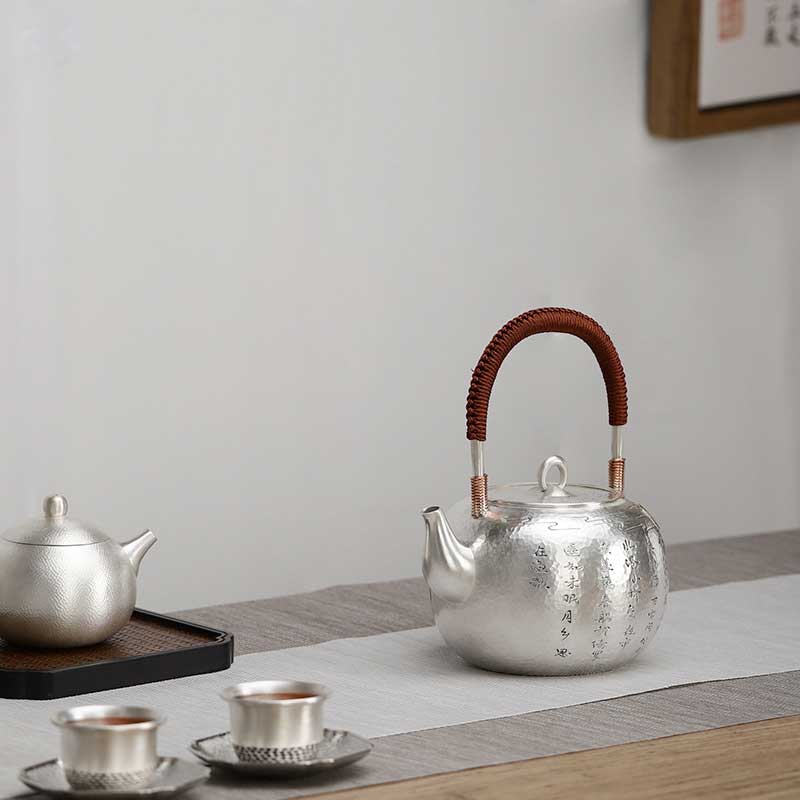
Build the landed-cost model for your destination market
A supplier’s ex-works or FOB price is not the same as your landed cost. Procurement teams should calculate total delivered cost using the agreed Incoterm and a realistic allowance for international transportation and import clearance. The final amount depends on shipment mode, carton dimensions, gross weight, route, port or airport charges, customs classification, insurance, brokerage, duties, taxes, and inland delivery.
A practical internal formula is:
Landed cost per unit = product unit price + allocated tooling + export packing + origin charges + freight + insurance + import duty + taxes + customs clearance + inland transport + risk allowance
For small prototype orders, express courier shipping may be convenient, but freight can represent a large percentage of the total cost. For larger production orders, air freight may reduce transit time while sea freight may reduce cost for heavier consolidated cargo. The best option depends on the delivery deadline, order value, dimensions, and the buyer’s inventory strategy.
Questions to ask before comparing Incoterms
- Is the quotation EXW, FOB, CIF, DAP, or another agreed Incoterm?
- Which port, airport, or delivery location is included?
- Are export documentation and export packing included?
- Who is responsible for cargo insurance?
- Are destination customs clearance, duty, and tax excluded or included?
- Will the packaging dimensions create dimensional-weight charges for air shipment?
- Does the buyer need a commercial invoice, packing list, certificate, test record, or other import documentation?
Do not use a generic duty rate in a final business case. Confirm the correct tariff classification and destination-country requirements with a qualified customs broker or trade adviser. Precious-metal products can have different rules from bronze decorative goods, and food-contact or tea-serving applications may involve additional material and safety considerations depending on the importing market.
Compare supplier quotations on an equal basis
A meaningful quote comparison requires a normalized spreadsheet. Place every supplier’s offer into the same fields, even if each quote arrives in a different format. Separate material, labor, tooling, finish, packing, freight terms, and payment conditions. Then identify what is not stated.
Use the following comparison checklist:
- Confirm the same purity, weight range, dimensions, and capacity.
- Confirm the same construction method and decorative complexity.
- Compare prototype fees separately from production pricing.
- Check whether mold, tooling, or engineering costs are included.
- Compare finish descriptions against a physical approved sample.
- Review packaging specifications and carton assumptions.
- Confirm quotation validity when metal prices are volatile.
- Check payment terms, production lead time, and shipment terms.
- Confirm inspection process, defect handling, and after-sales communication.
For custom art craft projects, lower price should not be the only decision factor. A detailed quotation that clearly states its assumptions can be more useful than a lower figure with undefined material weight, unconfirmed finishing, or missing packaging requirements. Luoyang Yichuan Bronze Craft Co., Ltd. conducts quality inspection before shipment and provides replacement support for casting defects, as well as guidance for patina touch-ups and restoration on applicable bronze artworks. Buyers should request that any product-specific quality and after-sales terms are stated clearly in the final commercial agreement.
Use a controlled request-for-quotation process
The most effective way to manage a custom tea ware inquiry is to issue one controlled request-for-quotation document to all shortlisted suppliers. Include drawings, reference images, finish requirements, target quantity, delivery destination, requested Incoterm, and a list of mandatory cost breakouts. Give suppliers an opportunity to identify technical concerns before quoting.
A strong RFQ should ask the supplier to state any assumptions that could affect price. Examples include final metal weight, use of soldered versus one-piece construction, required wall thickness, decorative depth, finish sample approval, packaging type, and the availability of materials. This approach gives purchasing teams a better basis for negotiating costs without reducing the quality needed for a premium product.
When reviewing the response, consider three budgets rather than one: a prototype budget, an initial production budget, and a repeat-order budget. The prototype budget captures development risk. The initial production budget includes tooling and first-order setup. The repeat-order budget reveals the likely long-term unit cost after one-time expenses are removed or amortized.
A Custom pure silver teapot project can be commercially manageable when the brief is precise, the material assumptions are transparent, and freight and import charges are included in the buyer’s model from the beginning. By separating direct manufacturing costs from one-time development costs and destination-market expenses, B2B buyers can negotiate with greater confidence and make a more accurate landed-cost decision.