Custom Pure Silver Teapot: MOQ, Hallmarks & Samples
Custom pure silver teapot sourcing requires clear MOQ, hallmark, and sample specifications
Buyers sourcing a Custom pure silver teapot need more than an attractive reference image. At the quote-ready stage, a supplier must understand the desired silver fineness, shape, capacity, construction method, decorative details, surface finish, packaging expectations, and target delivery destination. Missing information can lead to quotations that are difficult to compare, unexpected tooling charges, or samples that do not represent the final production requirement.
This guide helps importers, gift brands, tea houses, collectors, hospitality buyers, and purchasing teams prepare a practical request for quotation. It focuses on three points that often determine whether a custom project proceeds smoothly: minimum order quantity, silver hallmarks, and pre-production samples. It also explains how to organize drawings, material requirements, quality checkpoints, and shipping instructions before production begins.
Define the product specification before requesting MOQ
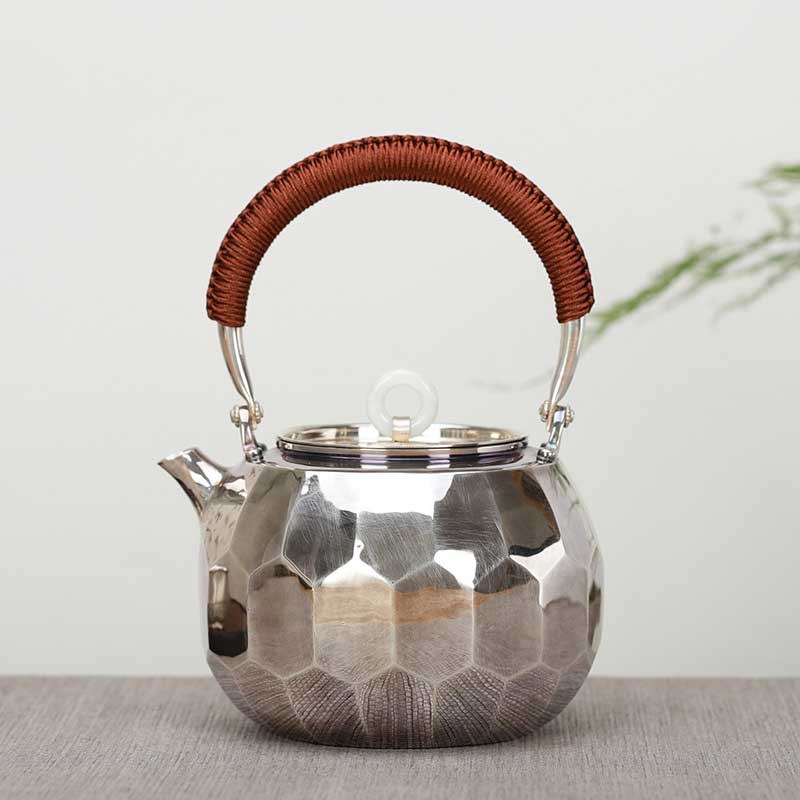
MOQ should not be treated as a single number that applies to every silver teapot. A supplier normally evaluates the order quantity after reviewing the product design and production route. A simple rounded teapot with limited decoration may be more suitable for a small trial order than a highly sculptural piece with hand-carved relief, a cast animal-form handle, a fitted wood case, or several separate components.
For a meaningful quotation, begin with a specification sheet. It does not need to be a complex engineering document, but it should identify the points that affect materials, labor, tooling, inspection, and packing.
Core information for a first inquiry
- Product type: Teapot, kettle-style serving pot, ceremonial tea vessel, gift set, or collector’s item.
- Capacity: State the target usable volume in milliliters or ounces, not only the outside dimensions.
- Overall size: Include body diameter, total height, spout reach, handle height, and lid diameter where possible.
- Silver requirement: Specify the requested fineness, such as 999 silver or sterling silver, and clarify whether all functional parts must use the same material.
- Construction: Ask whether the body should be hand raised, fabricated from formed components, cast, or made through another suitable method.
- Decoration: Provide clear views of engraving, repoussé, relief work, inscriptions, motifs, borders, medallions, or gemstone settings.
- Finish: Identify whether the surface should be bright polished, satin, brushed, oxidized, antique-toned, hammered, or partly gilded.
- Quantity: Separate prototype quantity, sample quantity, initial order quantity, and possible annual demand.
- Packaging: State whether individual gift boxes, fabric bags, foam protection, wooden cases, cartons, labels, or barcodes are required.
- Destination: Provide the destination country so that shipping and import documentation requirements can be considered.
Images are useful, but they should be accompanied by written instructions. A photograph can show an overall silhouette, yet it may not communicate wall thickness, lid fit, interior finish, or intended pouring performance. If the reference object is an antique or a museum-style item, label clearly which details are essential to reproduce and which details may be adjusted for manufacturability or food-contact use.
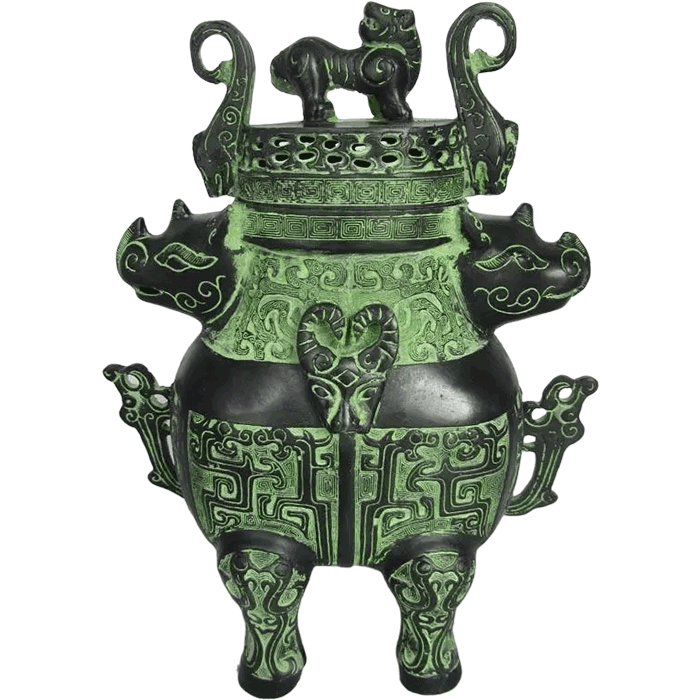
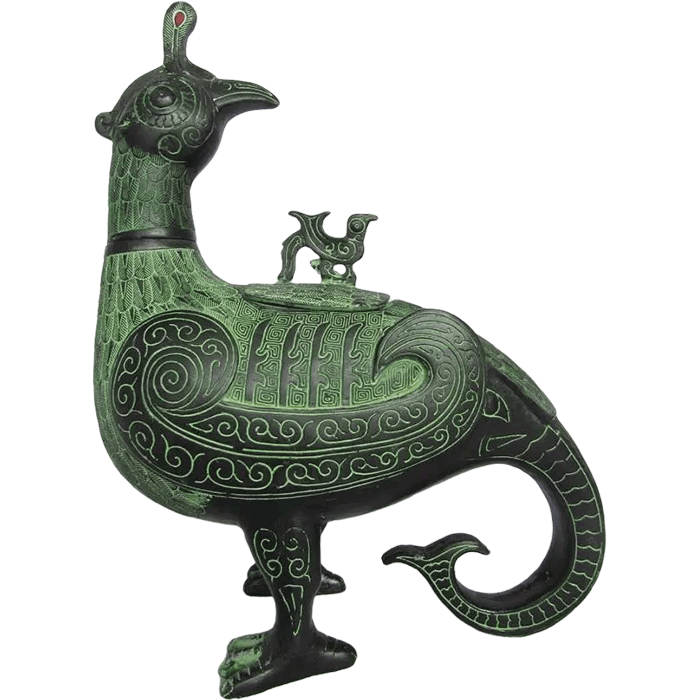
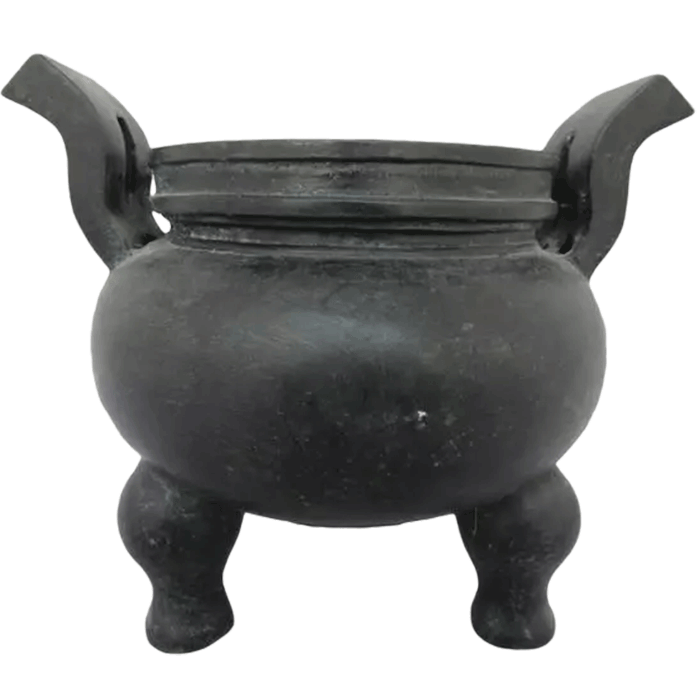
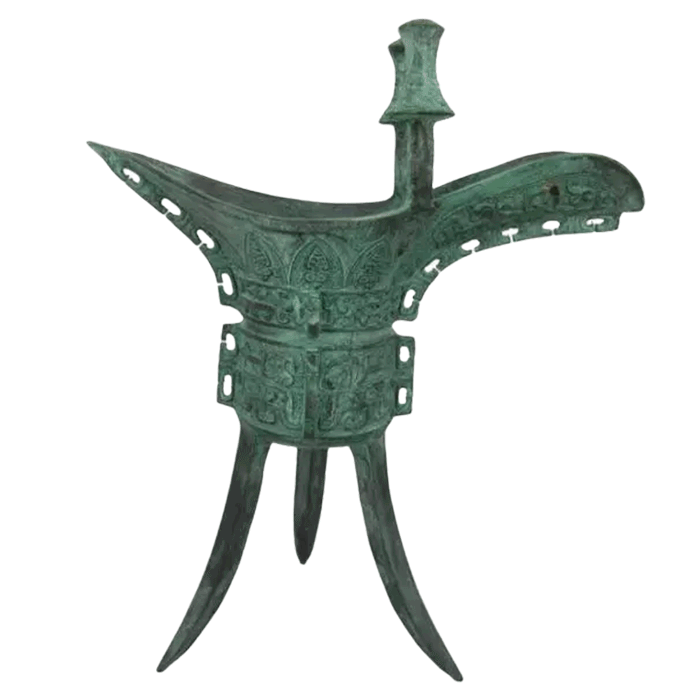
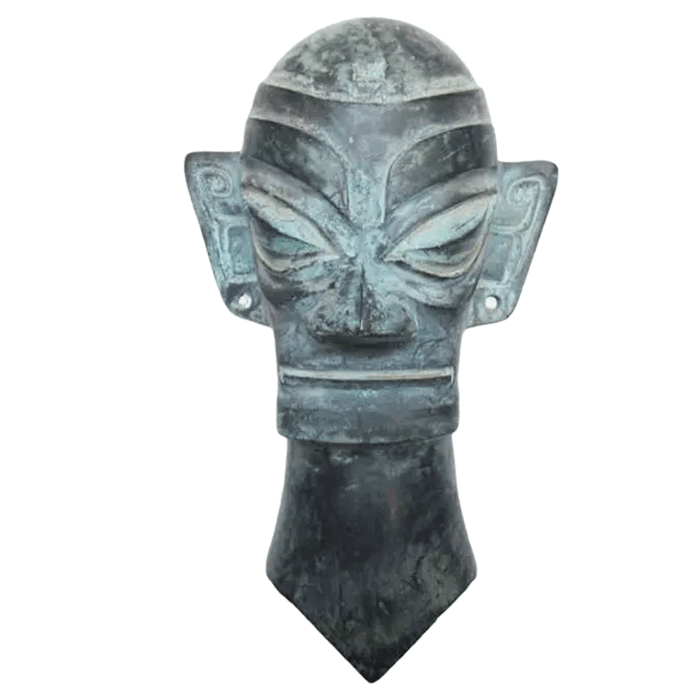
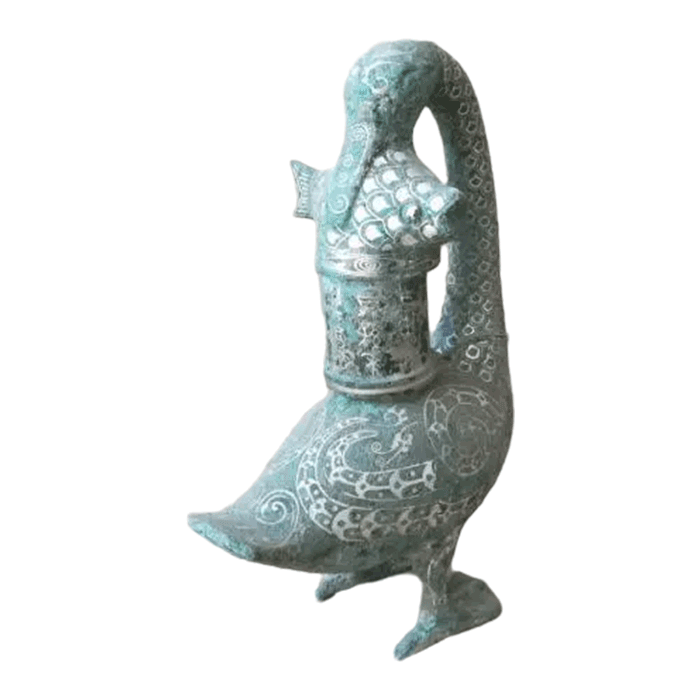
Buyers interested in traditional vessel shapes may find useful form references in this introduction to several bronze wares. Historical vessel study can help define handles, feet, lids, and decorative layouts, but the teapot specification should still account for practical pouring, cleaning, balance, and safe handling.
MOQ for a Custom pure silver teapot depends on complexity
For silverware, the most useful MOQ question is not simply, “What is your minimum quantity?” A better question is, “What is the minimum quantity for this exact design and production method?” The supplier’s answer should distinguish between a one-off development sample, a small collectible run, and repeated production.
Silver is a valuable raw material, and custom work can involve specialized forming, joining, engraving, chasing, polishing, and fitting. The design may also require molds, templates, fixtures, or custom packaging. These costs do not always scale evenly across order quantities. A low-volume order may be possible, but the unit price can be higher because development and setup expenses are spread across fewer pieces.
| Order stage | Buyer objective | Questions to ask the supplier |
| Prototype | Confirm proportions, material, workmanship, and functional details. | Is there a separate development charge? What is included in the prototype review? Can design changes be made after review? |
| Pre-production sample | Approve the standard for the production order. | Will the approved sample define finish, hallmarks, weight tolerance, lid fit, and packaging requirements? |
| Small production run | Test market demand or prepare a limited gift or collector series. | What is the lowest quantity for consistent production quality? Are setup costs separate from unit pricing? |
| Repeat bulk order | Improve cost planning and maintain appearance across batches. | Can the supplier retain approved drawings, finish references, and packing standards for future orders? |
When comparing quotations, ask suppliers to separate the cost categories rather than providing only one total. Useful line items may include silver material, production labor, tooling or pattern charges, engraving, plating or gilding where applicable, testing, gift packaging, export carton packing, and freight. This format makes it easier to identify differences between quotations that appear similar at first glance.
Do not compare unit prices without comparing material assumptions. A price based on sterling silver, a hollow construction, a thinner body, or a simplified handle may not be comparable with a price based on higher fineness silver and a heavier handmade structure. Request the estimated silver weight per teapot and ask whether that weight is net silver content, finished-item weight, or an estimate subject to final workmanship.
Understand silver fineness and hallmark requirements
“Pure silver” can be interpreted differently in commercial discussions. In technical terms, buyers should state the required fineness rather than relying only on descriptive wording. Fine silver is commonly associated with 999 fineness, while sterling silver is commonly associated with 925 fineness. However, the appropriate mark, legal terminology, and testing requirements can vary by market. The buyer should confirm the regulations that apply in the destination country and retail channel.
A hallmark is not merely decorative. It can communicate fineness, maker identification, assay information, origin-related details, or other legally required marks depending on the jurisdiction. The correct format must be agreed before production because the mark location, size, legibility, and permitted wording may affect design decisions.
Questions to include in the hallmark section of an RFQ
- What silver fineness is required for the body, lid, handle fittings, spout, and decorative components?
- Which hallmark format is required for the destination market?
- Must the product carry a fineness mark, maker’s mark, assay mark, date letter, country mark, or other marking?
- Where should the marks be placed so they remain visible without disrupting the design?
- Will the buyer provide a registered mark or logo file for application?
- What documentation can support the material declaration requested by the buyer or importer?
- Are there any restrictions on hallmarks used on plated, gilded, mixed-metal, or stone-set components?
A buyer should also clarify whether the teapot is intended for direct food contact. Material fineness alone does not answer every food-contact question. Soldered joints, coatings, interior treatments, decorative inlays, and cleaning recommendations may all matter. If the product will be sold for serving tea, request a clear statement of the intended use and ask the supplier to identify the materials used in components that contact liquid.
When a design mixes metals, use precise language. For example, a silver body with brass fittings, a wood handle, or a plated decorative element should not be described in the same way as an item made entirely from a specified silver alloy. Buyers evaluating contrasting metal details can review bronze and brass difference for a general material comparison, then confirm the exact metals and finishes proposed for their own project.
Use samples to control quality before production
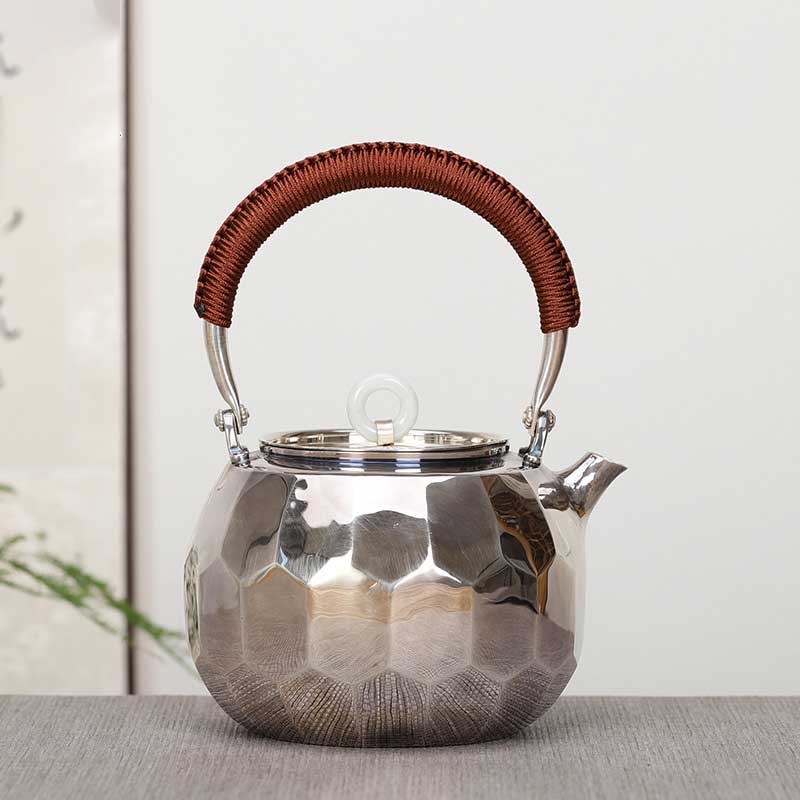
A sample is the practical bridge between a design concept and an approved production standard. For a Custom pure silver teapot, a sample should be evaluated as both an art object and a functional vessel. It is not enough for the body shape to look correct in photographs. The buyer should assess the lid, handle, spout, balance, finish, markings, and packaging.
Before sample work starts, agree on the review process. Confirm whether the supplier will first issue a technical drawing, a digital rendering, a physical mock-up, or a material sample. Each stage serves a different purpose. A drawing helps confirm dimensions; a rendering helps review ornament placement; a mock-up helps assess scale; and a finished silver sample helps assess actual craftsmanship and material appearance.
Sample approval checklist
- Confirm the overall dimensions and usable capacity.
- Check that the lid sits properly and can be lifted safely.
- Review spout alignment, pouring direction, and drip behavior where functional testing is requested.
- Assess handle comfort, balance, and clearance from the hot body during intended use.
- Compare decorative motifs, engraving depth, relief details, inscriptions, and logo placement against the approved artwork.
- Check the chosen finish under neutral lighting, including polished and matte areas.
- Verify that hallmarks and branding are correctly placed, sharp, and legible.
- Confirm the agreed material declaration and finished weight information.
- Inspect the interior for cleanliness, joint quality, and the agreed surface treatment.
- Review individual protection, presentation box, carton configuration, and shipping marks.
Document every approval point in writing. If the buyer approves a sample with minor exceptions, list those exceptions instead of relying on verbal comments. For example: “Increase lid knob height by 3 mm,” “use a softer satin finish on the body,” or “move the fineness mark to the underside near the base.” The final signed or confirmed sample specification should become the reference for production inspection.
For design-led silver objects, reviewing other hand-finished metalwork can help buyers describe surface expectations. The handmade silver collection may help distinguish between polished, textured, engraved, and sculptural presentation preferences when building a visual brief.
Prepare drawings, artwork, and tolerances for accurate quotes
A buyer does not need to provide factory-ready CAD files for every project, but better input normally produces a more accurate quotation. At minimum, submit a dimensioned sketch with front, side, top, and bottom views. Mark all critical points, including the body diameter, spout length, handle position, lid opening, wall thickness if known, and decorative panel locations.
For branded work, provide vector artwork for logos, monograms, and inscriptions. State whether artwork should be engraved, embossed, stamped, cast in relief, laser marked, or applied in another agreed method. If Chinese characters, Arabic script, family crests, or historic patterns are involved, provide confirmed source files rather than relying on low-resolution images.
Tolerances should be realistic for handmade metalwork. Exact visual symmetry may be important for a modern minimalist design, while small handmade variations may be acceptable or desirable for an artisanal piece. Identify which dimensions are critical, such as lid fit and height, and which areas may have reasonable handcrafted variation. This protects both the buyer’s quality expectation and the supplier’s production planning.
Set inspection, packaging, and shipment expectations
Inspection should begin with the approved sample standard. Before shipment, buyers can request photographs, measurement records, weight records, hallmark images, and packaging images for review. For larger orders, a written inspection checklist can cover appearance, dimensions, finish consistency, component fit, markings, quantity, and carton condition.
Silver surfaces are vulnerable to scratches, fingerprints, tarnish, and pressure damage during transport. Packaging requirements should therefore be included in the initial inquiry, especially for pieces with raised decoration, thin spouts, fitted lids, or delicate handles. A suitable packing plan may include protective wrapping, non-abrasive internal materials, shaped foam or inserts, moisture-conscious storage measures, individual presentation packaging, and strong export cartons.
Ask who is responsible for artwork approval, pre-production sample approval, final inspection approval, freight booking, customs documents, and insurance. A clear division of responsibilities prevents delays after production is complete. If the buyer has retailer labeling requirements, barcode rules, care cards, or country-of-origin marking needs, these should be confirmed before packaging materials are ordered.
Build a quote-ready inquiry for faster supplier evaluation
The strongest first inquiry allows a supplier to assess feasibility without guessing. It also allows the buyer to compare responses based on the same product definition. A concise but complete request can reduce revision cycles and reveal whether a supplier understands the functional and artistic requirements of the design.
Use the following structure when contacting potential suppliers for a Custom pure silver teapot project:
- Introduce your company, sales channel, destination market, and intended product use.
- Attach reference images, sketches, technical drawings, logo files, and artwork.
- State the target silver fineness and whether all components must use the same material.
- Provide target dimensions, capacity, estimated finished weight, and preferred construction method if known.
- Describe the required finish, decoration, hallmark placement, and branding.
- Request separate pricing for prototype, sample, tooling, production quantity, packaging, and shipping.
- State the expected quantity for the first order and potential repeat order volume.
- Ask for the sample lead time, production lead time, payment terms, inspection process, and export packing proposal.
- Confirm any food-contact, hallmark, labeling, or import compliance requirements for the destination market.
Careful preparation is especially important for custom vessels because artistic appearance, precious-metal value, and daily usability must work together. A well-documented inquiry gives suppliers the information needed to quote accurately, helps buyers evaluate material and workmanship assumptions, and creates a clearer foundation for sample approval and repeat production.