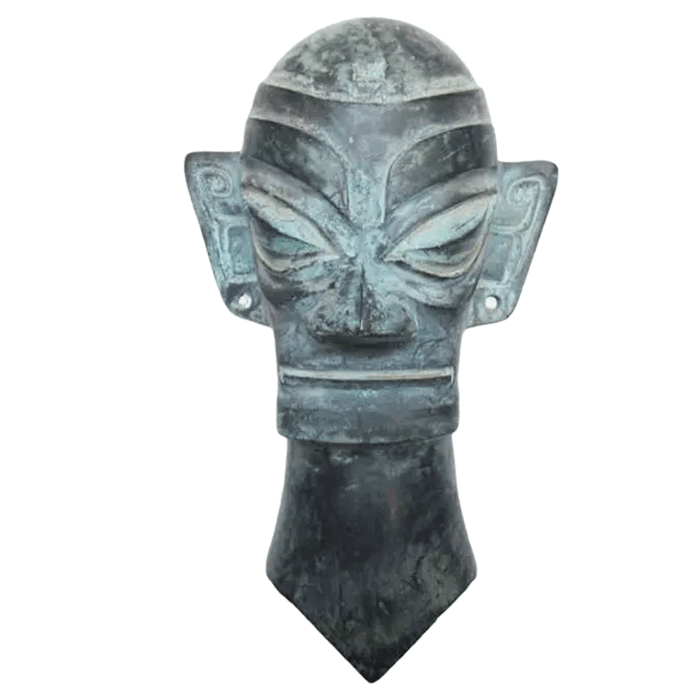
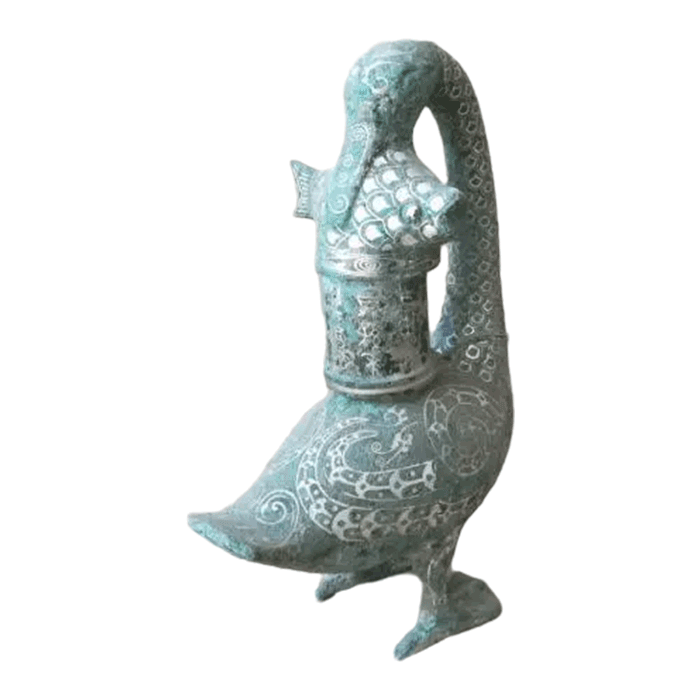
Custom Chinese bronze factory tooling costs
A Custom Chinese bronze factory helps buyers calculate tooling costs accurately
Tooling cost is one of the most important variables in a custom bronze quotation. For procurement teams, galleries, hospitality developers, designers, restoration specialists, and importers, the tooling line can determine whether a project is commercially viable before production begins. It also affects prototype timing, repeat-order economics, design flexibility, and the final level of detail that can be achieved.
When comparing quotations from Chinese bronze suppliers, buyers should not evaluate tooling as a single isolated number. A lower tooling amount may exclude sculpture modeling, mold revisions, engineering work, wax pattern preparation, surface-detail development, or packaging design. Conversely, a higher initial tooling estimate may cover a more complete process and reduce the likelihood of additional charges after design approval.
Luoyang Yichuan Bronze Craft Co., Ltd. produces bronze sculptures, bronze vessels, mirrors, incense burners, Buddhist statues, and custom bronze artworks. The company uses Cu-Sn bronze alloy and traditional lost-wax casting, with hand chasing, polishing, and patina finishing available for antique or modern visual requirements. Understanding how these production stages influence tooling allows buyers to compare quotes on an equivalent basis rather than focusing only on the initial unit price.
Why tooling must be separated from unit production cost
In custom bronze manufacturing, tooling is generally the cost associated with converting an approved concept into a repeatable production basis. Depending on the artwork, this may include digital file preparation, physical model development, wax pattern work, mold-making, structural planning, and detail adjustments before casting begins. These costs are different from the material, labor, finishing, inspection, packaging, and shipping costs assigned to each finished piece.
For a one-piece artwork, tooling can represent a significant share of the overall project value because the development work is allocated to a single sculpture or vessel. For a larger production run, the same initial development expense may be distributed across multiple units. This is why buyers should request both:
- A separate tooling or development charge.
- A unit production price after tooling is completed.
- A quotation for the prototype or first article, if required.
- A repeat-order price based on the same approved design.
- A clear statement of what changes would require additional tooling work.
This structure gives procurement teams a more useful view of total project cost. It also prevents the common mistake of comparing a low unit price from one supplier against a quote from another supplier that already includes model and mold development charges.
Lost-wax bronze casting is especially relevant to this evaluation. The method is suitable for complex forms, undercuts, textured surfaces, facial expression, decorative relief, and traditional vessel motifs. However, detailed works can require more development effort than simple geometric forms. A smooth, small decorative object and a large figurative sculpture with flowing robes, openwork details, or highly defined animal anatomy should not be expected to have the same tooling requirements.
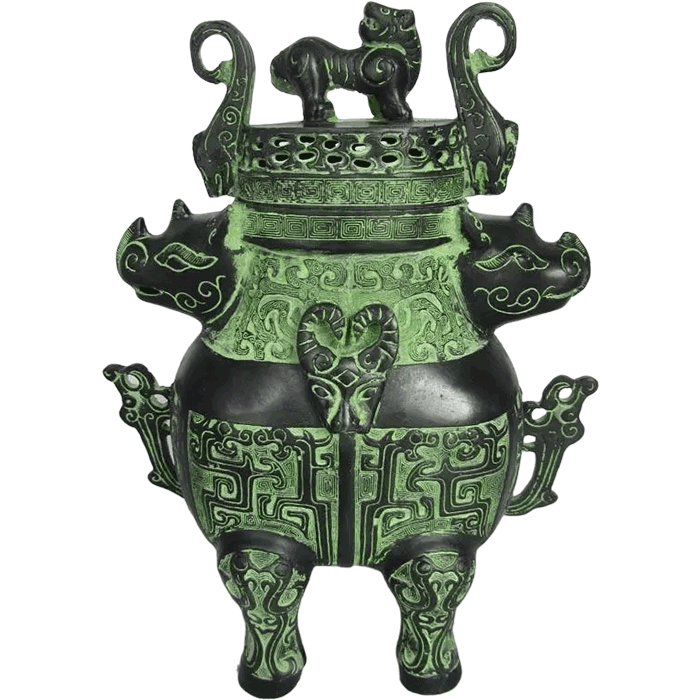
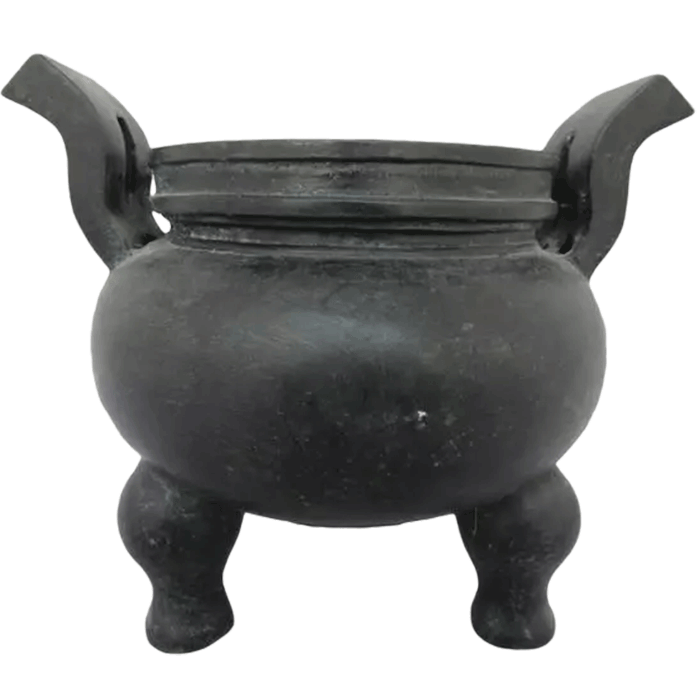
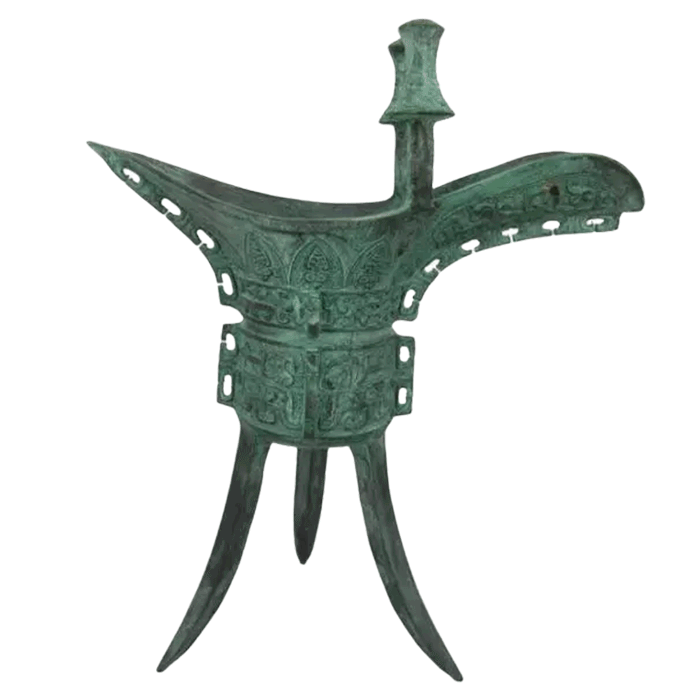
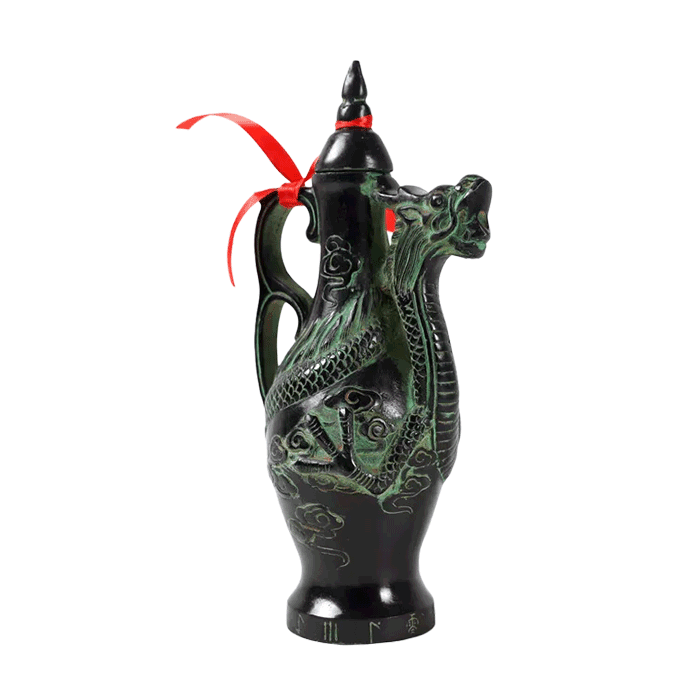
Buyers researching historical forms can also use product references to improve specification clarity. For example, a project based on a traditional vessel may benefit from reviewing an introduction to bronze wares before requesting a quotation. Identifying whether the desired form is a ding, zun, hu, tripod, vase, or another vessel category helps communicate the intended silhouette, handles, feet, lid, decorative bands, and patina direction.
Key factors that influence bronze tooling estimates
A reliable tooling estimate should reflect the actual requirements of the artwork rather than relying only on height, width, or weight. Dimensions matter, but they are only one part of the calculation. The following factors usually have the greatest effect on tooling scope.
Design source quality and available reference material
The most efficient projects begin with clear source material. This may include dimensioned drawings, 3D files, clay models, high-resolution photographs, museum references, visual renderings, or physical samples. When the design is incomplete, the supplier may need to spend more time interpreting proportions, reconstructing missing areas, or adapting a concept for casting.
For antique reproductions, reference quality is particularly important. Buyers should identify whether they require an exact visual replication, an interpretation inspired by an original piece, or a modern adaptation. Exact replication may require close attention to inscriptions, relief decoration, casting marks, texture, damage simulation, and aged patina characteristics. These requirements can increase modeling and finishing preparation compared with a simplified decorative reproduction.
Form complexity and number of separate components
Complexity is not limited to the number of visible details. It can also include hollow sections, thin projections, layered drapery, raised inscriptions, openwork areas, multiple figures, extended limbs, wings, weapons, handles, finials, or separate decorative attachments. A sculpture may need to be divided into sections for casting and later assembly. The number of sections can influence both tooling preparation and finishing labor.
For example, a standing animal statue with a compact body may have a different tooling profile from a galloping horse with extended legs and a dynamic base. A buyer developing a historical equestrian subject may consult the reference page for the bronze galloping horse to define visual expectations before submitting project files. Better-defined expectations reduce ambiguity during quote review.
Scale, wall thickness, and structural requirements
Larger pieces may require additional planning for structure, balance, internal support, assembly points, or installation methods. A tall statue, a freestanding sculpture with narrow contact points, or a large vessel with extended handles may need design review beyond surface appearance. Buyers should disclose installation conditions early, including indoor or outdoor use, base dimensions, anchoring expectations, lifting access, and whether the artwork will be placed in a public environment.
Wall thickness expectations also matter. Different design objectives may call for different approaches to weight, durability, and visual effect. Procurement teams should avoid assuming that two pieces of similar exterior size will have identical material use or tooling requirements.
Surface relief, inscriptions, and decorative texture
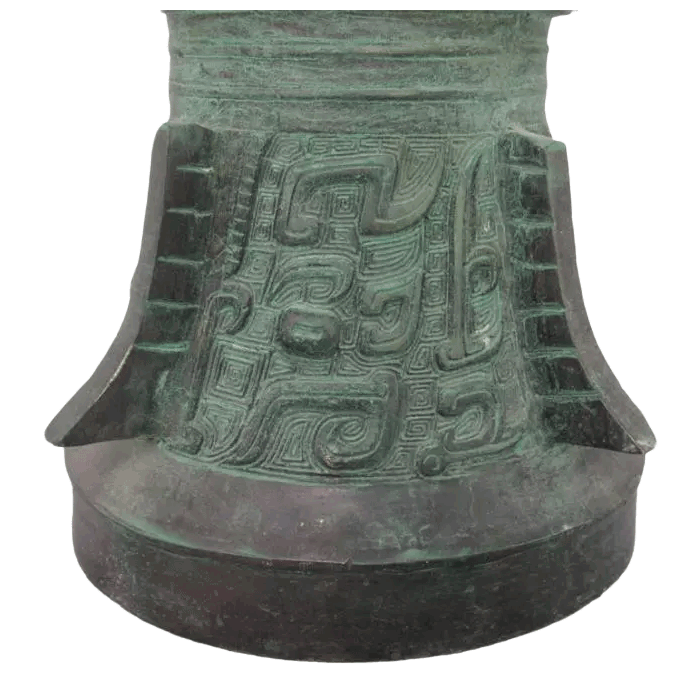
Bronze artwork often depends on surface language. This may include geometric motifs, taotie-inspired patterns, animal masks, floral relief, inscriptions, hammered effects, smooth modern planes, or textured antique surfaces. Fine relief and lettering need careful development so that the final cast retains legibility after chasing, polishing, and patina finishing.
When purchasing a Chinese-style vessel or commemorative piece, buyers should specify the text exactly and provide approved language, character style, placement, and orientation. If the inscription is added late in the process, additional design changes may be necessary. For culturally significant references, the Houmuwu square cauldron provides an example of why vessel form, surface decoration, and inscription-related details should be described with precision.
Patina approval and color matching
Patina is a finishing requirement, but it can also affect the development stage because buyers may need samples or approval standards before a production finish is applied. Antique green, brown, black, red-brown, polished bronze, and modern dark finishes can create very different visual results on the same form. The desired appearance should be documented through approved photographs, swatches, reference pieces, or written descriptions.
Where color consistency is important across multiple sculptures, vessels, or replacement pieces, buyers should include this requirement in the quotation request. Luoyang Yichuan Bronze Craft Co., Ltd. supports patina finishing in antique or modern looks and addresses patina color matching as part of custom bronze art sourcing requirements. Procurement teams should still recognize that handcrafted finishing involves review and approval standards rather than treating a descriptive color name as a complete specification.
How to request a tooling quote with fewer unknowns
A well-prepared request for quotation makes supplier comparisons more meaningful. It also reduces the risk of receiving a preliminary estimate that later changes once the supplier reviews missing technical details. Before requesting a tooling quotation, organize the project information into a clear package.
- Describe the product category. State whether the project is a human statue, animal sculpture, Buddhist figure, mirror, incense burner, ding, zun, hu, tripod, vase, or another bronze artwork.
- Provide final dimensions. Include height, width, depth, base size, and any tolerance requirements.
- State the target quantity. Identify whether the need is for one custom prototype, a small series, or a larger production run.
- Send the best available design files. Include drawings, 3D models, photographs, reference images, and required views.
- Explain the desired finish. Specify antique or modern appearance, texture, patina color direction, and whether polished areas are required.
- Identify installation needs. Clarify indoor or outdoor location, base mounting, anchoring, and any structural considerations.
- Request an itemized commercial structure. Ask the supplier to separate tooling, prototype work, production unit price, finishing, packing, and shipment-related items where applicable.
- Set an approval process. Define who will approve drawings, samples, color references, and final pre-shipment photographs if these are part of the project.
For buyers who need a supplier-supported development route, the option to customize bronze sculptures can help establish a more organized discussion around artwork references, dimensions, production quantity, and finish requirements.
Compare quotations using a tooling cost checklist
Procurement teams should compare quotes line by line. If one supplier provides only a single total price, ask for clarification before deciding that the quote is more competitive. A complete comparison should identify the scope included in each figure and the assumptions behind it.
| Quotation Item | Questions for Evaluation | Why It Matters |
|---|---|---|
| Model or design development | Is digital preparation, model work, or design interpretation included? | Incomplete design inputs can create added work before casting begins. |
| Mold and wax preparation | Does the quote define the mold scope for the approved design? | This is a central part of repeatable lost-wax production preparation. |
| Prototype or first article | Is a single prototype priced separately from production pieces? | It helps buyers understand the cost of approval before a larger run. |
| Detail revisions | How many design revisions are included before additional charges apply? | Late changes can affect both schedule and development cost. |
| Patina sample approval | Is finish sampling or color confirmation included in the scope? | Patina expectations should be documented before final finishing. |
| Assembly and chasing | Are joining, hand chasing, and surface correction included? | Complex multi-part works may require substantial finishing work. |
| Protective packaging | Does the quote address export-compliant packing for fragile artwork? | Bronze sculptures need protection against handling and transport risks. |
| Quality inspection | Is inspection performed before shipment? | Pre-shipment review supports confirmation of approved specifications. |
The best quote is not necessarily the one with the lowest tooling figure. It is the quotation that clearly identifies what the buyer is receiving, what remains optional, and what may change if the artwork design changes. This approach is especially important when a project includes multiple sizes, related sculptures, or phased installation plans.
Forecast the total project cost beyond the tooling line
Tooling is only one part of the landed project budget. To forecast costs accurately, buyers should consider the full commercial path from concept approval through delivery. The project total may include bronze alloy, casting labor, hand chasing, polishing, patina treatment, assembly, inspection, protective packaging, export documentation, freight, insurance where applicable, duties, taxes, local delivery, and installation-related work.
Not every item will be quoted by the bronze manufacturer, and responsibility can vary according to agreed trade terms. The key is to identify which costs are included, excluded, estimated, or handled by the buyer. A procurement comparison sheet should use the same cost categories for every supplier so that apparent savings are not caused by missing line items.
Luoyang Yichuan Bronze Craft Co., Ltd. operates from Yichuan County, Luoyang, Henan Province, with a 3,000-square-meter production area and more than 30 skilled craftsmen, including bronze-casting masters and finishing artisans. The company supports projects from one custom sculpture to bulk production runs, with custom sculpture MOQ starting from one piece and bulk quantities negotiated according to size and design complexity. This flexibility can be relevant when buyers need to validate a prototype before committing to a larger order.
Quality requirements should also be included in cost evaluation. The company is ISO 9001 quality management system certified, and its products comply with export quality inspection standards for art crafts. Quality inspection is completed before each shipment. For casting defects, free replacement is available, while after-sales support includes patina touch-up and restoration guidance. These points should be reviewed alongside the quoted price because post-delivery support can affect project risk and long-term ownership costs.
Use a disciplined approval process before authorizing tooling
Once tooling begins, design changes can become more expensive than changes made during the quotation stage. Buyers should therefore approve the critical specifications in writing before authorizing development. At minimum, confirm final dimensions, product views, decorative details, inscription content, finish direction, base configuration, quantity, packaging needs, and delivery expectations.
For a custom sculpture, the approval record should distinguish between visual approval and production approval. A rendering may show the intended composition, while a detailed production review may address casting divisions, assembly locations, surface treatment, and structural considerations. These are different decisions, and separating them helps avoid misunderstandings.
Buyers may also benefit from reviewing available examples of Chinese bronze sculpture when defining the desired art style, subject matter, and finish level. For residential, commercial, or hospitality projects that include decorative objects alongside statues, relevant bronze home decor references can support a more consistent specification across the collection.
A disciplined tooling review gives procurement teams greater control over budget, quality, and production expectations. By separating development charges from unit cost, documenting design complexity, confirming patina standards, and comparing quotation inclusions carefully, buyers can make more reliable sourcing decisions for custom bronze projects.