Custom Chinese bronze factory MOQ and sampling FAQs
A Custom Chinese bronze factory can support clearer MOQ and sampling discussions before production
When sourcing bronze artworks, the pre-order stage is often where a project succeeds or fails. Buyers may have a museum reference, a product sketch, an existing sample, a 3D model, or only a concept description. Before a purchase order is issued, both parties need to agree on what will be made, how closely it must match the approved reference, what sample is required, and whether the requested quantity is practical for the selected process.
For importers, retailers, designers, museums, hospitality purchasers, art distributors, and procurement teams, the most useful discussions are not limited to unit price. A complete early-stage conversation should cover dimensions, bronze alloy, finishing expectations, casting method, surface details, patina, mounting method, packaging needs, inspection criteria, sample approval, and expected production volume.
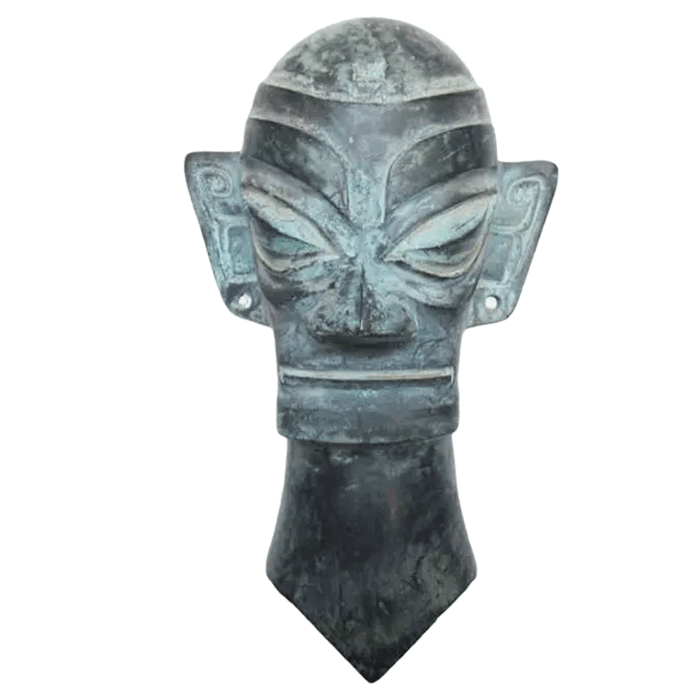
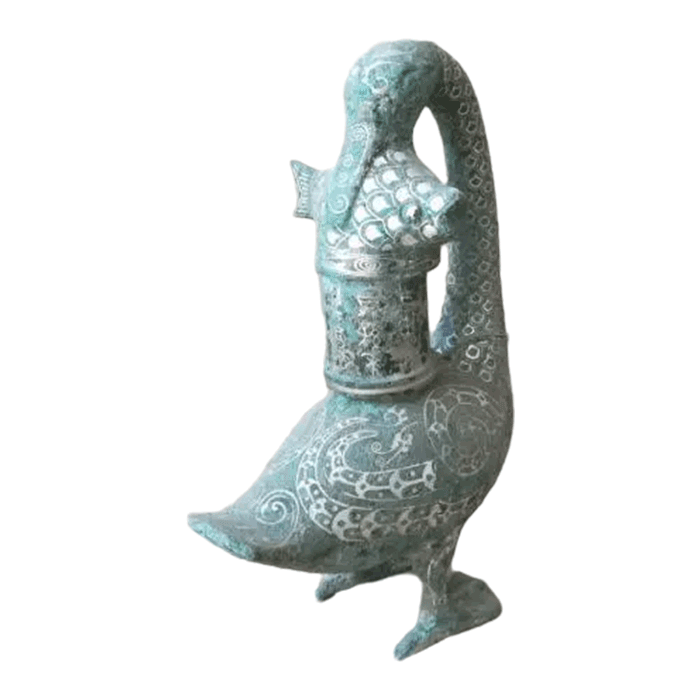
Luoyang Yichuan Bronze Craft Co., Ltd. produces bronze sculptures, human and animal statues, bronze vessels, bronze mirrors, incense burners, Buddhist statues, and custom bronze artworks. The company works with premium Cu-Sn bronze alloy and the traditional lost-wax casting method, followed by hand chasing, polishing, and patina finishing. With a production area of 3,000 square meters and more than 30 skilled craftsmen, the workshop can support projects ranging from a single custom prototype to bulk production runs.
Why MOQ should be discussed before final quotation
MOQ, or minimum order quantity, is not always a fixed number for bronze art. Unlike standardized mass-produced goods, custom bronze items may require original sculpting, mold preparation, wax pattern work, gating design, casting, welding, chasing, polishing, patina finishing, inspection, and export protective packaging. The amount of preparation depends on the artwork itself.
For custom sculptures, the MOQ can begin from one piece. This is useful when a buyer needs a prototype, a one-off commemorative statue, an architectural feature, a restoration replacement, or a presentation piece. However, one-piece production does not mean every design has the same development workload. A small but highly detailed figure with openwork elements, thin projections, inscriptions, or a multi-color patina can require substantial handwork.
For repeat production, bulk quantities are negotiable according to sculpture size and design complexity. Buyers should therefore avoid assuming that a single MOQ applies across all product types. A compact bronze mirror, a medium-sized incense burner, a large animal sculpture, and a complex Buddhist statue may have very different production requirements.
Information that affects a practical MOQ discussion
- Product category: Sculpture, vessel, mirror, incense burner, Buddhist statue, or decorative artwork.
- Overall dimensions: Height, width, depth, wall thickness expectations, and whether the work is hollow or solid.
- Design complexity: Fine facial features, relief patterns, openwork, handles, lids, animal forms, or multiple assembled components.
- Reference source: Photographs, measurements, drawings, physical samples, 3D files, or historical documentation.
- Finish requirement: Antique patina, modern polish, dark brown, green, black, golden tones, or a matched reference finish.
- Order purpose: Prototype evaluation, retail stock, project installation, exhibition, gifting, or private collection.
- Packaging requirement: Individual cartons, wooden crates, foam protection, palletization, and export handling needs.
A buyer who supplies this information early can receive a more relevant production assessment. It also helps the manufacturer determine whether a prototype should be made first, whether the intended quantity can use the same approved mold approach, and whether separate finishing or packaging instructions are needed.
MOQ FAQs for bronze sculptures and artware
Can I order only one custom bronze piece?
Yes. Luoyang Yichuan Bronze Craft Co., Ltd. supports MOQ from one piece for custom sculptures. This option is especially suitable for buyers who need a prototype, a unique artwork, a trial item before a broader program, or a replacement component for an existing bronze display.
For a one-piece project, provide as much visual and dimensional information as possible. If the piece must replicate an antique bronze, the buyer should clearly identify which features are essential: overall profile, decorative motifs, inscriptions, texture, patina shade, or signs of age. Exact replication work requires a shared understanding of the target reference rather than a general request for an “antique look.”
Can a sample be used before placing a bulk order?
Yes. A sample or prototype can help both parties confirm the intended form and finish before a bulk production decision. The sample should be treated as a formal approval point, not merely as a general visual suggestion. Buyers should record what is approved and what still requires adjustment.
For example, approval notes may identify the selected dimensions, the placement of decorative details, the degree of polishing, the preferred patina color, the mounting hardware, and the packaging method. If the buyer expects several color versions, each finish should be separately identified rather than described only as “similar to the photo.”
Is the sample identical to every future production item?
A sample establishes the production reference, but bronze casting and hand finishing are craft processes. Buyers should define which attributes must be consistent and which natural handmade variations are acceptable. This is particularly important for antique-style patinas, hand-applied color transitions, textured surfaces, and chased details.
For repeat orders, the approved sample, documented finish reference, and written inspection points provide a stronger basis for consistency. A manufacturer should understand whether the buyer requires close color matching, whether minor handmade variation is acceptable, and whether every piece must be compared against a retained reference sample.
Can I request custom packaging for fragile bronze pieces?
Yes. Packaging should be discussed during sampling, particularly for sculptures with extended arms, wings, handles, raised decorations, narrow bases, detachable parts, or polished surfaces that require additional protection. Export-compliant protective packaging is important for fragile sculptures, but the exact packaging arrangement should reflect the item’s weight, shape, finish, and shipment method.
Buyers should state whether products will be sent by courier, air shipment, sea freight, or consolidated cargo. They should also explain whether the item will be resold in retail packaging, installed directly at a project site, or shipped to a warehouse for later distribution.
How to prepare an effective bronze sample brief
A concise but complete brief reduces unclear assumptions. It does not need to be a complicated engineering package, but it should make the buyer’s priorities easy to understand. A manufacturer can work more efficiently when the brief separates mandatory requirements from flexible preferences.
| Brief Item | What the Buyer Should Provide | Why It Matters |
|---|---|---|
| Product reference | Photos, sketches, physical reference, CAD files, or 3D files | Defines the form, details, and intended visual direction |
| Dimensions | Height, width, depth, base size, and tolerance expectations | Supports material planning and scale confirmation |
| Material request | Bronze requirement and any weight expectations | Clarifies the intended casting material and construction |
| Surface finish | Photos of the desired patina, polish level, or antique appearance | Helps establish a reviewable finishing target |
| Quantity plan | Sample quantity, expected first order, and possible repeat volume | Supports MOQ and production planning discussions |
| Packaging | Shipping method, individual protection, carton, crate, and labeling needs | Helps protect the product through export handling |
| Approval criteria | Priority checkpoints for form, color, detail, dimensions, and packing | Creates a shared inspection basis before shipment |
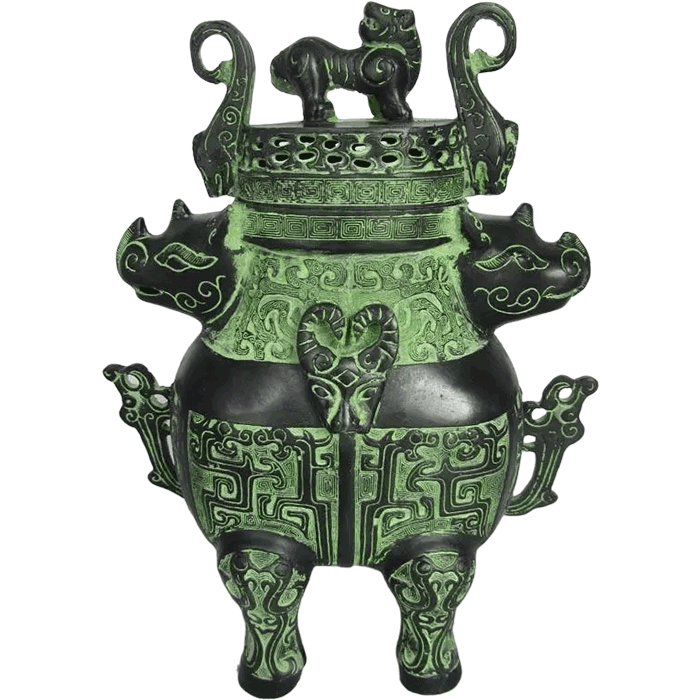
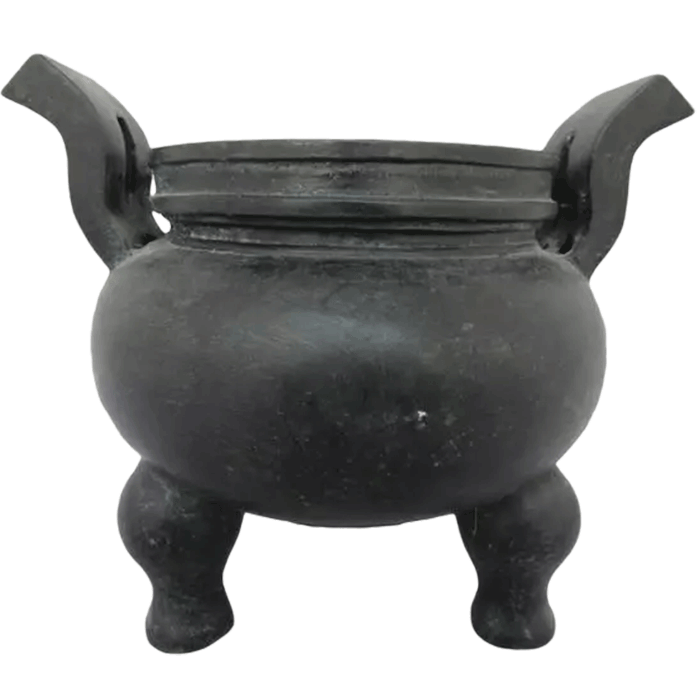
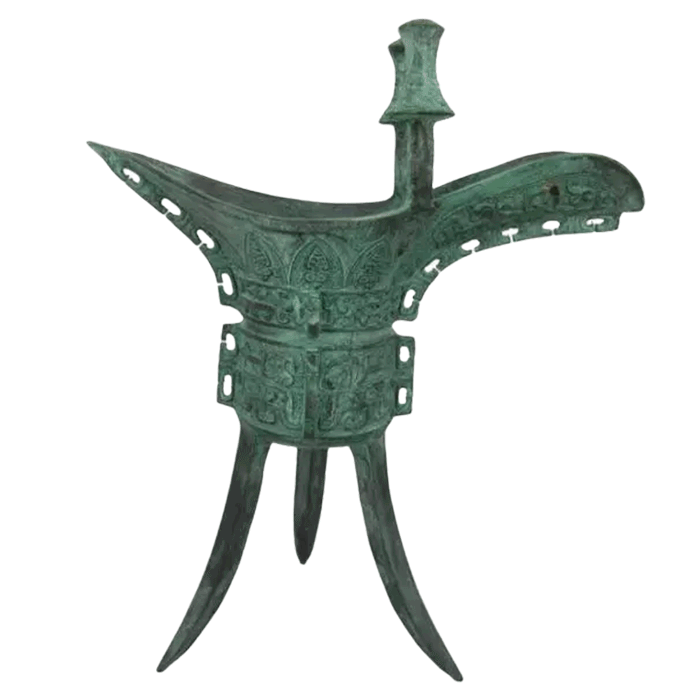
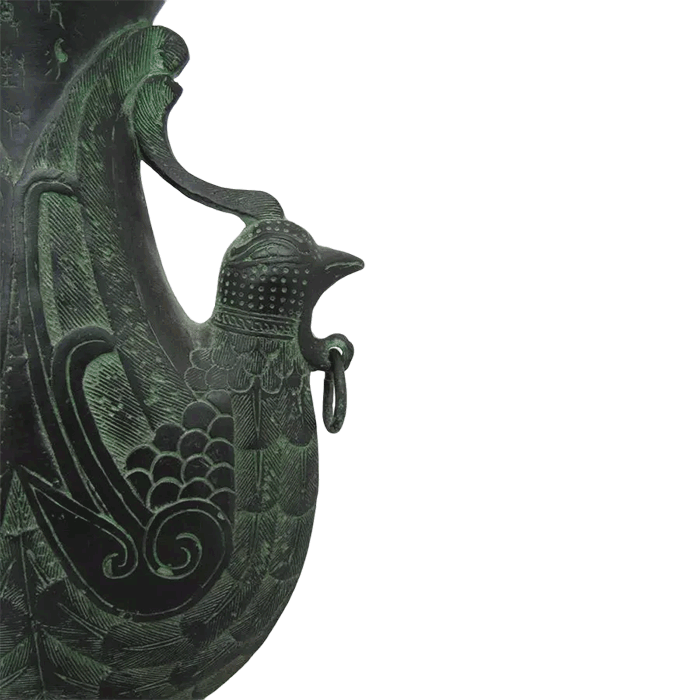
When a buyer is sourcing historical or traditional forms, reference material is particularly important. A request for a ding, zun, hu, tripod, or ritual vessel should identify the preferred period influence, silhouette, handles, feet, inscriptions, and surface pattern. Buyers preparing a traditional vessel project may find it helpful to review an introduction to bronze wares before organizing references and terminology.
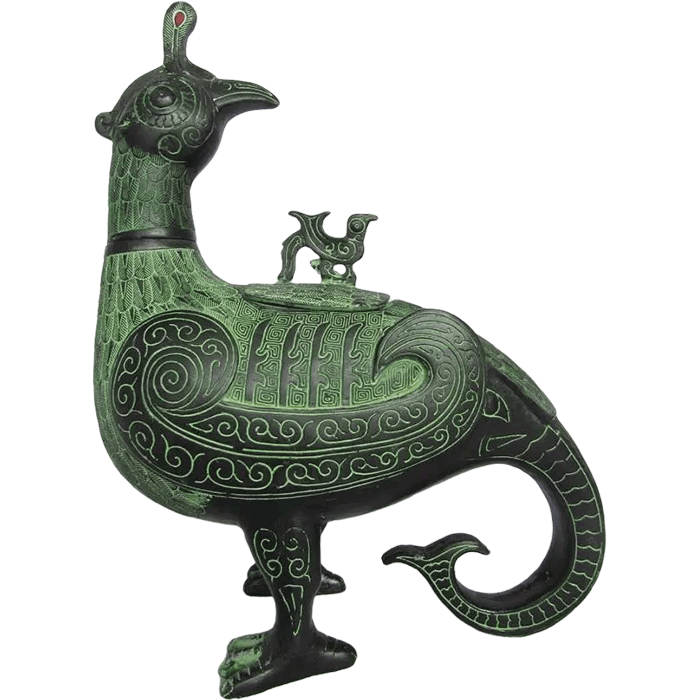
For sculpture projects, specify whether the artwork should be realistic, stylized, classical, religious, contemporary, or antique-inspired. Human and animal subjects can require different levels of anatomical detail, finishing, and support design. A clear product reference is more useful than broad descriptions such as “premium,” “high-end,” or “museum quality,” because those terms can mean different things to different buyers.
Sampling questions buyers should ask before approval
A prototype review should confirm more than whether the piece “looks good.” The buyer should inspect the sample against the original brief and identify any changes before moving to repeat production. For a detailed bronze figure, the face, hands, garment folds, tools, accessories, and base can all affect the overall impression. For vessels, important points may include symmetry, rim shape, foot structure, lid fit, handle placement, relief clarity, and inscription legibility.
Questions for form and dimensions
- Does the sample match the approved height, width, depth, and base proportions?
- Are visual details present in the correct location and scale?
- Is the item stable for display, installation, or retail handling?
- Are assembled sections, accessories, and mounting points properly identified?
- Does the chosen construction suit the intended placement and use?
Questions for patina and finishing
- Is the approved finish antique, modern, polished, matte, textured, or mixed?
- Which patina areas need close color matching to the reference?
- Should recessed details remain darker than raised details?
- Are hand-polished highlights required, and where should they appear?
- Will the buyer retain an approved physical sample or finish panel for future comparison?
Patina should be described visually whenever possible. A buyer may use photographs, but should note that lighting can influence how color appears in an image. Instead of requesting simply “green bronze,” define whether the target is a muted aged green, a dark green in recessed areas, or a green-and-brown antique finish. The same approach applies to black, brown, red-brown, and gold-toned surfaces.
For buyers comparing base materials, a practical review of bronze and brass differences can help distinguish alloy-related expectations from purely visual finishing preferences.
From approved sample to production order
Once the sample is accepted, the next step is to convert approval into a usable production record. The goal is to prevent a future order from relying only on a chat history or loosely labeled photographs. A clear record helps the buyer, purchasing team, manufacturer, quality inspector, and logistics provider work from the same requirements.
- Confirm the approved reference. Identify the final sample, drawing revision, photo set, or physical reference that represents the accepted design.
- Record approved dimensions. Include the measurements that matter most to display, installation, assembly, or packaging.
- Document the finish. Attach labeled photos showing the accepted patina, polish level, and any intentional color variation.
- Define order quantity. State the initial quantity and indicate whether a repeat program may be considered.
- Confirm inspection points. Clarify the priority checks for casting quality, visual details, finish, stability, and packing.
- Confirm packaging instructions. Specify individual protection, crates or cartons, component separation, and any shipping marks.
- Keep a reference for repeats. Retain a physical sample, approved photographs, or both when future consistency is important.
Every shipment from Luoyang Yichuan Bronze Craft Co., Ltd. is inspected before dispatch. The company provides free replacement for casting defects and offers after-sales support for patina touch-ups and restoration guidance. Buyers should still communicate their project-specific acceptance criteria in advance, because inspection is most effective when the agreed requirements are clearly documented.
For projects that involve multiple sculpture themes, buyers can use the available bronze statue collection as a starting point for discussing subject matter, display style, and product direction. Buyers developing historical replicas may also reference resources on the Houmuwu square cauldron when preparing vessel-related specifications.
Choosing the right order path for your project
Not every bronze project needs the same purchasing path. A one-piece custom commission may begin with a detailed artwork review and prototype confirmation. A retail buyer may first select existing product styles, request changes to finish or size, then proceed to a negotiated quantity. A project buyer may need sample approval, mounting confirmation, protective packaging, and staggered delivery coordination before a final production release.
The most effective approach is to match the process to the project risk. If the design is original, detailed, historically sensitive, or finish-dependent, a sample provides a practical opportunity to confirm expectations. If the buyer is ordering a known design with a previously approved finish, the discussion may focus more on quantity, packaging, and quality consistency.
A Custom Chinese bronze factory should be evaluated not only by whether it can produce an attractive item, but also by whether it can understand the buyer’s sample requirements, communicate practical production considerations, and maintain clear documentation from prototype through shipment. For buyers at the shortlist stage, MOQ and sampling are not separate topics. They are connected decisions that shape material planning, hand-finishing expectations, quality review, packaging, and the readiness of a design for repeat production.
By preparing accurate references, defining the intended finish, stating realistic quantity plans, and documenting sample approval points, buyers can move into negotiations with greater clarity. This creates a stronger foundation for custom bronze sculptures, vessels, mirrors, incense burners, Buddhist figures, and other bronze artworks intended for international supply.