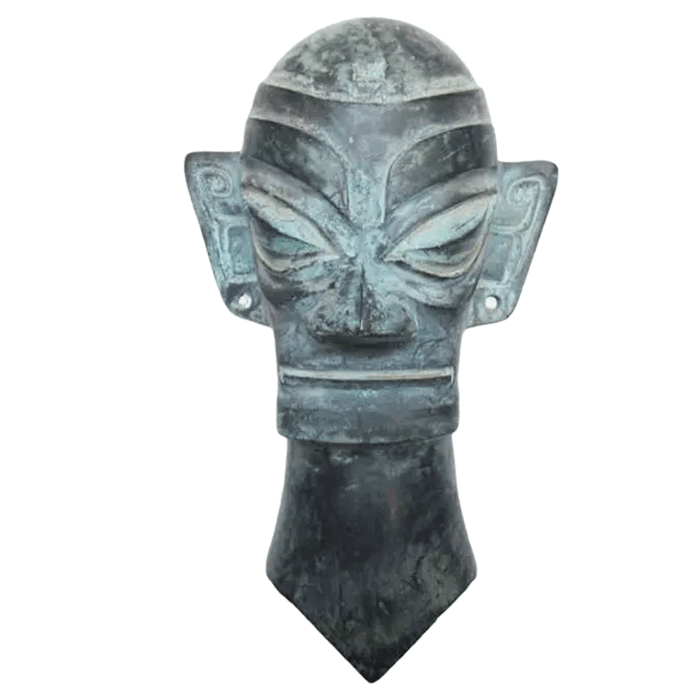
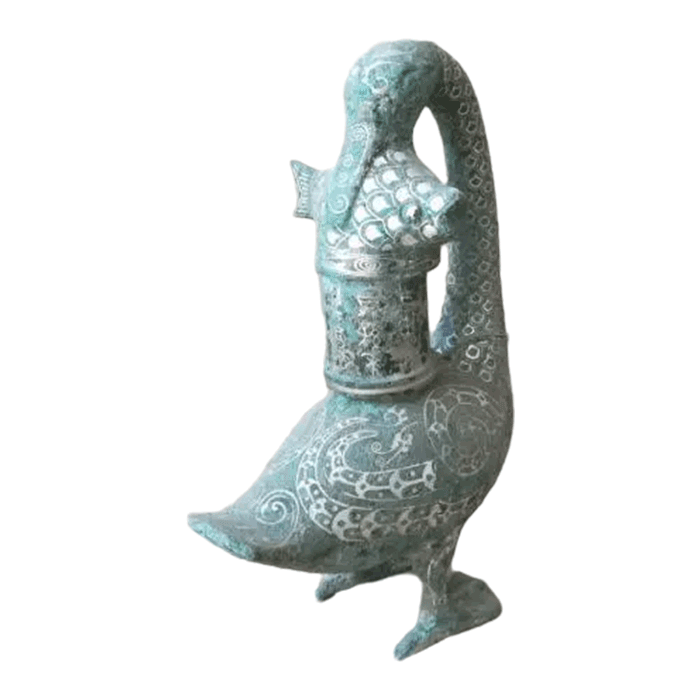
Custom Chinese Bronze Factory Pre-Order Proof FAQs
A Custom Chinese bronze factory should provide clear pre-order proof before a deposit is paid
Ordering a custom bronze sculpture, vessel, incense burner, mirror, or Buddhist statue requires more than approving a product photograph. For first-time importers and repeat buyers alike, the period before a deposit is paid is the right time to verify production capability, material expectations, finishing requirements, order documentation, and shipment protection.
A well-prepared purchase order reduces avoidable misunderstandings. It gives the buyer and manufacturer one shared reference for dimensions, design details, bronze color, surface finish, quantity, packaging, inspection standards, and delivery arrangements. This is especially important for bronze artworks because hand-made casting and patina work naturally involve visual details that should be agreed in writing rather than assumed.
Luoyang Yichuan Bronze Craft Co., Ltd. is located in Yichuan County, Luoyang, Henan Province. Its 3,000-square-meter production area is supported by more than 30 skilled craftsmen, including bronze-casting masters and finishing artisans. The company produces more than 50,000 bronze art pieces annually and supports projects from a single custom prototype through to negotiated bulk production runs.
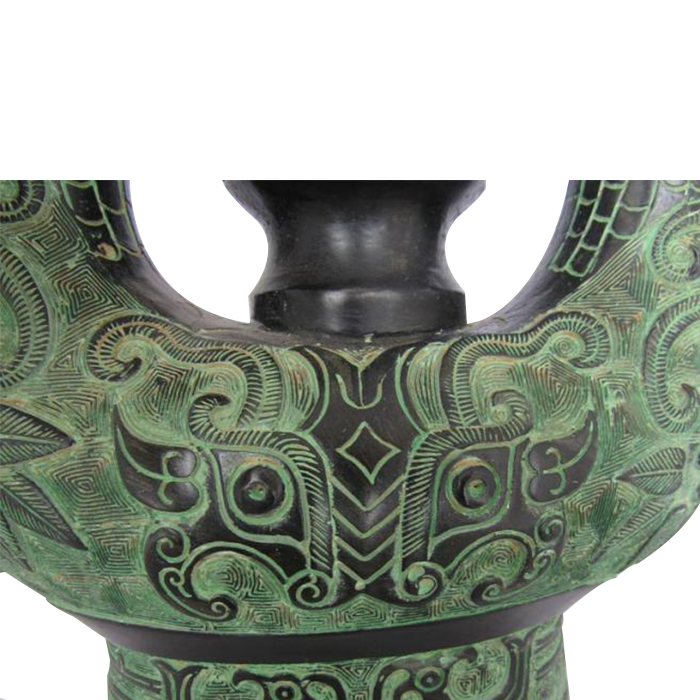
Why pre-order proof matters when selecting a Custom Chinese bronze factory
Custom bronze procurement has several variables that can affect the final result. A sculpture may need to reproduce an antique reference, follow an artist’s drawing, match an existing patina, fit an architectural location, or withstand the handling requirements of international transport. Buyers should therefore request evidence that addresses the particular risks of their project, rather than relying only on general product images.
Pre-order proof is not one document. It is a practical collection of drawings, photographs, measurements, material notes, finish references, sample approvals, packaging plans, and commercial terms. The required level of proof depends on the order. A small bronze animal statue and a large multi-part public sculpture do not need the same documentation, but both benefit from a clear approval process.
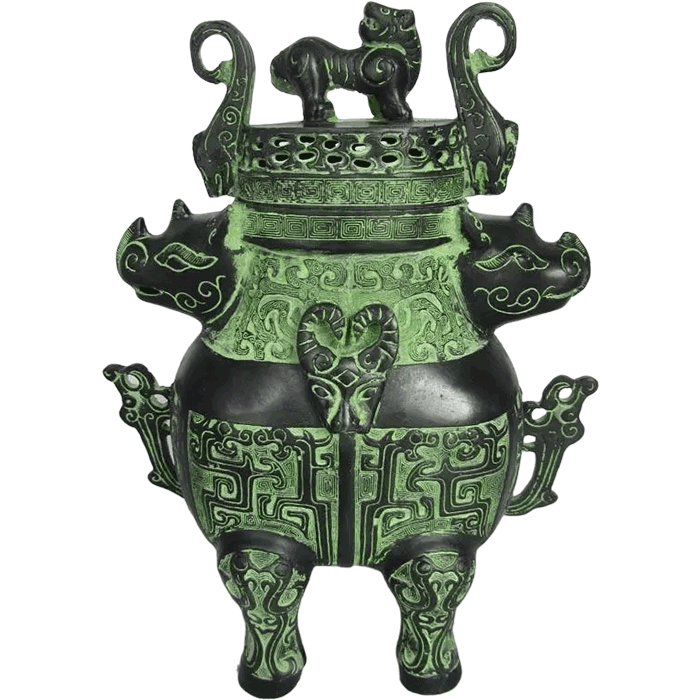
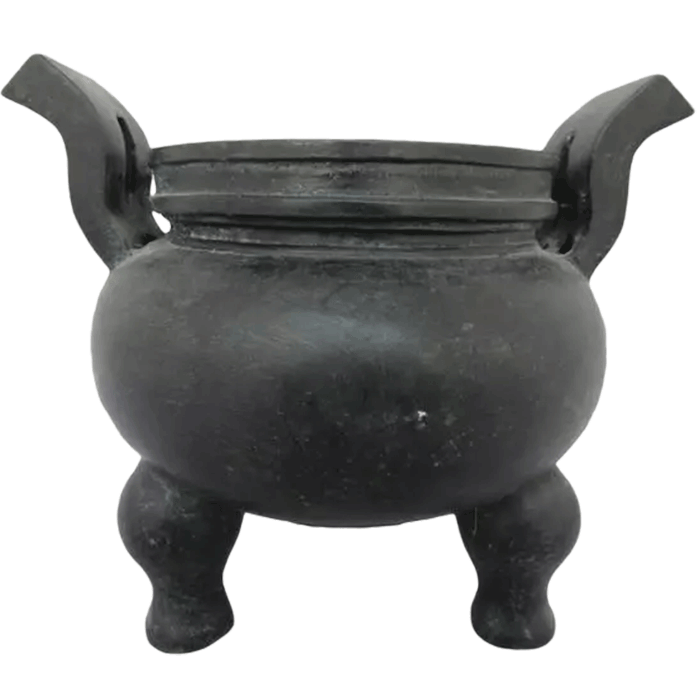
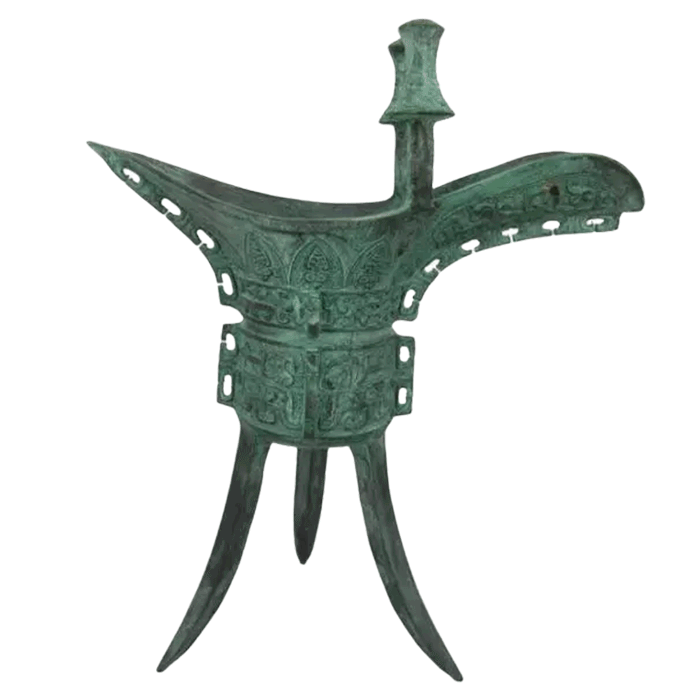
For example, a buyer sourcing an antique-style ding, zun, hu, or tripod should define the desired relief pattern, proportions, decorative handles, inscription treatment, and antique surface color. A buyer sourcing a modern human figure may instead focus on posture, facial expression, casting seams, assembly points, polishing level, and mounting provisions. In either case, details should be recorded before production begins.
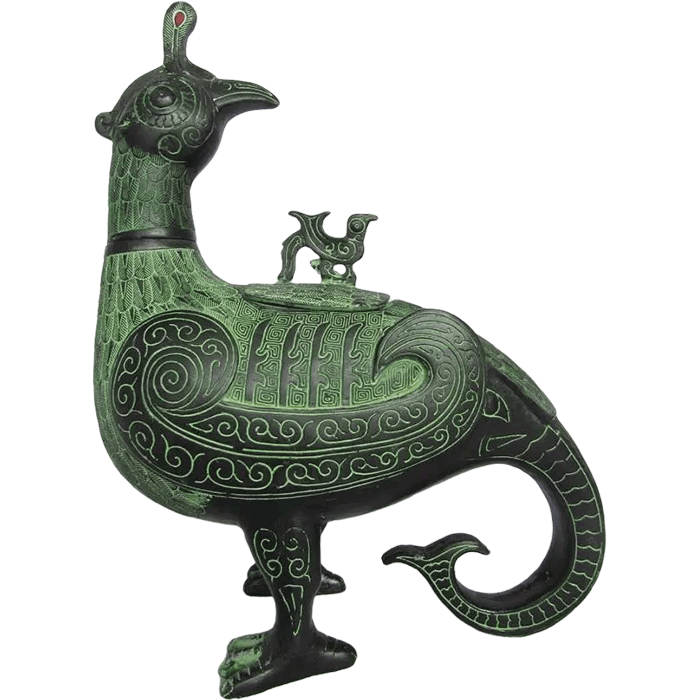
Buyers evaluating historical references can also review several bronze wares to better understand the variety of traditional vessel forms and decorative expectations. Reference research is useful, but the final production specification should state exactly which details are required for the commissioned piece.
Core documents to request before confirming the purchase order
A professional supplier review should begin with basic company and production information. The objective is not to create unnecessary paperwork; it is to ensure that the buyer has enough evidence to make a confident payment decision and establish a traceable production record.
Company and quality-management evidence
Ask for current business information, factory location details, and confirmation of the applicable quality-management system. Luoyang Yichuan Bronze Craft Co., Ltd. is ISO 9001 quality management system certified, and its products comply with export quality inspection standards for art crafts. For a buyer’s internal records, it is sensible to request supporting documentation or certificate details as part of supplier qualification.
Also confirm who will be responsible for technical communication. Complex bronze projects often require communication between the buyer’s sourcing team, designer, installer, or curator and the supplier’s production personnel. Identify the contact responsible for consolidating changes so that there is one approved version of the design file and order sheet.
Product specification sheet
The product specification sheet should be attached to or referenced by the purchase order. It should contain enough detail that a production team can understand what is required without interpreting vague descriptions. Buyers should avoid descriptions such as “old bronze color,” “museum quality,” or “large sculpture” unless measurable or visual acceptance criteria are added.
| Specification item | What the buyer should define | Why it matters |
|---|---|---|
| Product type | Human statue, animal statue, vessel, mirror, burner, Buddhist statue, or other artwork | Defines the production and finishing requirements |
| Dimensions | Height, width, depth, wall thickness where relevant, and permitted tolerances | Supports fit, display, installation, and freight planning |
| Reference material | Approved drawings, photographs, 3D files, sketches, or physical sample notes | Prevents uncertainty about the intended form |
| Bronze material | Required alloy description and any project-specific requirement | Confirms the material basis for the order |
| Surface finish | Patina color, polished areas, antique effect, modern effect, texture, and protective treatment expectations | Patina is visual and should be approved clearly |
| Quantity | Prototype quantity, production quantity, and any matched sets | Supports capacity and consistency planning |
| Packaging | Inner protection, outer crate expectations, marking requirements, and destination considerations | Helps protect fragile artworks during export handling |
Luoyang Yichuan Bronze Craft Co., Ltd. uses premium Cu-Sn bronze alloy and the traditional lost-wax casting method. Hand chasing, polishing, and patina finishing can be specified for antique or modern appearances. Buyers should still place these requirements in the order record, especially when a project includes multiple pieces that need to appear visually coordinated.
How to verify design, dimensions, and artistic details
Design approval is often the most important pre-deposit step. The buyer should provide the clearest available source material and explain which elements are mandatory. These may include silhouette, proportions, facial features, drapery, ornament, animal anatomy, inscriptions, handles, feet, mounting points, or the overall aged appearance of an antique reproduction.
For custom work, request a drawing, digital rendering, clay-model image, wax-stage image, or another practical visual confirmation appropriate to the project. The exact format can vary by design complexity. What matters is that the buyer has a defined approval point before the project moves into an irreversible production stage.
When reviewing a proof, check more than the overall shape. Consider the following questions:
- Does the sculpture match the approved front, side, and rear views?
- Are the stated dimensions shown with a clear unit of measurement?
- Are separate cast components identified where the artwork requires assembly?
- Are decorative patterns, inscriptions, and relief details visible enough for approval?
- Are plinth dimensions, fixing holes, threaded rods, or base plates specified when installation is required?
- Does the design show the intended balance and support points for a free-standing statue?
- Has the buyer approved the final reference version in writing?
For buyers commissioning figure works, the available bronze statues with different themes can help illustrate the broad range of human-form bronze styles. Animal commissions should similarly identify whether the requested work is realistic, stylized, ceremonial, decorative, or based on a historic reference.
Exact replication of antique bronzes requires particular attention. Natural wear, casting texture, corrosion-like patina, inscriptions, and asymmetric historic characteristics may all be intentional. A buyer should state whether these features should be reproduced, softened, or omitted. A supplier cannot reliably infer which marks are historical features and which are unwanted defects unless the order documentation explains the distinction.
Material, casting, and patina questions to ask
Bronze is often discussed as though it were one uniform material, yet a buyer should still identify the desired alloy basis and intended visual result. For this manufacturer, the standard production material is premium Cu-Sn bronze alloy. If your organization has a specific procurement standard, compliance requirement, or documentation format, provide it before quotation and production confirmation.
The lost-wax method is appropriate for detailed bronze art because it can reproduce fine textures, sculptural relief, and complex forms. However, buyers should understand that hand finishing remains important after casting. Hand chasing can refine details; polishing can alter reflectivity and highlight selected areas; patina finishing can create antique, dark, green-toned, brown-toned, or modern visual effects depending on the approved requirement.
Patina approval should never be left to a broad phrase alone. A useful patina brief may include:
- Color reference photographs taken in neutral light where possible.
- Descriptions of dominant and secondary tones, such as dark brown with lighter raised highlights.
- Instructions for polished, matte, textured, or recessed areas.
- Guidance on whether variation is acceptable across handmade surfaces.
- Approval of a physical sample, sample image, or finish panel when the color match is critical.
- Requirements for matching new pieces to an existing bronze collection or installation.
Consistent patina color matching is a common sourcing concern for bronze artworks. Buyers should send photographs of any existing object to be matched and describe the viewing conditions. If the object will be displayed indoors, outdoors, under gallery lighting, or in direct daylight, that context can affect how the requested finish is perceived.
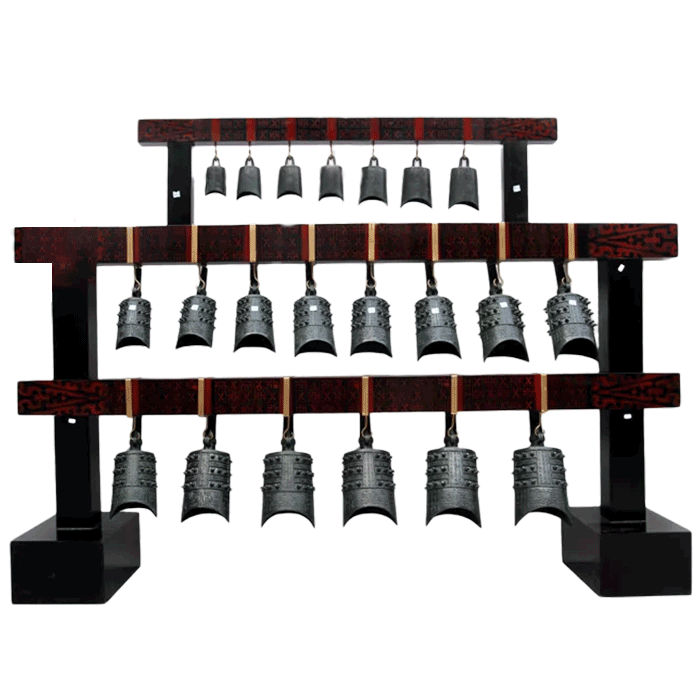
For a useful comparison of metal terminology, buyers may consult the difference between bronze and brass. This background information does not replace a purchase-order material specification, but it can help procurement teams ask more precise questions.
What sample and inspection proof should be agreed
The right sample approach depends on quantity, size, and design complexity. Luoyang Yichuan Bronze Craft Co., Ltd. supports custom sculpture orders from one piece, while bulk-order arrangements can be negotiated according to size and design complexity. A single prototype may require more detailed approval before full production, while a repeated production run may need a defined master reference for consistency.
Before paying a deposit, clarify whether the order will use a prototype, wax model confirmation, finish sample, pre-shipment photographs, dimensional record, or another agreed approval method. The buyer should also define what happens if the submitted proof identifies a deviation. It is better to establish a revision process before production than to negotiate expectations after casting is complete.
Recommended inspection checkpoints
- Design checkpoint: Confirm the approved artwork, reference file, dimensions, and design notes.
- Pre-casting checkpoint: Where suitable for the project, review the relevant model or wax-stage information.
- Finish checkpoint: Confirm patina, polishing, texture, and visible decorative details against the approved reference.
- Final inspection checkpoint: Review photographs, measurements, quantities, and packing condition before shipment.
The company performs quality inspection before every shipment and provides free replacement for casting defects. Buyers should define how they will document a claim if one is required, including photographs, item identification, and packaging-condition images upon arrival. This does not mean a buyer should wait until delivery to inspect the order; final pre-shipment review remains an important part of responsible purchasing.
For repeat orders, retain the final approved drawings, photographs, sample references, finish instructions, and inspection notes from the first order. These records become the benchmark for reorders and help reduce variation between production batches.
Export packaging, freight preparation, and after-sales questions
Bronze is durable, but a finished artwork can still be vulnerable during transport. Protruding elements, polished edges, applied components, bases, handles, and delicate decorative details need suitable protection. Export-compliant protective packaging for fragile sculptures should be discussed before the deposit, not after production is finished.
Ask the supplier to confirm the intended packaging method for the specific item. The agreed plan may need to consider the product’s size, weight, shape, fragility, finish, shipment method, and destination. Buyers should also provide any required carton marks, project codes, consignee information, or packing-list format needed by their warehouse, freight forwarder, or installation team.
Useful pre-order freight questions include:
- Will the sculpture be packed as one piece or separated into protected components?
- How will surfaces be protected from rubbing during handling?
- Will a base, stand, or detachable accessory be packed separately?
- What labels or project identification should appear on the outer package?
- What final photographs should be supplied before dispatch?
- Who is responsible for freight booking, export paperwork coordination, and destination requirements?
After-sales support is also relevant to the deposit decision. Luoyang Yichuan Bronze Craft Co., Ltd. offers after-sales support for patina touch-ups and restoration guidance. Buyers should keep order images and finish references after delivery so that future maintenance communication can be linked to the original project specifications.
Pre-order proof FAQs for bronze import buyers
What is the minimum information needed for a quotation?
Provide the product type, quantity, approximate dimensions, reference images or drawings, destination country, desired finish, and any packaging or installation requirements. More complete information generally allows a more practical production discussion, particularly for large sculptures, antique reproductions, or works with detailed ornament.
Can one custom bronze sculpture be ordered?
Yes. The custom sculpture MOQ starts from one piece. Bulk orders can be discussed based on design complexity and size. For a one-piece commission, it is especially important to confirm design approval, dimensions, and patina expectations before production begins.
How should an antique bronze reproduction be specified?
Supply clear images from several angles, identify the exact features that must be replicated, state the requested dimensions, and explain the desired antique appearance. If inscriptions, ritual-vessel motifs, aged textures, or intentional asymmetry are important, mark them clearly in the reference package. Buyers researching classic forms may find the houmuwu square cauldron useful as an example of a significant traditional ding form.
How can a buyer reduce patina color risk?
Use approved color references, describe the surface effect in writing, and request a practical finish confirmation suitable for the project. Keep in mind that handcrafted patina has visual character, so acceptance criteria should distinguish between acceptable handmade variation and unacceptable color mismatch.
What should be included in the final purchase order?
The final purchase order should include the product specification, approved reference files, quantity, unit price, total amount, payment terms, production timeline discussion, inspection requirements, packaging requirements, shipping responsibilities, and defect-handling process. All approved changes should be recorded in the same order trail.
Final checklist before releasing the deposit
Before making payment, the buyer should be able to answer “yes” to the following questions:
- Have we verified the supplier’s company information and quality-management credentials?
- Have we approved the product design, dimensions, and reference version?
- Have we specified Cu-Sn bronze material expectations and the required surface finish?
- Have we agreed on the patina reference and finish approval process?
- Have we defined sample, prototype, or inspection checkpoints appropriate to the order?
- Have we confirmed quantities, including whether this is a one-piece custom project or a bulk run?
- Have we documented packaging, shipment, and destination handling requirements?
- Have we retained all drawings, photographs, approvals, and purchase-order revisions?
A deposit should follow documented alignment, not replace it. When design evidence, finish references, inspection checkpoints, and packaging expectations are agreed in advance, both buyer and manufacturer have a stronger basis for producing custom bronze artworks that meet the intended commercial and artistic requirements.