Custom Chinese Bronze Factory Cost Planning
Estimate Custom Bronze Factory Costs Before Ordering
Purchasing a custom bronze artwork requires more than comparing the final quotation total. For importers, museum suppliers, hotel projects, designers, religious institutions, galleries, and procurement teams, a useful budget must account for the full production scope: artwork development, mold preparation, bronze casting, hand finishing, patina work, quality inspection, protective packaging, and shipping preparation.
When buyers request quotations from several suppliers, prices may differ because each factory has made different assumptions about the artwork, dimensions, materials, surface requirements, packaging method, or quantity. A lower figure is not always directly comparable if it excludes details that another supplier has included. Before approving a purchase, define the sculpture or bronze item carefully and ask every supplier to quote against the same specification.
Luoyang Yichuan Bronze Craft Co., Ltd. produces custom bronze sculptures, human and animal statues, Buddhist statues, bronze vessels, bronze mirrors, incense burners, and other bronze artworks. With a 3,000-square-meter production area and more than 30 skilled craftsmen, the company supports projects ranging from a single custom prototype to bulk production. Understanding the inputs behind a quotation can help buyers prepare a more realistic purchasing budget and select the right production approach.
What a Custom Chinese Bronze Factory Quote Should Include
A quotation is most valuable when it describes the actual work required to turn a concept into a finished bronze piece. Buyers should avoid relying only on a product name such as “bronze horse statue” or “antique bronze vessel.” These descriptions leave too much open to interpretation. The supplier needs sufficient technical and visual information to estimate labor, metal usage, tooling, finishing, and packing requirements.
For an accurate comparison, request a quotation that separates or clearly explains the major cost components. Depending on the project, the quotation may include one-time development costs as well as repeatable unit-production costs.
| Cost Area | What It May Cover | Buyer Information Needed |
|---|---|---|
| Design and artwork preparation | Reference review, drawing adjustment, 3D model preparation, or sculpture development | Photos, sketches, CAD files, dimensions, visual references, and target style |
| Wax pattern and mold work | Wax modeling, mold creation, revisions, and master pattern preparation | Whether the design is new, repeated, resized, or based on an existing model |
| Bronze casting | Bronze alloy, melting, lost-wax casting, assembly, welding, and initial cleanup | Finished size, estimated weight, wall thickness expectations, and quantity |
| Hand finishing | Chasing, texture refinement, polishing, edge cleanup, and detail correction | Required detail level, viewing distance, and accepted handmade variation |
| Patina and coating | Antique, dark brown, green, black, gold-toned, or modern surface treatment | Color sample, reference image, gloss level, and installation environment |
| Packaging and export preparation | Internal protection, crate or carton preparation, labeling, and shipment readiness | Destination, transport mode, fragile areas, and whether a base must be protected separately |
A supplier should also identify what is not included. Examples may include international freight, customs duties, local destination charges, installation, special certificates requested by the buyer, or revisions beyond an agreed design stage. This prevents an apparently low factory quote from becoming more expensive later in the purchasing process.
Estimate Costs From Design Complexity and Scale
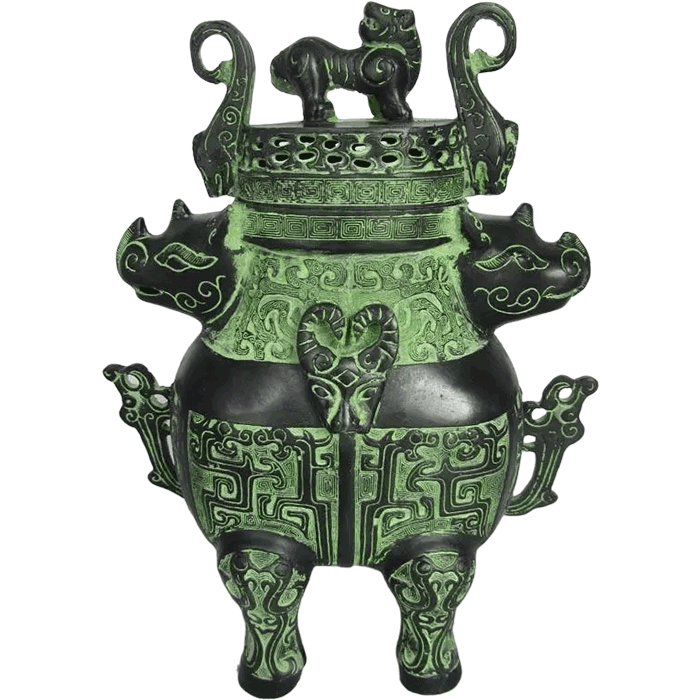
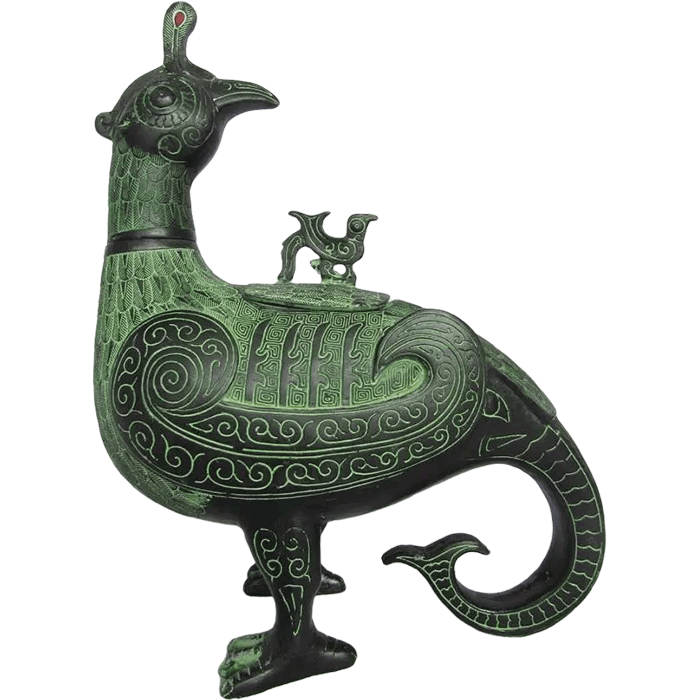
Design complexity is often one of the largest variables in a custom bronze project. A simple geometric incense burner, a smooth contemporary figure, and a highly ornamented ceremonial vessel can have very different labor requirements even when their overall dimensions are similar. Buyers should describe detail requirements early because finishing labor can increase significantly when an object includes deep relief, layered ornaments, fine facial features, openwork patterns, inscriptions, feathers, fur, scales, or detailed clothing folds.
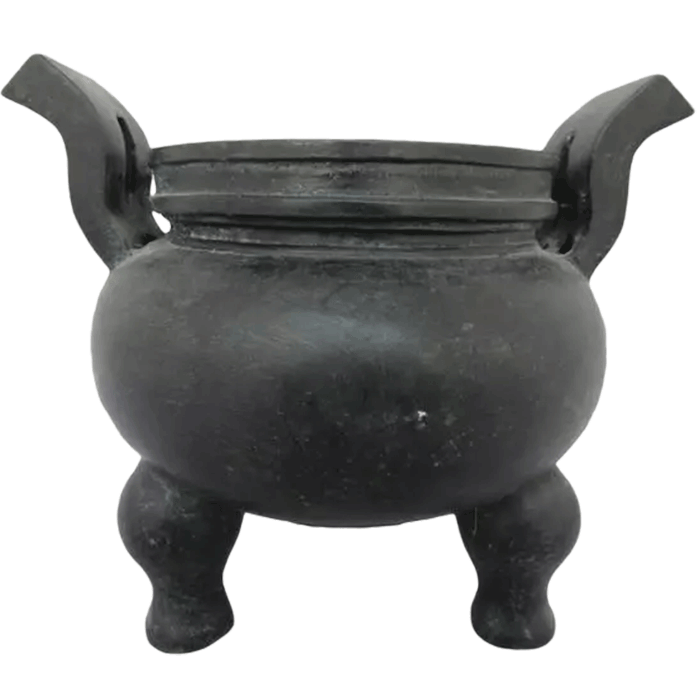
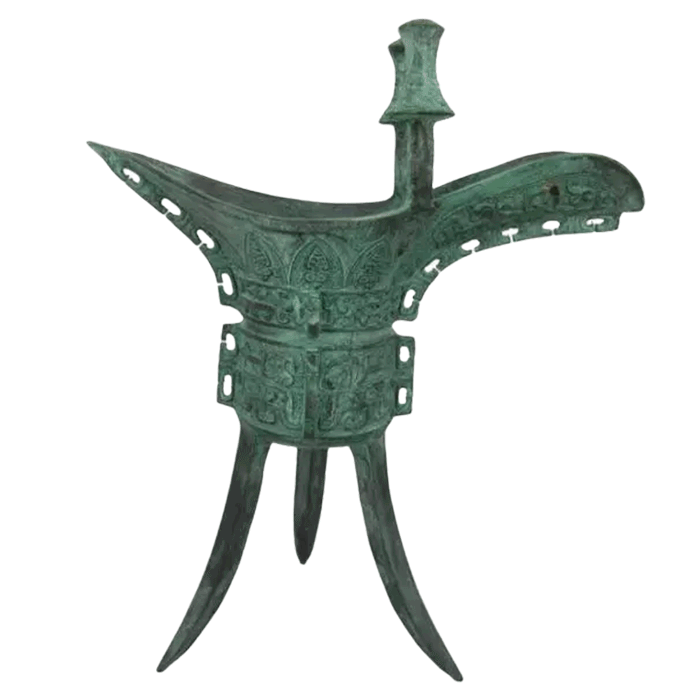
For historical or antique-inspired work, the required degree of replication also affects the budget. Exact replication may involve careful reference study, repeated wax adjustments, and detailed hand chasing after casting. Buyers sourcing a ding, zun, hu, tripod, or bronze mirror should specify whether they need a general period-inspired design or a close reproduction of a particular reference object. A useful reference source for discussing traditional vessel forms is this overview of several bronze wares.
Size does not increase cost in a straight line
It is reasonable to expect a larger statue to use more bronze alloy and require more handling. However, size is not the only reason that a large work can cost more. Large sculptures may require sectional construction, internal support considerations, welding between cast sections, more complex polishing, and stronger packaging. Conversely, a small but extremely detailed sculpture can require substantial manual work despite using less metal.
When comparing sizes, state whether the requested dimensions include the base, plinth, weapon, wings, antlers, or other extensions. For a human figure, specify standing, seated, reclining, or mounted posture. For an animal sculpture, provide the intended length, height, width, and orientation. A buyer exploring common figure options can review animal bronze statues to identify useful reference categories before requesting a custom estimate.
Weight estimates should be confirmed, not assumed
Bronze cost is influenced by the amount of Cu-Sn bronze alloy used, but finished weight should not be guessed from photographs alone. Hollow casting, wall thickness, sculpture geometry, base construction, and internal connections all affect the final result. Ask the supplier whether the quotation is based on an estimated finished weight, a planned wall thickness, or a completed technical model. This creates a clearer basis for reviewing any price adjustment if the approved design changes materially before casting.
For budgeting purposes, buyers can group projects into three general categories: small decorative items, medium display sculptures or vessels, and large architectural or public-space works. The final estimate should still be tied to actual dimensions and detail requirements rather than a broad category alone.
Understand Tooling, Sampling, and One-Time Development Charges
Custom work often includes costs that do not repeat in the same way on future orders. These can include sculpture development, wax master work, molds, prototype adjustments, and engineering preparation for a complex assembly. Such costs are especially important when ordering one piece, because they are allocated across a very small quantity.
For this reason, buyers should distinguish between a prototype quotation and a production quotation. A single custom artwork may include more design and setup work per unit than a batch of repeated pieces. Luoyang Yichuan Bronze Craft Co., Ltd. accepts custom sculpture orders from one piece, while bulk-order arrangements can be discussed according to the design and size. This flexibility is useful for buyers who need a prototype, a limited-edition artwork, or a preliminary approval sample before considering a larger run.
Ask the supplier the following questions before approving development work:
- Is the quoted mold or master pattern intended for one piece, a limited run, or repeat production?
- What design files, drawings, photographs, or physical samples are required before work begins?
- How many design confirmation stages are included before casting?
- Will a dimensional change require a new wax model or mold adjustment?
- Can the buyer approve photographs or video of the wax stage before metal casting?
- Are there separate charges for a custom base, inscription, logo, or mounting hardware?
Clear answers to these questions help procurement teams compare a factory that has included development work with one that may be quoting only an indicative casting price. They also reduce uncertainty for internal purchase approvals, where a finance team may need to understand why a one-off artwork has a different unit cost from a repeated product.
Plan for Finishing, Patina Matching, and Quality Requirements
Bronze casting is only one stage in the cost structure. The visual result depends greatly on hand chasing, surface preparation, polishing, patina application, and final inspection. These stages deserve clear attention when buyers are comparing suppliers, particularly for museum-style replicas, decorative collections, religious statues, or premium hospitality projects.
A smooth modern bronze may require a consistent polished appearance with controlled reflections. An antique-style vessel may require darker recesses, a restrained aged tone, or a layered green patina. A Buddhist statue may require particular attention to facial expression, robe details, symbolic objects, and the relationship between highlighted and recessed surfaces. Provide close-up reference images, not only overall product photos, because the patina and texture visible from a distance may look different under direct inspection.
It is helpful to specify the following finishing points in the request for quotation:
- Required patina family, such as antique brown, dark bronze, black, green, or another approved reference tone
- Matte, satin, semi-gloss, or polished visual preference
- Whether the artwork is for indoor or outdoor placement
- Which areas require high detail, including faces, hands, inscriptions, patterns, or animal features
- Whether color matching must be consistent across multiple pieces
- Whether the buyer needs photographs for approval before shipment
Luoyang Yichuan Bronze Craft Co., Ltd. offers hand chasing, polishing, and patina finishing in antique or modern looks. The company also addresses a common sourcing concern: consistent patina color matching for custom works. However, a responsible buyer should recognize that handmade patina is a crafted surface treatment. Approval references, lighting conditions, and acceptable variation should be agreed upon in writing before production.
When comparing material descriptions, buyers should also ensure they are comparing bronze with bronze rather than with another copper-based metal. This guide to bronze and brass differences can support more informed material discussions with suppliers.
Calculate Packaging, Inspection, and Delivery Preparation
Packaging is an essential budget consideration for fragile bronze art, especially for pieces with projecting elements such as arms, swords, branches, wings, animal legs, handles, or raised vessel ornaments. Large sculptures may also need a base and body to be protected as separate components. The packaging method should suit the item’s shape, finish, weight, and transportation route.
Ask for a clear explanation of export packing assumptions. The quotation should identify whether it includes protective internal wrapping, outer cartons, wooden support, crate preparation, separate hardware packing, and labels for multi-piece assemblies. If your organization will arrange freight separately, provide the expected transport method so the supplier can prepare appropriate protection. A sculpture shipped by sea freight may face different handling conditions from one moving through air freight or domestic project logistics.
Quality inspection should be considered before shipment rather than after delivery. Luoyang Yichuan Bronze Craft Co., Ltd. carries out quality inspection before every shipment, and its products comply with export quality inspection standards for art crafts. The company is ISO 9001 quality management system certified. For buyers, this does not eliminate the need for a defined acceptance standard; instead, it provides a basis for discussing the inspection points that matter for a specific order.
A practical pre-shipment checklist may include dimensions, quantity, visible surface condition, patina appearance, assembly fit, stability, inscriptions, approved accessories, and packaging condition. If a project includes multiple identical pieces, ask how appearance consistency will be reviewed across the full quantity. For custom casting defects, the company provides free replacement and also offers after-sales support for patina touch-ups and restoration guidance.
Use a Consistent Request for Quotation Template
The best way to compare a Custom Chinese bronze factory is to send each candidate supplier the same request for quotation package. A consistent RFQ reduces vague assumptions and makes supplier responses easier to review side by side. It also helps a purchasing team identify whether a cost difference comes from alloy usage, handmade finishing time, tooling, packing, or an omitted service.
- Identify the artwork: State the product type, such as a human statue, animal sculpture, Buddhist figure, incense burner, mirror, or ritual vessel.
- Attach references: Include front, side, rear, and close-up images whenever possible. Mark the elements that must be replicated accurately.
- Confirm dimensions: Provide height, width, length, base dimensions, and the required unit of measurement.
- Define the quantity: State whether the order is one prototype, a limited edition, or a larger batch.
- Describe the finish: Name the desired patina, sheen, texture, and intended installation environment.
- Specify quality expectations: Include tolerance needs, acceptable handmade variation, required photo approvals, and any special inspection points.
- Request packaging details: Explain the destination, shipment arrangement, and whether the work will be handled as a fragile art object.
- Ask for quote validity: Since raw-material and production conditions can change, confirm how long the proposed price remains valid.
For buyers still developing the concept, the option to customize bronze sculptures can help frame the information needed before requesting a detailed estimate. The more complete the design brief, the more meaningful the quotation comparison will be.
Make Purchase Approval More Predictable
Before issuing a purchase order, review each quote against the same checklist rather than selecting solely by the lowest number. Confirm whether the quote includes custom development, bronze casting, hand finishing, patina, base construction, inspection, export-compliant packaging, and any other required work. If suppliers have quoted different scopes, ask them to revise their proposals against one agreed specification.
It is also wise to document approved references and expectations in the purchase record. Include the final dimensions, the quantity, the bronze alloy requirement, finish references, packaging requirement, production milestones, and inspection method. Where a project depends on appearance, save the approved patina photographs and close-up detail references. This gives both buyer and factory a practical standard to follow during production.
With annual output of more than 50,000 bronze art pieces, Luoyang Yichuan Bronze Craft Co., Ltd. combines traditional lost-wax bronze casting with hand finishing for custom and bulk requirements. A well-prepared cost estimate helps buyers use those capabilities effectively: define the design, separate one-time and repeatable costs, account for finishing and packaging, and compare supplier quotations on an equal basis. This approach supports clearer budgeting before supplier selection and reduces costly misunderstandings after an order is approved.