Custom Bronze Sculpture: Sample Approval FAQs
Custom Bronze Sculpture Sample Approval: What Import Buyers Need to Know Before Production
Commissioning a custom bronze sculpture from an overseas foundry involves more than sending a reference photo and waiting for a finished crate to arrive. Between the design brief and the final shipment sits a critical checkpoint: sample approval. This stage determines whether the casting proportions, surface texture, and patina color meet your expectations before the workshop commits to a full production run. For import buyers, procurement teams, and commissioning agents working with a bronze foundry for the first time, understanding how sample approval works can prevent costly miscommunication and delays.
This article answers the most common questions our clients ask during the pre-production stage, drawn from our experience producing sculptures, ritual vessels, mirrors, incense burners, and Buddhist statues for export markets.
Why Sample Approval Matters for Bronze Casting Orders
Bronze casting is not a digital printing process. Every piece made with the traditional lost-wax method passes through wax modeling, ceramic shell building, molten metal pouring, and hand finishing — stages where small variations can accumulate. A sample allows both the buyer and the foundry to confirm dimensional accuracy, surface detail, and patina tone against an agreed reference before dozens or hundreds of units go into mold production.
Skipping this step is one of the most frequent causes of dissatisfaction in custom bronze art sourcing, particularly for buyers seeking exact replication of antique bronzes or consistent color matching across a batch. A physical or photographed sample turns subjective descriptions ("aged golden brown," "museum-quality patina") into an objective standard both sides can reference.
What Counts as a Sample in Bronze Production?
Depending on order size and budget, a sample can take different forms:
- Physical prototype — a single cast piece, produced at MOQ of one unit, shipped or hand-delivered for physical inspection.
- Digital 3D render — used at the design stage before any metal is poured, useful for confirming pose, scale, and base design.
- Photo and video sample — high-resolution images and short video clips of the finished prototype, often the fastest and most economical option for buyers who cannot wait for international shipping.
Many buyers combine methods: a 3D render for initial approval, followed by photo/video confirmation of the actual cast piece once it is finished, chased, and patinated.
Common Sample Approval Questions From Import Buyers
How long does producing a sample take?
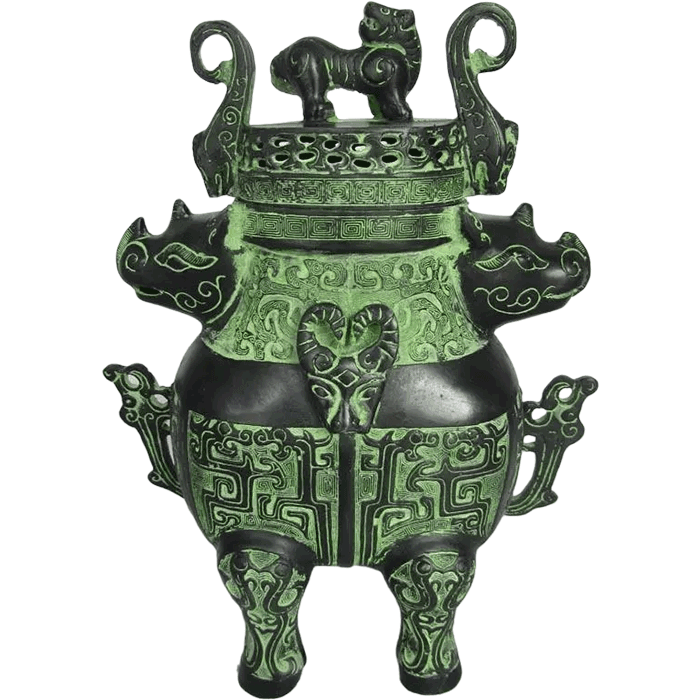
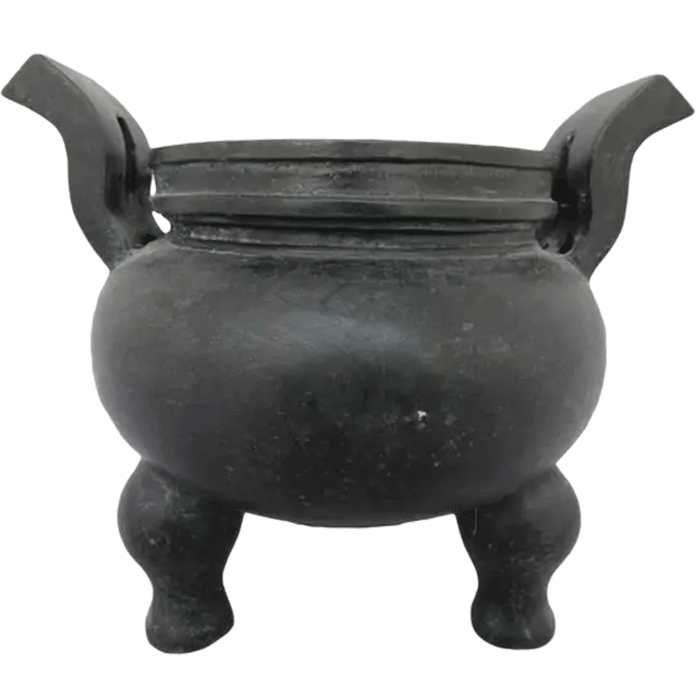
Timelines vary with the complexity of the design and the size of the piece. A simple bronze mirror or small incense burner sample generally moves through wax modeling to finished casting faster than a large human figure sculpture requiring detailed chasing and multi-stage patina work. Buyers commissioning intricate custom bronze artworks — such as detailed Buddhist statues or ding tripod vessels with surface relief — should expect the sampling stage to take longer than a straightforward reproduction piece, since chasing and patina application are done by hand.
Can I request changes after seeing the first sample?
Yes. Sample approval is meant to be iterative when necessary. If proportions, facial features, or patina tone need adjustment, the foundry can rework the wax model or reapply patina before finalizing the mold used for bulk casting. Buyers should communicate revision requests clearly and in writing, referencing specific areas of the sample (for example, "deepen the shading around the base" or "adjust the shoulder width by 5%") rather than general impressions, which speeds up the revision cycle.
Will the bulk production units look identical to the approved sample?
Because bronze casting and hand finishing involve craftsmanship rather than machine stamping, minor natural variation between units is normal and is, in fact, part of what distinguishes handmade bronze art from cast resin or machine-molded pieces. However, a reputable foundry should maintain consistent dimensions, surface detail, and patina color within an acceptable tolerance range across the full order. This is why establishing a clear, approved sample matters — it becomes the quality benchmark for every subsequent piece, and quality inspection is carried out before every shipment to confirm the batch matches that benchmark.
What if the patina color doesn't match on later batches?
Patina application is a chemical and thermal process, and color consistency depends on controlled technique. When buyers raise concerns about color matching across production runs, the workshop should be able to provide touch-up or restoration support after delivery. Reliable after-sales support for patina touch-ups is one of the practical safeguards buyers should confirm before placing a large order, especially for antique-style finishes where subtle tonal variation is more noticeable.
Preparing Your Brief Before Requesting a Custom Bronze Sculpture Sample
The quality of the sample depends heavily on the quality of the brief. Buyers who provide clear reference materials generally receive samples that need fewer rounds of revision. A strong brief typically includes:
- Reference photos or drawings from multiple angles
- Exact or approximate dimensions (height, width, base size)
- Desired finish — antique dark patina, verdigris green, polished bronze, or gilded accents
- Intended use (indoor display, outdoor garden, religious setting, corporate gifting)
- Any structural requirements, such as mounting points or weight limits for shipping
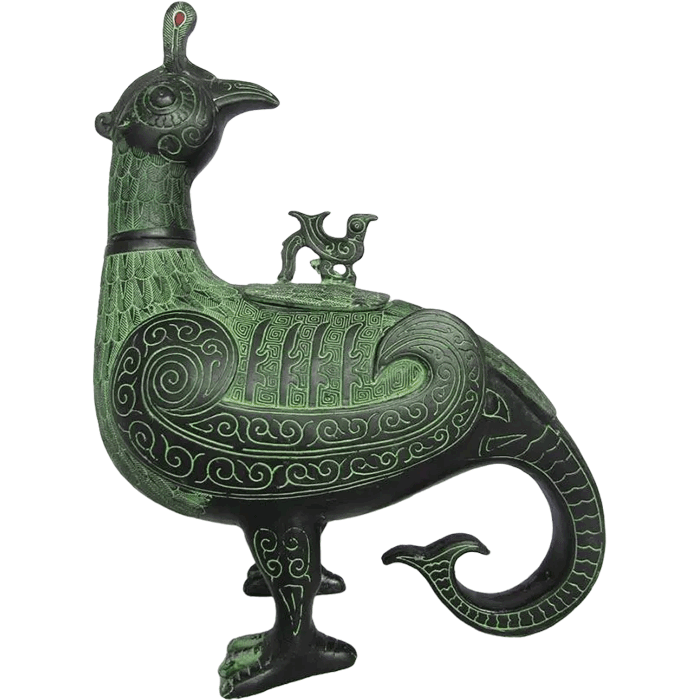
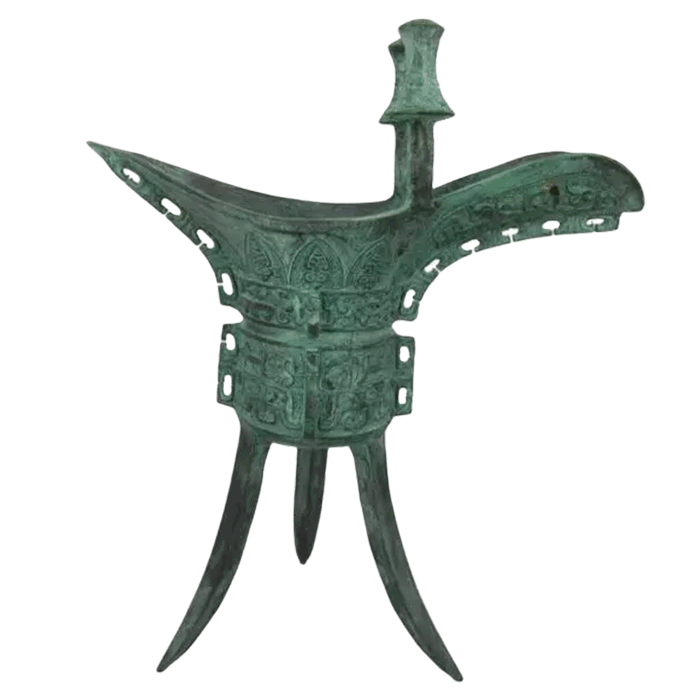
Buyers researching historical reference pieces before submitting a brief often find it helpful to review documented the evolution of bronze culture over 2000 years, which provides useful context for antique-style commissions, particularly ritual vessels and ceremonial pieces where historical accuracy matters to end clients.
Sample-to-Production Handoff: What Happens After Approval
Once a buyer signs off on the sample, the foundry proceeds to finalize the master mold used for the remaining units. For most orders, this is the point where quantities, delivery schedule, and packaging specifications are confirmed in writing. Export-compliant protective packaging is especially important for fragile sculptures and vessels with fine surface relief, since transit damage claims are far more difficult to resolve than pre-shipment quality issues.
It's worth noting that a single approved prototype does not guarantee zero variation across a large production run — casting is a craft process, not a stamping process — but it does give both parties a documented, agreed standard against which the finished batch is inspected before shipment. Any casting defects identified during that final inspection are typically covered under free replacement terms, which buyers should confirm are included in the production agreement before the bulk order is confirmed.
Documenting the Approval
Best practice is to keep a written and photographic record of the approved sample — ideally with timestamps and measurement notes — attached to the purchase order. This record becomes the reference point if any dispute arises later about color, size, or finish. Buyers ordering complex pieces, such as a multi-figure bronze statue group or a large ding tripod, benefit from requesting close-up photos of surface texture and base details as part of this documentation, not just full-figure shots.
Choosing a Foundry That Supports a Proper Sample Process
Not every workshop is equipped to handle single-unit prototyping efficiently. Some foundries are set up primarily for large batch runs and treat single samples as an afterthought, which can lead to long delays or inconsistent attention to detail. When evaluating a potential partner for a custom bronze sculpture project, ask directly about their sampling workflow: How is the prototype produced? Who signs off on patina matching internally before it's sent to you? What happens if revisions are needed?
A workshop with an ISO 9001 quality management system in place typically has documented procedures for exactly this kind of pre-production checkpoint, which gives buyers more confidence that the sampling stage is treated as a formal quality gate rather than an informal preview. Buyers can review general craftsmanship standards and finish options by browsing bronze statues with different themes before submitting a custom brief, which also helps in describing desired proportions and finish types more precisely during the initial inquiry.
For buyers still finalizing design direction, starting with a design consultation is often more efficient than jumping straight to prototype casting. You can begin the process to customize a bronze sculpture from sculpmart.com, submitting reference images and specifications so the foundry can advise on feasibility, estimated sampling time, and finish options before any wax modeling begins.
Final Thoughts on Sample Approval for Custom Bronze Orders
Sample approval is the single most effective safeguard against costly misunderstandings in custom bronze sourcing. It converts vague expectations into a concrete, inspectable standard, protects both buyer and foundry from disputes over color or proportion, and sets the tone for how revisions and after-sales issues will be handled later. Buyers who invest time in a clear brief, request detailed photo or physical samples, and document the approval in writing tend to have smoother bulk production experiences, whether they are ordering a single commemorative statue or a large batch of temple incense burners for distribution.
Before finalizing your next order, it's also worth reviewing background material on traditional forms and finishes — resources such as the difference between bronze and brass can help buyers unfamiliar with metal composition ask more informed questions during the sampling stage, particularly when alloy composition affects both patina behavior and long-term durability.