Custom Bronze Game Props: Mold and Finish Budgets
Custom bronze game props can be budgeted accurately by mold and finish choices
Game studios, prop fabricators, collectors’ edition teams, and licensed merchandise buyers often need bronze pieces that feel substantial, durable, and visually convincing without allowing production costs to become unpredictable. Whether the project is a ceremonial game trophy, a fantasy weapon display, a creature statue, a collectible medallion, an in-game relic, or a decorative vessel inspired by a fictional world, the earliest budget decisions usually concern the mold route and the finishing standard.
Custom bronze game props are not priced as a single material-and-labor line item. Their cost structure depends on how the original design is prepared, how many casting molds are required, how complex the bronze casting is, how much hand finishing the surface needs, and how the completed work must be protected for delivery. Buyers planning a prototype, a limited edition, or a repeat production run should define these variables before beginning supplier negotiations.
Luoyang Yichuan Bronze Craft Co., Ltd. manufactures bronze sculptures, vessels, mirrors, incense burners, Buddhist statues, and custom bronze artworks in Yichuan County, Luoyang, Henan Province. The company works with premium Cu-Sn bronze alloy and traditional lost-wax casting, supported by more than 30 skilled craftsmen, including casting masters and finishing artisans. With an annual output of more than 50,000 bronze art pieces and a 3,000-square-meter production area, the workshop can support single custom prototypes as well as negotiated bulk production requirements.
How Custom bronze game props are costed before production
A useful budget begins with separating one-time development expenditure from per-piece production expenditure. This distinction is especially important for buyers evaluating a single presentation piece against an edition of dozens, hundreds, or more units. A prototype may require substantial design preparation and mold work, while repeat units can reuse approved production information where the design and process remain unchanged.
For a realistic request for quotation, provide clear artwork, required dimensions, target quantity, expected use environment, preferred finish, and delivery destination. If the object will be held, mounted, installed outdoors, repeatedly transported to events, or used as a display-only collectible, state that requirement early. Functional expectations can affect wall thickness, connection methods, reinforcement considerations, assembly planning, and protective packaging.
| Budget Component | What the Buyer Should Define | Why It Matters |
|---|---|---|
| Design source | Concept art, 3D model, technical drawing, physical reference, or existing object | Determines the amount of model preparation and detail interpretation required. |
| Master model | Whether a new master must be sculpted, refined, or digitally prepared | Affects initial development work before mold making can begin. |
| Mold strategy | Prototype mold, repeat-production mold, or separate molds for components | Influences both upfront development cost and production consistency. |
| Cast construction | One-piece, multi-part, hollow, solid, assembled, or mixed-material design | Changes metal use, handling requirements, joining work, and finishing time. |
| Surface finish | Antique patina, dark patina, polished highlights, modern finish, or painted accents | Hand chasing, polishing, color testing, and sealing requirements vary by finish. |
| Packaging | Individual boxes, foam protection, export carton, crate, or display-ready packing | Fragile projections and heavy bronze parts require appropriate protection. |
Buyers should avoid requesting a final unit price based only on a product name such as “bronze sword” or “fantasy statue.” Two items with the same general category can have entirely different manufacturing requirements. A smooth, compact emblem with shallow relief differs greatly from a character sculpture with armor texture, openwork details, long projections, separate weapons, and a multi-color patina.
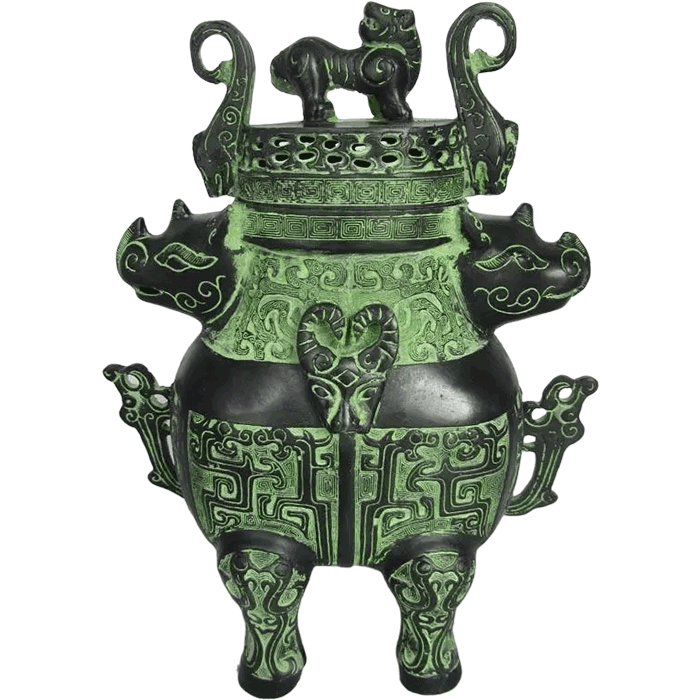
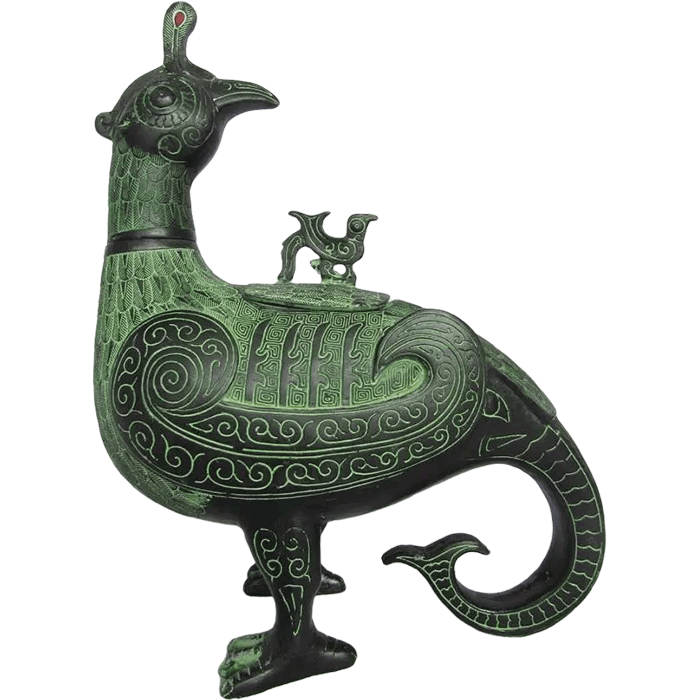
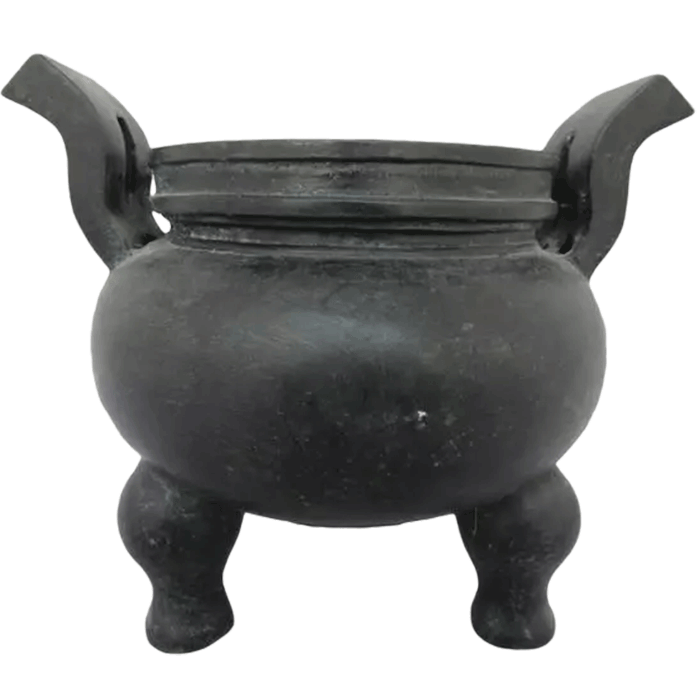
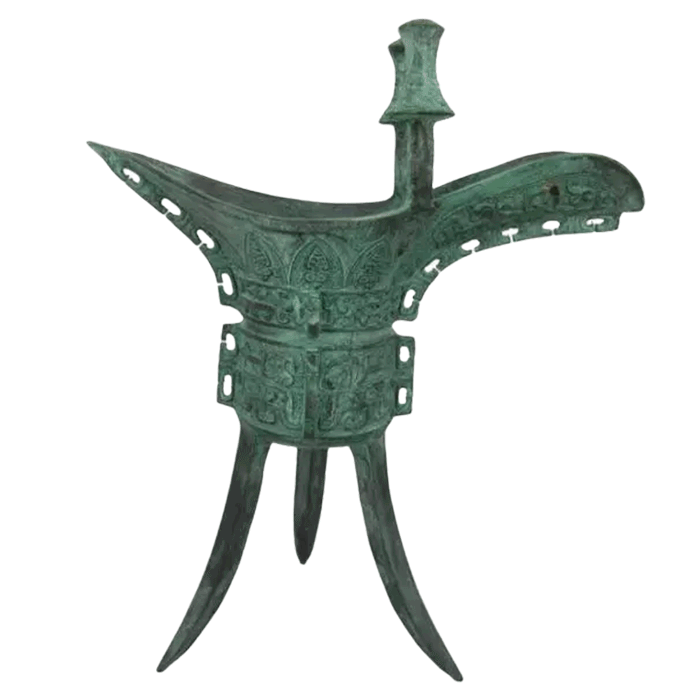
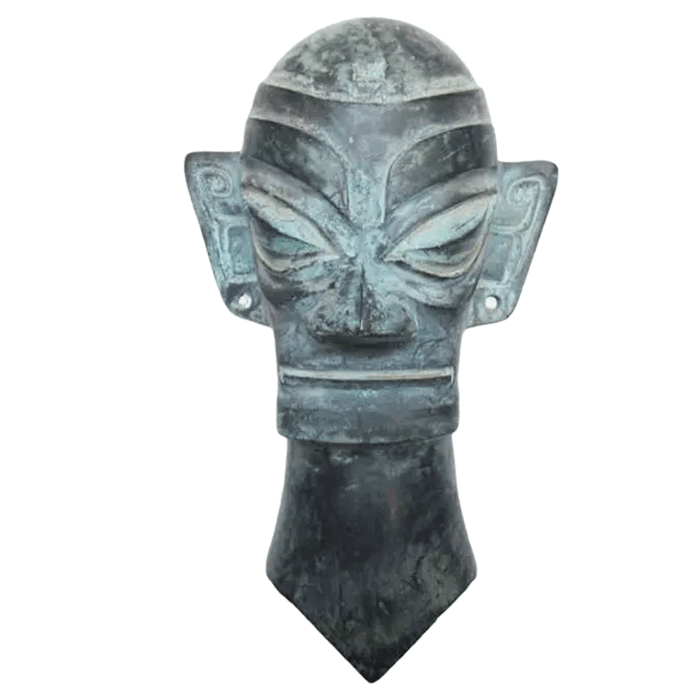
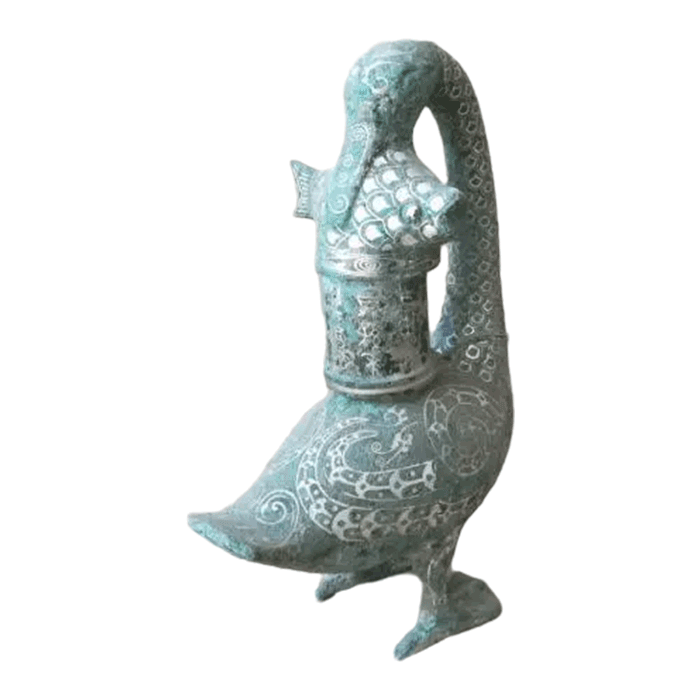
When the visual direction draws on historic forms, reference materials can help communicate shape language and surface character. For example, buyers developing ceremonial containers or faction artifacts may review introduction to several bronze wares to identify recognizable vessel silhouettes and decorative features. Such references should guide the brief rather than replace a production drawing for the specific game property.
Choose the mold approach according to quantity and design risk
Mold planning is one of the clearest ways to manage cost before production. The appropriate approach depends on whether the buyer is validating an untested design, producing a small numbered run, or preparing a repeat program with stable artwork. A lower initial investment is not automatically the most economical choice if the project will require repeated production, multiple revisions, or closely matched future batches.
Prototype and approval-stage planning
For a one-piece prototype, the primary goal is often design validation. The buyer may need to check scale, silhouette, casting feasibility, surface depth, handling comfort, or display impact before approving a larger edition. At this stage, it is practical to identify which details are essential to the design and which can be simplified if casting, finishing, or transport introduces unnecessary complexity.
A prototype brief should clarify whether the result is a visual sample, a photographic sample, a fit-check sample, or the final display piece. These uses call for different levels of finish and documentation. If a prototype is expected to become the approval standard for later production, the buyer should request that the agreed finish, dimensions, assembly points, and patina reference be recorded clearly.
Limited editions and collector releases
Limited editions often balance craftsmanship with repeatability. The mold plan should account for the expected quantity, the number of separate parts, and the level of hand finishing that can be consistently applied across the edition. Buyers should decide whether every piece must match closely or whether slight hand-finished variation is acceptable as part of the bronze character.
For numbered collector items, consider the location and method of edition markings before production begins. A discreet mark may be integrated into the base, plaque, underside, or another planned area. Late changes to markings can affect mold work, finishing, and presentation requirements.
Repeat production and replenishment programs
For a product expected to be reordered, the most important budget question is not only the opening quantity but also the expected life of the design. Stable 3D data, documented surface standards, retained approved references, and a clear change-control process can reduce uncertainty when additional units are needed. If the design includes detachable accessories or separate decorative panels, identify whether those elements should be standardized across future runs.
Buyers should also consider forecasting by size family. A small desk collectible, a medium display prop, and a large event centerpiece may share the same visual theme but require different mold, casting, and logistics planning. Treating them as separate manufacturing programs usually produces a clearer quotation and approval process.
Control casting complexity before it controls the budget
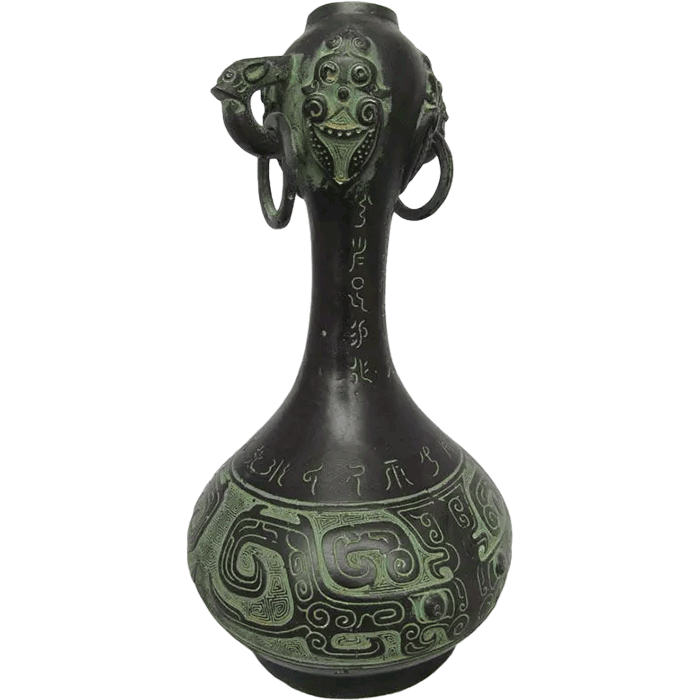
Bronze is well suited to detailed art objects, but every design feature should be reviewed for manufacturability. Luoyang Yichuan Bronze Craft Co., Ltd. uses the traditional lost-wax method for Cu-Sn bronze casting. This process supports sculptural detail and traditional bronze craftsmanship, while also requiring careful planning for thin sections, undercuts, deep cavities, sharp projections, and complex assembly areas.
Before finalizing the design, evaluate the following elements with the supplier:
- Overall size and weight: Larger dimensions and heavier sections may require additional handling, casting planning, and shipping protection.
- Wall thickness: Hollow or solid construction should be chosen according to the intended appearance, strength needs, handling expectations, and budget.
- Fine texture: Scales, feathers, chainmail, engraved symbols, fur, and weathered stone effects can enrich the prop but increase model and hand-finishing work.
- Undercuts and open spaces: Dramatic cutouts and deep recesses may add visual value, yet they also require careful mold and casting evaluation.
- Separate components: Swords, wings, horns, handles, plaques, and bases may be produced separately and assembled, affecting joining and chasing requirements.
- Structural points: Long thin parts should be reviewed for their ability to withstand handling, mounting, and transit.
A budget-conscious design is not necessarily a less detailed design. It is a design in which detail is placed where it will be seen and appreciated. For instance, a collectible displayed at eye level may warrant concentrated facial, armor, and emblem detail, while inaccessible underside areas may use a simpler treatment. This prioritization helps protect the design intent without spending equal labor on every surface.
Bronze alloy selection also matters. Buyers sometimes use “bronze” and “brass” interchangeably, although they are different material categories with different characteristics. A project team can review the difference between bronze and brass when establishing material terminology for internal approvals and product specifications. For this manufacturing scope, the specified material is premium Cu-Sn bronze alloy.
Finish selection determines the visible value of the prop
Finish is often the first feature a player, collector, or event visitor notices. It can make the same sculptural design appear ancient, ceremonial, battle-worn, polished, futuristic, or museum-inspired. Because patina and hand finishing are highly visual, buyers should treat finish approval as a formal part of the project rather than an informal color preference.
Available finishing work includes hand chasing, polishing, and patina treatment in antique or modern looks. Hand chasing refines cast surfaces, addresses production seams where appropriate, and clarifies sculptural details. Polishing can emphasize high points, borders, inscriptions, or selected raised features. Patina creates the overall color direction and can be used to suggest age, oxidation, deep shadows, warm highlights, or a refined contemporary appearance.
Antique and weathered game-world finishes
An antique finish can suit relics, temple objects, ancient weapons, mythical figures, and treasure items. The brief should define whether the desired result is dark brown, warm bronze, green-toned, layered, high-contrast, or softly aged. Photos are useful, but buyers should identify the specific characteristics they want to match: base color, highlight brightness, recess darkness, degree of variation, and whether the finish should feel clean or timeworn.
When a project references Chinese historical bronze aesthetics, resources on chinese bronze sculpture can help buyers distinguish decorative traditions, vessel forms, and aged color directions. The final prop should still be specified according to the licensed game artwork and approved production sample.
Modern, polished, and premium-display finishes
Modern finishes may use cleaner color fields, more controlled polish, or selective highlights to support science-fiction, luxury, esports, or premium award concepts. A brighter surface can reveal modeling details clearly, but it may also make seams, handling marks, and small surface irregularities more visible. The buyer should decide which areas require a high-polish appearance and which should remain satin or patinated to provide contrast.
For a consistent release, provide a finish reference board or approved physical sample whenever possible. “Antique bronze” alone is too broad for production control. A detailed finish instruction may include the target hue, darkened recesses, polishing locations, protected logo areas, and acceptable level of hand variation. This is especially important when the same prop will be supplied over multiple purchase orders.
Build a buyer-ready specification for supplier negotiation
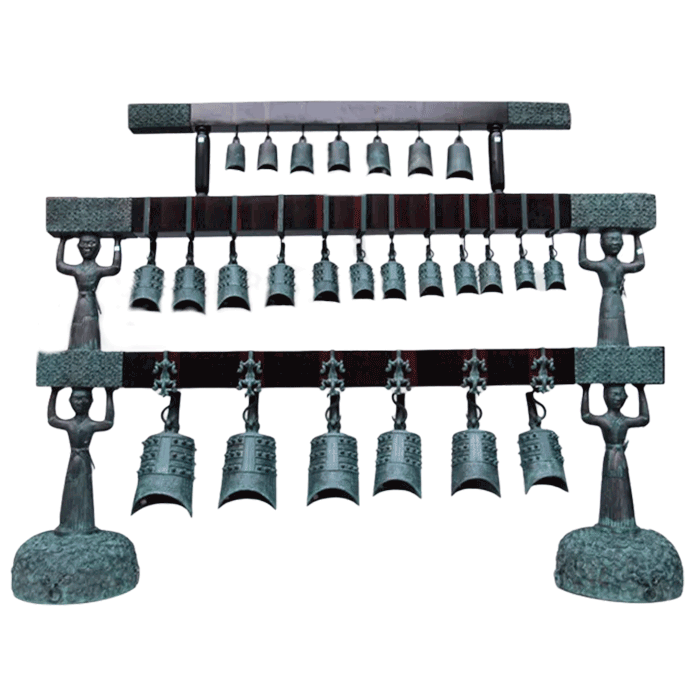
Good negotiation begins with a complete brief, not only with a target price. A supplier can evaluate options more accurately when the buyer explains what may change and what must remain fixed. For example, the overall silhouette and logo may be non-negotiable, while base geometry, hidden wall thickness, packaging format, or finish complexity may be open to optimization.
A practical specification package should include:
- Artwork files, orthographic views, or a 3D model with dimensions.
- Target quantity for the first order and an estimated repeat-order range.
- Required material: Cu-Sn bronze alloy.
- Construction preference, including whether the item should be hollow, solid, or assembled.
- Required finish with labeled photos, color notes, and highlight locations.
- Branding, edition number, serial number, or plaque requirements.
- Intended use, including display, handling, installation, or event transport.
- Packaging expectations and destination market requirements.
- Acceptance criteria for dimensions, appearance, surface detail, and finish consistency.
Buyers can begin the development discussion through customize a bronze sculpture when they need a custom-workflow starting point. For character-driven titles, reviewing bronze statues with different themes may also help teams communicate desired figurative proportions, poses, and display formats.
It is helpful to request quotations in a format that separates tooling or development work, casting, assembly, finishing, packaging, and freight-related assumptions where applicable. This structure makes it easier to compare alternatives fairly. For example, the buyer may ask for one option with a detailed multi-tone antique patina and another with a simpler controlled finish, rather than comparing two quotations that use different unstated assumptions.
Protect quality, packaging, and repeatability in the final budget
A low initial quotation is not sufficient if it leaves quality requirements undefined. Bronze props with narrow features, polished surfaces, removable components, or delicate decorative projections need an inspection and packaging plan that matches their risk profile. Luoyang Yichuan Bronze Craft Co., Ltd. is ISO 9001 quality management system certified, and its art craft products comply with export quality inspection standards. Quality inspection is conducted before every shipment.
For fragile or high-value items, export-compliant protective packaging should be discussed at the quotation stage rather than added after the prop is completed. The packaging plan may need to account for the object’s weight, center of gravity, projecting elements, base shape, separate accessories, and surface finish. A bronze item can be durable in normal display conditions while still requiring careful protection from movement, abrasion, and impact during transit.
Buyers should ask for clear pre-shipment checks covering the approved dimensions, visible casting quality, assembly stability, patina direction, polished areas, markings, and packaging condition. The company provides free replacement for casting defects and offers after-sales support for patina touch-ups and restoration guidance. These provisions should be considered alongside the buyer’s own product acceptance procedures and storage conditions.
For repeat orders, retain approved samples, finish photos under consistent lighting, version-controlled artwork, and written notes on any approved deviations. This documentation helps establish a common reference when future orders are produced. It is particularly valuable for limited editions that may be replenished later or for game franchises that expand into new characters, regions, or collector formats.
The most reliable way to manage a bronze prop budget is to make decisions in the right order: first confirm the required visual effect and use case, then select a mold strategy suited to the expected quantity, then review cast construction, then approve a finish reference, and finally define inspection and packaging needs. This approach gives procurement teams a stronger basis for negotiation while allowing artists and licensing teams to protect the details that make the prop recognizable.
From a one-piece concept sample to a negotiated bulk program, Custom bronze game props benefit from a specification that connects creative expectations with practical casting and finishing requirements. With clear information on mold use, construction, patina, packaging, and repeat-order plans, buyers can request more comparable quotations and make budget decisions with greater confidence.