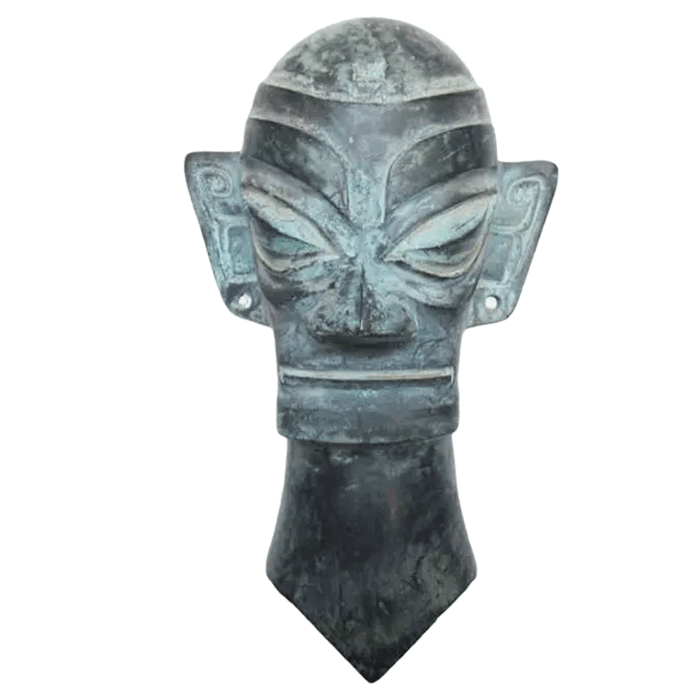
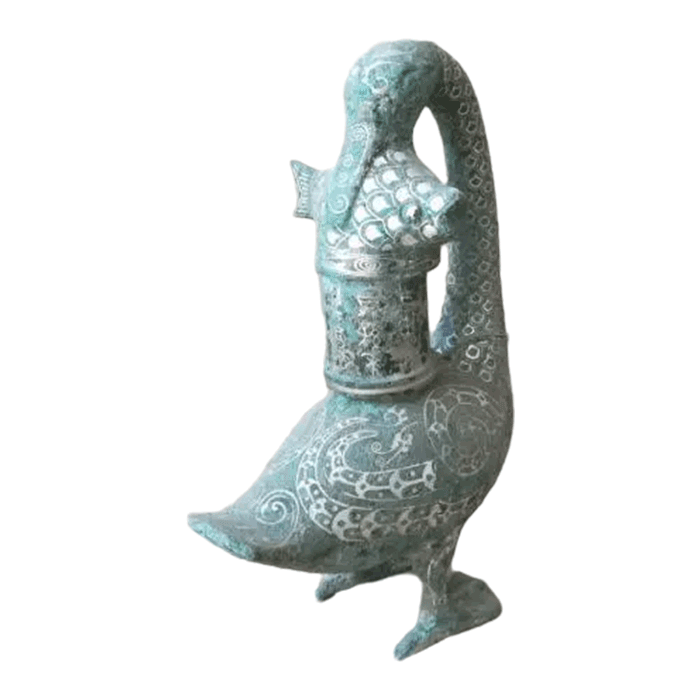
Custom Bronze Game Props: IP, Materials and MOQ FAQs
Custom bronze game props help rights holders turn approved game concepts into durable physical artworks.
Game studios, licensors, publishers, collectibles teams, museum retailers, and event procurement managers often need to confirm whether a digital asset can be translated into a bronze object before committing to production. The questions are practical: Can fine armor details be cast? Will a stylized weapon remain structurally sound? Can a recognizable in-game patina be reproduced consistently? Is a single prototype possible before a larger run is approved?
Luoyang Yichuan Bronze Craft Co., Ltd. manufactures bronze sculptures, vessels, mirrors, incense burners, Buddhist statues, and other custom bronze artworks from Yichuan County, Luoyang, Henan Province. With a 3,000-square-meter production area and more than 30 skilled craftsmen, including bronze-casting masters and finishing artisans, the company supports projects from one custom prototype to negotiable bulk production runs. This guide explains the IP documentation, material decisions, manufacturability checks, and MOQ considerations that help procurement teams evaluate a bronze game prop project clearly.
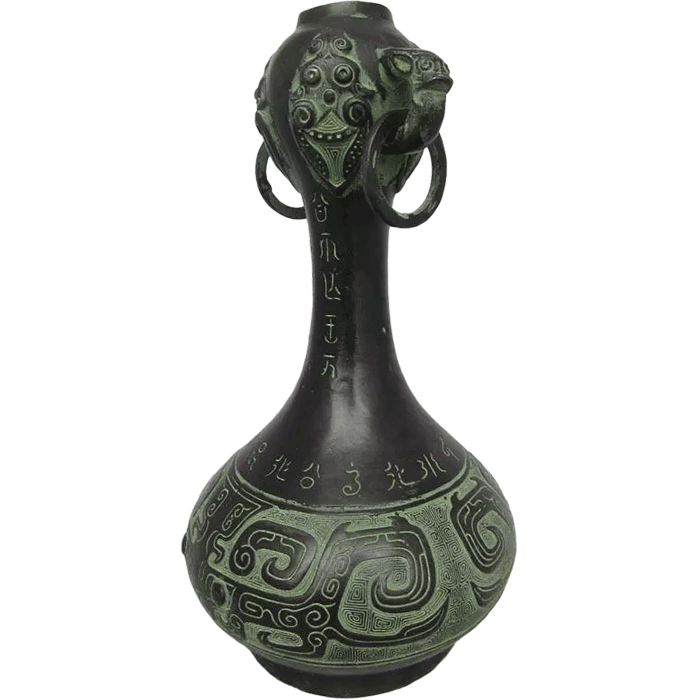
Why Custom bronze game props require an approval-ready brief
A successful bronze project begins before sculpting or mold preparation. A game model may be visually compelling on screen while still requiring changes for casting, assembly, balance, shipping, or display. Procurement teams can reduce avoidable revisions by preparing a clear, approval-ready brief that identifies the licensed asset, the intended product form, and the visual elements that cannot be changed.
For rights holders, the first requirement is clarity of authorization. The manufacturer should receive only the reference materials that the customer is authorized to provide for the requested production. These may include approved turnarounds, 3D files, concept sheets, scale references, color standards, logo placement instructions, and written notes identifying protected design elements. When an asset is based on a game character, faction emblem, weapon, vehicle, creature, or environment object, the project brief should distinguish between mandatory details and areas where production adjustments may be acceptable.
Useful files for an early manufacturability review
- Front, side, rear, and top reference views where available.
- Approved 3D model files or a high-resolution visual reference package.
- Target dimensions, approximate target weight, and intended display location.
- Notes on critical visual features, such as facial expression, insignia, weapon profile, armor texture, or engraved lettering.
- Required finish direction, including dark antique bronze, warm brown bronze, green patina, polished highlights, or a modern presentation.
- Information on whether the item will be a one-off award, a limited collectible, retail merchandise, an exhibition piece, or a larger decorative installation.
- Packaging requirements for export shipment, storage, retail presentation, or direct delivery to a venue.
It is also helpful to identify the decision makers at the beginning. A product manager may approve dimensions and budget, while an art director reviews silhouette and detail, and a licensing team confirms the use of protected visual assets. A defined review sequence helps prevent a finished casting from being evaluated against a different version of the game asset.
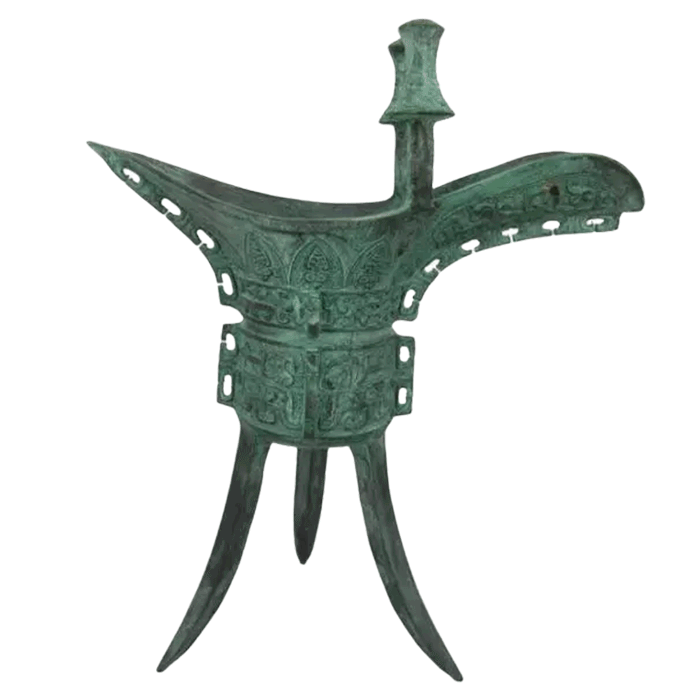
For design direction based on historical metalwork, teams may also consult references such as Chinese bronze sculpture. These references can be useful when a game world combines fantasy design with traditional vessel forms, ceremonial motifs, or aged bronze surface effects.
IP questions procurement teams should resolve before manufacturing
Bronze fabrication does not replace the customer’s responsibility to confirm that the requested object may be reproduced. Rights holders and authorized buyers should validate their own approval process before submitting a final production request. This is especially important when a prop contains copyrighted character designs, trademarked logos, game interface symbols, faction crests, text, or elements created by an external concept artist.
Who should approve the production reference?
The most useful production reference is one that has already passed the customer’s internal art, brand, and licensing review. If a file is still exploratory, it should be identified as preliminary. Manufacturing decisions such as wall thickness, support placement, simplified undercuts, or component separation can affect the final appearance. Approving the intended reference before these decisions are finalized provides a more reliable basis for quotation and production planning.
Can logos, lettering, and insignia be cast?
Many raised or recessed symbols can be incorporated into a bronze sculpture or vessel when they are proportioned for the selected scale and surface location. Very small characters, shallow linework, or intricate textures may need review because details that look crisp in a digital render can soften in the casting and finishing stages. Where readability is essential, the design team should provide the official artwork and specify the minimum acceptable size.
For a plaque, base inscription, or branded display component, separate elements may be considered during project planning. The goal is not simply to place a logo onto the object, but to preserve legibility, fit, and a coherent visual relationship with the sculpture. A formal bronze figure can be paired with a base, while a prop shaped as a vessel, artifact, or relic may integrate its identifying marks directly into the casting.
What happens when a game asset is not physically feasible as drawn?
A manufacturability review should identify potential concerns early. Common examples include extremely thin blades, unsupported wings, narrow legs supporting a heavy body, deep enclosed cavities, or sharp points that create handling and shipping risks. The appropriate response depends on the design: a component may be thickened slightly, supported discreetly, cast as a separate part, or repositioned without changing the central visual identity of the prop.
These adjustments should be presented for customer approval rather than assumed. This approach is particularly valuable for recognizable game assets, where the outline, stance, and signature details may be more important than small surface variations. Buyers looking at character-led formats can review bronze statues with different themes to compare how sculptural subjects can be approached as display works.
Bronze alloy, lost-wax casting, and physical design limits
Bronze is selected for game-inspired display objects because it provides weight, permanence, sculptural depth, and a finish that can range from historical to contemporary. Luoyang Yichuan Bronze Craft Co., Ltd. uses premium Cu-Sn bronze alloy and traditional lost-wax casting. This process is well suited to detailed custom artworks because it can reproduce modeled forms, textured surfaces, ornamental relief, and complex contours.
In general, the workflow begins with review of the approved design and the selected scale. A physical or sculptural master may then be developed as appropriate for the project. A mold system is prepared, wax patterns are created, and the bronze is cast. After casting, skilled craftsmen carry out hand chasing, welding or assembly where required, polishing, and patina finishing. Each stage affects how closely the finished object reflects the intended game asset.
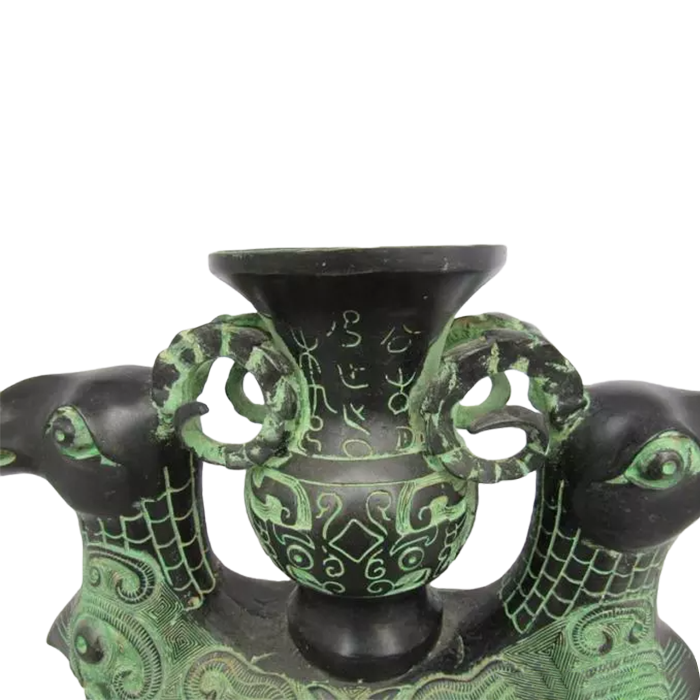
How scale affects detail and construction
Scale is one of the most important variables in bronze manufacturing. Enlarging a design can allow deeper texture, clearer facial features, and more substantial structural connections. Reducing the same model may require selective simplification. For example, a small collectible may not preserve every chain link, engraved line, or layered garment edge shown in a game render, while a larger lobby sculpture may allow much more detail.
Teams should specify whether the object will be viewed closely in a display case or from a distance in a public reception area. A close-view collectible may prioritize fine surface detail. A large installation may prioritize an unmistakable silhouette, stable base connection, durable construction, and visually readable forms at a distance.
Can digital models be used directly?
A digital model can be a valuable starting point, but it should be reviewed for production readiness. Files designed for rendering or animation may include non-manifold geometry, overlapping surfaces, unsupported details, or thicknesses that are not suitable for physical casting. A technical review can identify which areas need adjustment before the design moves forward.
When a project draws from antique-style objects, the distinction between bronze and other copper alloys also matters. Procurement teams can use bronze versus brass as a general reference when discussing material appearance and product expectations with internal stakeholders.
Patina matching and finish planning for game-inspired artwork
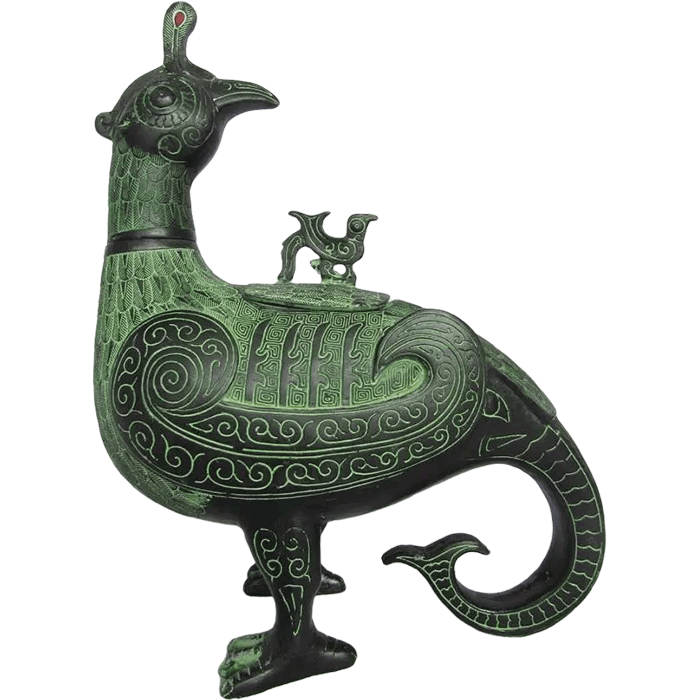
Patina is not merely a color choice. It is part of the visual language of a bronze object. A weathered relic from a fantasy game may need layered green and brown tones, while a ceremonial award may require a clean polished surface with controlled darker recesses. The desired finish should be described using approved visual references rather than a general label alone.
Luoyang Yichuan Bronze Craft Co., Ltd. provides hand chasing, polishing, and patina finishing in antique or modern looks. For projects requiring a close color direction, the customer can provide renderings, painted samples, approved photographs, or brand color references. A practical review should consider where the object will be displayed, because lighting can make a patina appear different in a studio, retail environment, office lobby, exhibition hall, or private collection.
Finish questions to include in the request
- Should raised areas be polished to create visual contrast?
- Should recesses remain darker to emphasize texture and depth?
- Is the preferred appearance aged, archaeological, ceremonial, industrial, or contemporary?
- Will the prop be handled frequently, or primarily displayed?
- Does the design require a coordinated finish across multiple pieces?
- Should the base, plaque, or separate accessory components match or contrast with the main sculpture?
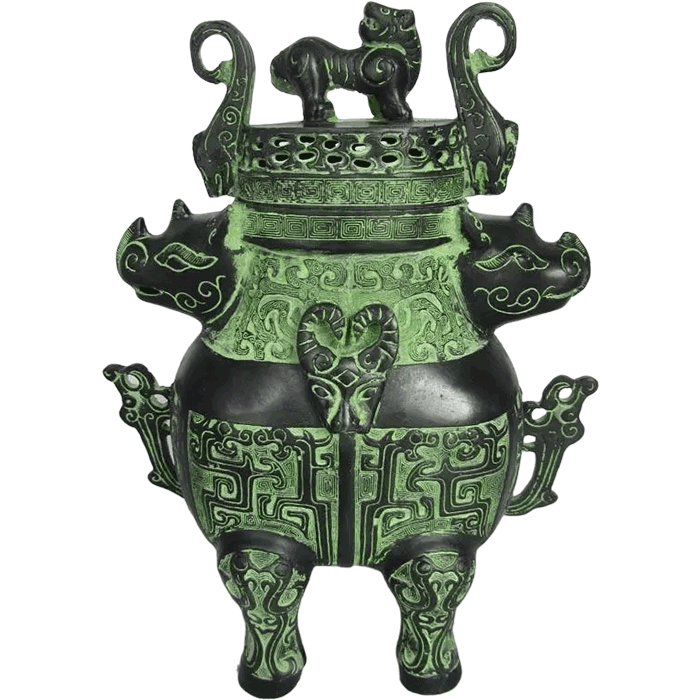
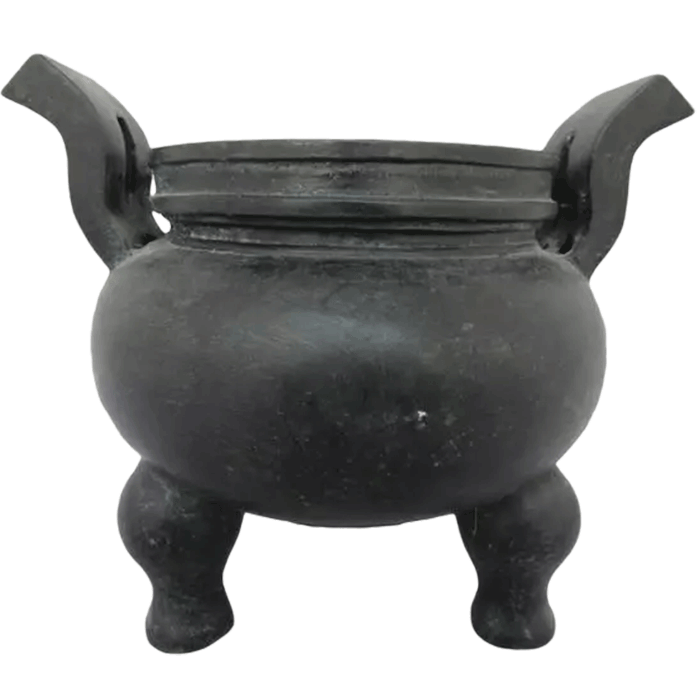
For ancient-inspired formats such as ritual containers, decorative tripods, or ceremonial artifacts, Houmuwu square cauldron can provide useful context for discussing the visual character of a ding-style bronze form. This type of reference can help creative teams define whether they want historical influence, a modern reinterpretation, or an entirely original game-world object.
MOQ, prototypes, and bulk-order planning
MOQ is often the first commercial question for licensors and procurement teams. Luoyang Yichuan Bronze Craft Co., Ltd. supports custom sculptures from one piece, making it possible to commission a prototype, presentation piece, executive gift, award, or limited one-off artwork. For bulk orders, quantities are negotiable based on dimensions and design complexity.
A low starting MOQ does not mean that every project has the same preparation requirements. A single large sculpture can involve significant design review, mold work, casting, finishing, and packing considerations. A larger run of smaller pieces may require repeatable mold planning, agreed finish standards, inspection criteria, and a clear process for handling variations that naturally occur in hand-finished bronze work.
When does a prototype make sense?
A prototype is valuable when the game asset has not previously been produced as a physical object, when the finish needs stakeholder approval, or when the final item will be reproduced in a bulk run. It gives the customer a real object to inspect for proportion, balance, surface treatment, and brand fidelity. It may also help event teams test display fixtures, packaging dimensions, and handling procedures before approving a broader release.
For a one-piece commission, the customer can focus on the strongest version of the concept: exact scale, preferred patina, base design, and intended presentation. For a bulk program, the customer should define which dimensions and finish characteristics must remain consistent across the run. Early agreement on these points supports more efficient production communication.
What determines whether a bulk order is practical?
- Overall size and expected weight of each item.
- Number of separate components and assembly requirements.
- Complexity of the modeled surface and undercut areas.
- Required quantity and whether all pieces need the same patina.
- Need for bases, plaques, inserts, or display accessories.
- Export destination and protective packaging requirements.
- Customer approval timing for design, prototype, and finish direction.
Annual output exceeds 50,000 bronze art pieces, supporting both custom development and volume-oriented work. The appropriate production plan should still be based on the actual project requirements rather than a standard assumption about quantity or lead time.
Quality inspection, export packing, and after-sales considerations
Bronze game props may include projections, polished surfaces, separate accessories, fragile silhouettes, or patina finishes that need thoughtful protection in transit. Export-compliant protective packaging is especially important for sculptures with thin elements, extended weapons, animal tails, wings, or decorative vessel handles. Packaging planning should begin while the product design is being reviewed, not after the final object is complete.
Quality inspection is carried out before every shipment. Buyers can define the important visual and functional checkpoints in advance, such as casting completeness, assembly alignment, stable placement, surface consistency, inscription accuracy, and condition of the protective packaging. A clear checklist is useful when a project requires approval by more than one team.
The company provides free replacement for casting defects and after-sales support for patina touch-ups and restoration guidance. This support is particularly relevant to long-term display objects, where customers may need advice on maintaining the intended surface appearance after installation, handling, or relocation.
Frequently asked questions for procurement teams
Can a single concept sculpture be ordered before a full run?
Yes. Custom sculpture orders can begin from one piece. A single piece can be used as a prototype, presentation sample, commemorative item, award, or approved display work before a bulk requirement is confirmed.
Can bronze reproduce character faces, fur, scales, armor, and weapons?
Lost-wax casting and hand finishing can support detailed sculptural surfaces. The final level of detail depends on the approved scale, the physical structure of the design, and the specific elements being reproduced. Fine details should be reviewed during the manufacturability stage.
Can an antique-looking game relic be made in bronze?
Yes. Bronze can be finished in antique or modern looks, with hand-applied patina and polishing used to develop the intended visual character. Approved references are important when a particular aged tone or color relationship is required.
What should be submitted for a quotation and feasibility review?
Provide the authorized design references, dimensions, quantity, finish direction, intended use, target destination, and any required base, plaque, or packaging details. If the project involves licensed IP, provide the production-ready references that your organization is authorized to share.
How can buyers begin a custom inquiry?
Buyers can prepare their project information and use the guidance for custom bronze commissioning to organize a clear request. A complete brief enables a more focused discussion of scale, material, surface treatment, prototype needs, bulk quantity, and export packaging.
For rights holders and procurement teams, the most reliable approach is to treat the bronze prop as both a licensed design asset and a physical engineered artwork. Clear reference approval, early manufacturability review, realistic finish expectations, and a defined MOQ plan make it easier to move from a digital game concept to a durable bronze piece prepared for display or shipment.