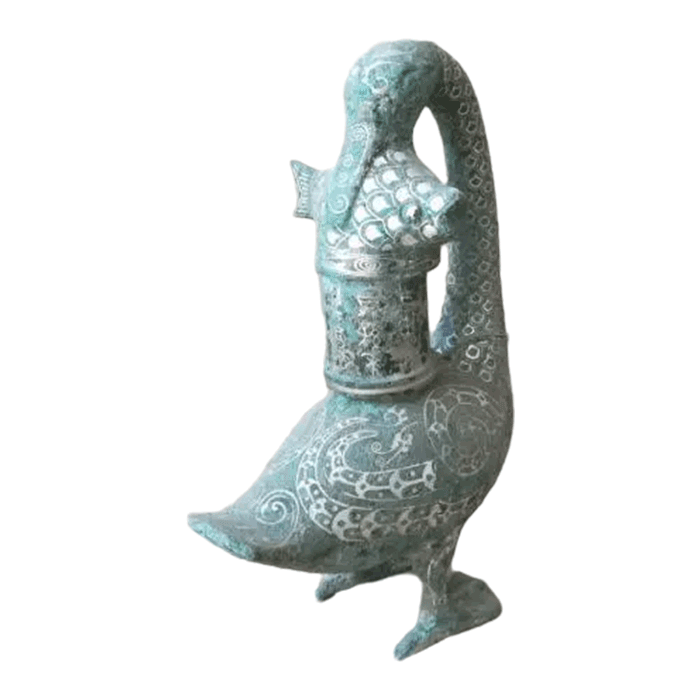
Custom Antique Bronze Casting: Your Sourcing Guide
Sourcing Excellence: Your Guide to Finding the Right Partner for Custom Antique Bronze Casting
For art buyers, project managers, and importers specializing in high-quality decorative art, museum replicas, or architectural elements, the acquisition of custom antique bronze castings represents a unique intersection of artistry, historical fidelity, and technical precision. Unlike contemporary bronze works, antique bronze reproductions demand an acute understanding of historical aesthetics, traditional craftsmanship, and materials science. This guide aims to equip you with the knowledge to navigate the complexities of sourcing these specialized artworks, ensuring your projects achieve both authenticity and uncompromised quality.
The allure of bronze lies in its timeless elegance and durability, a legacy spanning millennia. From monumental sculptures to intricate vessels, bronze has served as a medium for preserving culture, history, and artistic expression. When seeking customize a bronze sculpture, particularly those replicating antique styles, the choice of foundry becomes paramount. It requires a partner capable of merging ancient techniques with modern quality assurance, ensuring that each piece not only meets but exceeds expectations for aesthetic value and structural integrity.
The Art and Science Behind Authentic Antique Bronze Casting
Creating an authentic antique bronze casting is a multi-faceted process that honors centuries of metallurgical and sculptural tradition. It begins with the fundamental understanding that bronze is an alloy, primarily of copper and tin (Cu-Sn), chosen for its strength, ductility, and ability to capture intricate details. The specific proportions of these metals, along with other trace elements, can influence the final color, patination, and even the resonant properties of the finished piece. A knowledgeable foundry will utilize premium bronze alloy to ensure both historical accuracy and longevity.
The Enduring Legacy of the Lost-Wax Method
At the heart of high-quality bronze casting, especially for antique reproductions, lies the traditional lost-wax (cire perdue) method. This ancient technique, perfected over thousands of years, remains the gold standard for its unparalleled ability to capture the minutest details and textures from the original model. The process is labor-intensive and requires immense skill at every stage:
- Model Creation: A meticulously crafted model, often in clay or wax, serves as the initial blueprint. For antique replications, this stage demands deep historical research and artistic sensitivity to perfectly capture the original’s form and spirit.
- Mold Making: A flexible silicone mold is created from the model, followed by a rigid plaster or fiberglass mother mold. This ensures every curve and contour is preserved.
- Wax Pattern: Molten wax is poured into the mold to create a hollow wax replica of the original. This wax pattern is then carefully refined by skilled artisans, adding sprues (channels for molten bronze) and vents (for gases to escape).
- Investment: The wax pattern is encased in a ceramic shell, forming a robust, heat-resistant investment mold. This stage is critical for maintaining structural integrity during the high-temperature casting process.
- Wax Burnout: The ceramic shell is heated in a kiln, melting and draining out the wax (hence "lost wax"). This leaves a hollow cavity precisely matching the original model.
- Bronze Pour: Molten bronze, heated to over 1000°C, is carefully poured into the pre-heated ceramic shell. This stage demands precision and controlled conditions to prevent defects.
- De-shelling and Finishing: Once cooled, the ceramic shell is carefully broken away, revealing the raw bronze casting. This is followed by extensive hand chasing, polishing, and welding to remove sprues, repair minor imperfections, and refine surface details.
The precision required at each step underscores why seasoned bronze-casting masters are indispensable. Their expertise ensures structural integrity and artistic fidelity from inception to completion.
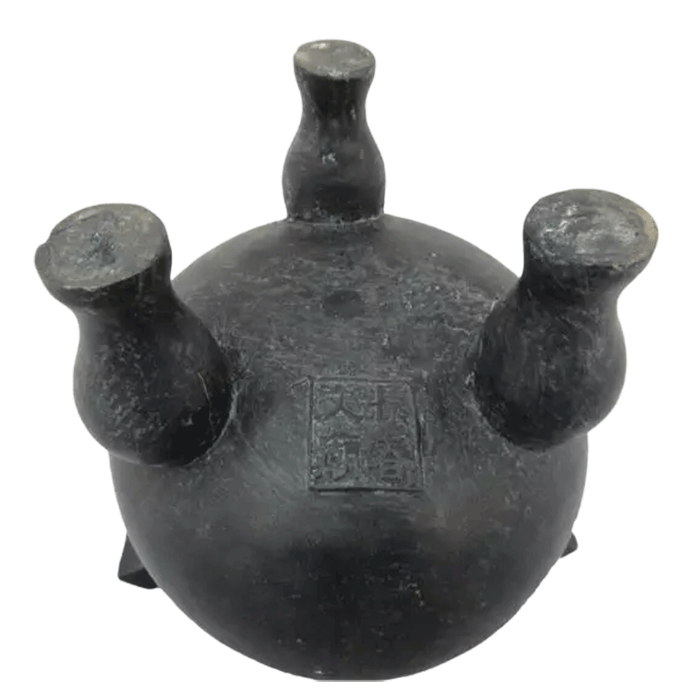
Key Qualities to Evaluate in a Custom Bronze Foundry
When selecting a partner for about scultmart and bespoke bronze projects, discerning buyers must look beyond mere pricing. A comprehensive evaluation of a foundry’s capabilities, experience, and operational standards is crucial. Here are the critical factors to consider:
Unwavering Commitment to Quality and Certification
Quality assurance is non-negotiable, particularly for pieces destined for discerning collections, public display, or international markets. A reputable foundry should demonstrate a rigorous approach to quality management. Luoyang Yichuan Bronze Craft Co., Ltd., for instance, operates under an chinese bronze sculpture ISO 9001 quality management system, ensuring consistent standards across all production phases. Furthermore, products must comply with export quality inspection standards for art crafts, guaranteeing that they meet international benchmarks for material composition, structural soundness, and aesthetic finish.
Production Capacity and Project Flexibility
Whether you require a single, intricate custom prototype or a large-scale bulk production run, your chosen foundry must possess the capacity and flexibility to meet your demands. Assess their annual output and their ability to handle diverse project scopes. A facility with an annual output of over 50,000 bronze art pieces, like Luoyang Yichuan, signifies robust operational capabilities. Crucially, inquire about minimum order quantities (MOQ). For custom sculptures, an MOQ from 1 piece demonstrates a commitment to bespoke projects, while bulk orders should be negotiable based on size and design complexity, offering cost efficiencies for larger undertakings.
Specialized Expertise and Artisanal Skill
The creation of antique bronze castings demands a specialized skill set. Look for a foundry with a significant production area (e.g., 3,000 square meters) and a substantial team of experienced professionals. Over 30 skilled craftsmen, including dedicated bronze-casting masters and finishing artisans, indicate a deep pool of talent capable of executing complex designs with precision. These artisans are not just technicians; they are artists who understand the nuances of historical styles, capable of hand chasing, polishing, and applying patinas that authentically replicate antique or achieve desired modern looks.
Addressing Specific Sourcing Pain Points
Experienced buyers often encounter recurring challenges when sourcing custom bronze art. A superior foundry will have established solutions for these common pain points:
- Exact Replication of Antique Bronzes: Achieving perfect fidelity to historical pieces requires meticulous attention to detail, advanced modeling techniques, and a deep understanding of historical artistry.
- Consistent Patina Color Matching: Patina, the surface coloration of bronze, is crucial for antique aesthetics. Ensuring consistent color and finish across multiple pieces, even years apart, requires specialized knowledge and controlled application processes.
- Export-Compliant Protective Packaging: Fragile sculptures require robust, specialized packaging to withstand the rigors of international shipping. A foundry that provides export-compliant protective packaging minimizes the risk of damage during transit, saving time and cost for replacements.
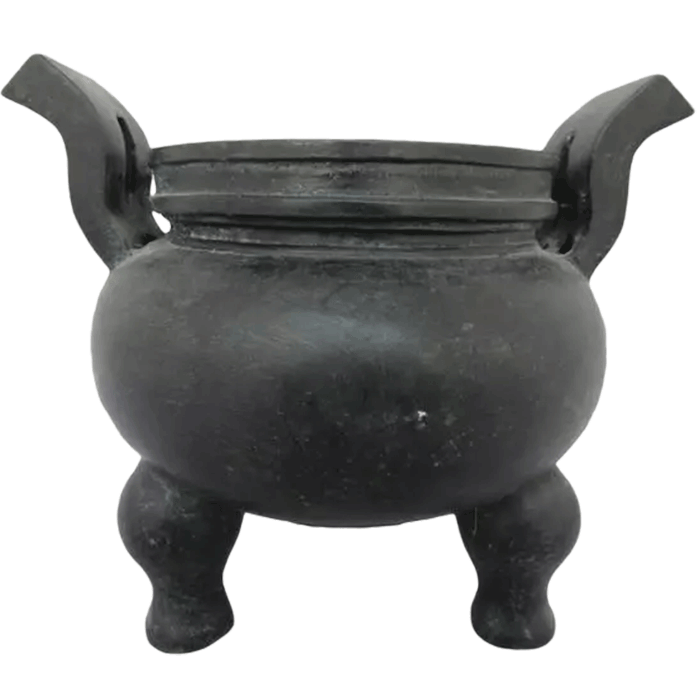
The Meticulous Process of Crafting Custom Antique Bronze Castings
Beyond the lost-wax method's core steps, the finishing stages are where the true "antique" character of a bronze piece emerges. These processes are entirely manual, requiring an artisan's eye and touch.
Hand Chasing and Surface Refinement
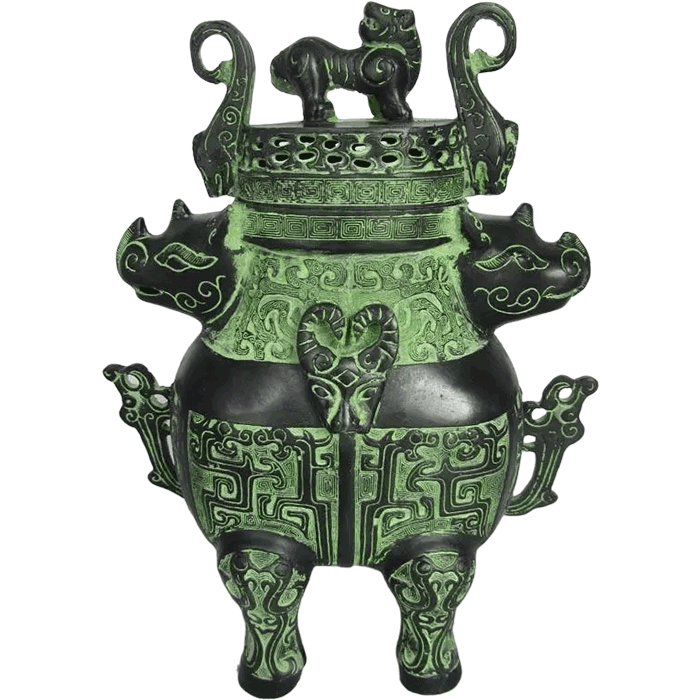
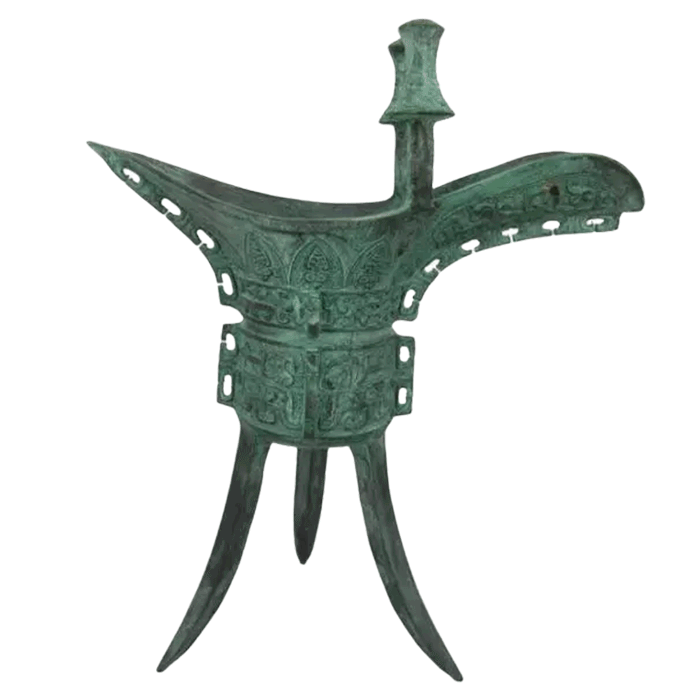
Once the raw bronze casting is de-shelled, it undergoes extensive hand chasing. This involves using specialized tools to remove any remnants of the casting process, such as sprue marks and seam lines, and to restore the intricate details that might have been slightly softened during casting. This stage is crucial for sculptures, bronze decorations, vessels like ding, zun, and hu tripods and vases, as well as bronze mirrors, bronze incense burners, and bronze Buddhist statues. The skill of the artisan ensures that the sculpture's original crispness and intended textures are fully realized.
Polishing and Texturization
Following chasing, the bronze is meticulously polished. This can range from a mirror-like sheen to a satin finish, depending on the desired aesthetic. For antique reproductions, specific areas might receive varying degrees of polish to mimic wear and age. Some pieces may even incorporate deliberate texturization to enhance their tactile and visual appeal, bringing them closer to the original antique feel.
The Art of Patina: Antique or Modern Looks
Perhaps the most transformative step is the application of the patina. Patina is not merely a surface coating; it is a chemical reaction induced on the bronze surface to create a desired color and finish. For antique looks, this often involves complex layering of chemicals, heat, and hand-rubbing techniques to achieve the aged, weathered appearance characteristic of historical bronzes. Common antique patinas include various shades of brown, green (verdigris), black, and even subtle blues or reds. Modern patinas offer a wider palette, but for authenticity, the ability to consistently replicate specific antique patinas is key. This process requires significant experience to ensure uniformity across a series of pieces and to achieve the desired depth and subtlety of color.
Ensuring Quality and Reliability in Your Bronze Sourcing Partnership
A reliable sourcing partner for the evolution of bronze culture over 2000 years projects provides more than just manufacturing; they offer comprehensive support throughout the project lifecycle, safeguarding your investment and reputation.
Rigorous Quality Inspection Before Every Shipment
Before any bronze piece leaves the foundry, it should undergo a thorough quality inspection. This final check verifies that each artwork meets all specified design, material, and finish requirements. For fragile sculptures intended for export, this inspection also confirms that the protective packaging is robust and compliant with international shipping standards, preventing damage during transit.
Comprehensive After-Sales Support
Challenges can occasionally arise, even with the highest quality standards. A truly supportive foundry offers robust after-sales service. This includes a clear policy for free replacement for casting defects, demonstrating confidence in their craftsmanship. Furthermore, specialized support for patina touch-ups and restoration guidance is invaluable, ensuring the long-term preservation and aesthetic integrity of your bronze investments. This comprehensive approach differentiates a mere supplier from a true strategic partner.
Navigating Specific Challenges in Custom Antique Bronze Casting Projects
The unique demands of custom antique bronze casting projects often present specific challenges that only experienced foundries can effectively address. These challenges highlight the need for a partner with deep expertise and a proven track record.
Replication of Intricate Details from Historical Pieces
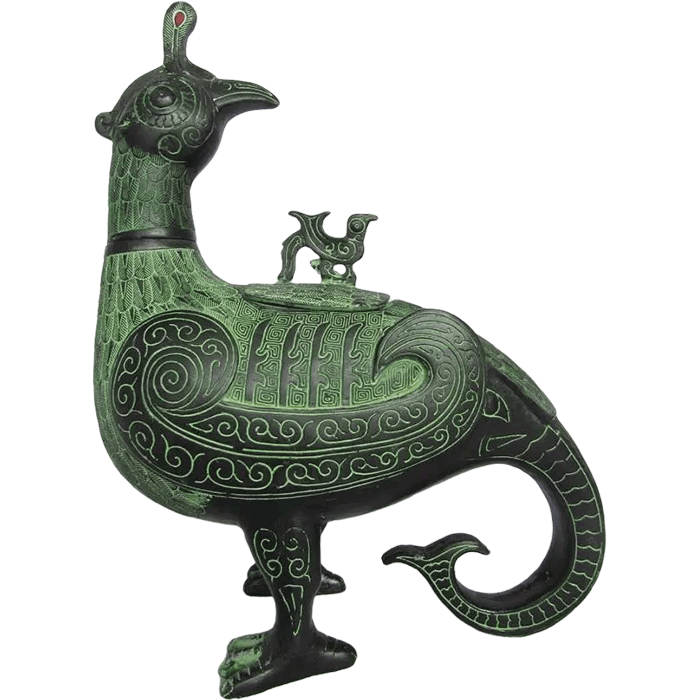
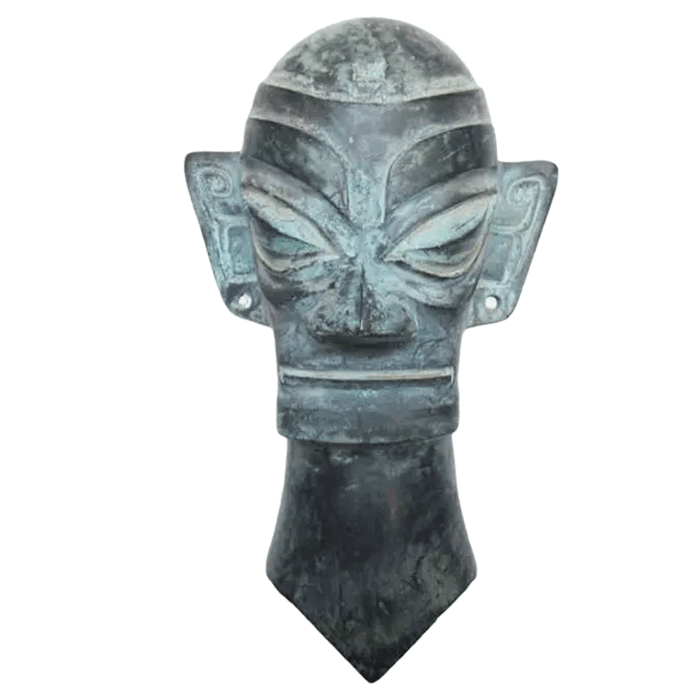
Reproducing antique bronzes means capturing the exact textures, tool marks, and subtle imperfections that give historical artifacts their character. This is particularly challenging for complex forms such as bronze statues with different themes or highly decorated vessels. The initial modeling phase, whether digital or traditional, must be meticulously accurate, and the lost-wax method, combined with expert hand chasing, is essential for translating these details into bronze without loss of fidelity.
Achieving Specific, Consistent Patina Colors Across Multiple Pieces
One of the most artistic and technically demanding aspects of antique bronze replication is patina application. Clients often require a very specific, historically accurate patina finish, and achieving consistency across multiple pieces, especially for a large collection or an installation, is a significant challenge. Factors such as bronze alloy composition, ambient temperature, humidity, and the application technique all influence the final patina. A foundry with seasoned patina artists and controlled environment facilities can guarantee this consistency, solving a critical pain point for collectors and curators.
Ensuring Structural Integrity and Longevity
Antique bronzes, by their nature, are expected to last for centuries. This demands not only high-quality bronze alloy but also impeccable casting techniques that prevent internal flaws, such as porosity or cold shuts, which can compromise the structural integrity. For larger sculptures or those with delicate elements, engineering considerations for internal armatures or support structures are also vital to ensure the piece can withstand its own weight and external stresses over time. Expert bronze-casting masters are crucial in overseeing these technical aspects.
Compliance with International Export Standards for Art Crafts
Shipping valuable and often fragile bronze artworks across international borders requires strict adherence to various regulations. This includes not only robust, export-compliant protective packaging but also proper documentation, customs declarations, and material certifications. A foundry experienced in international logistics can simplify this process, providing peace of mind that your valuable assets will arrive safely and legally at their destination.
Why Luoyang Yichuan Bronze Craft Co., Ltd. Stands Out for Custom Antique Bronze Casting
Luoyang Yichuan Bronze Craft Co., Ltd. embodies the ideal partner for your custom antique bronze casting needs. Located in Yichuan County, Luoyang, Henan Province, a region steeped in the history of bronze culture, our company combines geographical heritage with modern operational excellence.
Our commitment begins with an ISO 9001 quality management system, ensuring that every product, from intricately detailed bronze statues with different themes to historically significant bronze vessels, meets stringent international standards. With an annual output exceeding 50,000 bronze art pieces, we possess the capacity to fulfill orders of any scale, from a single custom prototype to extensive bulk production runs. We are proud to offer an MOQ from 1 piece for custom sculptures, reflecting our dedication to bespoke artistry, with flexible terms for larger orders based on complexity.
At the core of our operations are over 30 skilled craftsmen, including revered bronze-casting masters and meticulous finishing artisans. They employ premium bronze alloy (Cu-Sn) and the traditional lost-wax method, ensuring exceptional detail and durability. Our artisans excel in hand chasing, polishing, and applying a range of patinas, perfectly replicating antique aesthetics or crafting modern finishes as desired.
We proactively address the common pain points in custom bronze art sourcing: ensuring exact replication of antique bronzes, guaranteeing consistent patina color matching across all pieces, and providing export-compliant protective packaging for even the most fragile sculptures. Furthermore, our dedication extends beyond delivery with comprehensive after-sales support, including free replacement for casting defects and expert guidance for patina touch-ups and restoration. Partnering with Luoyang Yichuan means choosing a foundry that merges ancestral craft with contemporary reliability, ensuring your custom antique bronze casting projects are executed with unparalleled quality and professionalism.