Custom Antique Bronze Casting: Patina & MOQ FAQs
Custom antique bronze casting explained through common patina and minimum order questions from B2B buyers
Buyers who have already shortlisted a bronze foundry usually arrive at the same crossroads: they understand the general capability of the workshop, but they still need clear answers about finish quality, color consistency, and how small or large an order can realistically be. This article addresses those pre-order questions directly, drawing on the standard practices used at Luoyang Yichuan Bronze Craft Co., Ltd. for sculptures, vessels, mirrors, incense burners, and Buddhist statues produced through traditional lost-wax casting.
Why patina finish is the first specification to lock down
Patina is not a single color or a single process — it is a controlled chemical and thermal treatment applied to the surface of a Cu-Sn bronze alloy after casting and polishing. Two pieces cast from the same mold can look dramatically different depending on how the patina is applied, which is why finish specification should be settled before production begins, not after.
Antique patina vs. modern polished finish
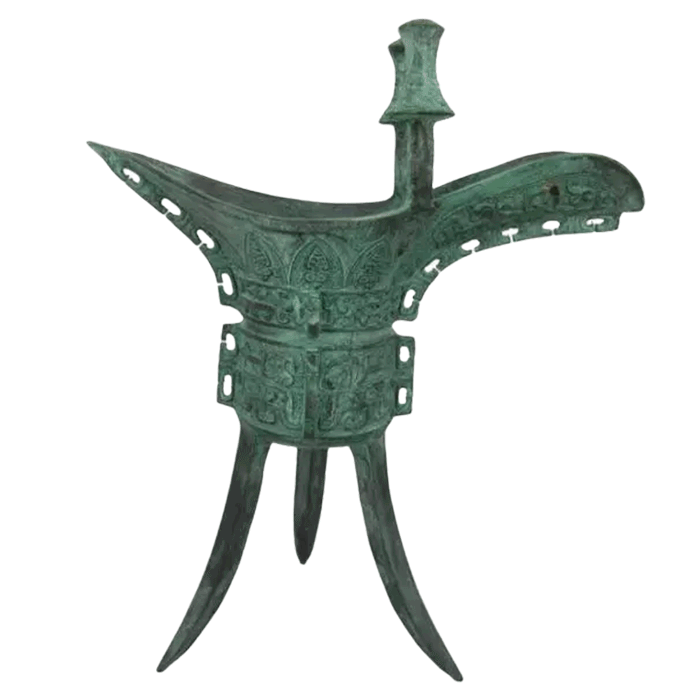
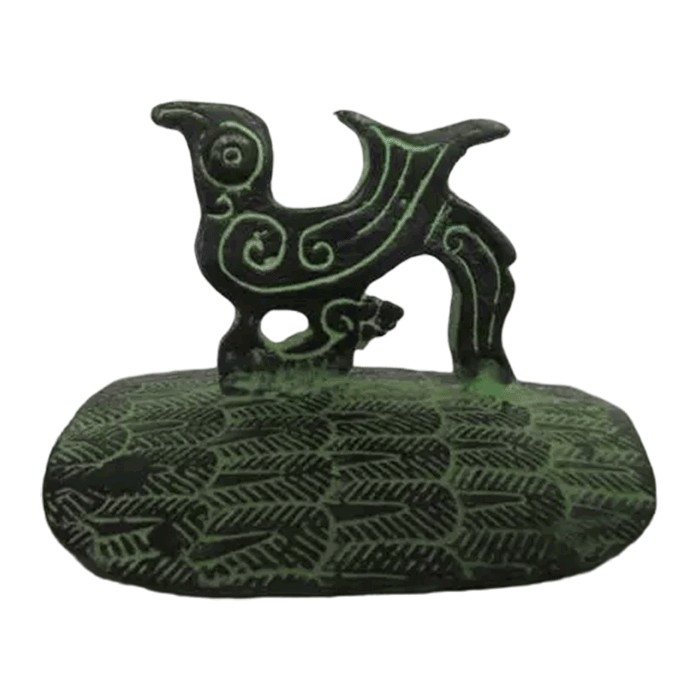
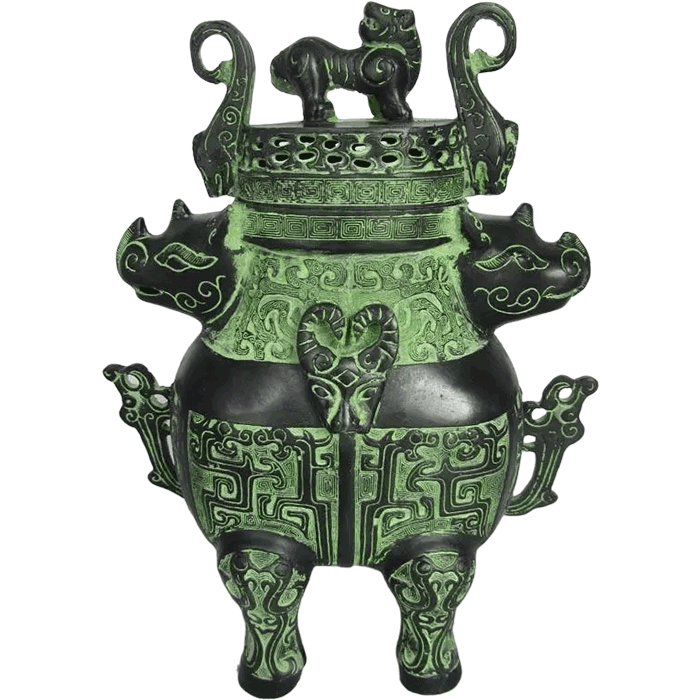
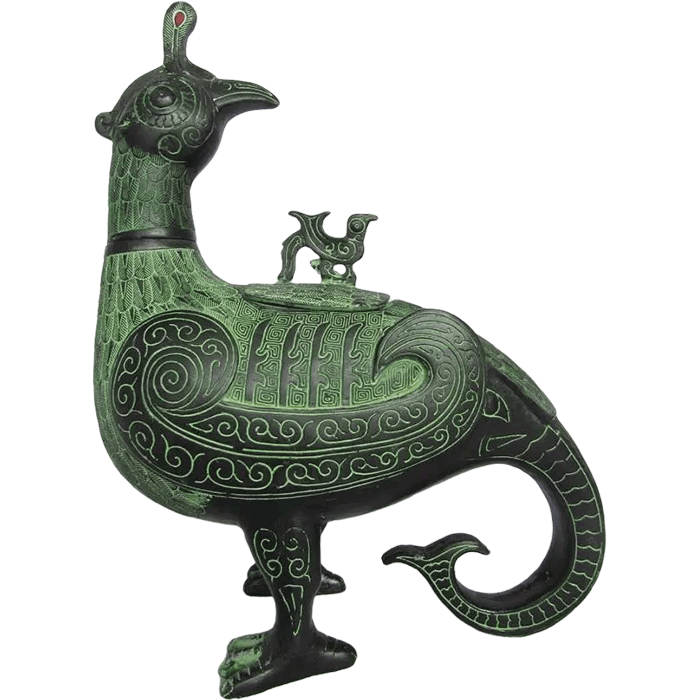
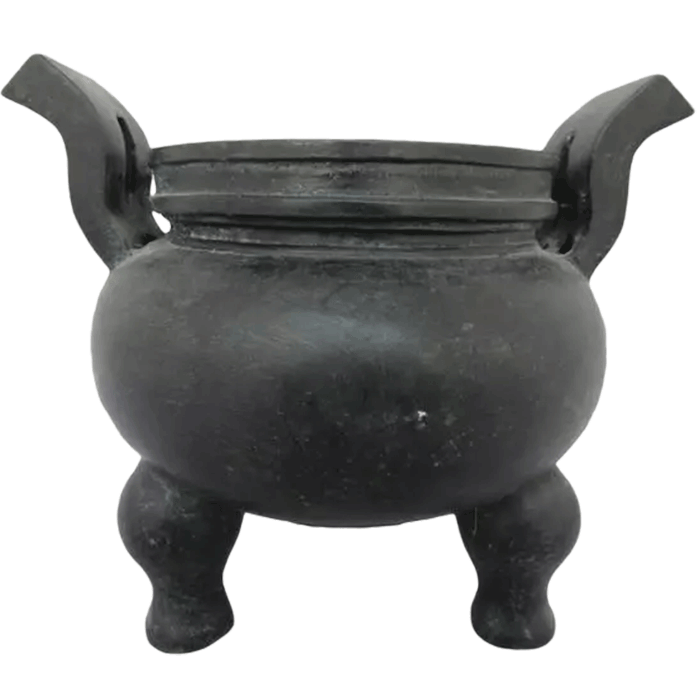
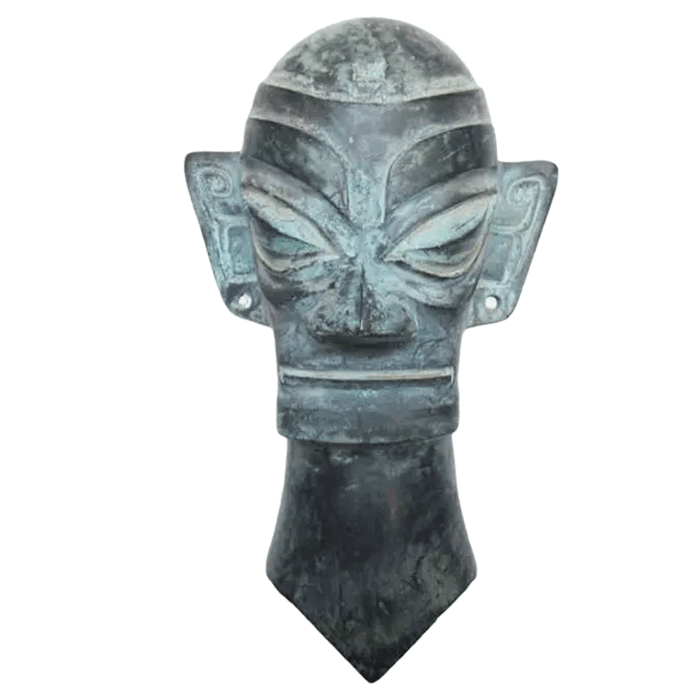
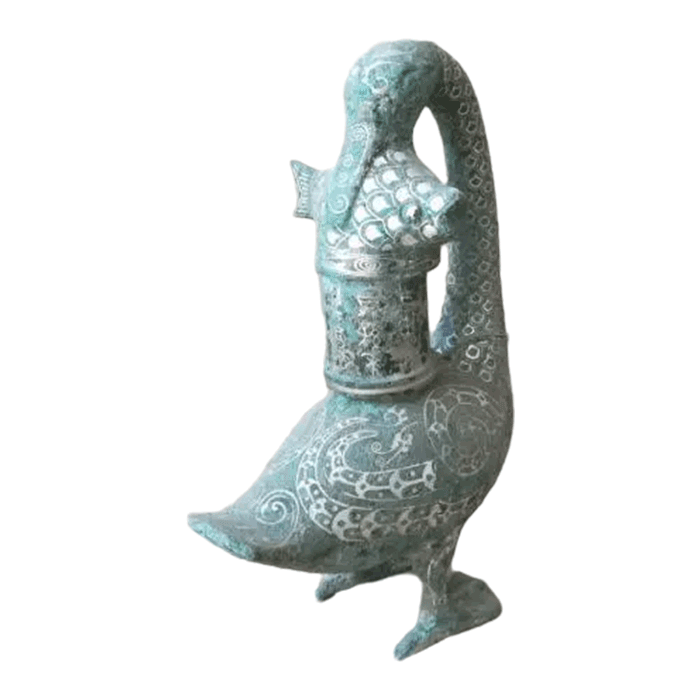
For buyers reproducing museum-style pieces, an antique-style patina replicates the green, brown, or black oxidation layers seen on excavated bronzes. This is achieved through hand-applied chemical treatments and heat control rather than paint, which is why the color has depth and does not flake under normal handling. Modern-look finishes, by contrast, retain a polished or lightly toned bronze surface for contemporary decor or architectural pieces. Buyers sourcing pieces similar to chinese bronze sculpture reproductions should specify which category they need, since the underlying casting process is the same but the finishing labor and time differ.
Color matching across a production run
One of the most frequent concerns for bulk buyers is whether patina color will stay consistent across dozens or hundreds of units. Because patina is a hand-finishing process performed by skilled artisans, some natural variation is expected — this is actually a hallmark of authentic bronze work rather than a defect. To manage buyer expectations, it is standard practice to produce a reference sample or small pilot batch first, confirm the approved tone, and then match subsequent units against that sample under consistent lighting conditions. Buyers ordering matched sets of bronze statues with different themes should request this sample-approval step explicitly in their purchase agreement.
MOQ realities for custom antique bronze casting orders
Minimum order quantity is often the deciding factor for whether a buyer moves forward with a supplier. Because bronze casting spans everything from one-off commissioned sculptures to large decorative product lines, MOQ policy needs to be flexible rather than fixed.
Single-piece and prototype orders
A single custom sculpture, vessel, or Buddhist statue can be produced as a standalone commission, starting from one piece. This is common for buyers who need an exact replica of an antique reference object, a gallery piece, or a one-of-a-kind gift commission. Because lost-wax casting requires building an individual mold, single-piece orders carry a higher per-unit cost than bulk runs, but they allow full design control before committing to larger quantities.
Bulk production and negotiated quantities
For buyers planning wholesale distribution, hospitality projects, or retail collections, bulk orders are negotiated based on the size of the piece, the complexity of the mold, and the finishing work required. A small bronze mirror or incense burner will scale to larger quantities more easily than a large figurative sculpture, since mold complexity and hand-chasing time increase with detail. Buyers evaluating customize a bronze sculpture from sculpmart.com options should share target quantities, dimensions, and finish requirements upfront so the workshop can quote realistic lead times and per-unit pricing.
Casting process and quality control behind the finish
Understanding the production sequence helps buyers ask sharper questions during the specification stage.
Lost-wax casting with Cu-Sn bronze alloy
Each piece begins as a wax model, which is coated in a ceramic shell, then burned out to leave a cavity for molten bronze. This traditional method allows for fine surface detail, which is essential when reproducing intricate historical designs such as ding, zun, and hu vessels. Alloy composition is controlled to maintain the correct copper-to-tin ratio, which affects both casting flow and the way patina chemicals react with the surface later.
Hand chasing and surface refinement
After casting, raw bronze pieces go through chasing — a hand-tooling process that sharpens details, removes casting seams, and refines texture before polishing. This stage is labor-intensive and is typically where craftsmen distinguish decorative pieces from museum-grade reproductions. Buyers interested in the historical basis for these techniques can review the evolution of bronze culture over 2000 years for context on how these forming methods developed.
Inspection before shipment
Every piece is inspected prior to shipment under the company's ISO 9001 quality management system, checking for casting defects, surface consistency, and patina uniformity against the approved sample. Pieces found with casting flaws are eligible for free replacement, which protects buyers from receiving damaged or substandard inventory on larger orders.
Packaging, shipping, and after-sales support for fragile bronze work
Bronze sculptures and vessels are heavy, often irregularly shaped, and vulnerable to surface damage during transit if packaging is not designed specifically for the piece.
Export-compliant protective packaging
Because patina finishes can be scratched or dulled by improper handling, each piece is packed using protective materials suited to export shipping standards for art crafts. This typically includes internal cushioning that isolates the piece from box walls, moisture protection for the metal surface, and reinforced crating for larger sculptures or vessel sets. Buyers importing pieces such as bronze decorations for retail display should confirm crate dimensions and weight in advance for freight planning.
Restoration and touch-up guidance
Patina can shift slightly over time depending on environment and handling, particularly for outdoor installations. After-sales support includes guidance on maintaining the finish and, where needed, touch-up work to restore the original tone. This is particularly relevant for buyers managing long-term installations of bronze statues with different themes in public or commercial spaces, where consistent appearance matters for years after installation.
Questions to resolve before placing an order
Before finalizing a purchase order, buyers should have clear answers to the following:
- Is the finish an antique patina or a modern polished look, and has a reference sample been approved?
- What is the target quantity, and does it qualify for single-piece pricing or negotiated bulk pricing?
- What are the dimensions and weight of the piece, and how will that affect packaging and freight cost?
- What is the inspection and replacement policy in case of casting defects on arrival?
- Is after-sales support available for patina maintenance once the piece is installed?
Working through these points before production begins reduces the risk of mismatched expectations later. Because custom antique bronze casting work depends heavily on hand skill at multiple stages — wax modeling, casting, chasing, and patina application — clear upfront communication about finish and quantity is what separates a smooth order from a frustrating one. Buyers researching material properties may also find it useful to review the difference between bronze and brass when comparing supplier claims about alloy quality.
Matching order type to production capability
A workshop producing over 50,000 bronze art pieces annually, with more than 30 skilled craftsmen including casting masters and finishing artisans, is generally equipped to handle both ends of the order spectrum — a single museum-replica commission and a bulk decorative product run. What matters most for the buyer is communicating which end of that spectrum applies to their project, since prototype work and volume manufacturing are priced and scheduled differently. Vessel reproductions, in particular, benefit from reviewing historical references such as Houmuwu square cauldron before finalizing proportions and surface details, since accuracy to historical form is often a key requirement for institutional or collector buyers.
For sculptures, vessels, mirrors, incense burners, or Buddhist statues alike, the underlying principle remains the same: define the finish, confirm the quantity, and verify the inspection standard before committing to a production schedule. This approach turns custom antique bronze casting from a vague inquiry into a well-specified order that a foundry can quote accurately and deliver consistently.