Custom Antique Bronze Casting: Control Costs with Patina Specs
Custom antique bronze casting costs become predictable once patina specifications are fixed before the first quote request
Procurement teams comparing bronze casting quotes often discover that two suppliers price the same sculpture drawing at wildly different figures. The culprit is rarely the metal itself — bronze alloy pricing is relatively stable — but the finishing stage, where patina color, texture, and protective coating choices can add or subtract a significant share of the final invoice. For buyers managing museum replicas, hospitality décor, or resale inventory, understanding how patina specifications shape cost is the single most effective lever for keeping a bronze program on budget.
Why Patina Specifications Drive Line-Item Cost Variance
A raw bronze casting straight from the mold looks nothing like the deep brown, verdigris green, or black-lacquer antique finishes buyers expect. Achieving those looks requires hand chasing, chemical patina application, multiple heat-and-oxidation cycles, and sometimes wax or lacquer sealing. Each of these steps is labor-intensive and difficult to automate, which is why finishing — not casting — usually accounts for the widest cost spread between vendor quotes.
When a request for quote simply says "antique finish" without defining color depth, texture uniformity, or coating durability, suppliers are forced to guess, and their guesses diverge. Some quote a light surface wash that will not hold up to outdoor exposure; others quote a multi-layer museum-grade patina that costs three times as much. Locking the patina spec before quoting puts every vendor on the same page and makes quote comparison meaningful rather than apples-to-oranges.
Building a Patina Spec Sheet Procurement Teams Can Quote Against
A usable patina spec sheet does not need to be technical — it needs to be unambiguous. At minimum, include target color (with a reference photo or Pantone-adjacent swatch), finish style (antique weathered, modern brushed, or high-polish), intended display environment (indoor, outdoor, or humid coastal climate), and any coating requirement such as wax, lacquer, or anti-oxidation sealant.
Color Matching and Reference Samples
Color is the most subjective variable in bronze finishing, and it is also the easiest to misquote. Requesting a physical sample chip or a previously produced piece as a color reference removes guesswork. Suppliers working from the traditional lost-wax method can replicate historical patina tones with consistent color matching across a production batch, but only if the target shade is defined up front rather than negotiated after casting is complete.
Surface Texture and Protective Coating Layers
Texture decisions — smooth versus hammered, uniform versus mottled — affect both chasing labor and the number of patina layers required. Outdoor installations typically need an additional protective wax or lacquer layer to resist weathering, which should be priced as a separate line item rather than buried inside a vague "finishing" fee. Clarifying this at the quote stage avoids disputes later when a sculpture arrives with a finish lighter or heavier than expected.
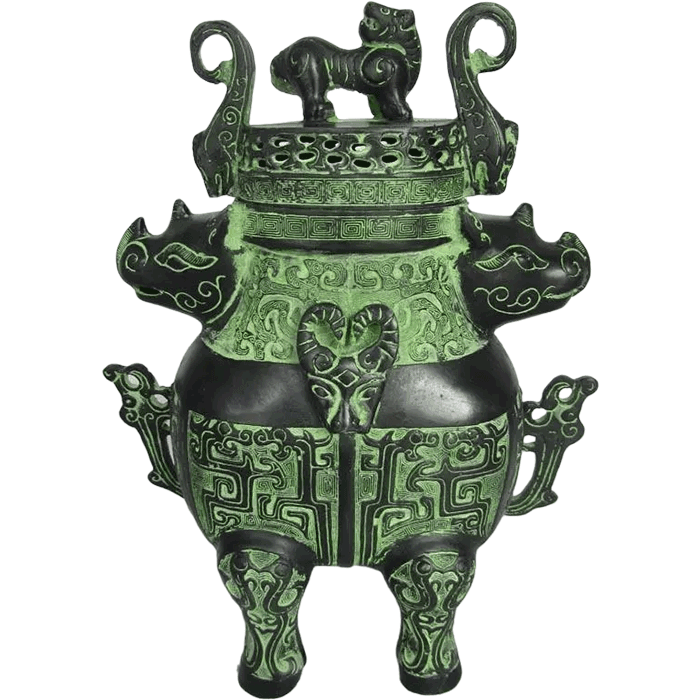
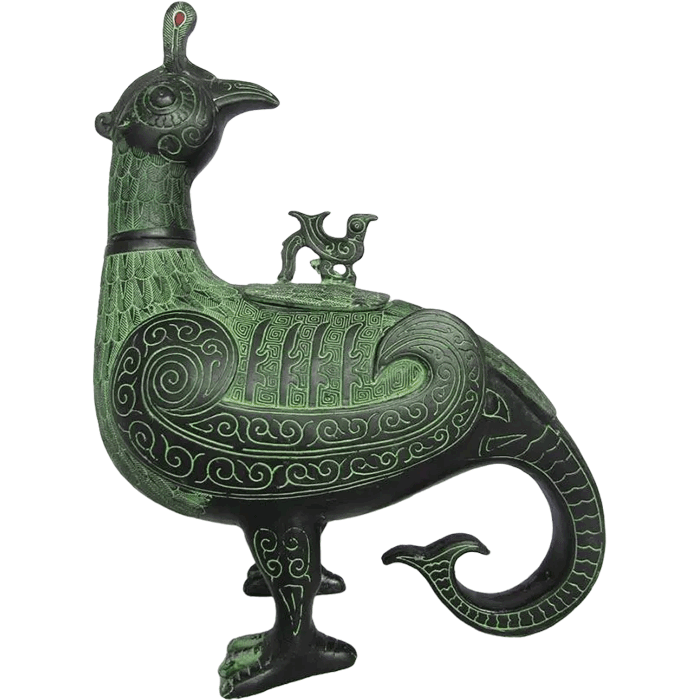
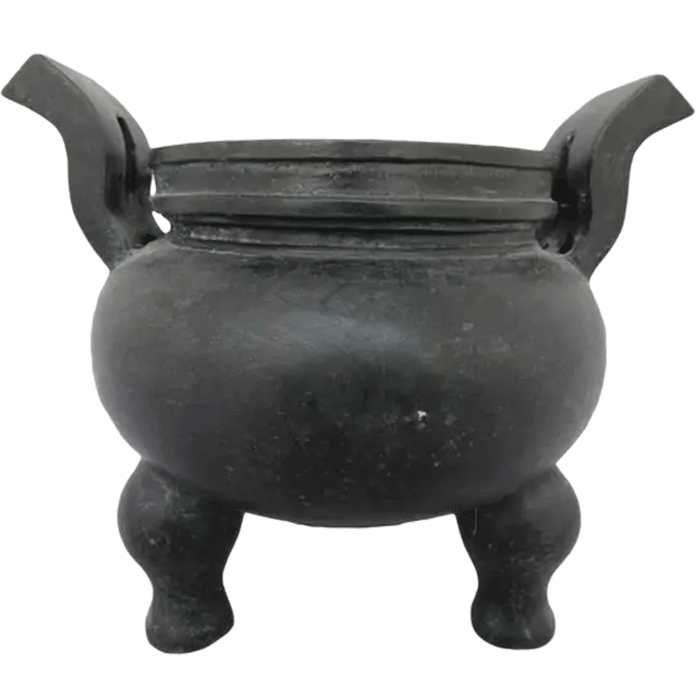
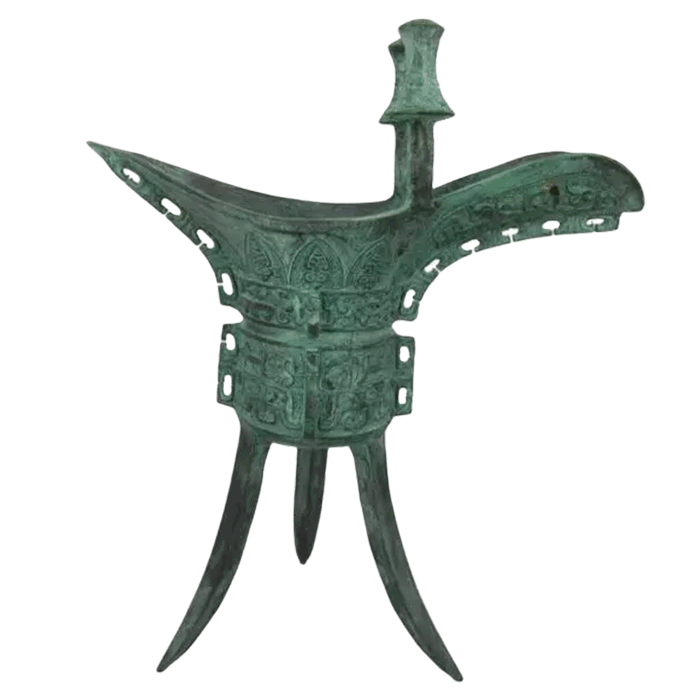
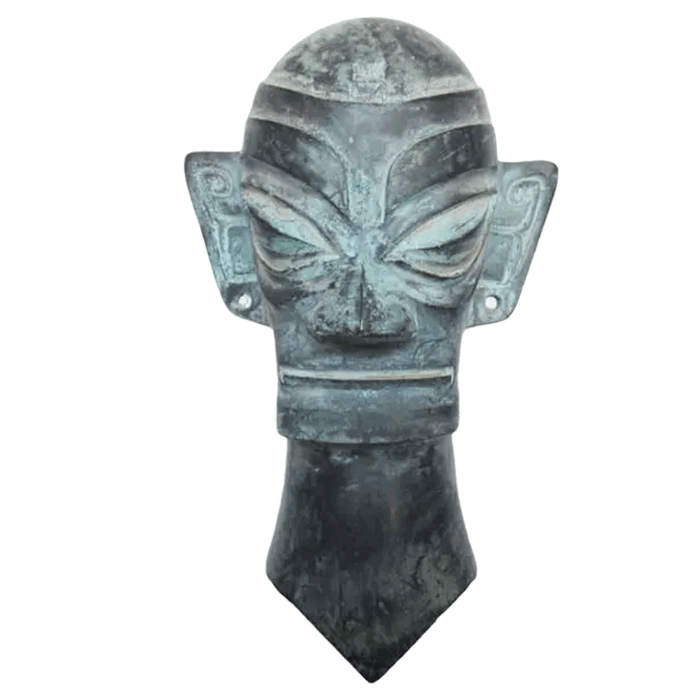
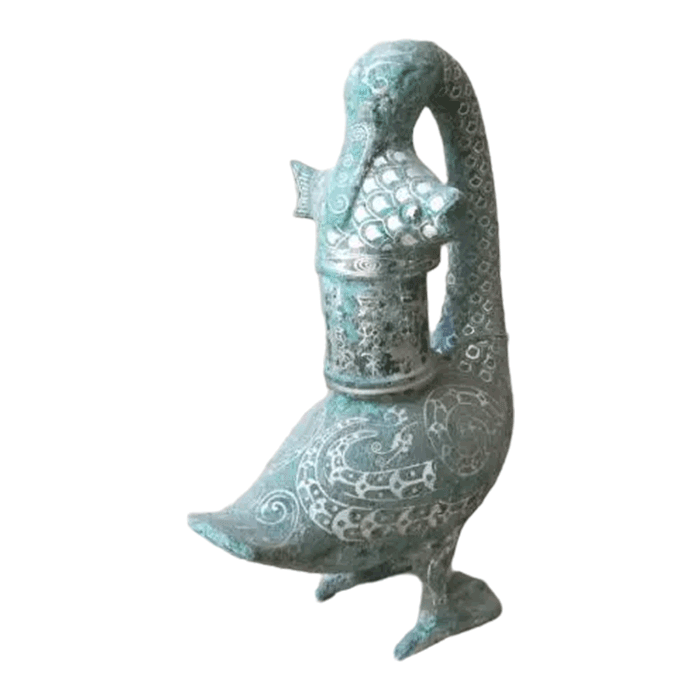
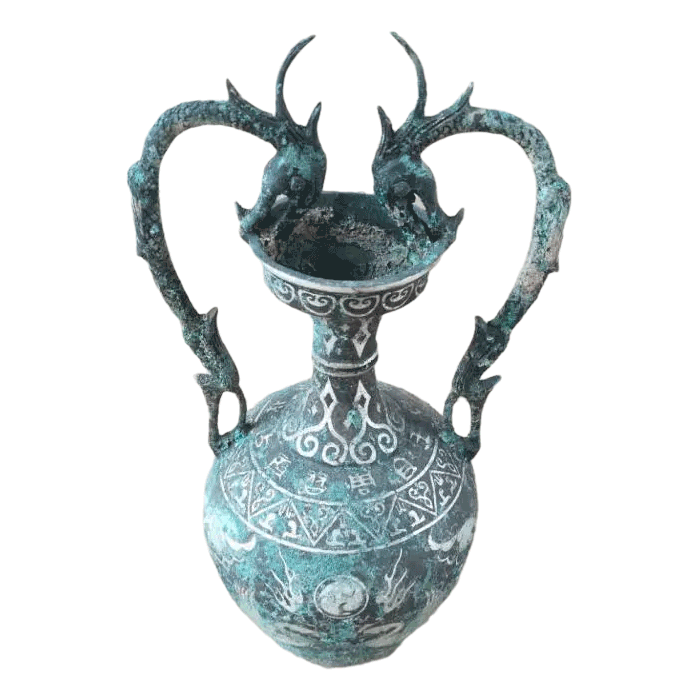
For buyers who want to see how finish choices translate into finished pieces, browsing a gallery of bronze statues with different themes is a practical way to align internal stakeholders on terminology before writing the spec sheet.
How Production Scale and Material Choices Affect Pricing
Beyond patina, scale and alloy composition influence quoted cost. A single custom prototype — some workshops accept orders starting from one piece — carries a higher per-unit finishing cost than a batch run, since hand chasing and patina application do not benefit from economies of scale the way mold-making does. Buyers planning a bulk order for resale inventory should request tiered pricing based on quantity brackets, since casting houses with annual output in the tens of thousands of pieces can often absorb setup costs across a larger run and pass savings back to the buyer.
Premium cast bronze alloy (copper-tin, Cu-Sn) cast using the traditional lost-wax method remains the standard for antique reproduction work because it holds fine surface detail and accepts patina more evenly than lower-grade substitutes. Specifying alloy grade in the RFQ prevents suppliers from quietly substituting cheaper mixes that may compromise both weight and long-term color stability. Readers researching material differences may find it useful to review the difference between bronze and brass before finalizing alloy requirements in a contract.
Quality Assurance and After-Sales Terms That Protect Your Budget
Cost control is not only about the quoted price — it is also about what happens if a piece arrives with a casting defect or a patina mismatch. Buyers should ask vendors directly about their quality inspection process before shipment, whether replacement coverage exists for casting flaws, and whether patina touch-up support is available after delivery. A supplier operating under ISO 9001 quality management and conducting inspection before every shipment reduces the hidden cost of rework, returns, or customs rejection — expenses that are easy to overlook during initial quote comparison but can erode margin quickly on a resale project.
Export-compliant protective packaging is another line item worth confirming in writing, since fragile antique-finish sculptures that arrive chipped or scratched in transit effectively double the project's real cost once replacement shipping and delays are factored in. A factory with over 30 skilled craftsmen, including dedicated finishing artisans, is generally better positioned to standardize both the patina application and the packaging process across a production run, which keeps per-unit cost predictable rather than reactive.
A Practical Workflow for Comparing Quotes
Procurement teams can reduce back-and-forth and shorten the sourcing cycle by following a simple sequence before sending an RFQ:
- Finalize the patina color reference and finish style first, before requesting pricing.
- Specify alloy grade and any outdoor coating requirement explicitly in the document.
- Request tiered pricing for prototype versus bulk quantities so volume discounts are visible upfront.
- Confirm inspection, defect-replacement, and packaging terms in writing, not verbally.
- Ask for sample photos or a factory reference piece matching the intended antique look.
Following this sequence turns quote comparison from a guessing game into a structured evaluation. It also shortens supplier communication, since vendors spend less time asking clarifying questions and more time producing an accurate number. For teams managing a customize a bronze sculpture project for the first time, working from a locked spec sheet is the fastest way to get comparable, trustworthy quotes within the first round of outreach.
Understanding the historical basis for antique finishes also helps buyers set realistic expectations with internal stakeholders who may not be familiar with bronze production. A review of the evolution of bronze culture over 2000 years gives useful context for why certain patina tones and casting techniques carry premium pricing — they are reproducing finishing traditions that date back millennia, not simply applying paint.
Closing Considerations for Budget-Conscious Buyers
Custom antique bronze casting pricing will always vary between vendors, but the variance narrows considerably once patina specifications, alloy grade, and quality terms are defined before quoting rather than negotiated afterward. Buyers who treat the spec sheet as the starting point of the sourcing process — not an afterthought — consistently report fewer disputes, more accurate budgets, and finished pieces that match expectations on arrival. For resellers and procurement teams running recurring bronze programs, this upfront discipline compounds over time: each subsequent order becomes faster to quote, easier to compare, and less likely to generate costly rework.
Ultimately, the goal is not to find the cheapest quoted number but the most accurately quoted one. A low bid built on an undefined patina spec is a budget risk disguised as a bargain, while a slightly higher bid built on a locked spec sheet, documented alloy grade, and clear after-sales terms is the more cost-effective choice once total project risk is accounted for.