Custom Ancient Bronze Casting: Preventing Cold Shut Defects
Partnering with an Expert Foundry for Flawless Custom Ancient Bronze Casting
The creation of a bronze replica, whether it's a revered ancient vessel or a contemporary sculpture, is a delicate balance of art and science. For collectors, museums, and artists commissioning these works, the goal is perfection—a piece that is not only aesthetically beautiful but also structurally sound. However, the complex process of bronze casting is fraught with potential pitfalls. Among the most frustrating and damaging defects is the "cold shut," a subtle flaw that can compromise the integrity and value of an entire piece. Understanding what causes cold shuts and how a dedicated foundry prevents them is critical for any buyer reviewing a prototype or commissioning a production run.
A cold shut is more than a simple surface blemish; it is a sign of a breakdown in the casting process. It signifies a failure of the molten metal to properly fuse within the mold, creating a permanent line of weakness. For projects that demand historical accuracy and timeless quality, such a defect is unacceptable. This guide explores the technical causes of cold shuts in the traditional lost-wax method and outlines the rigorous, quality-driven processes that a specialist foundry employs to ensure every casting is flawless, from a single prototype to a full-scale production order.
Understanding Cold Shuts: The Unseen Flaw in Bronze Replicas
Before one can appreciate the methods used to prevent them, it is essential to understand the nature of cold shuts and the profound impact they have on a finished bronze artwork. They are a fundamental concern in metallurgy and a key quality indicator in the foundry industry.
What Is a Cold Shut? A Deeper Dive
A cold shut, also known as a cold lap, is a type of surface defect that occurs during the casting process. It manifests as a fine line, crack, or seam on the surface of the bronze. This flaw is formed when two or more streams of molten bronze, flowing from different directions within the mold, fail to fuse together completely upon meeting. The reason for this failure is that the leading edges of the metal streams have cooled too much, falling below the temperature required for proper metallurgical bonding. Instead of merging into a single, homogenous solid, they solidify as two distinct, adjacent surfaces with a weak or non-existent bond between them.
Imagine pouring two streams of warm, liquid wax into a container. If the wax is hot enough, the streams will blend seamlessly. If it has cooled slightly, they will meet and solidify, but a visible line will remain where they touched. A cold shut in bronze is the same principle, but with far more significant consequences for the piece's structural integrity.
Why Cold Shuts Are Unacceptable in High-Fidelity Replicas
In the world of fine art and historical replication, a cold shut is not a minor imperfection; it is a critical failure. The presence of this defect has several serious implications:
- Structural Weakness: A cold shut is a point of stress concentration. The piece is inherently weaker along this line and can be prone to cracking or breaking under physical stress or even due to temperature fluctuations over time. For sculptures with delicate appendages or vessels with thin walls, this is a catastrophic flaw.
- Aesthetic Disruption: The fine line of a cold shut disrupts the smooth surface and flow of the sculpture's form. It can interfere with intricate details, mar a polished surface, or create an unsightly break in the patina. It is an immediate visual signal of a subpar casting process.
- Compromised Authenticity: For replicas of historical artifacts, the goal is to reproduce the original's form and spirit with the highest possible fidelity. A modern casting defect like a cold shut immediately undermines this authenticity, devaluing the piece as a faithful reproduction.
- Reduced Value: Whether for a corporate art installation, a museum exhibit, or a private collection, a bronze with a visible casting flaw will have a significantly lower perceived and monetary value. It reflects poorly on the artist, the commissioner, and the foundry that produced it.
The Root Causes of Cold Shuts in the Lost-Wax Process
Preventing cold shuts requires a deep understanding of their causes. In the traditional lost-wax casting method, every step is interconnected, and a small error in one stage can lead to significant defects in the final product. The formation of cold shuts can almost always be traced back to one or more issues related to temperature control and fluid dynamics.
Inadequate Molten Metal Temperature
The single most common cause of cold shuts is pouring the bronze at too low a temperature. Every bronze alloy has an optimal pouring temperature range, which is significantly above its melting point. This "superheat" is crucial because it provides the thermal energy needed to overcome heat loss as the metal travels through the mold's gating system and into the final cavity. If the metal is not hot enough when it enters the mold, it will lose heat too quickly and begin to solidify before the mold is completely filled, leading to the formation of cold shuts where streams of sluggish metal meet.
Poor Gating and Sprue System Design
The gating system—a network of channels (sprues, runners, and gates) that directs the molten metal from the pouring cup into the mold cavity—is the "circulatory system" of the casting. Its design is a complex art. A poorly designed system can cause several problems that lead to cold shuts:
- Slow Flow: If channels are too narrow or convoluted, the metal's velocity will decrease, giving it more time to cool before filling the cavity.
- Turbulence: An improperly designed system can cause the metal to splash and tumble as it enters the mold. This turbulence increases the metal's exposure to the cooler mold atmosphere, accelerating heat loss and promoting the formation of oxides that inhibit fusion.
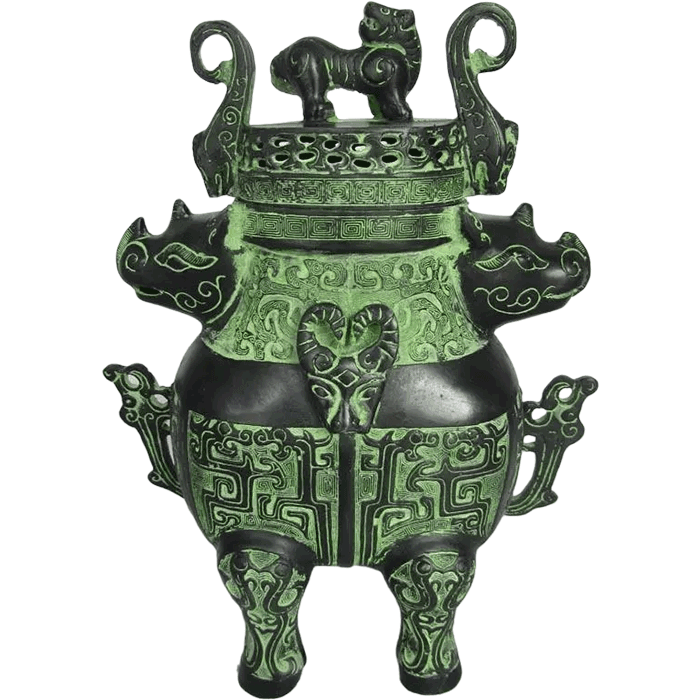
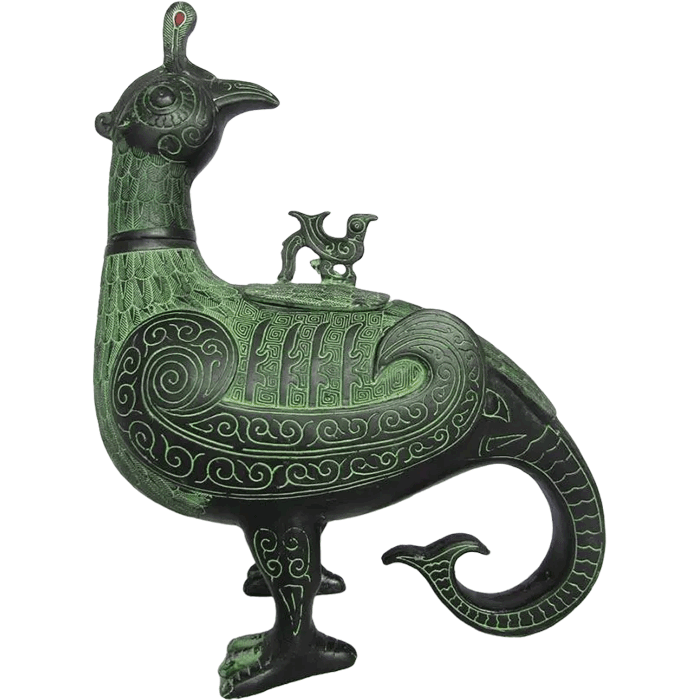
- Uneven Filling: The gating must be designed to ensure all parts of the mold fill evenly and progressively. If one section fills and begins to cool before another stream of metal reaches it, a cold shut is inevitable. This is a particular challenge for complex chinese bronze sculpture replicas with intricate patterns and forms.
Insufficient Mold Preheating
In lost-wax casting, the wax model is coated in a ceramic shell, which is then fired in a kiln to burn out the wax and cure the ceramic. This process also serves to preheat the mold. The temperature of the mold at the moment of pouring is critical. A cold or insufficiently heated mold will act as a massive heat sink, rapidly drawing thermal energy from the molten bronze. This drastic temperature drop is a primary contributor to premature solidification and the formation of cold shuts. A properly preheated mold minimizes the temperature differential, allowing the metal to remain fluid for longer and ensuring a complete fill and fusion.
Our Methodical Approach to Preventing Casting Defects
At Luoyang Yichuan Bronze Craft Co., Ltd., we recognize that producing flawless bronze artworks is not a matter of chance, but the result of a disciplined, systematic approach. Our entire production process is designed to control the variables that lead to defects like cold shuts, combining generations of artisanal skill with modern quality management principles.
ISO 9001 Certified Quality Management
Our commitment to quality is formalized by our ISO 9001 certification. This is not merely a certificate on the wall; it is the framework for our daily operations. Our quality management system dictates standardized, documented procedures for every critical stage of the casting process. This includes:
- Strict Temperature Control: We use calibrated pyrometers to precisely monitor the temperature of our premium Cu-Sn bronze alloy in the furnace, ensuring it reaches the optimal superheat temperature before every pour. The temperature of our kilns and molds is also strictly regulated and recorded.
- Standardized Process Sheets: Every project, from a small statue to a large vessel, has a dedicated process sheet that specifies the exact parameters for alloy composition, pouring temperature, mold preheat temperature, and pouring time.
- Traceability: Our system ensures that we can trace every finished piece back to the specific batch of metal and the exact process parameters used, allowing for continuous analysis and improvement.
The Role of Master Craftsmanship
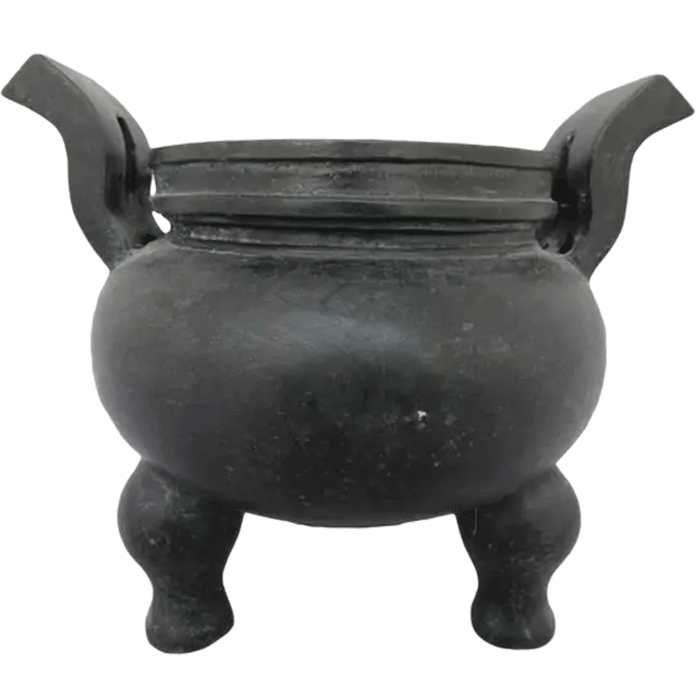
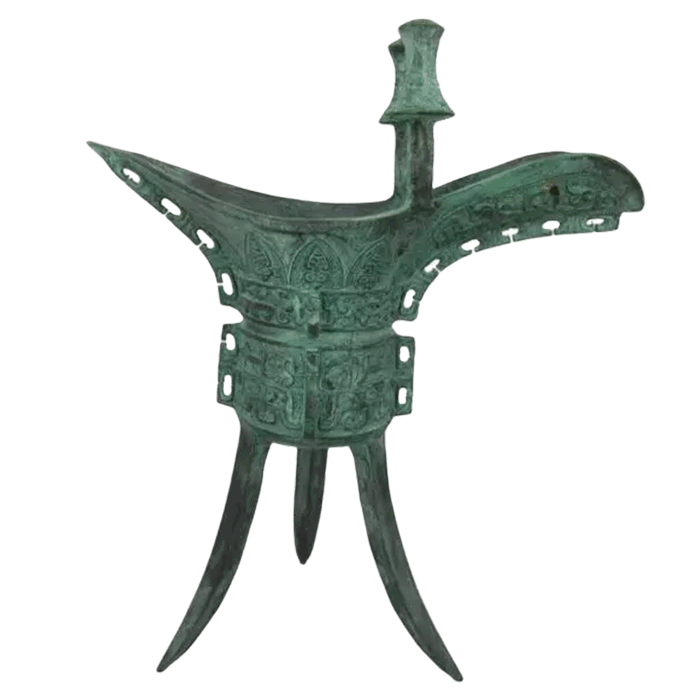
While systems and procedures provide a foundation for quality, the art of casting still relies heavily on human expertise. Our team of over 30 skilled craftsmen, including bronze-casting masters and finishing artisans, brings decades of hands-on experience to every project. Their intuitive understanding of how molten metal behaves is something that cannot be fully captured in a manual. They can "read" the glow of the metal, design a gating system based on the unique geometry of a sculpture, and execute a pour with a steady, confident hand that minimizes turbulence. This mastery is essential when creating a wide variety of pieces, from large, dynamic bronze statues with different themes to historically accurate ritual vessels.
Your Quality Guarantee: From Prototype to Final Delivery
We understand that commissioning a custom bronze artwork is a significant investment. Our processes are designed not only to produce exceptional quality but also to provide our clients with confidence and peace of mind throughout the project lifecycle.
Rigorous Pre-Shipment Inspection
Quality control is not just a final step; it is integrated throughout our process. However, every single piece undergoes a final, rigorous inspection before it is approved for patina application and shipping. Our quality inspectors meticulously examine the entire surface of the casting, looking for any signs of defects, including cold shuts, porosity, or shrinkage. This inspection is performed under optimal lighting conditions to ensure even the most subtle flaw is identified. Only pieces that are 100% free of casting defects are allowed to proceed.
Our Commitment to Flawless Castings
We stand behind the quality of our work with an unequivocal guarantee. Our process is so refined that we are confident in the outcome. In the rare event that a casting defect like a cold shut is found in a delivered piece, we offer a free replacement. This policy completely de-risks the sourcing process for our B2B clients, assuring them that they will only ever pay for and receive a perfect product that meets their exacting standards. It is a testament to our confidence in our people, our processes, and our materials.
Prototyping and Production Flexibility
For custom commissions, the prototype stage is crucial. It provides the first tangible proof of the design and an opportunity to assess the quality of the casting before committing to a larger run. We fully support this collaborative approach with an exceptionally flexible Minimum Order Quantity (MOQ) starting from just one piece for custom sculptures. This allows you to commission a single prototype, hold it in your hands, and scrutinize it for any imperfections. You can approve every detail of the raw casting before we replicate the exact, proven process for your bulk order. This is the ultimate quality assurance measure, ensuring the final production run is as flawless as the approved master prototype. If you are ready to begin this process, you can learn more about how to customize a bronze sculpture from sculpmart.com.
Preventing cold shuts in custom ancient bronze casting is a testament to a foundry's discipline and expertise. It requires a holistic commitment to quality, from the raw materials and scientific process controls to the irreplaceable skill of master craftsmen. By partnering with a foundry that offers certified processes, a transparent prototyping stage, and a robust quality guarantee, you ensure that your vision is realized in bronze that is not only beautiful but also flawlessly and enduringly solid.