Custom Ancient Bronze Casting: Preserving Historical Motifs
Preserving Historical Accuracy with Custom Ancient Bronze Casting
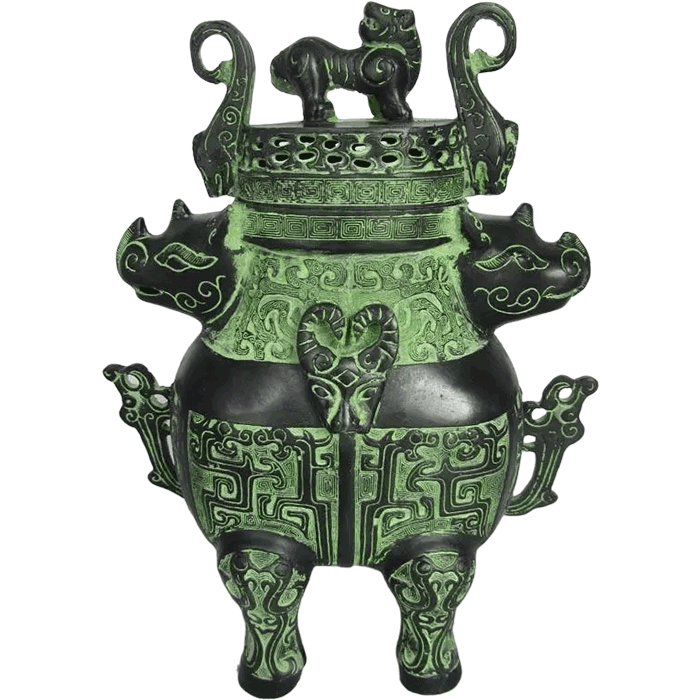
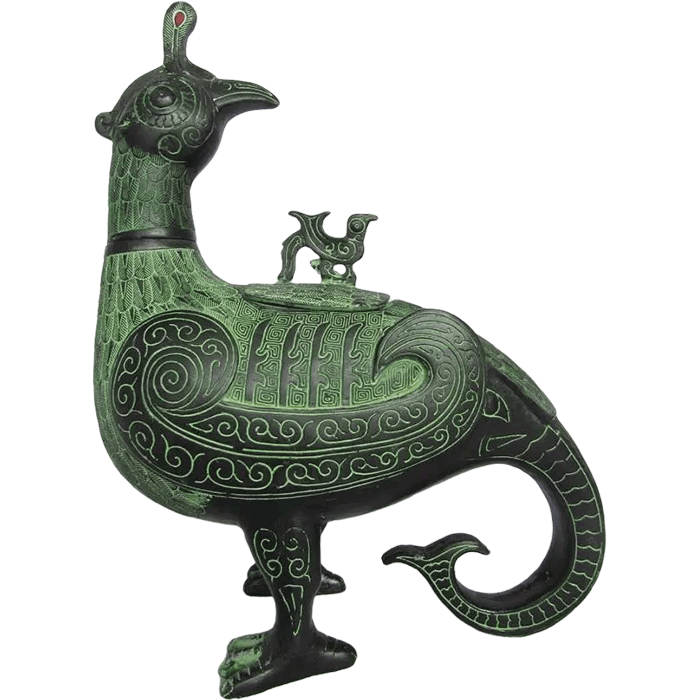
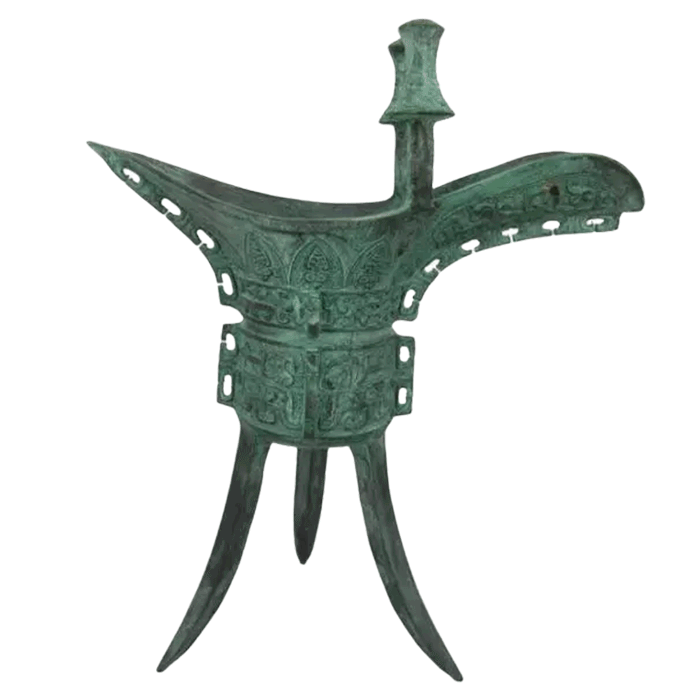
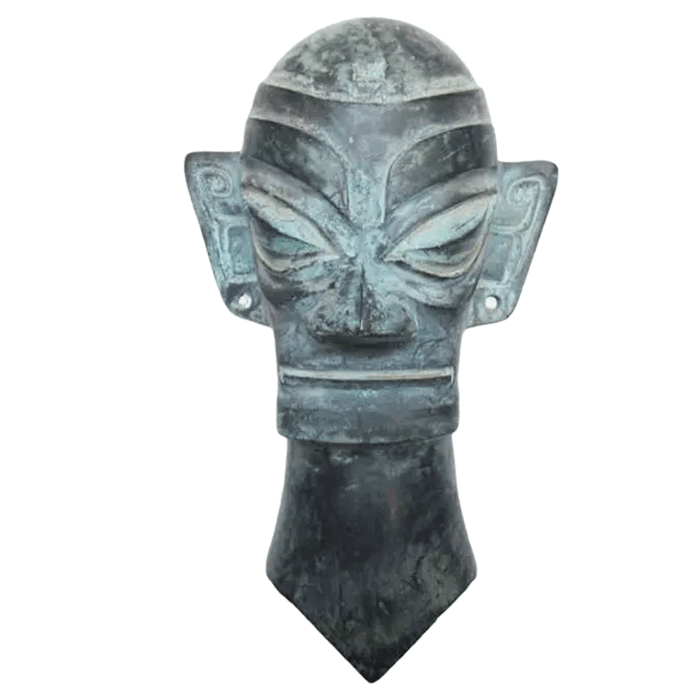
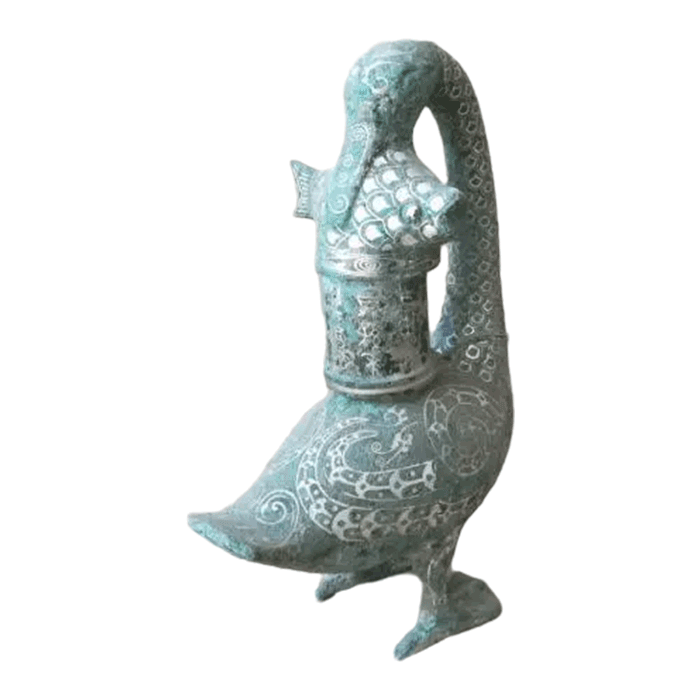
The intricate motifs adorning ancient bronze artworks are more than mere decoration; they are a visual language, conveying the myths, rituals, and cultural identity of past civilizations. From the stylized taotie masks of the Shang Dynasty to the elaborate geometric patterns of the Warring States period, these details are the soul of the artifact. For museums, collectors, and designers seeking to commission high-fidelity replicas, the primary concern is whether a modern foundry can truly capture and preserve this artistic essence. The challenge lies not just in replicating the form, but in retaining the sharpness, depth, and spirit of every line and curve.
At Luoyang Yichuan Bronze Craft Co., Ltd., we understand that the success of a reproduction hinges on its details. Through a meticulous synthesis of traditional techniques and modern quality control, we provide a definitive solution for reproducing historically significant metalwork. The process of custom ancient bronze casting is an exacting discipline, one that transforms raw metal into a faithful echo of history. This article explores the specific methods our master craftsmen employ to ensure every motif, from the boldest design to the most subtle surface texture, is preserved with unparalleled accuracy.
The Foundation of Fidelity: The Lost-Wax Casting Method
The key to achieving high-resolution detail in bronze sculpture lies in a technique that is itself ancient: the lost-wax method, or cire perdue. This multi-stage process is prized for its ability to capture complex shapes and delicate surface textures that other casting methods might obscure. Each step is a critical link in a chain of precision, ensuring the final metal form is a perfect translation of the artist's initial vision. As an ISO 9001 certified manufacturer, we have refined this process to guarantee consistent, high-quality results across every project, from a single prototype to a large production run.
Step 1: The Original Model and Silicone Mold
Everything begins with a master model. This can be an original sculpture crafted from clay, wax, or wood by an artist, or a high-resolution 3D print for perfect digital accuracy. For historical reproductions, this model must be an exact counterpart of the original artifact. Once the master model is perfected, a flexible silicone mold is created around it. The silicone is chosen for its ability to capture microscopic details—every tool mark, every subtle undulation. This negative mold becomes the master template for all subsequent reproductions, ensuring that the foundational details are locked in from the very start.
Step 2: The Wax Pattern and Detail Refinement
Molten wax is poured into the silicone mold and allowed to cool, creating a hollow, positive replica of the original model. This wax pattern is where the first stage of artisan intervention occurs. Our skilled craftsmen carefully inspect the wax, removing any seam lines from the mold and refining the details by hand. This is a crucial step for motifs; a craftsman can use heated tools to sharpen the edge of a pattern, deepen a groove, or perfect the texture of a surface. This hands-on refinement ensures that details that might be subtly softened during molding are restored to their intended crispness before the casting process proceeds.
Step 3: The Ceramic Shell and Burnout
The finished wax pattern is then dipped into a ceramic slurry, a liquid mixture of refractory materials. After the initial coat, it is dusted with fine silica sand and allowed to dry. This process is repeated multiple times, with progressively coarser grades of sand, to build a thick, durable ceramic shell around the wax. This shell is the final, heat-resistant mold. Its interior surface is a perfect negative impression of the wax pattern's intricate motifs.
Once the shell is fully cured, it is placed in a kiln. The intense heat serves two purposes: it hardens the ceramic into a rock-solid mold, and it melts, or "loses," the wax inside, which drains out through strategically placed channels. This leaves a hollow cavity that is an exact, highly detailed inverse of the intended bronze sculpture. The integrity of the motifs is now held within the inner walls of this ceramic shell.
Step 4: The Bronze Pour
The hollow ceramic shell is preheated to reduce the thermal shock of the molten metal. We use a premium bronze alloy (Cu-Sn) heated to over 1,200°C. The glowing, liquid metal is carefully poured into the shell, filling every minute crevice and cavity. It is this moment that permanently transfers the intricate motifs from the shell's interior to the metal. The careful control of alloy composition and pouring temperature is vital to prevent bubbles or incomplete fills, which could obliterate fine details.
The Artisan's Touch: Hand Chasing and Surface Finishing
A bronze sculpture emerging from its ceramic shell is not yet a finished work of art. The casting process leaves behind sprues (the channels where the metal was poured) and a raw surface texture. The transformation from a rough casting into a masterpiece of detail relies on the skilled hands of our finishing artisans. With over 30 craftsmen, including master chasers and polishers, our workshop is dedicated to this critical post-casting phase.
Chasing: Bringing Details into Sharp Focus
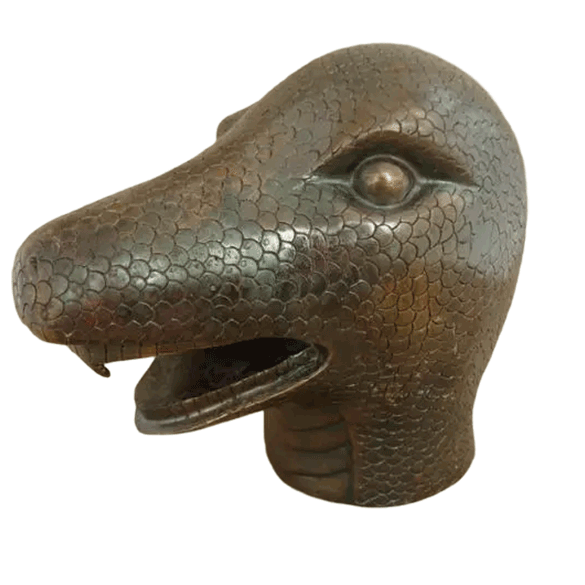
Chasing is the art of refining the metal surface using specialized hand tools like chisels, punches, and hammers. It is not a process of removing material, but of pushing and shaping the metal to sharpen lines, define edges, and enhance textures. For a historical replica, this is where the motifs truly come to life. An artisan will meticulously work across the entire surface, ensuring the lines of an inscription are clear, the scales of a dragon are distinct, and the eyes of a taotie are imbued with intensity. This process cannot be automated; it requires an artist's eye and a deep understanding of how ancient bronzes were originally finished. This hands-on expertise is central to our ability to produce exact replications of antique pieces.
Polishing and Texturing
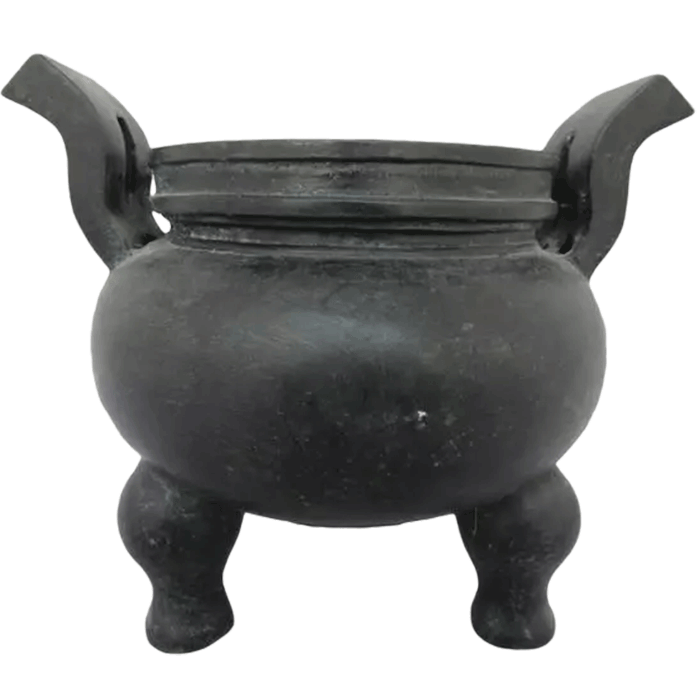
Following the chasing process, the piece is polished. The level of polish is carefully selected to match the desired aesthetic. Some designs, particularly those meant to replicate excavated artifacts, may require a subtle, matte finish that allows the patina to be the primary visual feature. Others, such as modern interpretations or decorative pieces, might be polished to a brilliant, mirror-like shine that highlights the form and catches the light. Our artisans can also recreate specific surface textures, from the smooth feel of a ritual vessel to the rougher, more organic finish of a figurative statue. This control over the final surface look is essential for matching a client's specific design requirements.
Achieving Authenticity: The Science and Art of Patination
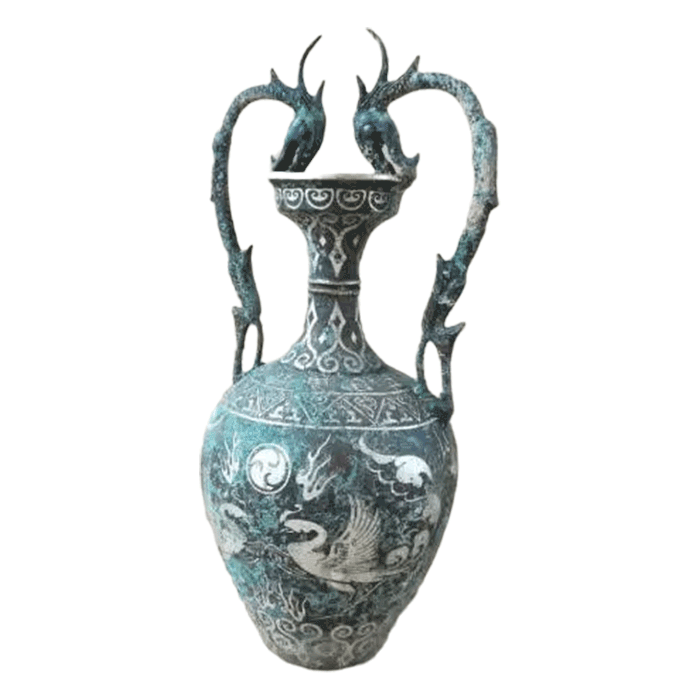
Perhaps the most defining characteristic of an ancient bronze is its patina—the colored layer that forms on its surface over centuries of exposure to the elements. For B2B clients, one of the most significant challenges in sourcing replicas is achieving a consistent and authentic-looking patina. We have made solving this pain point a core competency, combining chemical knowledge with artistic application to create finishes that are both beautiful and historically convincing.
A patina is created by applying specific chemical compounds to the bronze surface and then using heat, typically from a torch, to accelerate and control the reaction. Different chemicals produce different colors:
- Ferric Nitrate: Creates rich reddish-brown tones.
- Cupric Nitrate: Produces the classic blue-green colors often associated with archaeological pieces.
- Liver of Sulphur: Yields a range of dark browns and blacks.
Our patina masters layer these chemicals, applying them with brushes, sponges, and sprays to build up complex and nuanced colors. This allows us to replicate the mottled, multi-hued appearance of a naturally aged artifact or to create a uniform finish for a set of bronze decorations. This precise control ensures we can consistently match an approved color sample across an entire production run, guaranteeing uniformity for our clients.
Quality Control and Sourcing Solutions for B2B Clients
Delivering a technically perfect product requires more than just skilled craftsmanship; it demands a robust framework of quality assurance and logistical expertise. At Luoyang Yichuan Bronze Craft Co., Ltd., we have built our operations to address the specific needs of international B2B buyers, ensuring a seamless and reliable sourcing experience from initial design to final delivery.
Our production facility, covering 3,000 square meters, is not only home to our artisans but also to our rigorous quality management system, which is ISO 9001 certified. This certification reflects our commitment to standardized processes that deliver predictable, high-quality outcomes. Before any piece leaves our workshop, it undergoes a final, thorough inspection. We check for any casting defects, verify that the chasing and finishing meet the project's specifications, and ensure the patina color and application are an exact match to the approved standard. We stand by our work, offering free replacement for any pieces with casting defects.
We specialize in solving common sourcing pain points:
- Exact Replication: Our mastery of the lost-wax process and hand-chasing allows for the faithful reproduction of even the most complex chinese bronze handicrafts.
- Patina Consistency: We provide reliable color matching for large orders, ensuring uniformity across every piece.
- Safe Transit: We have developed export-compliant protective packaging specifically designed to shield fragile and high-value sculptures during international shipping, guaranteeing they arrive in perfect condition.
With an annual output of over 50,000 pieces and a flexible Minimum Order Quantity (MOQ) starting from just one piece for custom works, we are equipped to handle projects of any scale. Whether you are commissioning a single museum-quality prototype or a large batch of decorative art, our team provides the expertise and production capacity to meet your needs.
The art of custom ancient bronze casting is a commitment to history and a testament to enduring craftsmanship. It is a process where tradition informs technology and where an artisan's hand brings the past into the present. By integrating the precision of the lost-wax method with the irreplaceable skill of our master finishers, we ensure that the powerful motifs of antiquity are not just copied, but truly preserved for a new generation. If your project demands uncompromising detail and historical authenticity, we invite you to customize a bronze sculpture from sculpmart.com and discover the difference that expert casting can make.