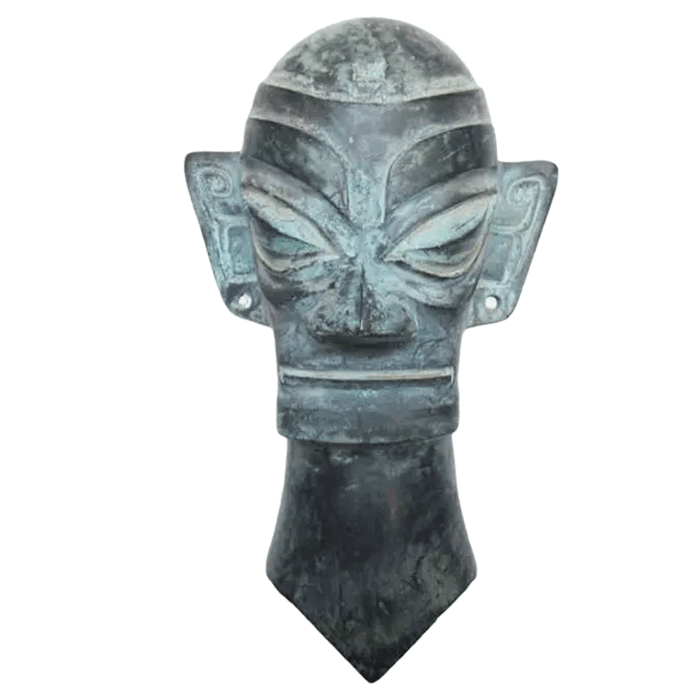
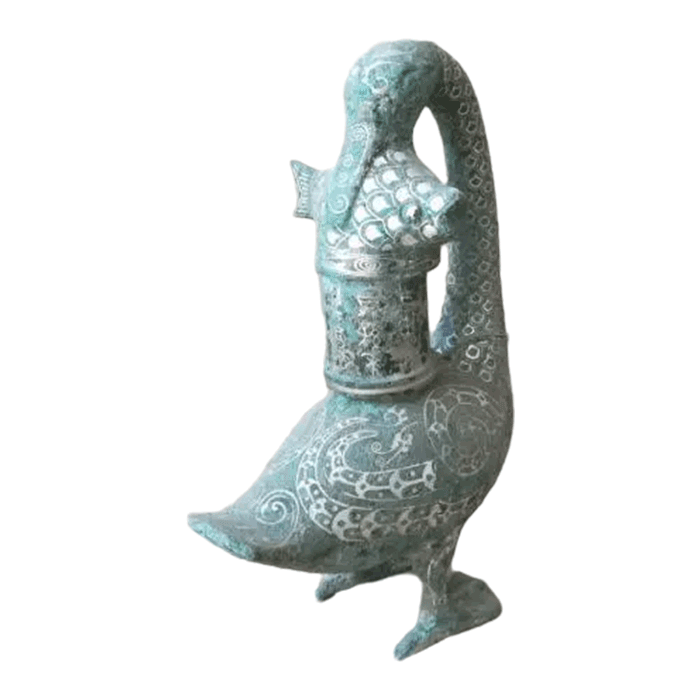
Custom Ancient Bronze Casting: Patina Testing FAQs
Custom Ancient Bronze Casting Depends on Reliable Patina Testing to Match the Exact Aged Finish a Buyer Specifies
Buyers who commission replica bronzes, decorative vessels, or Buddhist statues often discover that the hardest part of a project is not the casting itself but the finish. A sculpture can be cast with perfect proportions and still fail inspection if the patina color, texture, or durability does not match the sample or reference photo submitted at quotation stage. This article answers the most common questions buyers raise during mid-stage evaluation, before committing to a full production run, so that expectations around color, testing, and quality control are set correctly from the start.
Why Patina Mismatches Happen in Bronze Reproduction Work
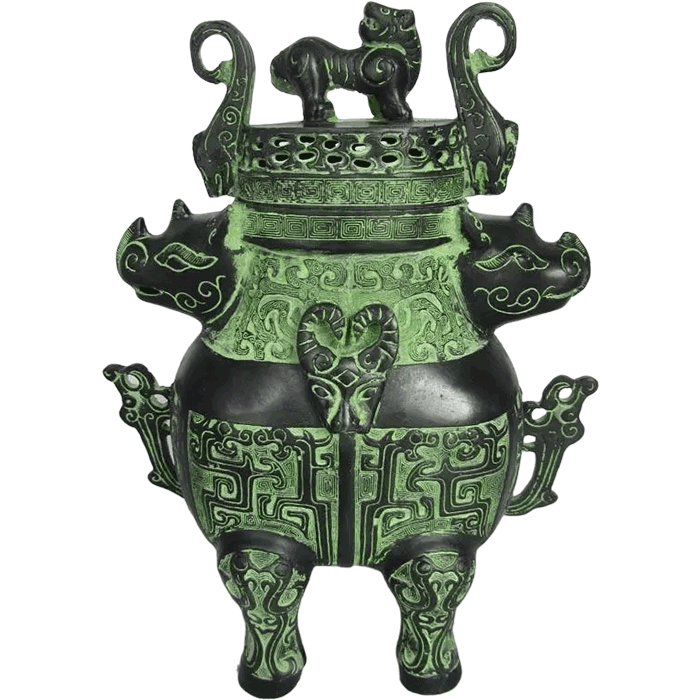
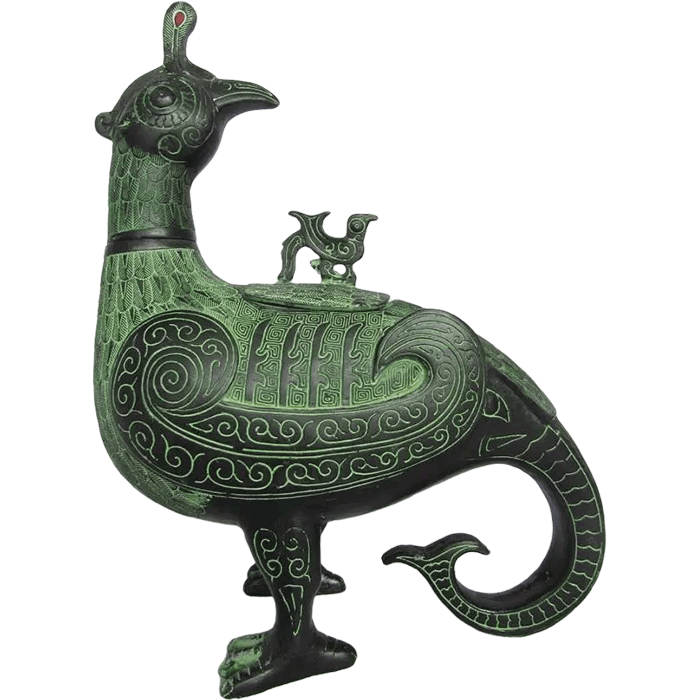
Patina is a chemical reaction on the surface of a copper-tin alloy, not a paint layer. Because it depends on alloy composition, chemical treatment, temperature, and even humidity during application, two workshops using "the same" formula can produce visibly different results. This is one of the core sourcing pain points for buyers who need consistent color matching across a batch, or who need a new piece to visually match an existing antique or a previously delivered order.
Common Causes of Inconsistent Aging Effects
- Variation in bronze alloy ratio (Cu-Sn content) between batches
- Different chemical patina recipes used for antique versus modern finishes
- Inconsistent surface preparation before chasing and polishing
- Lack of a physical reference sample approved before mass production
Working with a supplier that casts using the traditional lost-wax method and controls alloy composition in-house reduces this risk considerably, since the base metal itself behaves predictably under patina chemicals.
What a Patina Test Sample Should Include
Before any custom ancient bronze casting order moves to bulk production, a responsible workshop will offer a physical test sample — not just a photo — for the buyer's sign-off. A proper sample package typically covers:
Elements of a Complete Test Sample
- A small cast panel or miniature piece using the same alloy specified for the order
- The exact patina formula and application method intended for full production
- Documentation of curing time and any protective wax or lacquer sealant applied
- Side-by-side comparison photos taken in neutral daylight, not studio lighting
Buyers evaluating multiple suppliers should ask specifically whether the sample was produced on the same alloy grade as the final order. A patina applied to a different Cu-Sn ratio can shift color noticeably once scaled to production, even if the chemical process is identical.
Frequently Asked Questions on Patina Testing
Can patina color be matched exactly to an antique reference piece?
Close matching is achievable, but "exact" replication depends on how much reference data is available — surface texture, wear pattern, and undertone all matter. Skilled finishing artisans typically build up patina in layers, checking color against the reference at each stage rather than applying a single treatment and hoping for a match. For buyers researching how aging techniques evolved, this evolution of bronze culture over 2000 years resource offers useful background on why regional and period styles produce different natural patina tones.
How long does a patina test take before full production can start?
Timelines vary by finish complexity. A single antique brown or green patina sample can often be completed within a few days, while multi-layer finishes that mimic centuries of natural oxidation require additional curing and inspection cycles. Buyers with fixed shipping deadlines should request the sample lead time in writing before confirming the production schedule.
Will the patina hold up during export shipping and long-term display?
Patina durability depends heavily on whether a protective sealant — usually a museum-grade wax or clear lacquer — is applied after coloring. Export-compliant packaging also plays a role, since fragile surface finishes can scuff or discolor if a sculpture shifts during transit. Reputable suppliers pack each piece individually with cushioning designed for bronze surfaces, not generic foam that can trap moisture.
What happens if the delivered batch doesn't match the approved sample?
This is where quality inspection before shipment matters most. Every piece should be checked against the approved sample under consistent lighting before it leaves the workshop. If a casting defect or color deviation is found, a supplier with a clear after-sales policy will offer free replacement or on-site correction rather than shipping a mismatched batch and leaving the buyer to resolve it after arrival.
Can the same patina formula be used across different bronze products?
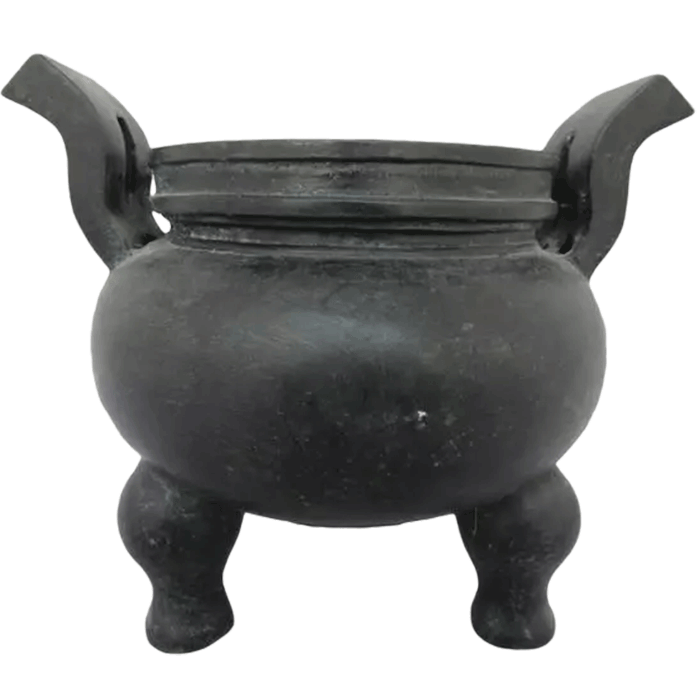
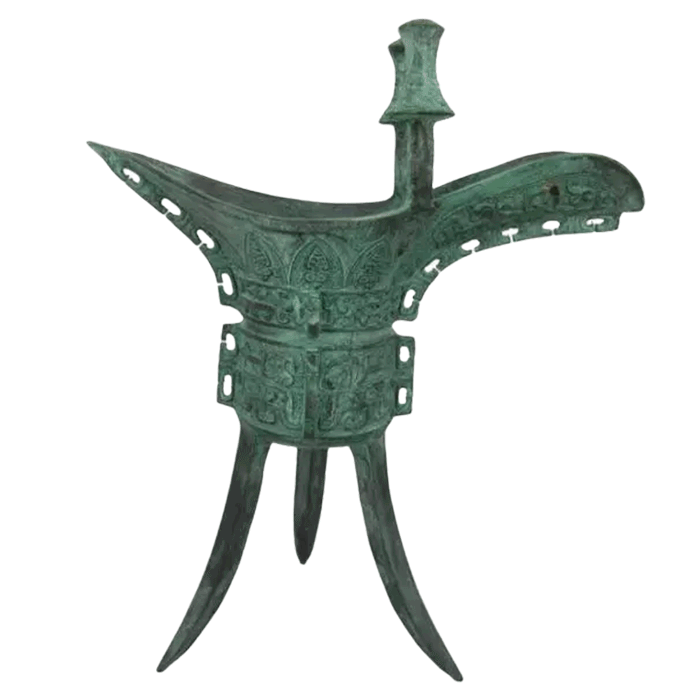
Not always. A formula that produces an even antique green on a flat vessel surface, such as a zun or hu vase, may behave differently on a sculpture with fine detail, deep undercuts, or textured hair and drapery. Buyers ordering across multiple product categories — for example bronze statues with different themes alongside vessels — should request separate test samples for each product type rather than assuming one approval covers everything.
How to Reduce Risk Before Committing to a Production Run
Mid-stage buyers — those who have already narrowed down a supplier but haven't placed a deposit — are in the best position to prevent finish mismatches. A few practical steps make a measurable difference:
Checklist Before Approving Bulk Production
- Request a physical patina sample cast from the same alloy batch planned for production
- Confirm whether the finish is chemical patina, hand-applied pigment, or a combination
- Ask for photos taken in both indoor and outdoor lighting conditions
- Clarify the sealant or wax coating used, and whether it affects long-term color stability
- Get the inspection and replacement policy in writing before the deposit is paid
For buyers still comparing overall craftsmanship rather than just finish, reviewing a supplier's full range of chinese bronze sculpture work — including vessels, mirrors, and incense burners — gives a broader sense of how consistently their finishing team handles different surface textures. It's also worth asking how a supplier approaches fully bespoke commissions; details on the customize a bronze sculpture process often reveal whether sampling and approval steps are built into their standard workflow or offered only on request.
Antique Versus Modern Patina: Setting the Right Expectations
Not every custom order calls for an aged look. Some buyers want a bright, modern bronze finish for contemporary decor, while others need historically accurate coloring for museum reproductions or religious statues. It helps to be specific about which category applies:
Antique-Style Finishes
These aim to replicate the look of bronze that has aged naturally over centuries — mottled greens, browns, and blacks with uneven texture. Reference pieces from archaeological finds are often used as color guides, and buyers researching this area may find background in articles covering pieces like the Houmuwu square cauldron useful for understanding how oxidation patterns form naturally on large ritual vessels.
Modern-Style Finishes
These preserve more of the bronze's natural warm tone, sometimes with a light protective lacquer rather than heavy chemical coloring. Modern finishes are generally faster to test and more consistent across a batch, since they involve fewer variable layers.
Buyers should decide early which category their project falls into, since mixing expectations — for example, requesting "antique color" but "uniform, spot-free coverage" — can create conflicting instructions that are difficult for any workshop to satisfy simultaneously.
Final Considerations for Buyers Evaluating Suppliers
Patina testing is not a formality; it is the stage where most custom ancient bronze casting projects either get confirmed with confidence or run into costly rework. Buyers who insist on a physical sample matched to the actual production alloy, who confirm sealant and inspection procedures in writing, and who separate expectations for antique versus modern finishes tend to avoid the majority of disputes that arise after delivery. A workshop producing tens of thousands of pieces annually across sculptures, vessels, and religious statuary should be able to walk through this testing process clearly and provide documentation at every step — not just a verbal assurance that "the color will match."
Before finalizing any order, it is worth reviewing how a supplier documents its casting and finishing standards, including ISO-certified quality management practices and export packaging procedures for fragile surface finishes. Buyers who take the time to request and approve a proper patina sample — rather than relying on catalog photos alone — consistently report fewer surprises when the finished pieces arrive.