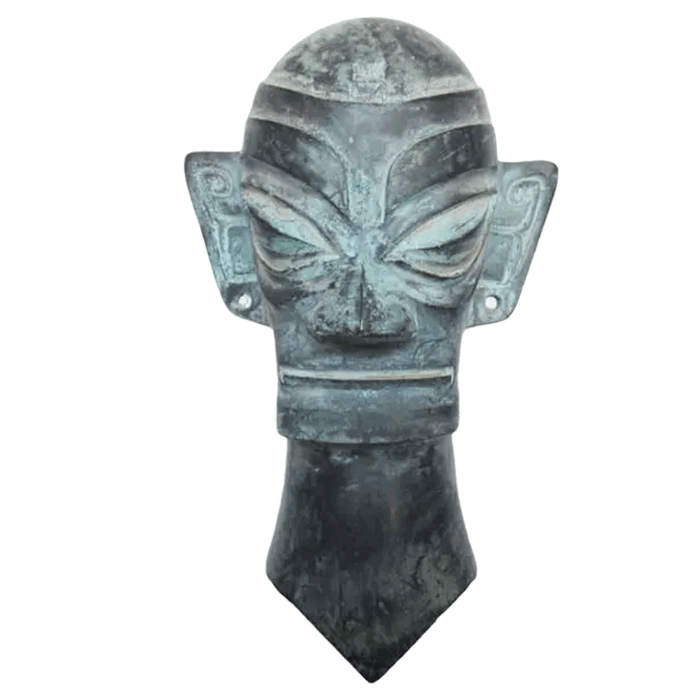
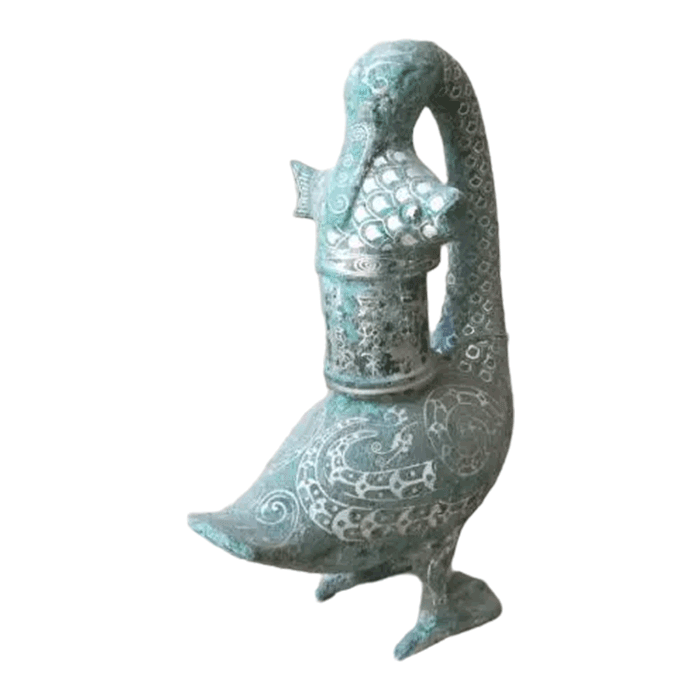
Custom Ancient Bronze Casting: How Fine Details Are Kept
How Custom Ancient Bronze Casting Preserves the Finest Artistic Details
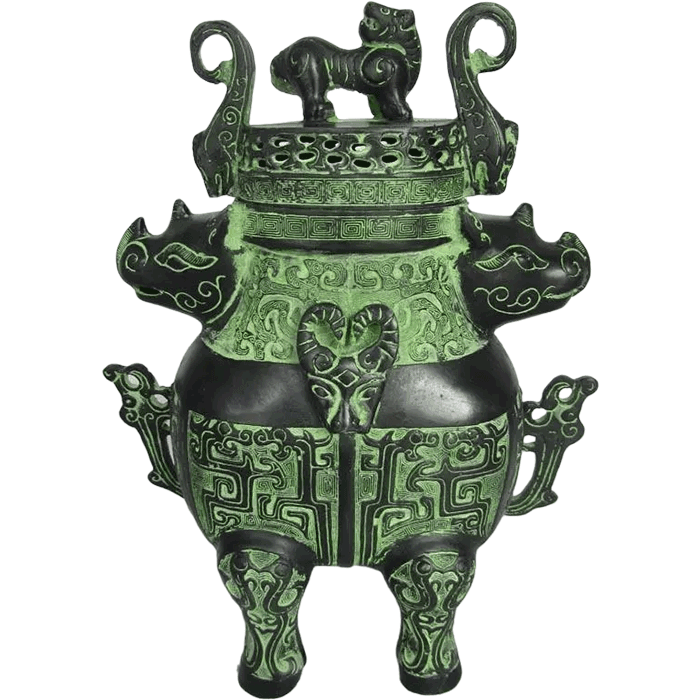
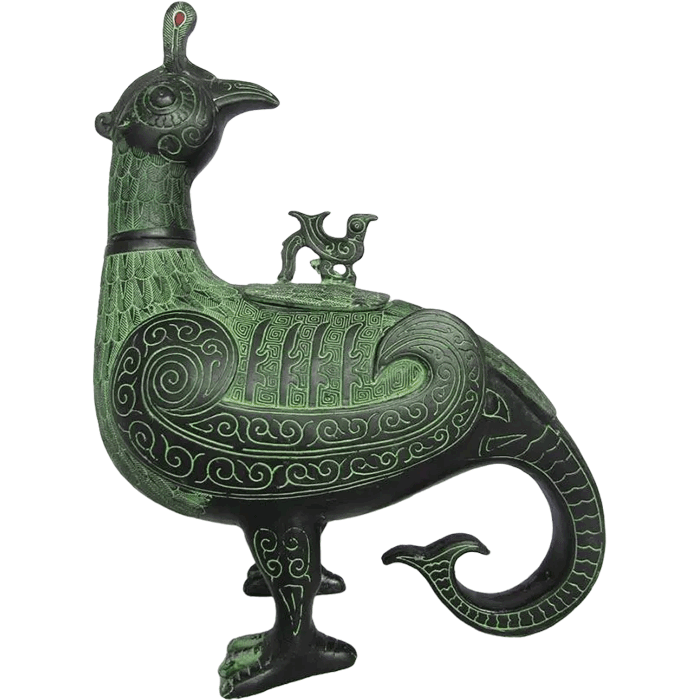
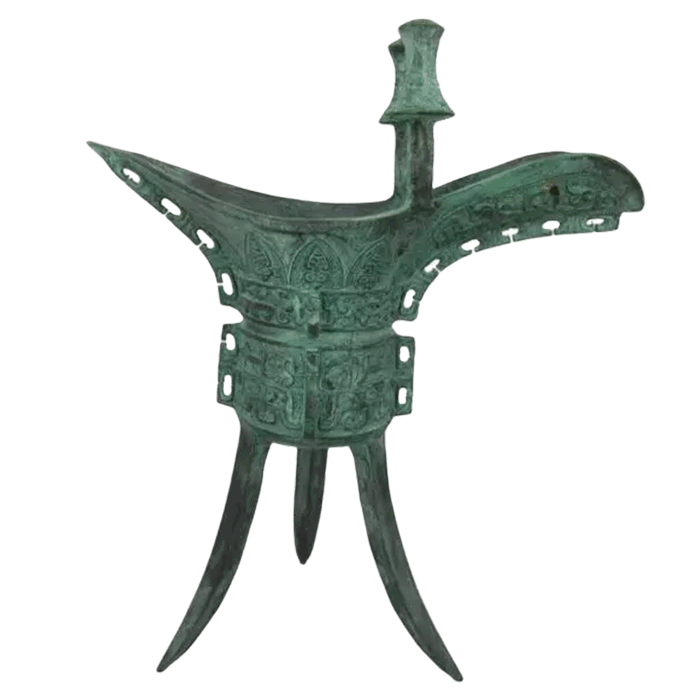
Ancient bronze artifacts captivate us with their intricate patterns, delicate inscriptions, and lifelike textures that have survived millennia. For museums, designers, and collectors, the ultimate challenge is replicating this level of detail with absolute fidelity. How can a process involving molten metal at over 1,000°C capture the subtle groove of a fingerprint on a clay model or the fine feathering on a bird's wing? The answer lies in a combination of ancient techniques, modern material science, and uncompromising craftsmanship. The success of custom ancient bronze casting hinges on a meticulous, multi-stage process where every step is designed to preserve the integrity of the original vision.
This deep dive explores the methods professional foundries employ to ensure that not a single detail is lost between the artist's initial concept and the final, gleaming bronze artwork. We will break down the foundational lost-wax method, examine the critical role of material choice, and highlight the indispensable human touch that elevates a simple casting into a masterpiece. Understanding this process is key for any professional sourcing high-fidelity bronze reproductions, as it reveals where quality is truly forged and why expertise is paramount.
The Foundation of Detail: The Lost-Wax Casting Method
The primary technique for achieving high-resolution detail in bronze is the lost-wax method, also known by its French name, cire perdue. This process has been used for thousands of years, yet it remains the gold standard for fine art casting. Its strength lies in its ability to create a perfect, seamless mold around even the most complex shapes. Here’s how it transforms an original model into a timeless metal object.
Step 1: The Master Model and Silicone Mold
Everything begins with the master model. This is the original, positive form of the sculpture, created from materials like clay, wax, wood, or even a high-resolution 3D print. At this stage, the artist or designer perfects every detail, as any texture or line on this model will be transferred to the final bronze. Once the master model is complete, a flexible silicone rubber mold is created around it. The silicone is brushed or poured on in layers, capturing every microscopic nuance of the surface. This pliability is crucial, as it allows the mold to be removed from the master model without damaging undercuts or delicate features.
Step 2: Creating the Wax Positive
The flexible silicone mold now serves as a negative cavity. Molten, high-grade casting wax is poured into this mold and swirled around to create a thin, uniform coating on the interior surface. The excess is poured out, leaving a hollow wax replica that is a perfect positive of the original master model. This wax copy is where the first stage of refinement occurs. Artisans inspect the wax, correct any minor air bubbles, and can even re-scribe fine lines to ensure they are crisp and clear. The hollow nature of the wax model also reduces the weight and amount of bronze needed for the final sculpture.

Step 3: The Ceramic Shell Investment
The wax positive is then fitted with a network of wax rods, known as sprues and gates. These will later serve as channels for the molten bronze to flow in and for air to escape. The entire wax assembly is then dipped into a vat of fine ceramic slurry, a liquid mixture resembling thin clay. After the first coat, it is dusted with a very fine silica sand. This initial layer is the most critical for capturing detail, as its fine particles settle into every crevice of the wax model. The process is repeated multiple times, with progressively coarser ceramic material used for subsequent layers to build strength. The result is a thick, durable ceramic shell encasing the wax model. This meticulous process is managed in-house within our 3,000-square-meter production facility, ensuring quality control at every stage.
Step 4: The Burnout (The "Lost Wax")
Once the ceramic shell has fully cured and hardened, it is placed in a kiln or autoclave. The high heat serves two purposes. First, it melts and burns out all the wax from inside the shell, which flows out through the gating system—this is where the name "lost wax" comes from. Second, the heat vitrifies the ceramic, firing it into a hard, porous, and heat-resistant mold. What remains is a perfect, hollow negative impression of the sculpture, ready to receive the molten bronze.
Material Science and Its Impact on Fidelity
The casting method alone isn't enough; the material itself plays a vital role. The choice of bronze alloy and the technical control over the pouring process are instrumental in achieving a flawless, detailed cast.
The fluidity of molten metal is paramount. A high-quality bronze alloy, such as the premium Cu-Sn (copper-tin) formulation we use, is engineered for excellent flow characteristics. When heated to the correct temperature, it becomes highly fluid, allowing it to travel through the narrowest channels of the ceramic mold and fill the most intricate details before it begins to cool and solidify. Inferior alloys or improper temperature control can result in a viscous pour, leading to incomplete fills, soft details, and surface defects. For those interested in the specifics, understanding the difference between bronze and brass and other copper alloys can illuminate why bronze is superior for fine art applications.
The pour itself is a moment of high technical precision. The ceramic shell mold, pre-heated to reduce thermal shock, is secured, and the molten bronze is poured in a steady, controlled stream. This prevents turbulence and the introduction of air bubbles, which could become trapped and create voids in the final casting. The rate of cooling is also managed to prevent stress fractures or warping, ensuring the final piece is both detailed and structurally sound.
The Human Element: Craftsmanship in Chasing and Finishing
Once the bronze has cooled, the ceramic shell is carefully broken and chipped away, revealing the raw bronze casting. This piece will have the sprues and gates still attached and may have a rough surface texture from the mold. It is here that the true artistry of the craftspeople becomes evident. This is not the end of the process, but the beginning of the crucial finishing stage.
The meticulous work of "chasing" begins. Using a variety of hand tools like chisels, files, and hammers, artisans carefully cut off the sprues and meticulously re-work the surface of the bronze. They sharpen lines that may have been slightly softened during casting, smooth surfaces, and enhance textures to perfectly match the original model. This is a painstaking, non-negotiable step for high-end reproductions. It is this level of hands-on expertise, delivered by our team of over 30 skilled craftsmen, including master casters and finishing artisans, that breathes life into the metal. These experts can replicate the tool marks of ancient artisans or create a flawlessly smooth modern finish, depending on the project's requirements. This level of detail is a hallmark of high-quality custom ancient bronze casting.
Following chasing, the sculpture is polished or textured. Different areas can be treated with various techniques to create visual contrast and depth. A high polish can make a surface gleam, while sandblasting or wire brushing can create a matte finish. This selective finishing directs the viewer's eye and accentuates the sculpture's most important details. A wide variety of chinese bronze sculpture showcases these diverse finishing techniques.
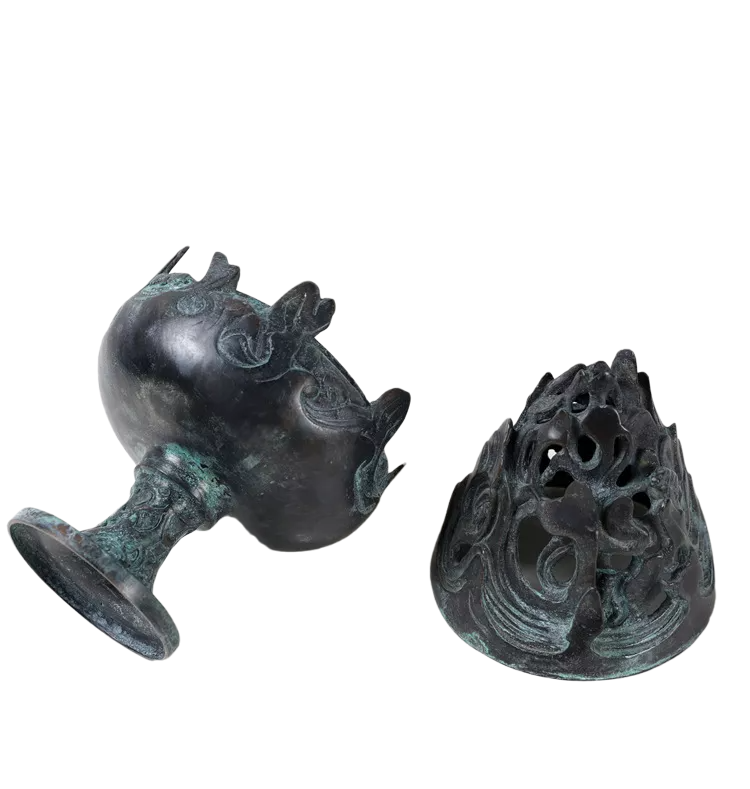
Achieving Authentic Patinas: The Final Layer of Detail
The final surface color of a bronze sculpture, its patina, is not paint. It is a controlled chemical reaction induced on the metal's surface. The patina is the final, crucial layer of detail, giving the piece its character, sense of age, and emotional depth. For historical reproductions, achieving the correct patina is as important as casting the form accurately.
The patination process is an art form. Artisans apply a variety of chemical compounds to the bronze surface, often while heating the metal with a torch. The heat accelerates the chemical reaction, allowing the craftsman to control the development of colors—from traditional browns and blacks to the iconic greens and blues of aged copper alloys. Layering different chemicals can create mottled, complex surfaces that mimic centuries of natural aging.
One of the most significant challenges in sourcing custom bronze is achieving consistent patina color matching, especially across a series or collection. This requires precise formulas, consistent application techniques, and a deep understanding of how the chemicals react with the specific bronze alloy. A professional foundry solves this pain point by documenting and standardizing its patina formulas, ensuring that the tenth piece in an order matches the first. Whether you need to customize a bronze sculpture from sculpmart.com to look like a freshly unearthed artifact or a sleek, modern statue, the patina is the key to the final aesthetic.
Quality Assurance for Flawless Replication
Preserving fine detail throughout the custom ancient bronze casting process requires a rigorous commitment to quality at every step. This commitment is formalized through systems and guarantees that protect the client's investment and vision.
A foundry operating under an ISO 9001 quality management system, for instance, demonstrates a structured, repeatable approach to maintaining high standards. This involves inspections at each critical phase: verification of the master model, inspection of the wax positive, post-casting analysis for flaws, and final review after finishing and patination. Every shipment is preceded by a final quality inspection to ensure it meets export standards and client specifications.
This quality-first approach extends to client-facing guarantees. Offering a free replacement for any casting defects provides peace of mind and underscores a company's confidence in its process. Furthermore, the work isn't done once the piece ships. The finest detail is worthless if it is damaged in transit. Using export-compliant, protective packaging designed for fragile and heavy artworks ensures the piece arrives in pristine condition. This comprehensive quality control makes high-fidelity casting accessible for any project, from a single custom prototype (with an MOQ from one piece) to large-scale production runs.
In summary, the art of custom ancient bronze casting is a testament to how an ancient process, when augmented by modern science and expert hands, can achieve breathtaking precision. The preservation of fine detail is not a result of a single step, but the culmination of a meticulous workflow where the lost-wax method provides the foundation, superior materials ensure fidelity, and masterful artisans provide the soul. It is this synergy that allows the spirit of an ancient masterpiece to be reborn in bronze.