Creating Calm: Asian Style Office Decor for Modern Workplaces
How Thoughtful Asian Style Office Decor Cultivates Workplace Serenity
In the modern corporate environment, the pursuit of productivity is often accompanied by rising levels of stress and digital fatigue. The office, a space where focus and collaboration are paramount, can inadvertently become a source of sensory overload. In response, designers and business leaders are increasingly turning to principles that prioritize employee well-being. More than a fleeting trend, Asian style office decor offers a profound and time-tested framework for creating environments that are not only aesthetically pleasing but also inherently calming and conducive to deep work.
This design philosophy moves beyond mere decoration. It is an intentional practice of curating a space that fosters balance, clarity, and a connection to the natural world. By embracing concepts of minimalism, harmony, and authentic craftsmanship, you can transform a standard office into a sanctuary of focus and tranquility, ultimately supporting the mental health and performance of your team. This exploration delves into the core principles behind this approach and how to implement them effectively, particularly through the thoughtful inclusion of significant, handcrafted art pieces.
The Foundational Principles of Serenity in Asian Design
The calming effect of an Asian-inspired interior is not accidental; it is rooted in centuries-old philosophies that emphasize the relationship between our surroundings and our inner state. Understanding these core tenets is the first step toward creating a workspace that truly nurtures its occupants.
Minimalism and the Power of Uncluttered Space
A central concept in Japanese aesthetics is "Ma" (間), which can be translated as negative space, or the interval between objects. Far from being empty, this space is an active and essential component of the overall composition. In an office setting, this translates to a commitment to minimalism and a rejection of clutter. An uncluttered desk, clear pathways, and simplified storage solutions do more than improve physical organization; they reduce mental noise. When the visual field is calm and orderly, the mind is better able to focus on the task at hand. This principle encourages a "less is more" approach, where every object in the room has a purpose and a place, allowing for mental breathing room and heightened concentration.
A Deep Connection to Nature (Biophilic Design)
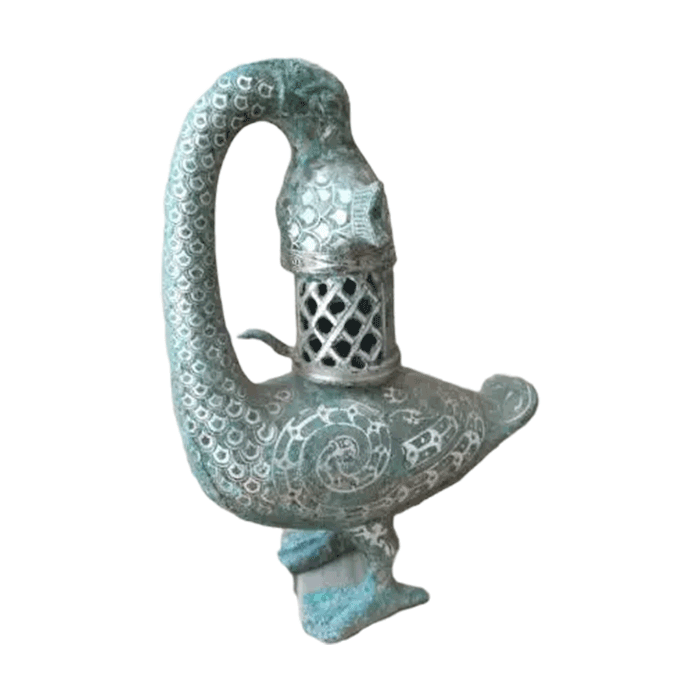
Biophilia, the innate human tendency to seek connections with nature, is a cornerstone of Asian design. This is achieved by bringing the outside world in. The use of natural materials is fundamental: furniture made from light-colored woods like bamboo or ash, flooring of stone or natural fibers, and the inclusion of shoji screens made of paper and wood. Living plants, such as bamboo stalks or bonsai trees, are essential for purifying the air and adding a touch of vibrant life. Even the sound of a small, discreet water feature can mask distracting office noise and promote a meditative state. In this context, materials like bronze are also highly valued. As an earth-derived metal alloy, a bronze sculpture or vessel adds a grounding, substantial presence that connects the space to natural elements and the passage of time.
Harmony and Balance Through Strategic Arrangement
Many Asian design philosophies, including Feng Shui, are centered on creating harmony and balance to optimize the flow of energy, or "Chi." While its principles can be complex, the core idea is simple: the arrangement of a room impacts how you feel within it. This involves creating a balanced layout that avoids sharp angles pointing at seating areas, ensuring a clear line of sight to the door from the primary workspace (the "command position"), and using symmetry to create a sense of stability. The balance of opposites—Yin and Yang—is also crucial. This can be expressed through a mix of hard and soft textures (a smooth stone desk with a soft wool rug), light and dark colors, and open and enclosed spaces, resulting in an environment that feels both secure and expansive.
Selecting Key Elements for Your Asian-Inspired Office
With the foundational principles in mind, you can begin selecting the specific elements that will bring your vision to life. The key is intentionality—each choice should contribute to the overall goal of creating a calm and focused atmosphere.
Furniture and Layout
Choose furniture with clean, simple lines and low profiles. This helps create a sense of openness and prevents pieces from visually dominating the room. Natural wood finishes are ideal. Desks, chairs, and shelving should be functional and ergonomic but aesthetically unobtrusive. The layout should facilitate an easy flow of movement and create distinct zones for different activities. For instance, a small, quiet corner with comfortable seating can be designated for reading or reflection, separate from the main work area. This zoning helps manage energy and provides employees with options for different modes of work.
Color Palette and Lighting
The color palette should be drawn from nature. A foundation of neutral, earthy tones—such as beige, cream, soft grey, and off-white—creates a serene backdrop. Accent colors should be used sparingly and deliberately, often reflecting natural elements like the deep green of a forest, the muted blue of a tranquil lake, or the rich red of autumn maple leaves. Lighting plays a critical role. Maximize natural light wherever possible with sheer window coverings. For artificial lighting, opt for a layered approach with soft, diffused ambient light, supplemented by focused task lighting where needed. Avoid harsh, overhead fluorescent lights, which can cause eye strain and agitation.
Art and Sculptural Accents
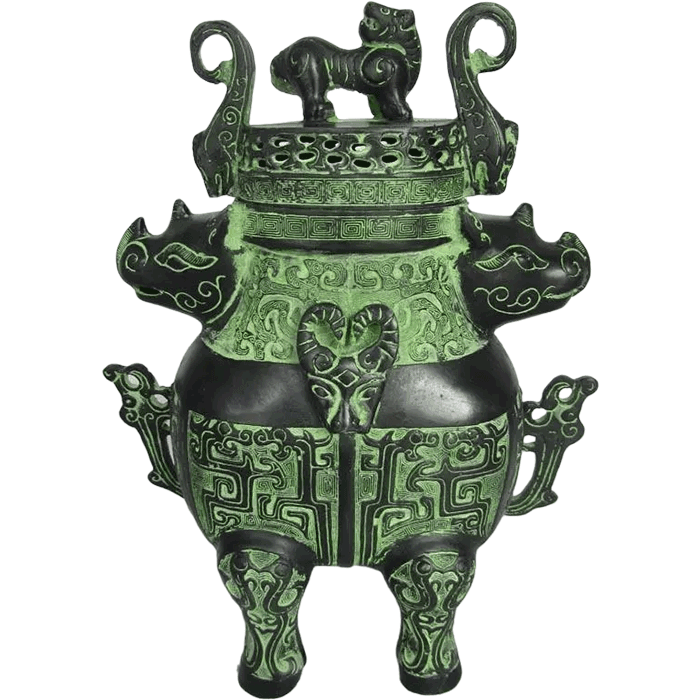
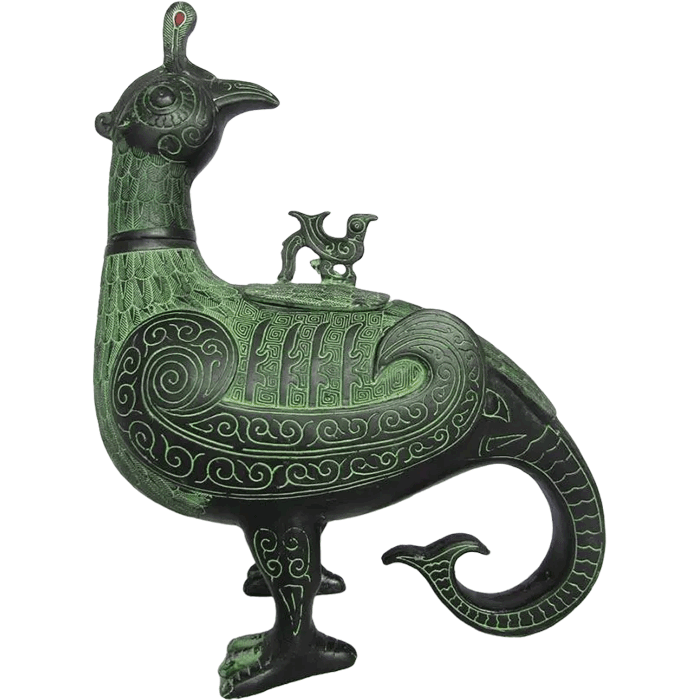
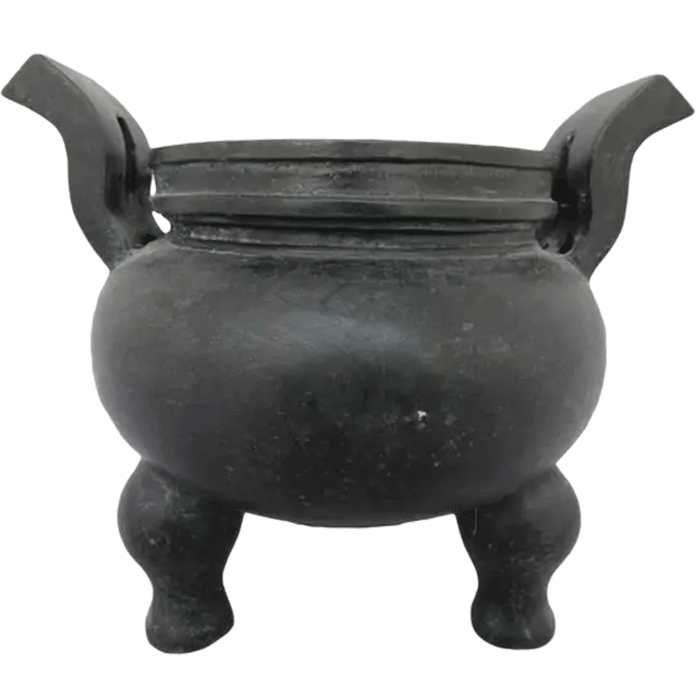
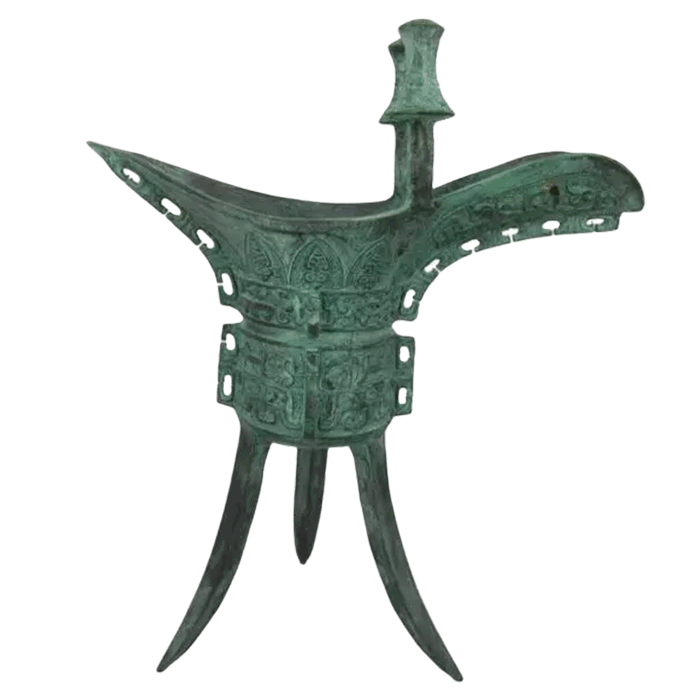
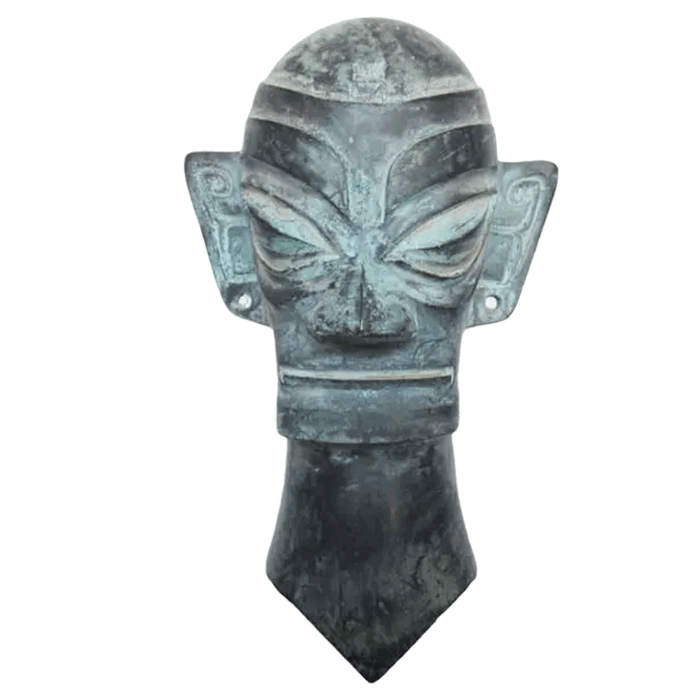
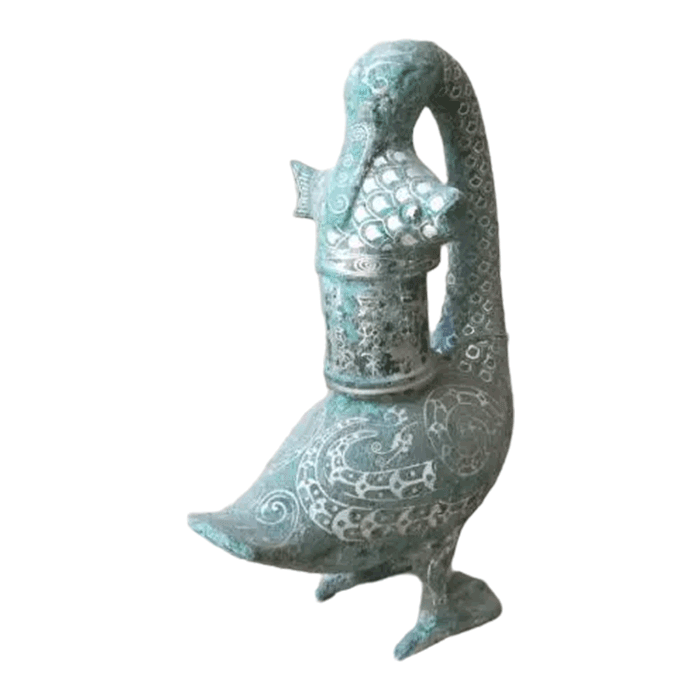
In a minimalist design, a single piece of art can serve as a powerful focal point, anchoring the room and providing a point for quiet contemplation. Instead of filling walls with multiple small items, select one or two significant pieces. A traditional ink wash painting, a simple piece of calligraphy, or a finely crafted sculpture can add immense character. Bronze artworks, with their rich history and tactile appeal, are particularly effective. A chinese bronze sculpture of an animal, for example, can evoke qualities like strength (a horse) or wisdom (an elephant), while a replica of a traditional vessel, such as a *ding* tripod, introduces a sense of history and cultural depth. These pieces are not just decorations; they are conversation starters and sources of inspiration.
The Role of Craftsmanship and Authenticity
To truly capture the essence of this design philosophy, authenticity is paramount. Mass-produced, generic decor items lack the "spirit" or "wabi-sabi" (the appreciation of imperfection and transience) that gives these spaces their unique soul. Handcrafted pieces, on the other hand, carry the story of their creation and the touch of the artisan.
The creation of a high-quality bronze sculpture, for example, is a testament to this principle. At our 3,000-square-meter facility, our thirty-plus skilled craftsmen employ the traditional lost-wax casting method, a meticulous, multi-step process that has been used for millennia. This technique ensures that every curve and detail of the artist's original vision is faithfully captured in the final bronze piece. Following the casting, each sculpture undergoes hand-chasing, polishing, and patina finishing by finishing artisans. This human touch imbues the object with a unique character that cannot be replicated by a machine, making it a genuine work of art.
This commitment to craftsmanship allows for unparalleled customization. For designers seeking a truly unique centerpiece for a corporate headquarters or executive suite, sourcing a custom artwork is the ultimate expression of brand identity. A professional bronze foundry can work with you to develop a piece from scratch, with a flexible minimum order quantity (MOQ) starting from just one piece for custom prototypes. This means you can customize a bronze sculpture from sculpmart.com that is perfectly tailored to your client's space and vision, ensuring the final installation is as unique as their business.
Sourcing High-Quality Bronze Art for Commercial Spaces
For B2B buyers, architects, and interior designers, sourcing art for commercial projects presents a unique set of challenges. Quality, consistency across multiple pieces, durability, and reliable logistics are non-negotiable. When selecting a supplier for significant art installations, it is crucial to partner with a manufacturer that can provide assurances on these fronts.
One of the most important credentials to look for is formal certification. Working with an ISO 9001 certified manufacturer provides peace of mind, as it guarantees that the company adheres to internationally recognized quality management systems. This certification ensures that every stage of production, from material sourcing to final inspection, meets rigorous standards, and that all products comply with export quality inspection requirements for art crafts.
A capable partner also solves common sourcing pain points. For a hotel lobby or corporate campus requiring multiple identical sculptures, consistent patina color matching is essential for a cohesive aesthetic. For delicate or complex pieces, export-compliant protective packaging is critical to ensure the artwork arrives on-site in perfect condition. A reputable supplier will have proven processes for both. Furthermore, look for a company that conducts a thorough quality inspection before every shipment and offers after-sales support, such as a free replacement policy for any casting defects. This level of accountability is the hallmark of a professional and reliable partner in any large-scale design project. By understanding the evolution of bronze culture over 2000 years, a designer can better appreciate the value that such enduring pieces bring to a modern space.
Ultimately, creating a workspace that promotes calm and focus is an investment in your most valuable asset: your people. By integrating the core principles of Asian-inspired design—minimalism, nature, and balance—and choosing authentic, high-quality art and decor, you can craft an environment that not only looks sophisticated but also actively contributes to a more serene, productive, and harmonious workplace culture.