Crafting Shang Dynasty Style Bronze Vessels: A Guide
Discover the intricate craftsmanship behind a Shang Dynasty Style Bronze Vessel.
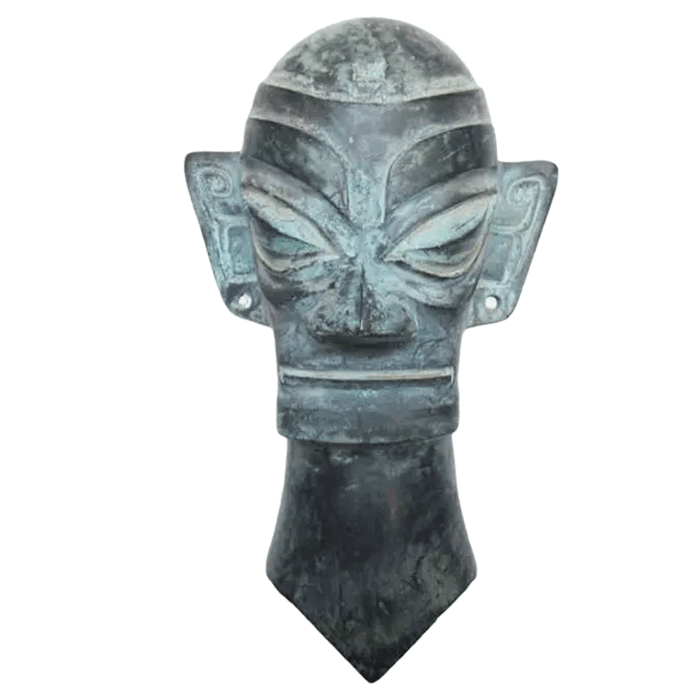
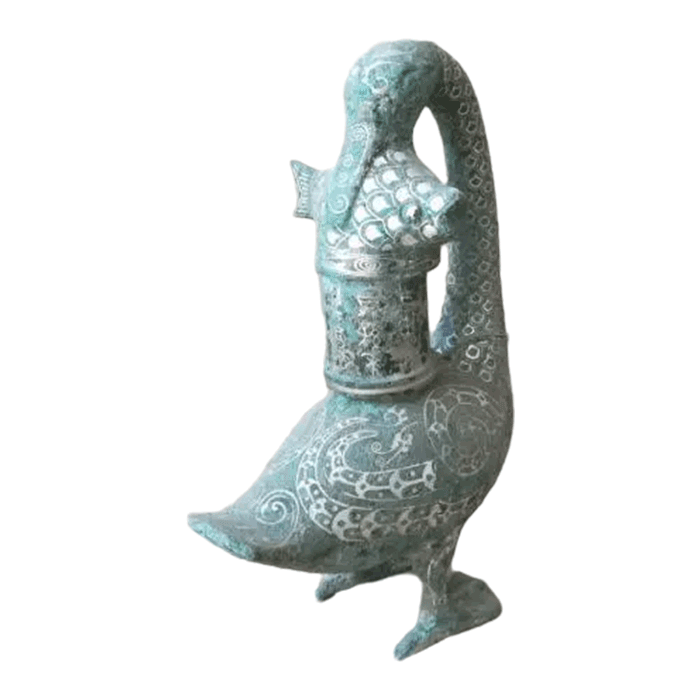
The bronze vessels of the Shang Dynasty (c. 1600–1046 BCE) represent a pinnacle of early metallurgical artistry. Their complex shapes, intricate surface decorations, and sheer monumentality continue to captivate collectors, historians, and designers today. For sourcing managers, museum curators, and interior designers, acquiring a high-fidelity reproduction of these masterpieces requires a deep appreciation of the techniques that first brought them to life. Understanding the original piece-mold casting method is the first step toward specifying and procuring a truly exceptional replica.
While modern foundries like Luoyang Yichuan Bronze Craft Co., Ltd. often employ the precision of the lost-wax method for its versatility and detail, a thorough knowledge of the historical piece-mold process is essential for evaluating the authenticity and quality of any Shang-era reproduction. This guide serves as a comprehensive FAQ for sourcing professionals, demystifying the terminology and techniques behind these iconic artifacts.
Understanding the Piece-Mold Casting Method of Ancient China
The defining technological achievement of the Shang bronze age was the perfection of piece-mold casting. Unlike the lost-wax technique, where a wax model is melted away, this method involved creating a reusable clay mold in multiple sections. This process allowed for the creation of complex, multi-part vessels with sharp, well-defined decoration that was cast directly into the form, rather than being cold-worked afterward. The result was a highly controlled and replicable manufacturing process that enabled the production of ritual vessel sets with remarkable consistency.
The basic workflow was a masterclass in ingenuity and precision. First, a detailed master model of the vessel was created from clay. Next, a layer of fine, damp clay was carefully pressed onto the exterior of the model to capture every detail of the surface decoration. This outer layer was then cut into several precisely fitted sections—or pieces—and removed. After firing these pieces to create a durable ceramic mold, they were reassembled. A central clay core was suspended within the hollow mold, creating a uniform cavity between the core and the outer mold walls. It was into this cavity that molten bronze was poured. The intricacy of this procedure is a testament to the advanced technical skills of Shang artisans and is a key factor in the unique aesthetic of their creations.
Key Terminology for Sourcing Shang-Era Bronze Replicas
When discussing your project requirements with a foundry, using the correct terminology ensures that your vision is accurately translated. Understanding these fundamental components of the piece-mold process will empower you to specify details with clarity and precision.
What is a Model (模, mó)?
The model, or mó, is the master pattern from which the entire mold is formed. In Shang times, this was painstakingly sculpted from fine clay. All the vessel's primary features, including its shape, legs, handles, and intricate surface decorations like the iconic taotie (饕餮) mask or geometric leiwen (雷紋) thunder patterns, were carved in positive relief directly onto this clay model. The quality and sharpness of the final bronze casting were entirely dependent on the precision of this initial model. When sourcing a reproduction, inquiring about the creation of the master pattern—whether digitally sculpted or hand-carved—is crucial to ensuring a high-fidelity outcome.
What are Outer Mold Pieces (範, fàn)?
The outer mold pieces, known as fàn, are the negative impressions of the master model. After the model was complete, a layer of clay was packed around it. Before this clay layer fully dried, it was carefully cut into a series of interlocking sections. These sections were designed to be removed without damaging the delicate details of the model. To ensure perfect reassembly, ancient artisans often incorporated ingenious mortise-and-tenon locking systems into the edges of the mold pieces. Once removed, these pieces were fired in a kiln, transforming them into hard, ceramic components ready for casting. The number and arrangement of these pieces depended on the complexity of the vessel's shape.
What is the Core (芯, xīn)?
The core, or xīn, is the solid clay part that forms the interior void of the vessel. It is essentially a slightly smaller, less detailed version of the original model. The core was placed inside the reassembled outer mold pieces. The precise, uniform gap left between the exterior of the core and the interior of the outer mold determined the wall thickness of the final bronze vessel. Creating and positioning the core was a critical step; if it shifted during the pour, the vessel walls would be uneven, potentially leading to a failed casting.
What are Mold Seams or Casting Lines?
A distinctive feature of bronzes made with the piece-mold technique is the presence of faint vertical lines, or seams. These marks are the tell-tale traces of where the different sections of the outer mold (fàn) joined together. Molten bronze would seep into these minuscule crevices during the casting process, creating a subtle, raised line on the finished surface. While often polished down, these seams are a hallmark of authenticity. In modern reproductions, these lines can be intentionally replicated to enhance historical accuracy, or they can be completely removed for a smoother, more modern aesthetic, depending on the client's specifications.
What are Chaplets (墊片, diànpiàn)?
To prevent the core from shifting inside the mold assembly during the pour, Shang craftsmen used small bronze spacers called chaplets. These were strategically placed within the mold cavity to brace the core against the outer mold walls. When the molten bronze was poured, it would flow around and fuse with these chaplets, making them a permanent, integral part of the vessel. The presence of chaplets, often visible as small, distinct squares or patches on the interior or exterior surface, is another key indicator of this ancient manufacturing technique.
The Casting and Finishing Process: From Molten Bronze to Finished Art
Once the multi-part mold was securely assembled and the core was fixed in place, it was ready for the dramatic final stage. The entire assembly was often buried in sand to support it against the immense pressure and heat of the pour. A crucible containing a molten bronze alloy—primarily copper (Cu) and tin (Sn)—was heated to over 1000°C. This liquid metal was then poured into the mold through specially designed channels called sprues.
After the bronze had cooled and solidified, the outer clay mold was broken away, revealing the raw casting. The internal core was then painstakingly scraped and removed. At this stage, the vessel was far from finished. It required the skilled hands of finishing artisans to cut away the sprues, grind down any rough flashing from the mold seams, and meticulously hand-chase the decorative details to sharpen and refine them. This post-casting work is where true artistry lies, a tradition carried on by the more than 30 skilled craftsmen at our 3,000-square-meter facility. This deep understanding of metallurgy and finishing is part of a long history, which you can learn more about by reading about the evolution of bronze culture over 2000 years.
Finally, a patina would be applied. In antiquity, the characteristic green and blue patinas developed over centuries of burial. Today, master artisans can accelerate this process using controlled chemical applications to achieve a wide range of finishes, from a lustrous antique verdigris to a sleek, modern black or brown. For B2B clients requiring multiple pieces, the ability to achieve consistent patina color matching across an entire production run is a critical quality control measure that solves a common sourcing challenge.
Sourcing High-Fidelity Reproductions: What to Look For
When evaluating a potential supplier for a high-quality Shang Dynasty Style Bronze Vessel, several key factors separate an average replica from a work of art. Whether for a museum exhibit, a corporate art collection, or a luxury interior, attention to these details is paramount.
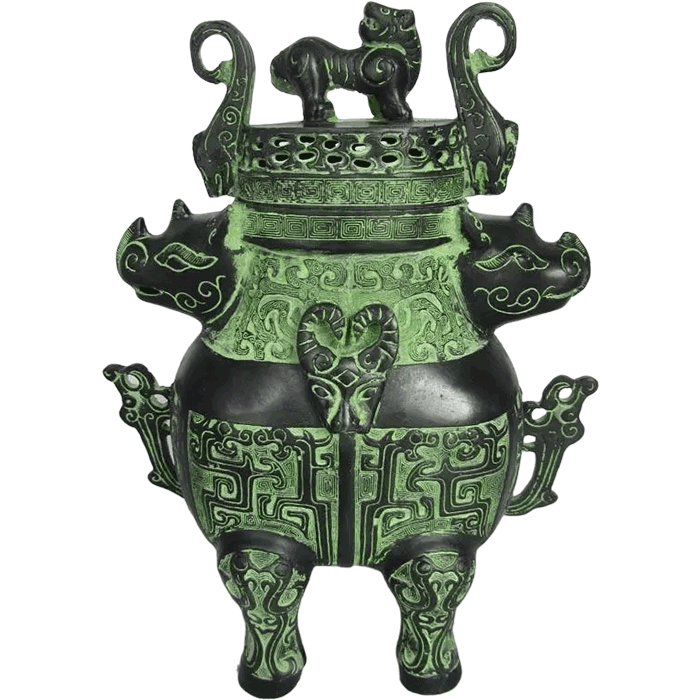
- Sharpness of Detail: The defining characteristic of Shang bronzes is their crisp, deeply cast decoration. A superior reproduction will feature sharp, clear lines in its taotie masks, precise geometric patterns, and well-defined flanges. Vague, soft, or blurred details are a sign of a poor-quality mold or casting process.
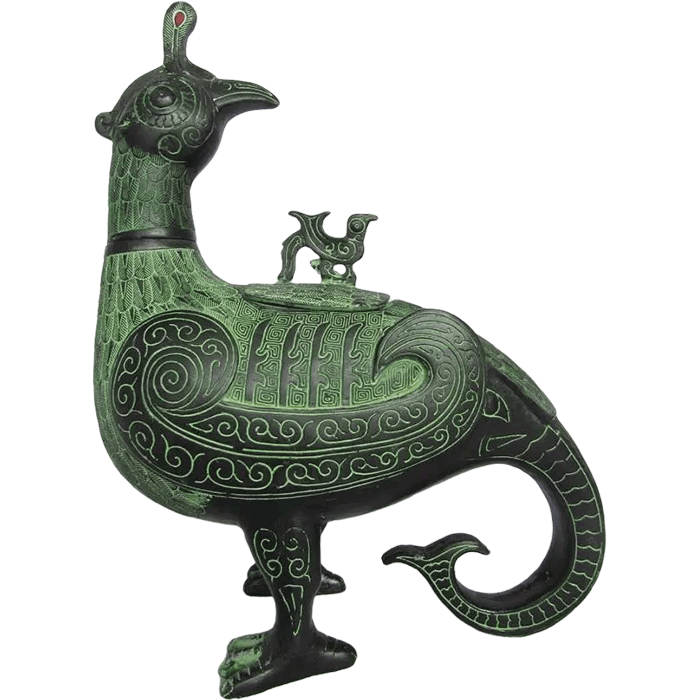
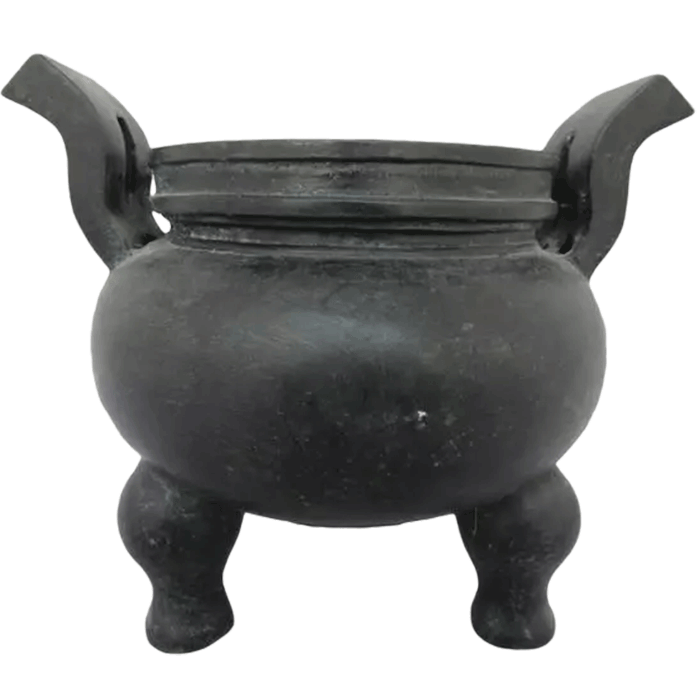
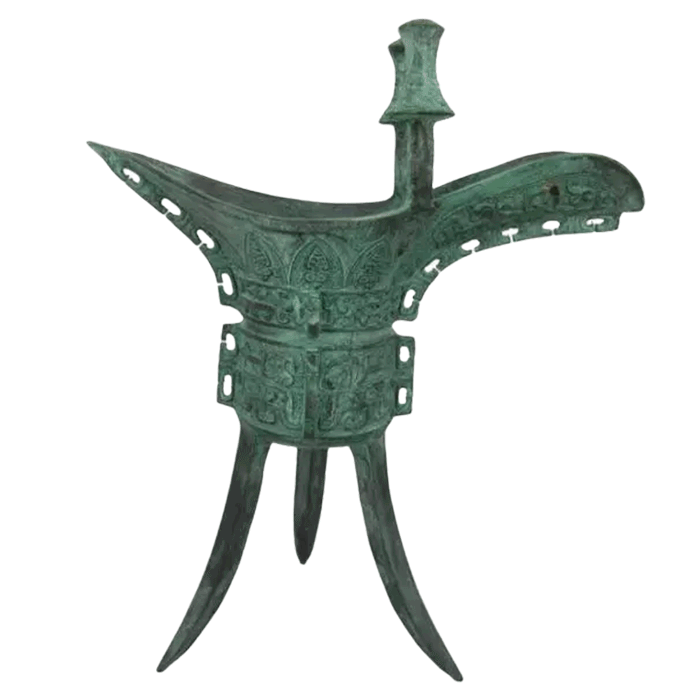
- Authenticity of Form: The specific shapes of Shang vessels—the ceremonial ding tripod, the stately zun vase, the elegant gu beaker—are iconic. A faithful reproduction must honor these historical forms and proportions. Working with a supplier that has a deep catalog and knowledge of chinese bronze handicrafts ensures this level of authenticity.
- Quality of Patina: The finish should be rich, layered, and visually convincing. It should not look like a simple coat of paint. Look for subtle variations in color and texture that suggest age and depth. A specialist foundry should be able to provide samples and match specific patina requirements for your project.
- Material Integrity: Ensure the supplier uses a premium bronze alloy. A high-quality copper-tin (Cu-Sn) bronze not only provides the right weight and feel but also ensures the longevity of the piece and allows for the development of a beautiful, stable patina over time.
Partnering with a Specialist Foundry for Your Bronze Vessel Project
Creating an authentic reproduction of a Shang-era bronze is a complex task that demands historical knowledge, metallurgical expertise, and artistic skill. From a single custom prototype to a large production run, the process requires a partner who understands the nuances of both ancient techniques and modern quality control.
At Luoyang Yichuan Bronze Craft Co., Ltd., we combine our reverence for historical artistry with the stringent standards of an ISO 9001 certified quality management system. Our team of bronze-casting masters and finishing artisans leverages the traditional lost-wax method to achieve the aesthetic precision of ancient masterpieces with modern reliability. We address critical sourcing pain points by offering exact replication of antique models, guaranteeing consistent patina color matching, and providing export-compliant protective packaging for even the most fragile sculptures.
Every piece undergoes a rigorous quality inspection before shipment, and we stand behind our work with a free replacement policy for any casting defects. If you are looking to source a magnificent bronze vessel that honors the legacy of the Shang Dynasty, we invite you to customize a bronze sculpture from sculpmart.com. Let our expertise bring your vision to life with unparalleled quality and craftsmanship.