Choosing Section Molds for Custom Ancient Bronze Casting
Choose Section Molds for Custom Ancient Bronze Casting
For importers and product developers evaluating historically inspired bronze vessels or architectural pieces, the mold-making method chosen at the start of a project determines nearly everything downstream: surface fidelity, dimensional consistency, production timeline, and final unit cost. Among the many approaches available, section molds remain a preferred technique for reproducing complex ancient forms such as ding tripods, zun vessels, and figural sculptures with deeply undercut relief. This article explains how section molds work within traditional lost-wax casting, when to specify them, and what to check before committing to a prototype run.
What Section Molds Are and Why They Matter
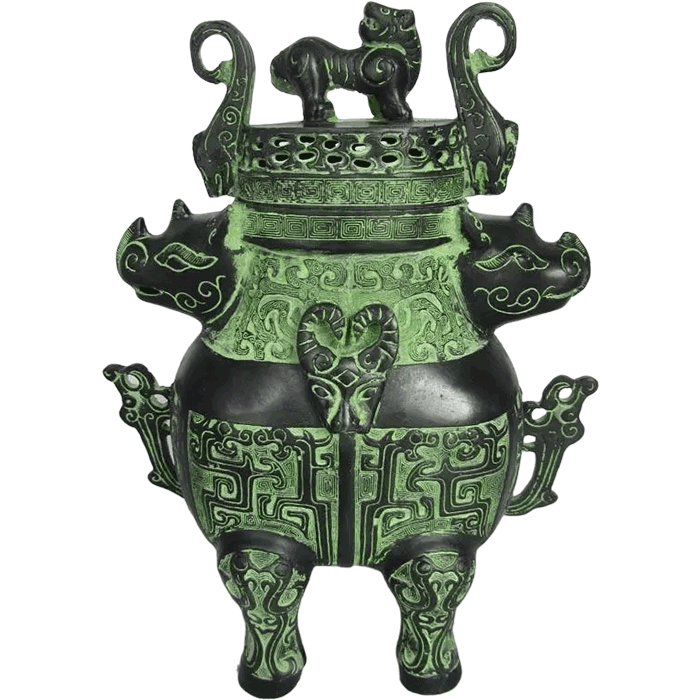
A section mold is built from multiple separate pieces — typically two to eight, depending on the object's geometry — that lock together around a wax or clay model. Once assembled, the mold reproduces the model's surface detail with far greater accuracy than a simple two-part mold could achieve on a piece with handles, animal legs, protruding lugs, or inscribed relief. This matters most for ancient bronze reproductions, where the original artifacts were themselves often cast using piece-mold or section-mold techniques thousands of years ago. Matching that same sectional logic today helps preserve the proportions, wall thickness, and decorative bands that define authentic period pieces.
Readers researching the history behind these techniques may find it useful to review the evolution of bronze culture over 2000 years, which outlines how casting methods shifted across dynasties and why certain vessel shapes demanded sectional approaches from the very beginning.
Section Molds vs. Single-Piece Silicone Molds
Single-piece flexible molds work well for smooth-bodied items like plain vases or simple mirrors. But once a design includes taotie masks, animal-form handles, or three-dimensional figures standing on a base — common in ding tripods and bronze Buddhist statues — a single mold cannot be removed without tearing or distorting fine detail. Section molds solve this by splitting the negative form along natural seams, usually hidden within existing decorative lines, so the wax pattern releases cleanly and the seams require minimal hand-finishing afterward.
How Section Molds Fit Into the Lost-Wax Casting Process
Custom ancient bronze casting using the lost-wax method generally follows this sequence:
- A master model is sculpted in clay or 3D-printed from a scanned reference, often based on a museum photograph or a client-supplied antique piece.
- Section molds are taken from the master model, capturing every panel of relief separately.
- Molten wax is poured or brushed into each section, then the sections are joined to form a complete hollow wax replica.
- The wax replica is invested in a ceramic shell, and the wax is melted out, leaving a cavity in the exact shape of the final bronze.
- Molten bronze alloy — typically a copper-tin (Cu-Sn) blend chosen for its casting flow and patina response — is poured into the cavity.
- After cooling, the shell is broken away, and the raw casting undergoes hand chasing, seam cleanup, polishing, and patina application.
This workflow is standard across most workshops producing chinese bronze sculpture for export, though the number of mold sections and the skill required to hide seam lines vary significantly between suppliers.
Where Section Count Affects Quality
More sections generally mean better detail capture on complex forms, but they also mean more seams to chase and polish by hand. A four-legged ding with lid, ring handles, and relief bands may require six or more mold sections. A simple bronze mirror, by contrast, may need only two. Buyers comparing quotes should ask suppliers directly how many sections a given piece requires and how seam lines are treated — visible seams are one of the most common quality complaints in imported bronze reproductions.
Selecting the Right Mold Strategy for Your Product Line
Product developers planning a catalog of historically inspired pieces should think about mold strategy before requesting the first sample, since it affects both cost and consistency across a production run.
For Vessels and Ritual Bronzes
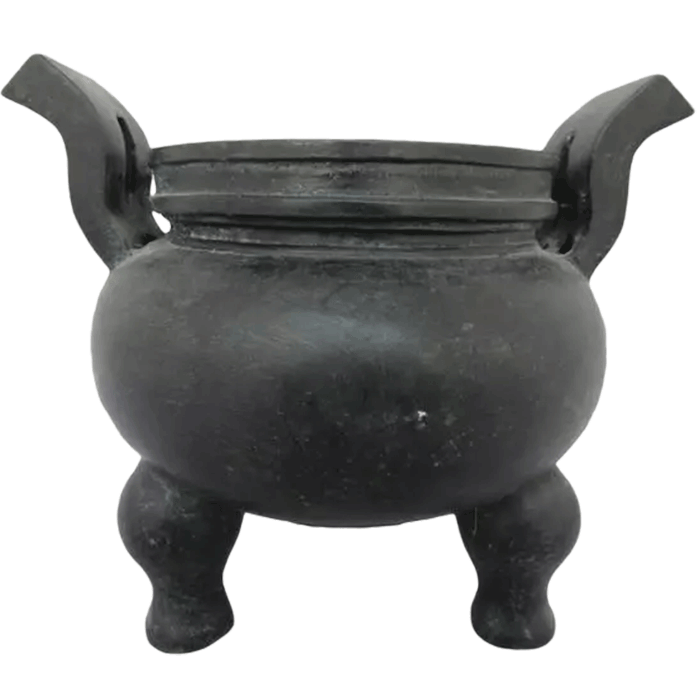
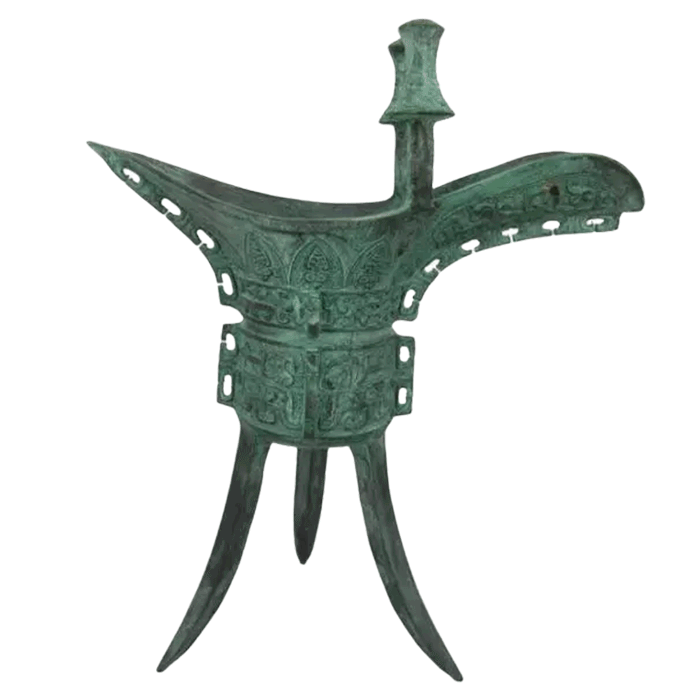
Ding, zun, and hu forms typically demand section molds because of their legs, spouts, and handle attachments. When sourcing chinese bronze antique reproductions in this category, ask whether the workshop casts handles and body as one continuous pour or assembles them afterward — one-pour casting from a well-designed section mold usually produces stronger joints and a more authentic weight distribution.
For Human and Animal Sculptures
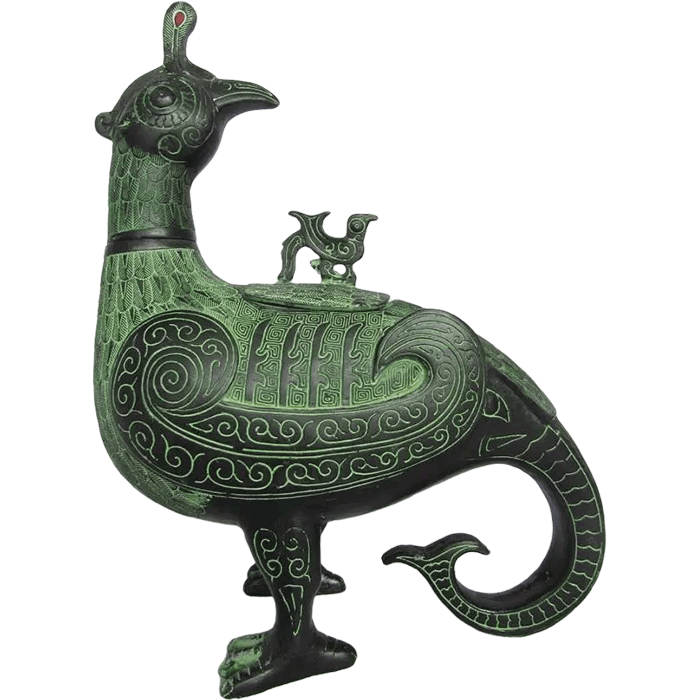
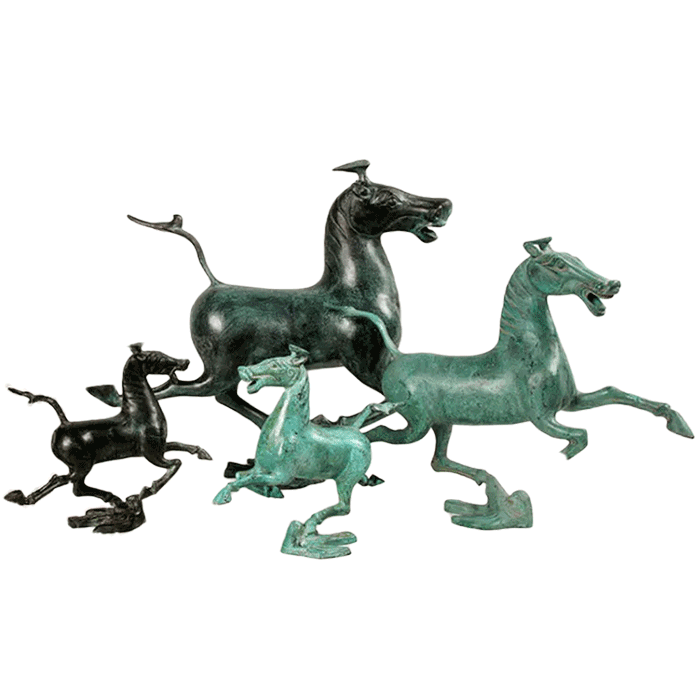
Figural work, including standing or seated figures, benefits from section molds divided at natural clothing folds or muscle lines, which helps conceal seams after polishing. This is especially relevant for bronze statues with different themes and for animal bronze statues where limb positioning creates natural undercuts that a single mold cannot release.
For Mirrors and Flat Relief Pieces
Bronze mirrors with back-side relief patterns are comparatively simple, often needing only a front and back section, which keeps tooling costs low for buyers testing smaller order quantities. Background reading on mirror casting traditions is available in the article on several bronze mirrors.
Practical Checklist Before Approving a Prototype
Before greenlighting a full production run, importers should confirm the following with their casting partner:
- How many mold sections will be used for this specific design, and where the seam lines will fall.
- Whether the alloy is a genuine copper-tin bronze rather than a brass substitute — a distinction covered in detail in the difference between bronze and brass.
- What patina options are available, and whether sample swatches can be provided for color matching against an existing product line.
- How wall thickness is controlled across sections to avoid weak points or uneven cooling stress.
- What inspection standards apply before shipment, and what the policy is for casting defects.
A workshop with ISO 9001 quality management certification and documented export inspection procedures should be able to answer each of these points clearly, with sample photos or physical swatches rather than vague assurances.
Balancing Detail, Timeline, and Order Volume
Section molds require more upfront craftsmanship than simple molds, but they pay off across a production run because the same mold set can be reused for repeat orders with consistent results — an important factor for buyers planning bulk orders after an initial single-piece prototype. A workshop producing over 50,000 bronze art pieces annually will typically have mold-making teams separate from the casting and finishing teams, allowing section molds for a new design to be built while previous orders continue through casting and patina stages in parallel.
For buyers starting with a single custom sculpture before scaling to volume, it is worth discussing mold durability directly — silicone and rubber section molds wear differently depending on how many pulls they are rated for, and this affects unit pricing on larger reorders. Details on how to structure this kind of order are outlined on the page to customize a bronze sculpture from sculpmart.com.
Packaging and Shipping Considerations
Complex castings made from multi-section molds often include thin protrusions — spouts, ears, ring handles — that are vulnerable during transit. Export-compliant crating with internal foam separation and moisture control is essential, particularly for large ding or zun vessels shipped over long distances. This should be confirmed as part of the quotation process, not left until after casting is complete.
Why Section Mold Expertise Matters for Ancient Reproductions
Authentic-looking reproductions depend on more than alloy composition or patina color — they depend on whether the underlying form was captured with enough sectional precision to preserve the original's proportions and relief depth. Workshops with craftsmen experienced in both bronze-casting and finishing are better positioned to judge how many mold sections a design truly needs, rather than defaulting to the cheapest or fastest option. This is one of the core value points behind reliable custom ancient bronze casting: the mold strategy chosen at the outset shapes everything that follows, from casting yield to how much hand-chasing work is needed before a piece is ready for patina.
Buyers who want to understand how specific historical artifacts were originally produced, including complex piece-mold examples from royal tombs, can review case studies such as Zenghouyi chime bell and Qinshihuang mausoleum bronze chariots and horses, which illustrate the level of sectional complexity ancient foundries achieved without modern tools — a benchmark modern workshops still reference when planning section molds for today's reproductions.
Final Considerations for Importers and Developers
When evaluating suppliers for custom ancient bronze casting, request a breakdown of the mold plan before approving any prototype. Ask to see photos of previous section molds for similar vessel types, confirm the alloy specification in writing, and clarify inspection and replacement policies for casting defects. A supplier that can walk through its section mold strategy in specific, verifiable detail — rather than general marketing language — is more likely to deliver consistent results across both a first sample and a later bulk order. For further background on materials, decorative themes, and product categories, the about scultmart page and related resources provide additional context for planning a sourcing decision with confidence.