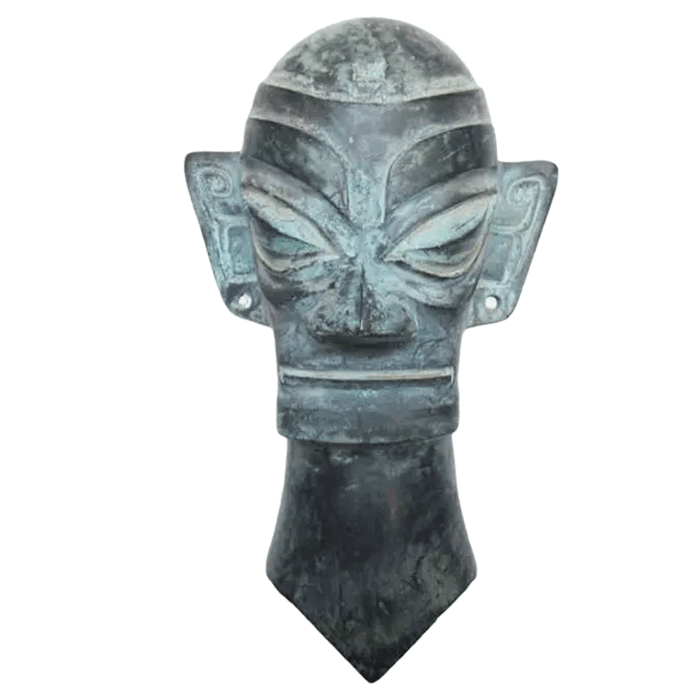
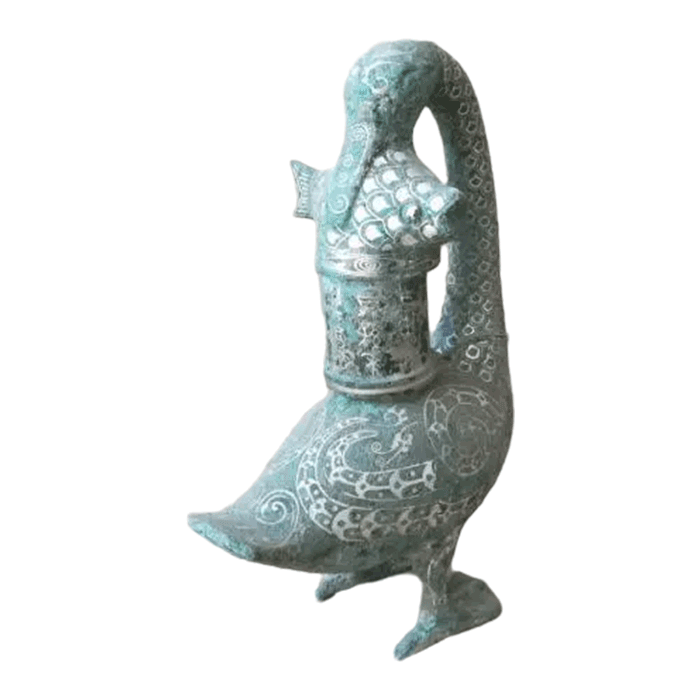
Chinese Mythology Bronze Figures: Casting Clues Buyers Trust
Chinese Mythology Bronze Figures Reveal Their Casting Quality Through Visible Surface Clues
Importers and collectors who source mythological bronze art from China face a recurring challenge: how do you judge casting quality before the sculpture arrives at your door? Photographs can hide defects, and a low price does not always signal poor workmanship — nor does a high price guarantee excellence. This article walks through the physical clues that reveal how a bronze figure was cast, finished, and treated, so buyers at the evaluation stage can compare suppliers with more confidence.
Why Casting Quality Matters When Sourcing Mythological Bronze Art
Statues depicting deities, guardian animals, and legendary figures from Chinese folklore carry symbolic weight for collectors and institutional buyers alike. A poorly cast piece — one with rough seams, inconsistent color, or thin, brittle walls — undermines both the visual story and the long-term durability of the artwork. For B2B buyers placing bulk orders, casting defects discovered after shipment mean costly returns, delayed inventory, and damaged client relationships downstream.
Understanding the casting process itself is the first step toward reading quality signals correctly. Buyers who can identify these clues negotiate more effectively and avoid suppliers who cut corners on alloy composition or finishing labor.
The Lost-Wax Process: A Foundation for Authentic Detail
Traditional lost-wax casting remains the preferred method for producing detailed mythological figures because it captures fine texture — flowing robes, scales, feathers, and facial expression — that mold-based alternatives often flatten. In this method, a wax model is sculpted first, coated in a ceramic shell, then heated so the wax melts away, leaving a cavity that molten bronze fills. Because each wax model is typically unique or hand-adjusted, this process supports both single custom prototypes and small-batch production runs without sacrificing detail.
Buyers evaluating a supplier should ask directly whether lost-wax casting is used for the pieces in question, and whether the workshop can produce reference photos of the wax stage. Workshops that skip this step in favor of cheaper sand-casting for complex figures often produce statues with softened detail and visible casting seams that require heavy grinding to disguise.
Visible Casting Clues That Signal Craftsmanship Quality
Once a bronze figure is finished, several physical indicators tell an experienced buyer how carefully it was produced. These clues apply whether you are inspecting a single sample or auditing a bulk shipment.
Surface and Seam Lines
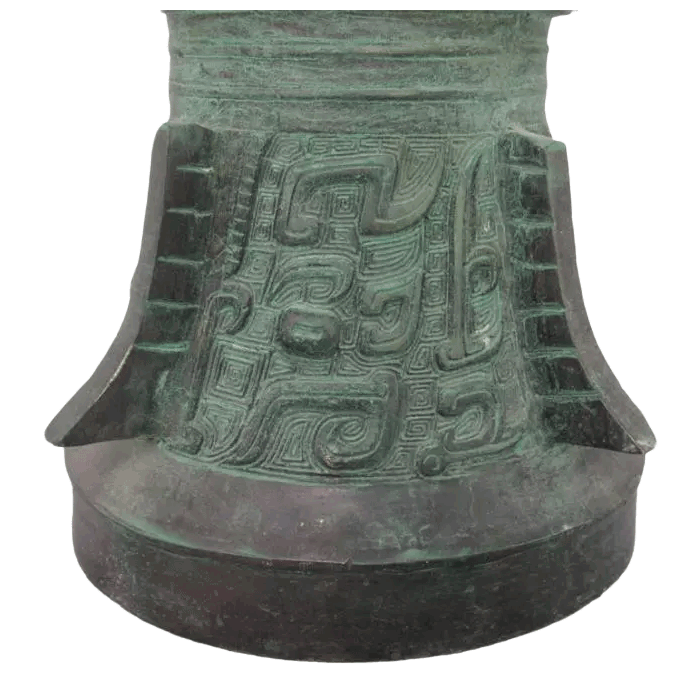
Every cast bronze piece has seam lines where mold sections meet. On a well-finished statue, these seams are chased and polished until nearly invisible, following the natural contours of drapery or muscle. On a rushed piece, seams appear as raised ridges or slightly misaligned surfaces, particularly around arms, wings, or tails where the mold splits. Running a finger along these transition points, or examining raking light in photographs, quickly reveals the level of hand-finishing invested.
Patina Consistency
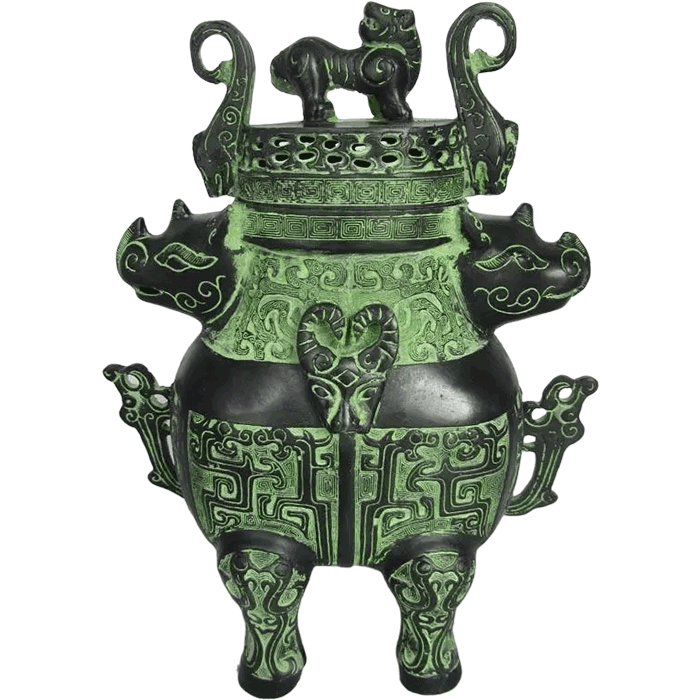
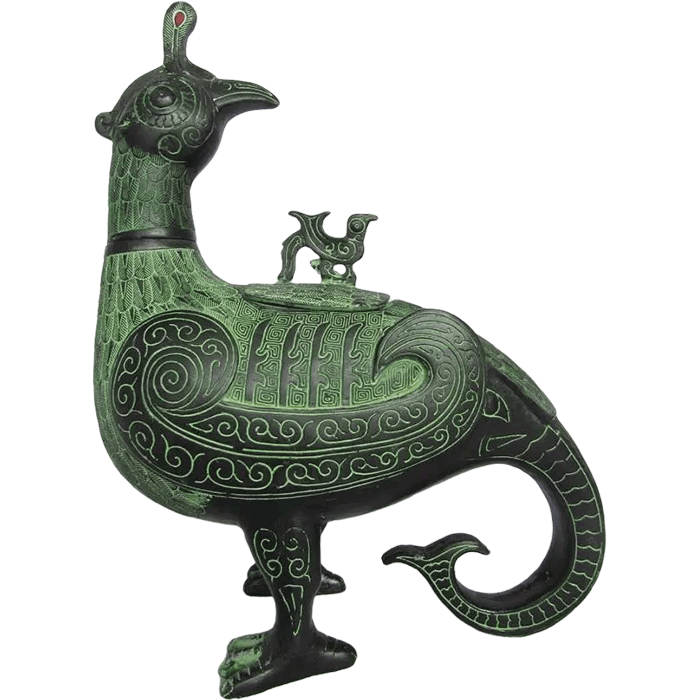
Patina — the chemical surface treatment that produces antique green, brown, or black tones — is one of the hardest qualities to fake convincingly at scale. Genuine hand-applied patina shows subtle tonal variation that mimics natural aging, while sprayed or dipped shortcuts often look uniformly flat or streaky in recesses. Consistent patina color matching across a multi-piece order is a particular pain point for importers assembling matched sets of guardian lions or paired deity statues, since even a slight tone mismatch is obvious once pieces stand side by side.
Weight and Alloy Composition
A genuine bronze alloy, typically a copper-tin composition, has a distinct heft compared to lighter substitute metals sometimes used to cut costs. Buyers can request alloy specification sheets or ask for a small drilled sample for composition testing on large commercial orders. Underweight pieces, or statues that sound hollow and tinny when tapped, often indicate thin walls or a different metal blend than advertised.
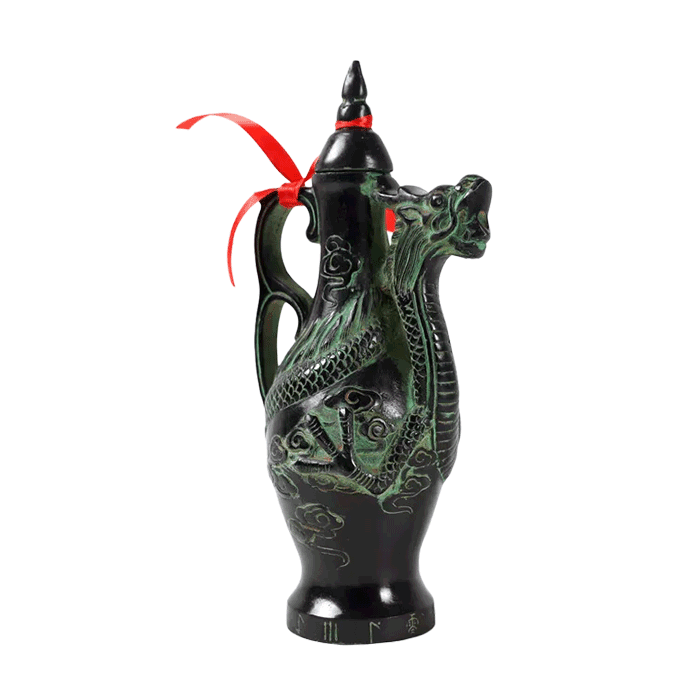
Common Sourcing Pitfalls for Importers and Collectors
Beyond casting quality itself, buyers frequently encounter three recurring problems when sourcing mythological bronze work internationally:
- Inexact replication of antique references. When a client requests a piece modeled on a museum original or a historical description, workshops without deep familiarity with period style may produce a generic figure that misses proportions, garment folds, or iconographic details specific to the era.
- Inconsistent finishing across a production run. A single sample may look excellent, but bulk orders can show craftsmanship drift if the workshop does not maintain the same finishing team or quality checkpoints throughout production.
- Fragile packaging for export. Bronze sculptures with extended limbs, weapons, or thin appendages are vulnerable during ocean freight. Packaging that does not account for these stress points can result in cracked joints or bent details on arrival.
Workshops that understand the cultural and historical background of these figures tend to produce more accurate replication work. Reviewing background material on the evolution of bronze culture over 2000 years can help buyers ask more informed questions about period-accurate detailing before committing to an order.
What Buyers Should Verify Before Placing an Order
A structured pre-order checklist reduces the risk of receiving Chinese mythology bronze figures that fall short of sample quality. Consider verifying the following before signing off on a purchase order:
- Confirm the casting method (lost-wax versus sand casting) for the specific product category, since vessels and mirrors may use different techniques than detailed figural sculpture.
- Request patina samples or reference photos matched to your intended color code, and ask how consistency is maintained across a full production batch.
- Ask about quality inspection procedures completed before shipment, and clarify the supplier's policy on casting defects or replacement terms.
- Review export packaging methods for fragile protrusions such as raised arms, weapons, or animal tails.
- Ask whether the workshop supports small MOQ testing — starting with a single custom prototype — before committing to a bulk run.
Suppliers with an ISO 9001-certified quality management system generally document these checkpoints more formally, which gives importers a paper trail to reference if disputes arise later. Luoyang Yichuan Bronze Craft Co., Ltd. operates under this certification standard, producing over 50,000 bronze art pieces annually across a 3,000-square-meter production facility staffed by more than 30 skilled craftsmen, including bronze-casting masters and dedicated finishing artisans.
Matching Mythological Themes to the Right Bronze Category
Mythological subjects in Chinese bronze art extend well beyond standalone figures. Many collectors pair deity or guardian statues with complementary vessels, incense burners, or ritual pieces to build a themed display. Reviewing a full range of Chinese bronze sculpture categories — including ding, zun, and hu forms — helps buyers understand which vessel shapes historically accompanied figural bronze work in temple or ceremonial settings.
For collectors focused specifically on figural work, browsing bronze statues with different themes provides a useful comparison point for proportion, posture, and finishing style across human and animal subjects. Buyers planning a fully bespoke commission — whether replicating a specific antique or designing an original mythological composition — can also explore options to customize a bronze sculpture starting from a single prototype before scaling into larger production.
Final Considerations for B2B Buyers
Reading casting clues is not about spotting flaws for their own sake — it is about building a working vocabulary that lets importers and collectors communicate precisely with suppliers. When a buyer can point to a specific seam line, patina tone, or weight discrepancy, negotiations move faster and quality expectations become measurable rather than subjective. Workshops that welcome this level of scrutiny, and that can explain their own casting and finishing process in detail, are generally the ones equipped to deliver mythological bronze work that holds up to close inspection, both on arrival and years into display.
Before finalizing any sourcing decision, it is worth reviewing a supplier's production background directly. Learn more about the facility, certification, and craftsmanship team behind these pieces on the about sculpmart page.