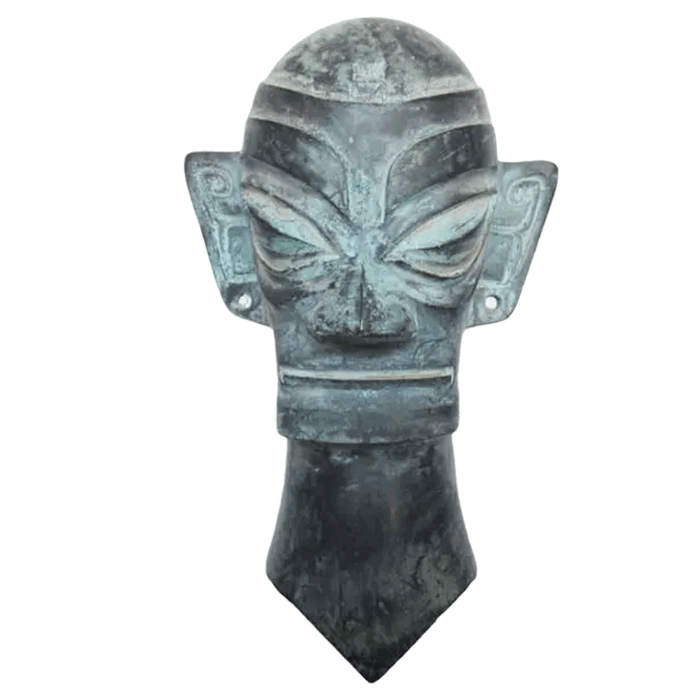
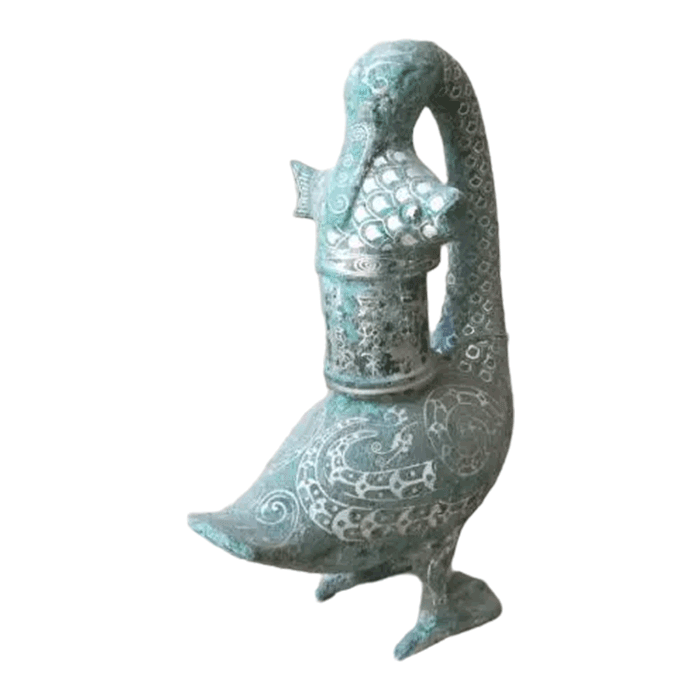
Chinese Mythology Bronze Figures: Buyer FAQs Guide
Chinese Mythology Bronze Figures Answer Every Question A B2B Buyer Asks Before Placing An Order
Sourcing Chinese mythology bronze figures for a gallery, hospitality project, religious institution, or retail collection involves more technical decisions than most buyers expect. Alloy composition, casting method, patina consistency, and export packaging all affect final quality and landed cost. This FAQ-style guide addresses the specification questions that typically surface during the final stage of supplier evaluation — right before a sample request or purchase order is issued.
Luoyang Yichuan Bronze Craft Co., Ltd. operates from a 3,000-square-meter production facility in Yichuan County, Luoyang, Henan Province — a region historically associated with Chinese bronze casting traditions. Our team of over 30 skilled craftsmen, including bronze-casting masters and finishing artisans, produces more than 50,000 bronze art pieces annually, ranging from single custom prototypes to bulk production runs.
What Materials And Casting Methods Are Used For Mythology-Themed Bronze Figures?
Our workshop casts using a premium Cu-Sn bronze alloy, selected for its density, surface detail retention, and long-term corrosion resistance compared to lower-grade brass substitutes. Every piece is produced using the traditional lost-wax casting method, which allows intricate detailing on robes, facial features, mythological creatures, and ritual symbols to be preserved with far greater accuracy than sand-casting techniques.
Why Lost-Wax Casting Matters For Figurative Detail
Mythological subjects — guardian deities, celestial beasts, dragon-phoenix motifs, and Buddhist figures — often carry fine iconographic details that communicate religious or cultural meaning. Lost-wax casting captures these details in a single mold pour, then each figure moves through hand chasing and polishing stages performed by finishing artisans. This is the same process we use across our chinese bronze sculpture catalog, ensuring consistency whether a buyer orders a single commissioned piece or a production run of fifty units.
How Is Patina Color Matched Across A Production Run?
Patina consistency is one of the most common pain points reported by B2B buyers sourcing bronze mythology figures, particularly for matched sets or multi-unit hotel and temple installations. Uneven oxidation treatment between units can make a set look mismatched once installed under gallery or outdoor lighting.
To address this, our finishing team applies patina chemically and thermally in controlled batches rather than piece-by-piece, which keeps tonal variation within an acceptable range across antique or modern finish requests. Buyers who require an exact reproduction of an existing antique bronze — a common request for museum replicas or heritage restoration projects — can submit reference photographs or an original sample, and our team will attempt close color and texture matching prior to full production.
Antique Vs. Modern Finish Options
- Antique finish: layered green-brown patina intended to replicate archaeological or heirloom bronze surfaces.
- Modern finish: polished or satin bronze surface suited to contemporary interiors and commercial display.
Both finish types are available across our bronze statues with different themes range, including human figures, animal statues, and custom mythological commissions.
What Is The Minimum Order Quantity And Lead Time?
Custom bronze sculptures can be ordered starting from a single piece — useful for buyers testing a design before committing to a bulk purchase order. Bulk order pricing and lead time are negotiated based on sculpture size, design complexity, and finishing requirements, since mythological figures with elaborate multi-figure compositions require more hand-finishing hours than a standard single-figure casting.
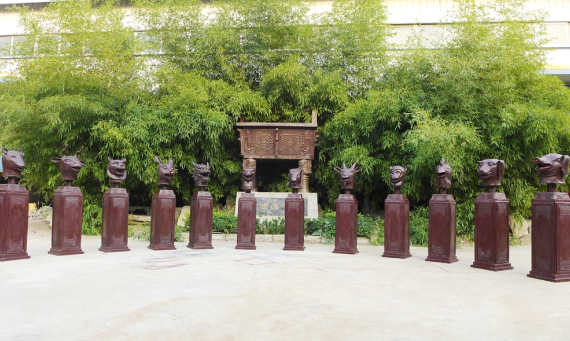
Buyers planning large installations — such as a themed set of Chinese mythology bronze figures for a hospitality lobby or cultural park — are encouraged to share dimensions, reference imagery, and target installation date early in the inquiry process. This allows our production team to sequence mold-making, casting, chasing, and patina stages realistically against the required ship date.
How Is Quality Verified Before Shipment?
Luoyang Yichuan Bronze Craft Co., Ltd. operates under an ISO 9001 quality management system, and finished products comply with export quality inspection standards applicable to art crafts. Before any shipment leaves the facility, each piece undergoes a quality inspection covering casting integrity, surface finish, and patina uniformity.
What Happens If A Casting Defect Is Found After Delivery?
If a casting defect is identified after delivery, we provide free replacement, and our after-sales team also offers guidance on patina touch-ups and restoration for pieces that experience surface wear after long-term display or outdoor exposure. This after-sales support is particularly relevant for buyers maintaining mythology-themed bronze collections in public or semi-public spaces, where UV exposure and handling can gradually affect surface tone.
How Are Fragile Bronze Sculptures Packaged For Export?
Mythological bronze figures, particularly multi-figure compositions or pieces with extended limbs, weapons, or flowing robe details, are vulnerable to transit damage if packaging is generic. Export packaging for these sculptures is designed around the specific geometry of each piece — individually padded, crated, and reinforced at stress points identified during the inspection stage — rather than relying on standard foam-and-box packing used for simpler bronze vessels or mirrors.
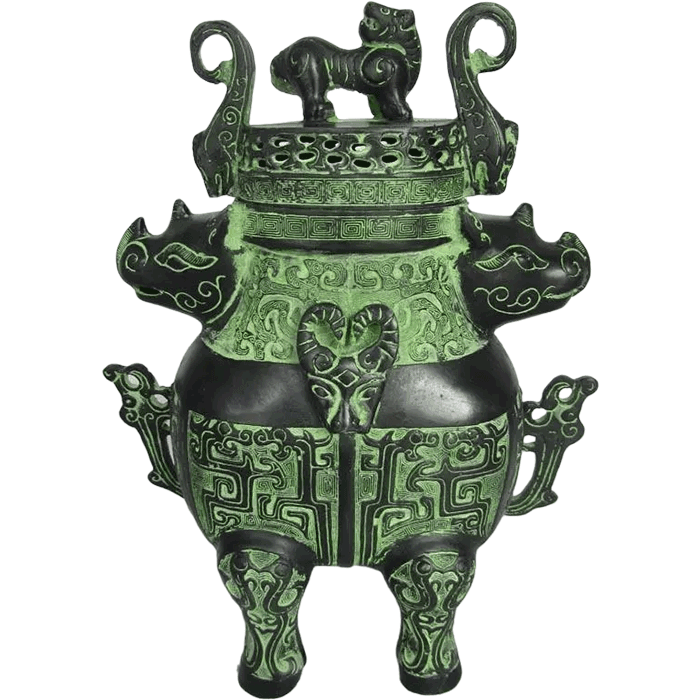
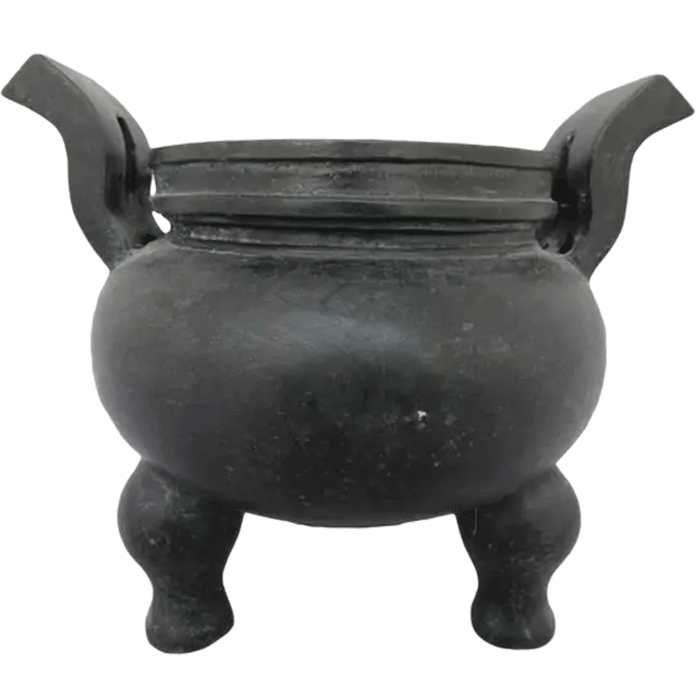
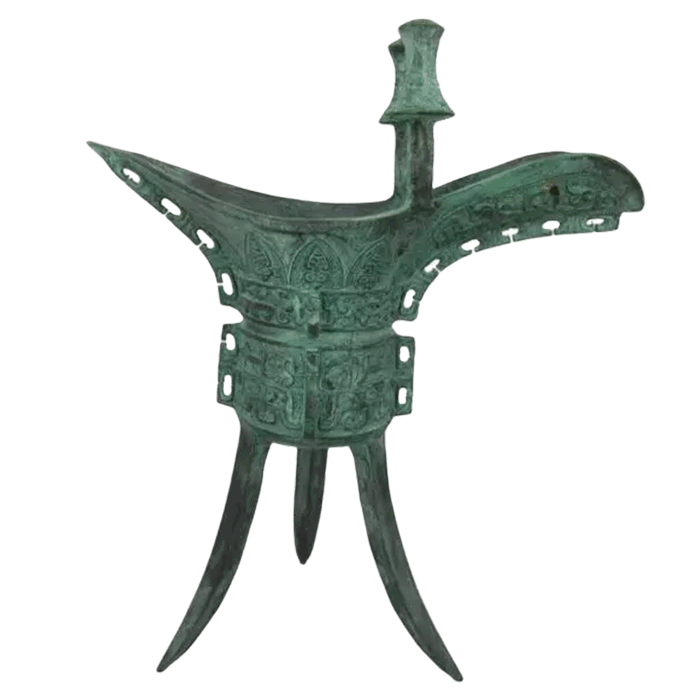
This attention to packaging applies across our full product range, including bronze statues with different themes, animal figures, ding and zun vessels, incense burners, and Buddhist statues, all of which require different crating approaches depending on weight distribution and surface fragility.
What Mythological Subjects Can Be Produced?
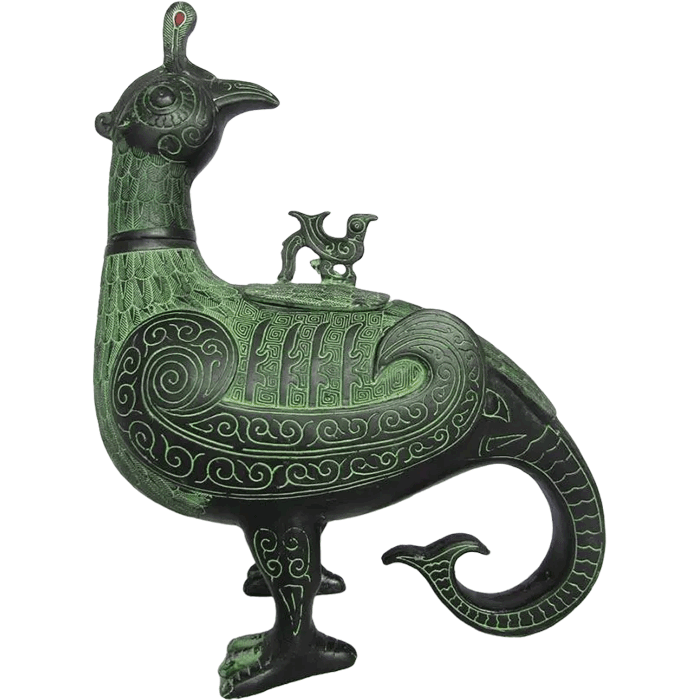
Common requests include guardian lions, dragon and phoenix pairs, celestial generals, Buddhist and Taoist deities, and composite mythological creatures drawn from classical Chinese iconography. Because our catalog spans bronze statues with different themes alongside human figures, buyers working on combined installations — for example, a guardian animal paired with a human deity figure — can source both from a single workshop, simplifying quality control and finish matching across the full set.
Custom Commissions And Exact Replication
For buyers needing an exact replication of an existing antique bronze piece — rather than a new mythological design — our team can work from photographs, measurements, or a physical reference sample. This process is coordinated through our customize a bronze sculpture service, which covers everything from initial sketch approval through final patina sign-off before production begins.
Buyers interested in the historical and cultural background behind specific mythological and ritual bronze forms may also find it useful to review our article on the evolution of bronze culture over 2000 years, which provides context for design choices commonly requested in custom commissions.
Final Checklist Before Requesting A Sample Or Issuing A Purchase Order
- Confirm alloy specification (Cu-Sn bronze) and casting method (lost-wax) in writing.
- Request patina reference samples if color matching to an existing set or antique original.
- Clarify MOQ terms — note that custom sculptures can start from one piece, with bulk pricing negotiated separately.
- Ask for the quality inspection checklist used prior to shipment.
- Confirm packaging approach for fragile or multi-component figures.
- Review after-sales terms, including defect replacement and patina restoration guidance.
Working through these points before sample approval reduces the risk of miscommunication later in production, particularly for buyers ordering mythology-themed bronze figures in matched sets or for time-sensitive installation projects. Buyers wanting a broader view of workshop capabilities, certifications, and production scale can also review our about sculpmart page before submitting a formal inquiry.
Bronze mythology commissions sit at the intersection of craftsmanship and cultural accuracy, which is why specification clarity upfront — on alloy, casting method, finish, and packaging — tends to produce smoother outcomes than open-ended briefs. Buyers who come prepared with reference imagery, target dimensions, and installation timelines generally receive faster, more accurate quotations from any reputable bronze workshop.