Chinese Bronze Wine Vessel Ritual Uses FAQ
Chinese Bronze Wine Vessel traditions reveal how ritual, ancestry, and authority shaped early China.
Ancient bronze wine wares are among the most recognizable objects from early Chinese civilization. Their elaborate shapes, animal masks, handles, lids, inscriptions, and carefully controlled forms show that they were more than practical containers. In many historical contexts, a Chinese Bronze Wine Vessel formed part of a ritual system that connected family lineage, political status, ceremonial offerings, and remembrance of ancestors.
For modern readers, the term “wine vessel” can be misleading if it suggests ordinary dining ware. Although some forms were used to heat, pour, hold, or drink fermented beverages, their importance was often ceremonial. The vessels could appear in ancestral rites, formal banquets, burial assemblages, and court-related occasions. Their material value and demanding production process also made them visible statements of social position.
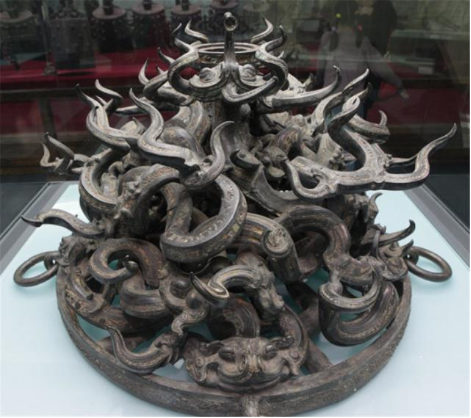
This FAQ explains the cultural purpose behind these objects, the main vessel forms associated with wine rituals, and the reasons bronze became so important in early Chinese ceremonial life. It also notes why modern interpretation requires care: a vessel’s shape may suggest a function, but archaeological context, inscriptions, and period-specific traditions all contribute to a more complete understanding.
Why Were Bronze Wine Vessels Important in Ancient Rituals?
In ancient China, ritual was not separate from public life, family identity, or political order. Ceremonies honoring ancestors were widely understood as acts that maintained continuity between past and present generations. Bronze containers used in those rites helped make the ceremony visible and formal. Their use could express reverence for deceased family members while reinforcing the authority of the lineage conducting the ritual.
Wine offerings were one component of a broader ceremonial practice that could also involve food, music, bells, weapons, jade objects, and inscribed bronzes. The exact arrangement varied across periods and social settings. Nevertheless, the presence of finely cast vessels indicates that the handling and presentation of offerings were treated with seriousness and order.
The ritual value of bronze came partly from its durability. Unlike organic materials, bronze could survive for generations, allowing a family to retain objects associated with earlier ancestors and ceremonial events. Bronze was also technically demanding to produce. The ability to commission, cast, decorate, and preserve large or complex vessels reflected access to materials, labor, knowledge, and social resources.
Many early vessels carry inscriptions. Some inscriptions identify a clan, a person, an ancestor, a commemorative event, or the intended purpose of the object. These texts are especially valuable because they connect an artifact to named people and social relationships. A vessel may therefore be understood not only as a container, but also as a durable record of lineage memory.
Readers interested in the broader development of this tradition can explore bronze culture over 2000 years, which provides useful context for the long historical importance of bronze craftsmanship and ceremonial objects.
What Types of Vessels Were Associated With Wine?
Ancient Chinese bronze vessel names are often based on traditional classifications. Their functions may have changed over time, and some identifications remain subjects of scholarly discussion. However, certain forms are commonly associated with the heating, serving, storing, mixing, or drinking of fermented beverages during ritual occasions.
Jue and Jia
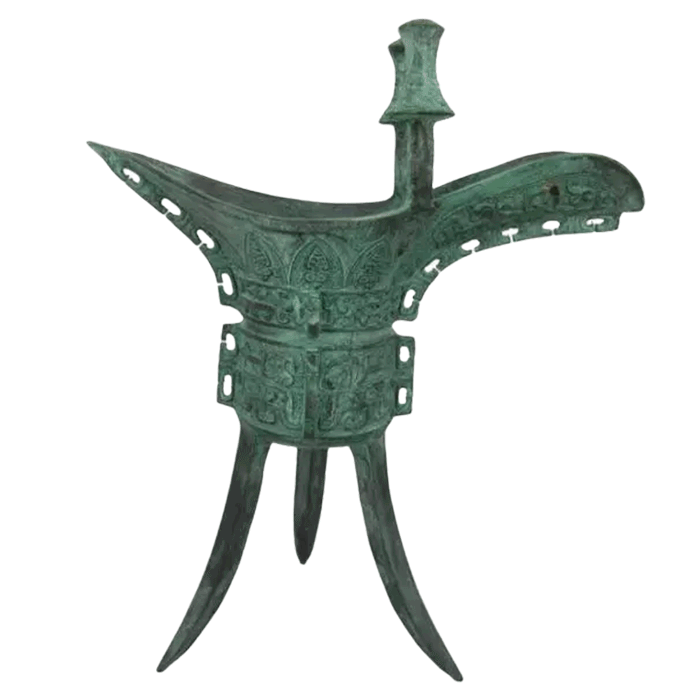
The jue is generally recognized by its tripod form, a deep cup-like body, a long pouring spout, a pointed tail, and two posts rising from the rim. It is often associated with warming or serving wine. Its distinctive silhouette has become one of the best-known images of early Chinese ritual bronze.
The jia is also a tripod vessel and is frequently connected with heating wine. Compared with a jue, it usually has a broader upper section and may feature a more substantial body. Some examples include decorative patterns, handles, or raised elements that emphasize both visual balance and ceremonial character.
Gu, Zun, and You
The gu is typically a tall beaker-shaped vessel with a flared mouth. It is often interpreted as a drinking vessel or as part of a formal presentation set. Its narrow central section and expanded rim create a refined vertical profile that works well within a ceremonial display.
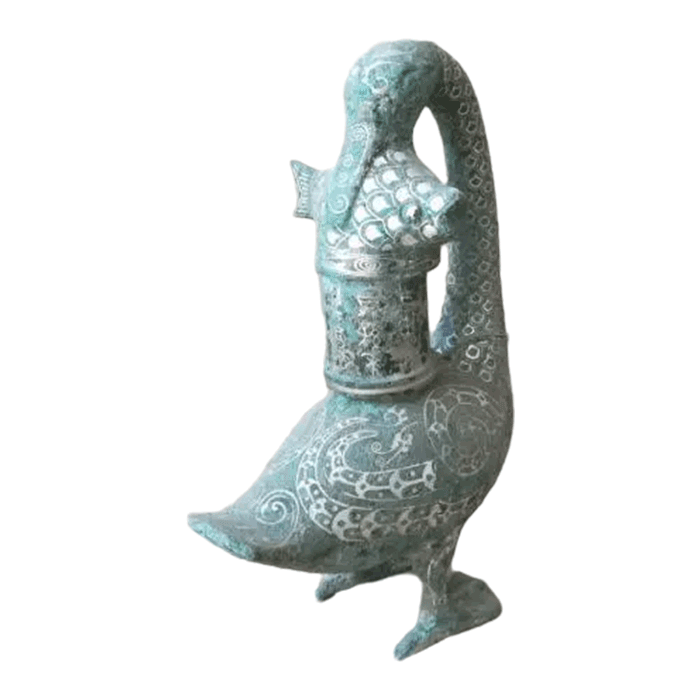
The zun is a larger container with considerable variation in shape. Some zun have rounded bodies, while others take animal-inspired forms. These vessels are commonly linked with the storage or presentation of wine. Their surfaces may include taotie masks, dragons, birds, or geometric bands, reflecting artistic conventions of their period.
The you commonly has a covered body and an arched handle. It is often associated with storing or transporting wine. The lid and handle make it visually distinct, while its closed form may have helped protect its contents during ritual preparation or movement.
Hu, Lei, and Related Storage Forms
The hu is generally a pear-shaped or oval vessel with a narrow neck and fuller body. It could be used for holding liquids and became an important form in later bronze traditions. The lei is another large storage vessel, often with a rounded body and broad shoulders. Both shapes demonstrate how bronze artisans adapted volume, balance, and decoration to ceremonial needs.
Not every vessel category can be assigned one fixed use in every historical period. Archaeological discoveries must be considered alongside inscriptions, residue studies when available, and comparisons with other objects found in the same tomb or ritual setting. For a wider overview of vessel categories, see this introduction to several bronze wares.
Frequently Asked Questions About Ritual Wine Wares
Were these vessels used for everyday drinking?
Some bronze containers may have had practical functions, but many surviving examples are closely associated with elite ritual life rather than ordinary household drinking. Their weight, decoration, casting quality, and burial context often indicate that they were made for formal use, display, commemoration, or ceremonial offerings. Everyday drinking vessels could have been made from less durable materials that rarely survive in the archaeological record.
Why were animal masks and dragons placed on the surface?
Decorative motifs could give the object a powerful ceremonial appearance. The taotie mask, dragons, birds, bovine forms, and other stylized creatures are frequent features of early bronze decoration. Their exact meanings are not always certain, and interpretations should avoid treating one modern explanation as definitive. What is clear is that these motifs created complex surfaces that distinguished ritual bronzes from simple utilitarian containers.
The designs also reveal extraordinary control of casting and finishing. Relief patterns, narrow lines, protruding handles, and sculptural details had to be planned in relation to the vessel’s shape. Decoration was therefore not merely added after production; it was often integrated into the object’s structural design.
Did every family own ritual bronzes?
No. Bronze production required substantial resources, including copper-based materials, fuel, molds, technical skill, and organized labor. Large sets of ritual vessels were especially associated with powerful families, nobles, and ruling groups. Smaller objects and later-period forms may reflect broader access in some settings, but the most elaborate early bronze assemblages were major indicators of rank and wealth.
What role did inscriptions play?
Inscriptions transformed many vessels into historical documents. A text might record a donor, identify an ancestor, commemorate an event, or state that the vessel was made for filial remembrance. Because inscriptions can connect an artifact to a specific lineage or occasion, they help historians move beyond general assumptions about ritual use.
They also show that the vessel could carry meaning beyond the ceremony itself. Once cast, an inscribed object preserved a message for later family members and, in some cases, for modern researchers. This relationship between material object and remembered person is one reason ritual bronzes remain so important to the study of early Chinese history.
Were wine rituals connected to political power?
Yes, ritual activity could support political authority. In early states, rulers and aristocratic groups often demonstrated legitimacy through their relationship with ancestors, their ability to organize ceremonies, and their command of prestigious materials. A formal bronze assemblage could make hierarchy visible: it showed who had the authority to commission the objects, host the rite, and participate in a recognized lineage tradition.
The connection between ceremony and power should not be reduced to simple display. Ritual also established obligations between generations, families, and communities. By performing inherited practices with recognized objects, elite groups could present themselves as custodians of order and continuity.
How Did Vessel Form Support Ceremony?
The shape of a ritual vessel was closely connected to the way it could be handled, placed, presented, or displayed. Tripod legs could raise a container above a surface and allow heat to reach the body. Spouts supported controlled pouring. Lids covered stored contents. Loop handles enabled carrying, while flared mouths created a more formal visual presence.
These functional features were combined with symbolic and aesthetic choices. A vessel may have balanced symmetry with sculptural ornament, or used a compact body to emphasize an imposing lid and handle. In a ritual setting, the object’s appearance mattered because ceremony involved movement, arrangement, sound, gesture, and visibility.
Bronze vessels were often part of a larger set rather than isolated objects. A group might include containers for different stages of preparing and presenting an offering. The set itself could express order through repeated forms, matching decoration, or a carefully considered range of sizes. Even when individual functions are debated, the overall assemblage indicates that ritual action was structured.
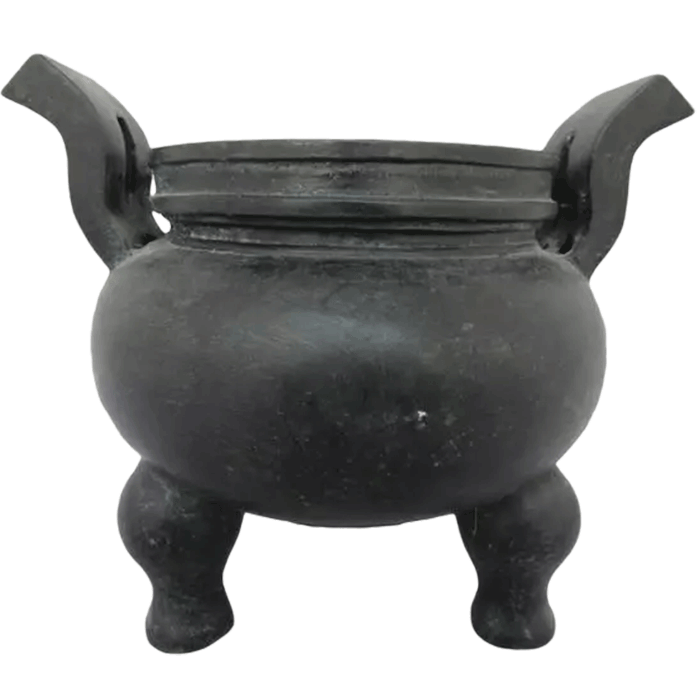
The famous ding is more commonly associated with food offerings rather than wine, but it belongs to the same broad world of ceremonial bronze. Its importance helps explain why vessel form became a language of rank and ritual. The scale and cultural significance of the ding can be seen in this discussion of the Houmuwu square cauldron.
How Should Modern Readers Understand These Objects?
A Chinese Bronze Wine Vessel should be understood as both a functional form and a cultural statement. It may have held a beverage, but it also carried the values of its makers and users: respect for ancestors, attention to ceremonial order, technical mastery, artistic expression, and social distinction.
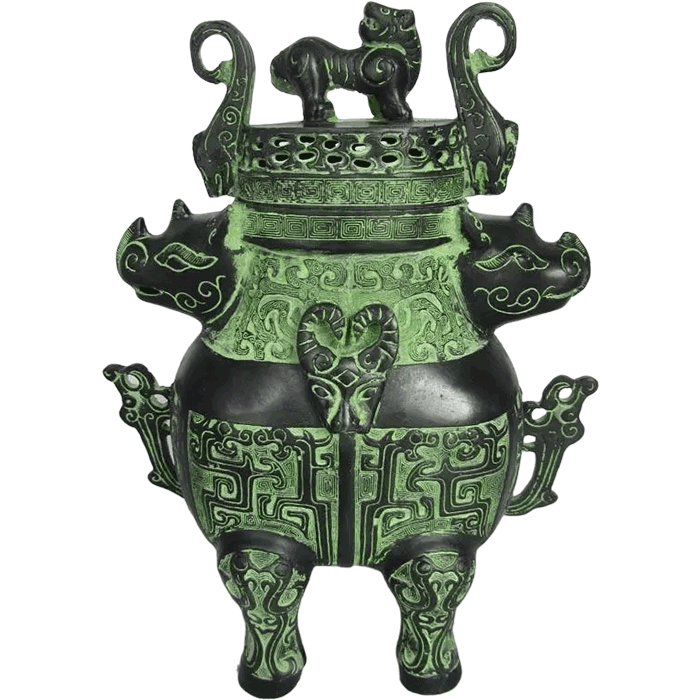
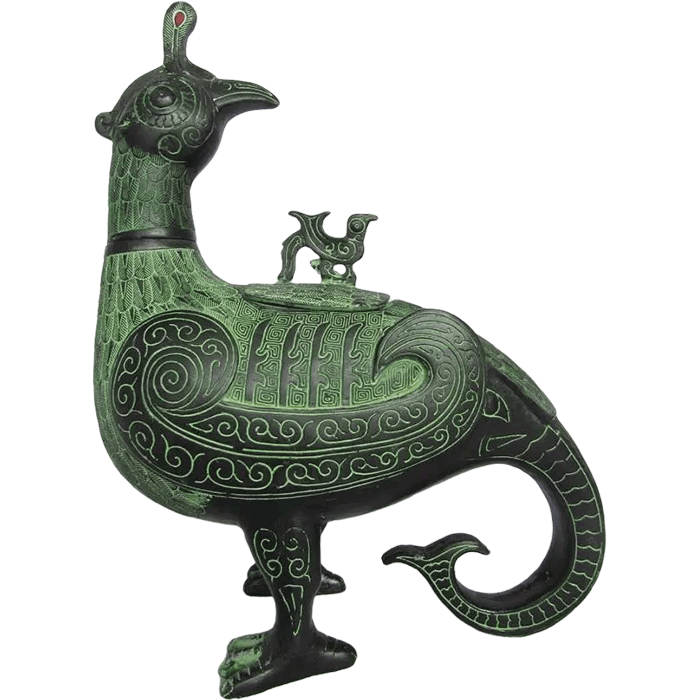
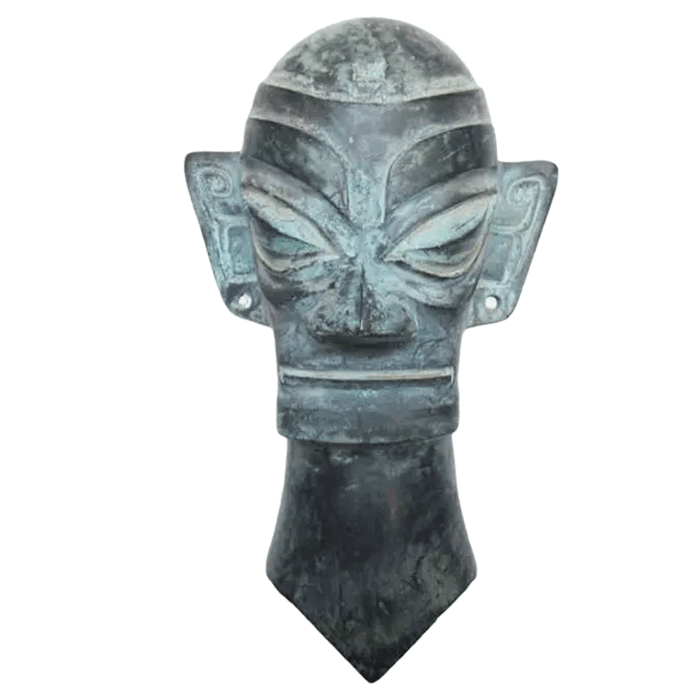
Modern museum displays, scholarly publications, and contemporary bronze reproductions can help audiences appreciate the visual richness of these works. However, it is important to distinguish ancient artifacts from modern decorative or commemorative creations. Historical objects gain much of their meaning from their original context, including where they were found, whether they were inscribed, what other objects accompanied them, and the period in which they were made.
For those studying the visual language of ritual objects, comparing vessels with related art forms can be useful. Bronze mirrors, bells, weapons, sculptures, and incense burners each reveal different aspects of metalworking traditions. The article on several bronze mirrors offers another perspective on how bronze was shaped into objects with both practical and cultural significance.
Today, skilled bronze artisans continue to use lost-wax casting, hand chasing, polishing, and patina work to create bronze artworks inspired by historical forms. At Luoyang Yichuan Bronze Craft Co., Ltd., craftsmen work with premium Cu-Sn bronze alloy and traditional casting methods for custom bronze artworks, sculptures, vessels, and decorative pieces. Such work can support educational displays, cultural projects, and appreciation of historic design while remaining clearly identified as modern production.
Key Takeaways
- Bronze wine wares were often connected with ancestral rites, ceremonial offerings, elite banquets, and lineage remembrance.
- Forms such as jue, jia, gu, zun, you, hu, and lei could serve different roles in heating, holding, pouring, presenting, or storing fermented beverages.
- Decoration and inscriptions added ceremonial, artistic, and historical meaning to the vessel.
- Bronze objects expressed technical capability, social rank, and participation in established ritual traditions.
- Careful interpretation requires attention to period, inscription, archaeological context, and the broader vessel assemblage.
By looking beyond the idea of a simple drinking container, readers can see why ancient bronze wine wares remain central to the study of Chinese ritual culture. Their forms preserve evidence of craftsmanship and ceremony, while their inscriptions and archaeological settings continue to deepen understanding of how early communities honored ancestors and expressed identity.