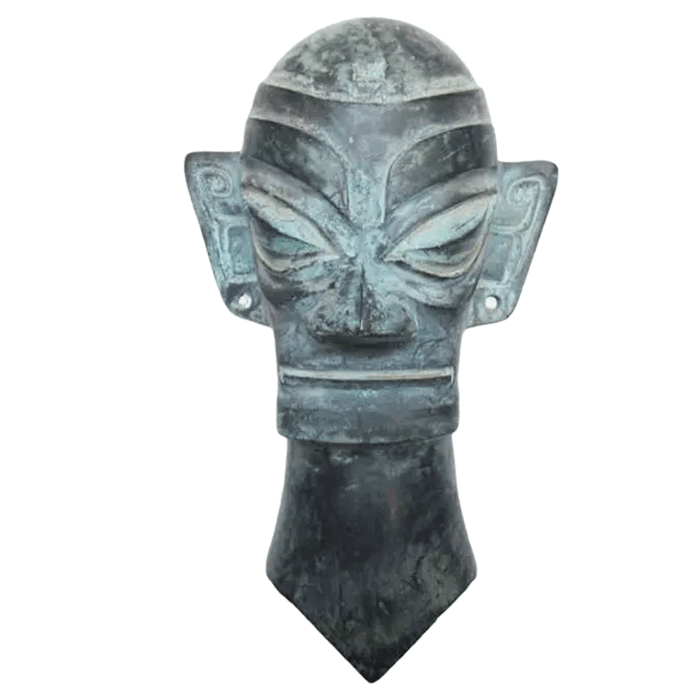
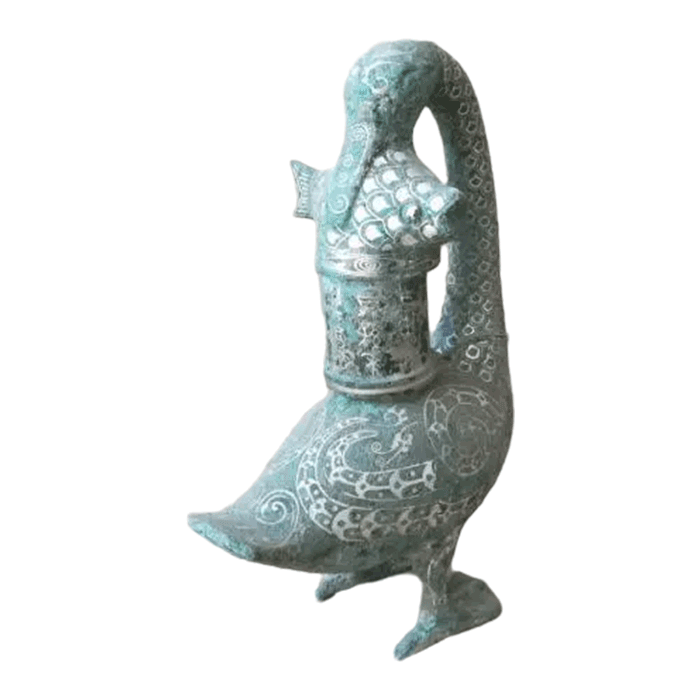
Chinese Bronze Sculpture: Ritual Vessels vs. Statues
Chinese Bronze Sculpture: Comparing Ritual Vessels and Statues for Buyers
For first-time collectors and import buyers, entering the world of Chinese bronze art can feel overwhelming. Two of the most prominent categories — ancient-style ritual vessels and figurative statues — represent very different design philosophies, production methods, and market applications. Understanding the distinctions helps buyers select pieces that truly match their display, educational, or resale goals, rather than making a purchase based on appearance alone.
At Luoyang Yichuan Bronze Craft Co., Ltd., we produce both categories in our 3,000-square-meter facility in Yichuan County, Luoyang — a region long recognized as a cradle of Chinese bronze culture. With over 30 skilled craftsmen, including bronze-casting masters and finishing artisans, we support everything from single custom prototypes to bulk production runs, giving buyers flexibility regardless of which category they choose.
What Defines a Bronze Ritual Vessel
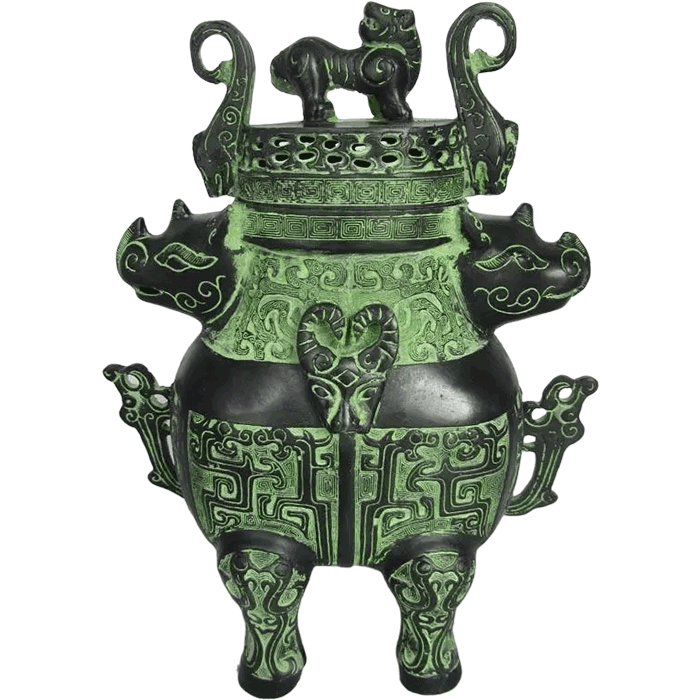
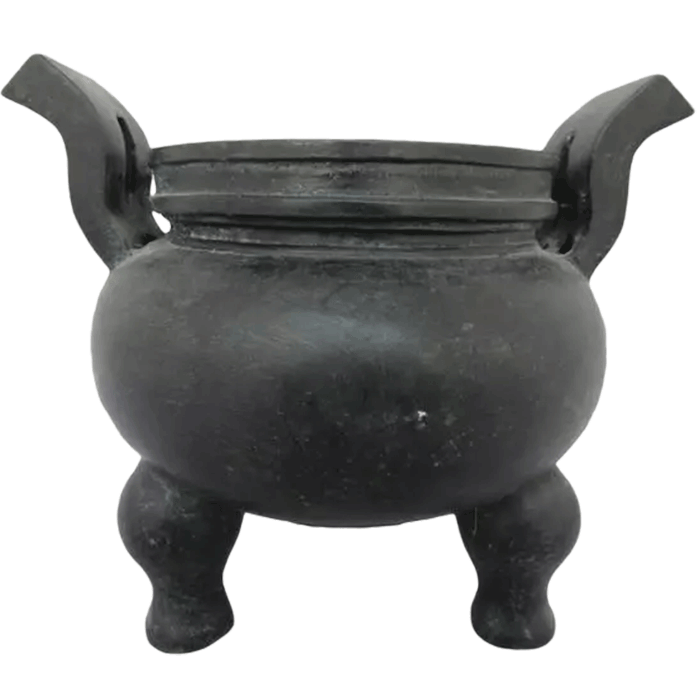
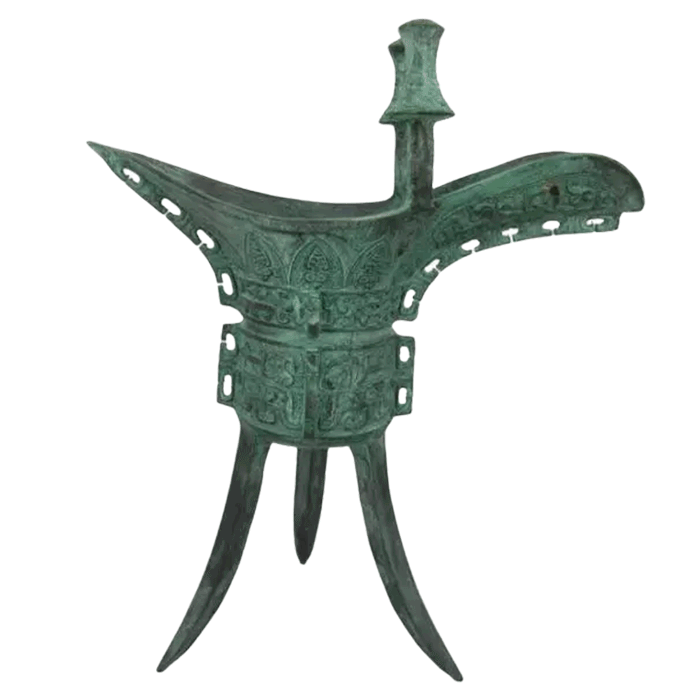
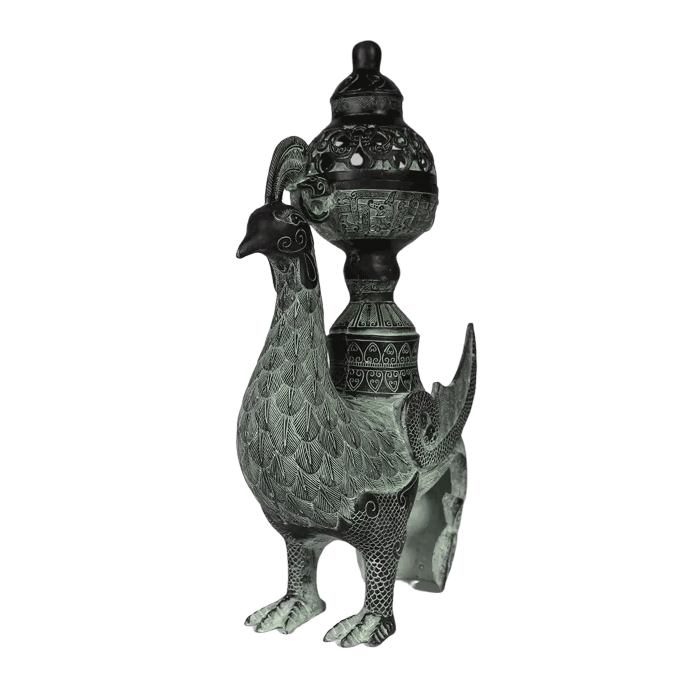
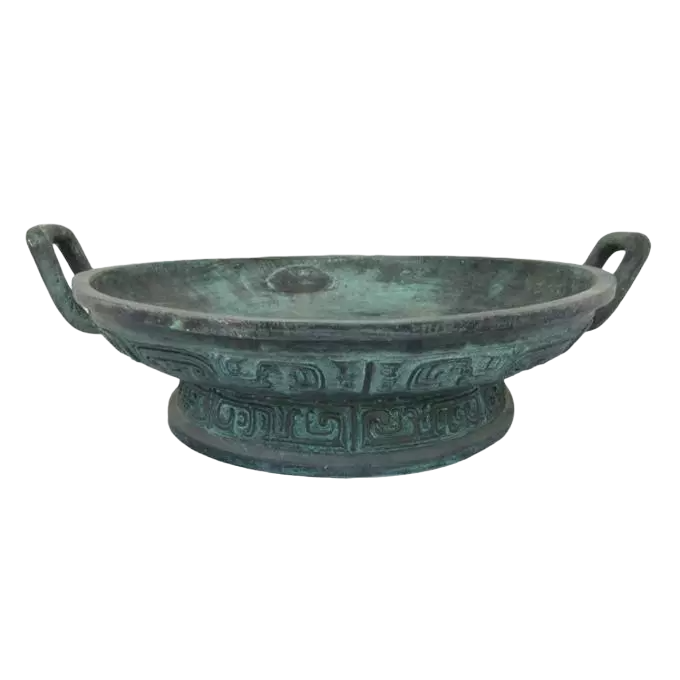
Ritual vessels — such as ding tripods, zun wine vessels, and hu vases — trace their origins back thousands of years to ceremonial and dynastic use. These forms were originally cast for ancestor worship, state ceremonies, and displays of political authority. Today, reproductions of these vessels are popular among museums, cultural institutions, hospitality venues, and collectors who want to reference China's dynastic history.
Design and Craftsmanship
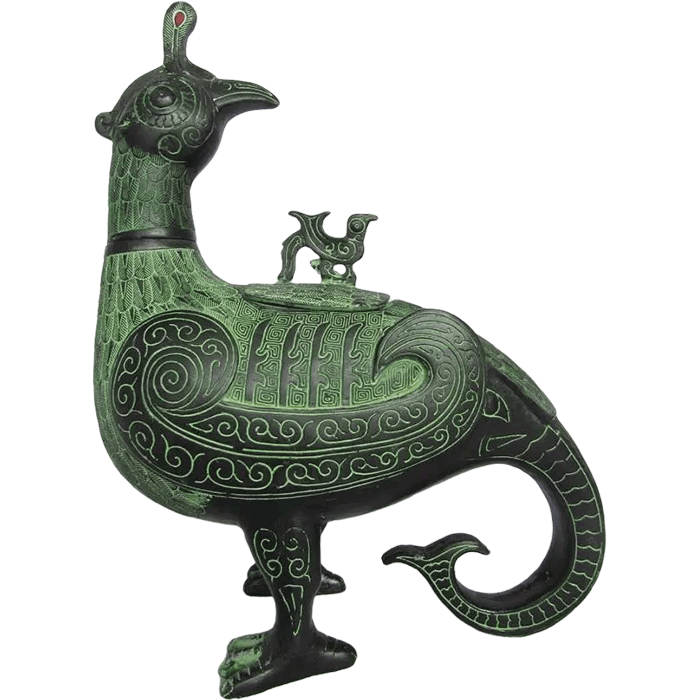
Traditional ritual vessels are known for dense surface ornamentation, including taotie masks, cloud-and-thunder patterns, and inscriptions. Replicating these details accurately requires exact mold work and careful attention to proportion — a task best suited to workshops with deep familiarity in classical bronze forms. Our team uses the traditional lost-wax casting method with premium bronze alloy (Cu-Sn), followed by hand chasing and patina finishing to achieve historically consistent surface color and texture.
Best Use Cases
- Museum-style educational displays
- Cultural exhibitions and heritage-themed interiors
- Corporate gifting tied to Chinese history or diplomacy
- Resale to collectors focused on dynastic reproductions
Buyers interested in the historical background of these forms may find it useful to review the evolution of bronze culture over 2000 years, which outlines how vessel shapes and functions changed across dynasties.
What Defines a Bronze Statue
Bronze statues cover a much broader design range, including human figures, animal sculptures, and religious icons such as Buddhist statues. Unlike ritual vessels, which are largely reproductions of historical forms, statues allow for greater creative flexibility — from faithful replicas of ancient artifacts to fully custom commissions designed for a specific space or narrative.
Design and Craftsmanship
Statue production still relies on the lost-wax casting process, but the finishing techniques often differ depending on the intended look. Antique-style statues use aged patina finishing to replicate excavated bronze tones, while modern commissions may use polished or selectively patinated surfaces for a contemporary presentation. Human and animal statues generally demand more attention to anatomical accuracy and dynamic posing than ritual vessels, which are largely defined by symmetry and surface pattern.
Best Use Cases
- Public and private garden installations
- Religious spaces requiring Buddhist statues
- Corporate lobbies and hospitality centerpieces
- Personalized commemorative or commissioned artworks
Buyers exploring figurative options can browse bronze statues with different themes or bronze statues with different themes to compare available styles before requesting a custom quote.
Key Differences That Affect Buyer Decisions
Production Complexity
Ritual vessels require precise replication of historical patterns, making surface detail and proportional accuracy the primary technical challenge. Statues, on the other hand, often require sculptural skill in posture, facial expression, and anatomical balance, particularly for human and animal figures. Both categories benefit from a workshop experienced in the full lost-wax casting workflow, including wax modeling, casting, hand chasing, and patina application.
Customization Potential
While vessels can be customized in size and inscription, most buyers select from established historical templates to preserve authenticity. Statues offer far more room for customization — buyers can commission original designs, request specific poses, or blend traditional and modern aesthetics. With an MOQ starting from a single piece, custom sculpture orders are accessible even for buyers testing a new product line or a one-off commemorative piece. Buyers who want a design built from scratch can explore how to customize a bronze sculpture from sculpmart.com.
Patina and Finish Consistency
One common pain point for import buyers is inconsistent patina color across a batch of products, especially when ordering multiple units for a matched display. Whether producing ritual vessels or statues, patina color matching requires controlled chemical treatment and experienced finishing artisans. This is particularly important for buyers placing bulk orders for resale, where visual consistency directly affects perceived quality.
Packaging and Export Considerations
Bronze sculptures and vessels are fragile and often heavy, making export-compliant packaging essential to prevent damage during international shipping. Products should be inspected before shipment, with protective packaging designed specifically for bronze castings rather than generic industrial packing. This reduces the risk of surface scratches, patina damage, or structural cracks upon arrival.
Choosing Between Vessels and Statues for Your Purpose
For Educational or Cultural Display
If the goal is to represent Chinese dynastic history accurately — for a museum exhibit, university collection, or cultural center — ritual vessels are typically the stronger choice. Their forms and inscriptions carry direct historical reference points, making them ideal teaching tools. Readers interested in specific historical vessel types may enjoy learning about the Zenghouyi chime bell and Qinshihuang mausoleum bronze chariots and horses, both significant examples of ancient bronze artistry.
For Decorative or Commemorative Purposes
If the goal is visual impact, personalization, or spiritual significance — such as garden ornamentation, religious devotion, or corporate branding — statues generally offer more flexibility. A Chinese Bronze Sculpture in statue form can be tailored to represent a specific figure, animal, or narrative relevant to the buyer's brand or personal story.
For Resale Businesses
Resale buyers should consider which category aligns with their customer base. Buyers targeting collectors of antiquities may lean toward vessels, while buyers targeting interior designers, religious retailers, or gift markets may find statues more versatile. In many cases, a combined catalog — offering both vessels and statues — allows resale businesses to serve a wider range of customers.
Quality Assurance and After-Sales Support
Regardless of category, buyers should confirm that a supplier follows a structured quality process. Our operation is ISO 9001 certified, and products comply with export quality inspection standards for art crafts. Every shipment undergoes inspection prior to dispatch, and we provide free replacement for casting defects. For buyers concerned about long-term maintenance, we also offer after-sales support for patina touch-ups and restoration guidance — an important consideration for bronze pieces that may require occasional care after years of display.
With an annual output of over 50,000 bronze art pieces, our workshop supports both large bulk orders and small custom runs without compromising on finishing quality. This scalability is particularly relevant for resale buyers who may start with a small trial order before committing to larger production volumes.
Final Considerations for First-Time Buyers
Before placing an order, buyers should clarify their primary objective: historical accuracy, decorative impact, religious use, or resale versatility. Ritual vessels serve buyers seeking authentic reproductions of dynastic ceremonial forms, while statues serve buyers seeking figurative, customizable, or spiritually significant pieces. Both categories rely on the same core craftsmanship — lost-wax casting, hand chasing, and patina finishing — but differ significantly in design intent and application.
To explore the full range of available forms, including antique reproductions and modern interpretations, visit our Chinese bronze sculpture collection or browse bronze statues with different themes for figurative options. For buyers who want to understand our background and production capabilities in more depth, our about Sculptmart page outlines our facility, certifications, and craftsmanship heritage rooted in Luoyang's 3,000-year bronze tradition.