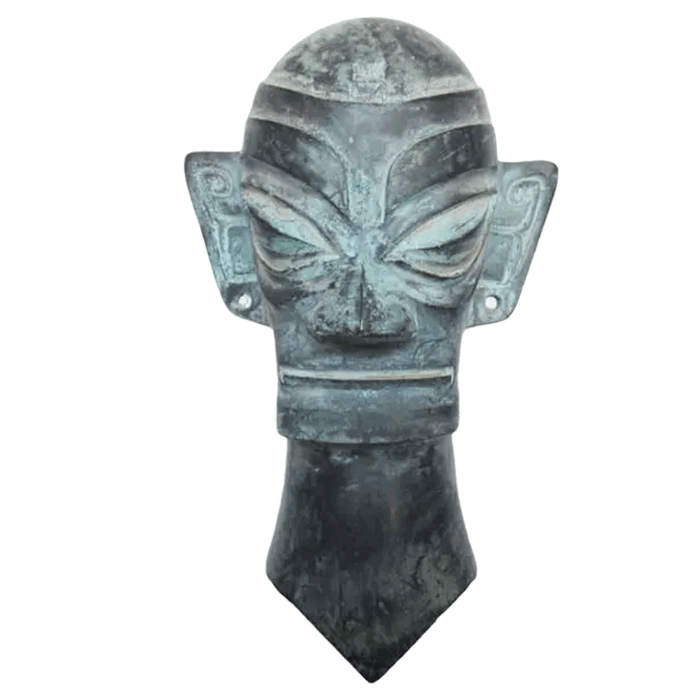
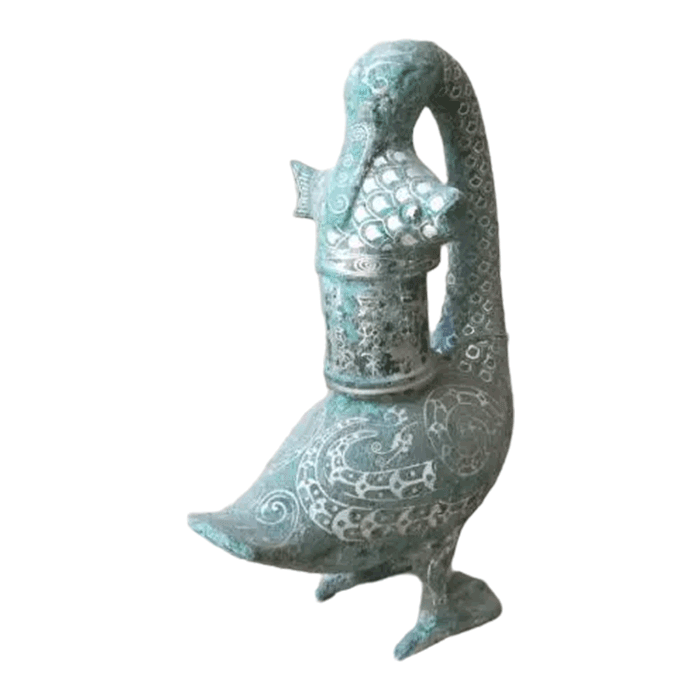
Chinese Bronze Sculpture Ritual Use FAQs
Chinese Bronze Sculpture Helps Explain Ancient Ritual Life
Ancient bronze objects are often admired today for their weight, surface detail, animal motifs, and historical appearance. However, many were originally created for purposes that went far beyond decoration. Understanding ritual use gives buyers, collectors, museums, designers, and cultural-art readers a clearer way to evaluate the form, meaning, and appropriate presentation of a Chinese Bronze Sculpture.
In early Chinese societies, bronze could communicate rank, support ancestral ceremonies, hold food or wine, produce music, or reinforce political authority. A vessel’s shape, inscription, handles, feet, lid, and ornament were not random artistic choices. They often reflected its role in a ritual setting and the social position of the person or family that owned it.
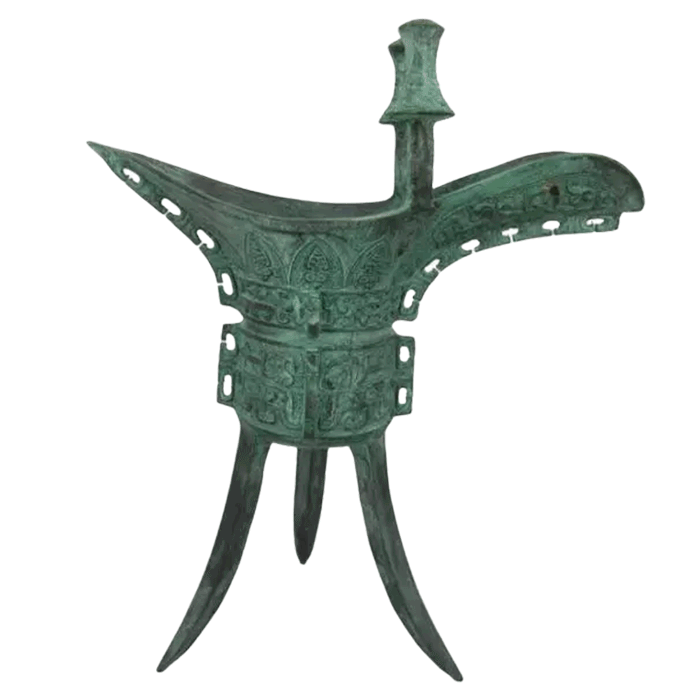
Why Were Bronze Objects Important in Ancient Rituals?
Bronze became a significant material because it was durable, difficult to produce, visually impressive, and suitable for casting complex forms. In ancient periods, the resources, technical knowledge, labor, and organization required to make large bronze vessels meant that these objects could express authority as well as belief. Their use in ceremonies made them visible symbols of lineage, political legitimacy, and respect for ancestors.
Ritual activities commonly involved presenting food, wine, water, or other offerings. Bronze vessels could be arranged in formal groups according to their intended functions. Some were made for cooking or holding food, while others were made for warming, serving, storing, or pouring wine. Musical bronzes, mirrors, weapons, and ceremonial figures could also appear in broader cultural or funerary contexts.
For a useful historical overview, buyers may explore bronze culture over 2000 years. This context is valuable when evaluating a modern reproduction or custom artwork because it helps distinguish a vessel’s original cultural purpose from its current role as a display object.
Were all bronze items used in religious ceremonies?
No. Although ritual use was highly important, not every bronze object had the same ceremonial function. Some objects were practical items with elite associations, while others were intended for burial, court use, military use, domestic display, or personal adornment. The surviving object must be considered by type, period, excavation context, decoration, inscriptions, and condition.
For example, a large ding vessel may be associated with food offerings and ritual banquets, while a bronze mirror may have had personal, symbolic, decorative, or burial-related significance. A Buddhist statue belongs to a different religious and artistic tradition from earlier ritual wine vessels. Therefore, it is inaccurate to describe every antique-style bronze object simply as “ritual bronze.”
What Functions Did Major Ritual Vessel Types Serve?
Bronze vessel names are useful because each form often relates to a traditional purpose. While scholars may debate details according to period and archaeological evidence, the general categories help readers recognize why shapes differ so much.
What was a ding used for?
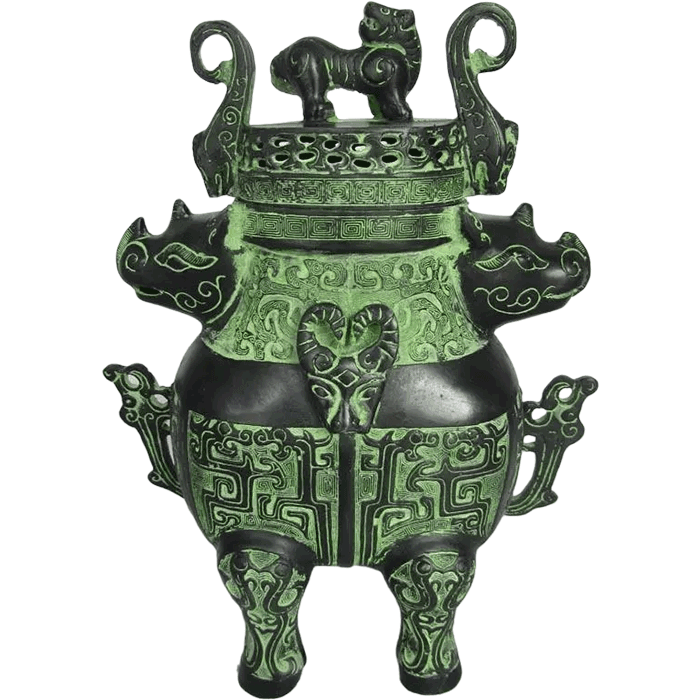
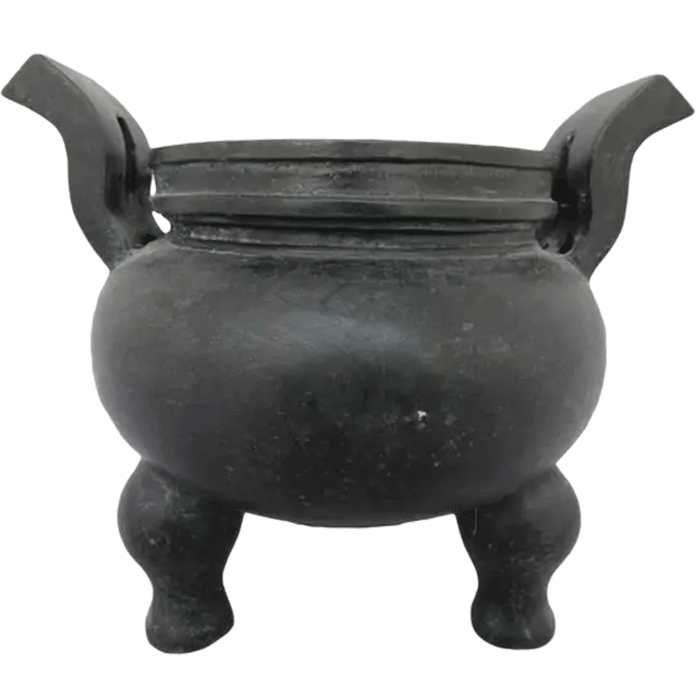
A ding is one of the best-known ancient bronze vessel forms. It commonly has a round or rectangular body supported by legs, sometimes with two upright handles. Traditionally, ding vessels were associated with cooking or presenting food during ritual ceremonies. Their strong, stable form also made them a lasting symbol of authority and prestige.
Large ding vessels were especially meaningful because the amount of metal and labor required to produce them indicated substantial resources. In later cultural interpretation, the ding became a recognizable symbol of heritage, ceremony, and institutional dignity. Readers interested in this vessel type can review the Houmuwu square cauldron as a reference point for understanding the monumental presence of a square ding.
What were zun and hu vessels used for?
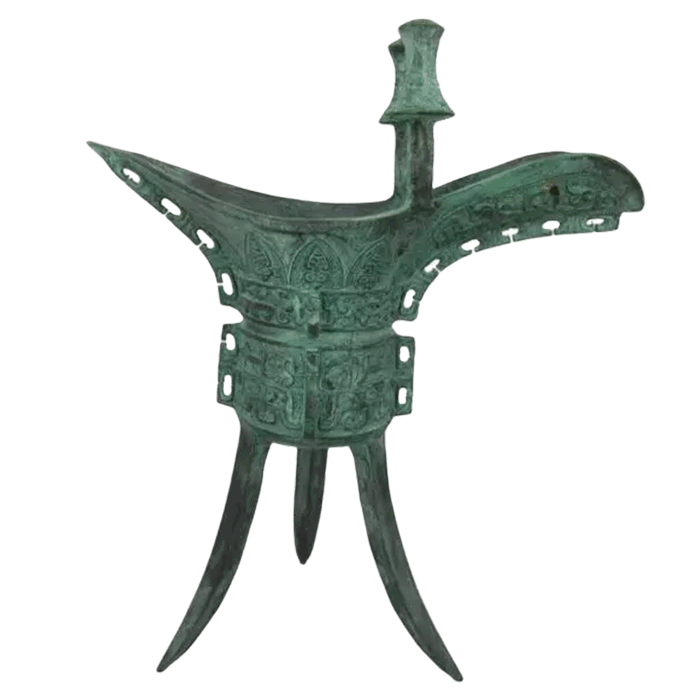
Zun and hu are generally associated with wine storage, presentation, or service in ceremonial settings. A zun often has a broad or distinctive profile and may feature elaborate animal-shaped or geometric decoration. A hu commonly has a pear-shaped or rounded body with a narrower neck and may include handles or ring fittings.
Wine played an important role in ancestral and elite ceremonies. The vessel was not merely a container; it could help establish the order and dignity of the event. Its surface decoration, proportion, and placement within a set could contribute to the ceremonial experience. Modern bronze vessels inspired by these forms are frequently selected for cultural displays, hospitality interiors, museums, public spaces, and private collections.
Why did some vessels have three or four legs?
Tripod and quadruped forms provided stability and could support a vessel above a heat source where appropriate. Legs also contributed to visual strength. A three-legged vessel has a balanced, dynamic profile, while four-legged square forms can appear more formal and architectural. In ritual settings, these structural elements could reinforce the vessel’s importance rather than serving as simple decoration.
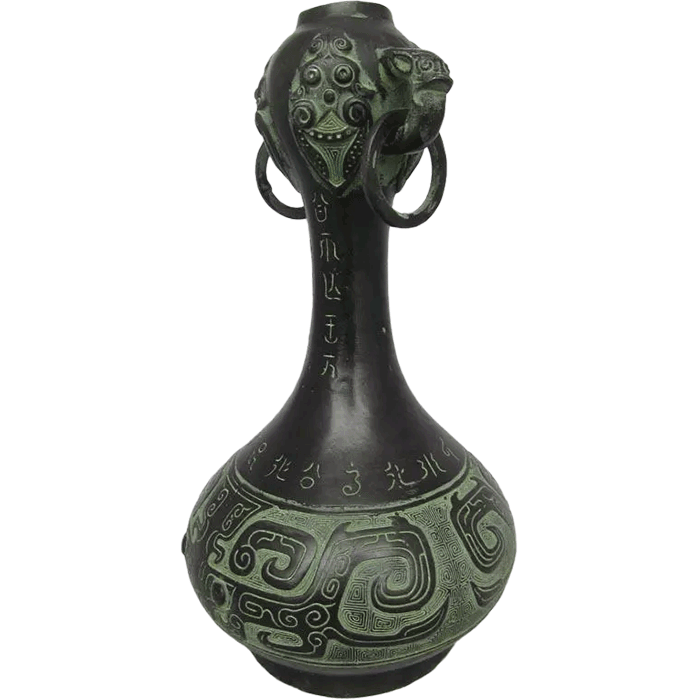
Did Animal Motifs Have Ritual Meanings?
Animal motifs are among the most recognizable features of ancient Chinese bronzes. Dragons, birds, tigers, rams, owls, serpents, and composite creatures appear in many forms. One well-known motif is the taotie, a mask-like design often arranged symmetrically across the surface of a vessel. These images can create a powerful visual effect through raised relief, curved lines, and repeated patterns.
It is important not to assign one fixed meaning to every animal image. Interpretations can vary by period, region, object type, and scholarly viewpoint. Some motifs may relate to cosmology, spiritual communication, protection, social status, or artistic convention. In many cases, the precise original meaning remains uncertain. A responsible buyer or curator should avoid presenting speculation as proven fact.
What can be stated with confidence is that motifs were integral to the identity of many ritual objects. They helped transform a functional container into a formal ceremonial work. The choice between a plain surface, a geometric border, an animal-head handle, or a dense relief pattern materially changes the visual language of the piece.
Were animal-shaped bronzes always ceremonial?
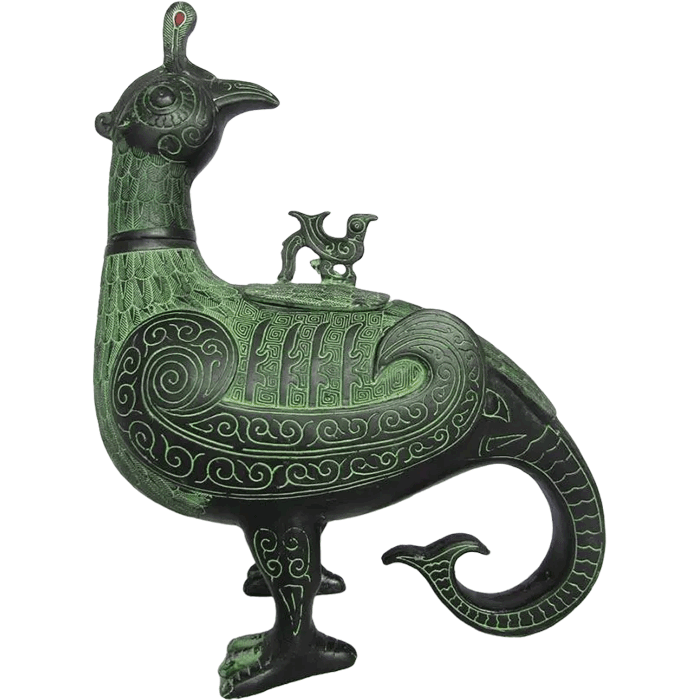
Not always, but animal forms could carry ceremonial importance. Some objects used animal imagery as decoration, while others were cast directly in animal shapes. The form might reference power, protection, nature, ancestry, or a specific visual tradition. Context remains essential. An animal-shaped vessel found in a tomb or ritual deposit may be interpreted differently from a later decorative animal statue created for architectural or interior display.
For modern projects, animal motifs should be selected with care. A museum-oriented reproduction may require close attention to historical proportions and surface patterns, while a contemporary bronze artwork may use a simplified animal form and a modern patina. The intended setting should guide the final design direction.
How Did Ancestor Worship Relate to Bronze Vessels?
Ancestor worship was a central element of many early Chinese ritual traditions. Ceremonies could involve making offerings to deceased family members and affirming the continuity of the lineage. Bronze vessels offered a durable and prestigious medium for these occasions. Some were cast with inscriptions that recorded names, events, family relationships, honors, or dedications.
These inscriptions make bronzes especially valuable as historical sources. They can provide information beyond the object’s visual form, including evidence of social networks, political events, gifts, appointments, and family memory. A vessel with an inscription was not only an artistic object; it could function as a permanent statement of identity and commemoration.
The original ritual setting was therefore highly structured. The object, the offering, the participants, the location, and the ancestral relationship could all matter. When contemporary audiences encounter a bronze vessel in a gallery or reception area, they are seeing an object removed from that original setting. This is one reason interpretation panels, catalog descriptions, and careful design choices are important.
Were bronze vessels placed in tombs?
Many bronze objects were placed in tombs, but burial use should not automatically be treated as identical to everyday use. Some bronzes may have been used in life before burial, while others were made or selected specifically for funerary purposes. Tomb assemblages can reveal wealth, rank, ceremonial practice, and beliefs about commemoration or the afterlife.
Because archaeological context matters, an object’s original function cannot always be determined from its appearance alone. A modern replica or inspired artwork should be described accurately as a reproduction, interpretation, or custom bronze piece rather than being presented as an excavated antique.
What Should Buyers Know When Ordering Ritual-Inspired Bronze Works?
For buyers sourcing ritual-inspired vessels, sculptures, incense burners, mirrors, or Buddhist figures, the first decision is whether the project requires historical replication, period-inspired design, or a contemporary interpretation. These are different objectives and should be discussed clearly before modeling or casting begins.
Historical replication may require reference photographs, dimensions, drawings, inscription details, motif placement, and patina requirements. A contemporary interpretation may retain the visual language of a ding, zun, hu, or animal motif while adjusting scale, function, or surface treatment for a hotel, landscape, residence, exhibition, or public art program.
Luoyang Yichuan Bronze Craft Co., Ltd. produces bronze sculptures, vessels, mirrors, incense burners, Buddhist statues, and custom bronze artworks. The company uses premium Cu-Sn bronze alloy and the traditional lost-wax casting method, with hand chasing, polishing, and patina finishing available for antique or modern appearances. These capabilities are particularly relevant when a project requires detailed motifs, balanced vessel proportions, or controlled surface color.
For a project that begins with a drawing, reference object, or concept model, buyers can customize a bronze sculpture through a process that defines dimensions, sculptural details, finish expectations, and packaging requirements before production.
Can one custom bronze piece be ordered for a museum or design concept?
Yes. The company supports custom work from one prototype to bulk production runs, with a minimum order quantity from one piece for custom sculptures. Bulk order requirements can be discussed according to size and design complexity. This flexibility helps architects, galleries, cultural institutions, and designers assess a concept before committing to a larger installation or coordinated series.
Its production area in Yichuan County, Luoyang, Henan Province covers 3,000 square meters and is supported by more than 30 skilled craftsmen, including bronze-casting masters and finishing artisans. With annual output exceeding 50,000 bronze art pieces, the workshop has capacity for both individual custom works and broader bronze décor programs without reducing the importance of design communication.
How should patina be specified for an antique-inspired object?
Patina should be specified as a visual target rather than described only as “old bronze.” Buyers should identify preferred tones such as dark brown, warm brown, blackened bronze, green oxidation-style coloring, or a more restrained contemporary finish. Reference images are useful, but the final appearance should also account for lighting, installation location, surface texture, and maintenance expectations.
For antique-inspired orders, consistent patina color matching is especially important across a set of vessels or figures. Luoyang Yichuan Bronze Craft Co., Ltd. provides hand finishing and patina options and offers after-sales support for patina touch-ups and restoration guidance. This can be valuable for long-term display projects where surface continuity matters.
How Can Buyers Assess Quality and Authentic Presentation?
Quality assessment should begin with material, casting quality, structural stability, surface finishing, and packing protection. Bronze pieces may include fine relief lines, narrow handles, extended animal features, or thin decorative edges that require careful handling during production and transport. A visually convincing ritual-inspired object should have clear detail without distracting seams, unstable joins, or inconsistent finishing.
Luoyang Yichuan Bronze Craft Co., Ltd. operates under an ISO 9001 quality management system and its products comply with export quality inspection standards for art crafts. Quality inspection is completed before every shipment, and casting defects qualify for free replacement. For fragile sculptures and complex vessel forms, export-compliant protective packaging is an important practical part of the sourcing process.
Buyers should also request clarity on the object’s description. If a work is based on an ancient bronze, it should be identified as a reproduction or inspired piece. If it has been redesigned for modern use, that should be stated in the product narrative. Accurate wording protects cultural integrity and allows end users to appreciate both the ancient reference and the craftsmanship of the new work.
Is bronze the same as brass for ritual-style objects?
No. Bronze and brass are different copper-based alloys with different compositions and visual characteristics. Bronze is commonly associated with copper and tin, while brass is generally associated with copper and zinc. Material selection can affect color, casting behavior, durability, surface finishing, and the historical appropriateness of an object. Buyers comparing materials can consult bronze and brass differences before finalizing specifications.
Frequently Asked Questions About Ritual Bronzes
Were ritual bronzes only for rulers and nobles?
Large and elaborate bronzes were strongly connected with elites because they required substantial material resources and skilled labor. Access and use changed across different historical periods, but high-status families and political leaders were especially associated with major ritual bronze assemblages.
Can ritual vessel designs be used in modern interiors?
Yes. Ding, zun, hu, tripod, animal, and mirror-inspired forms can be used in modern interiors when their cultural reference is explained respectfully. They may serve as focal points in hotel lobbies, offices, villas, cultural venues, tea spaces, and landscape settings. Scale, finish, lighting, and placement should suit the environment.
What is the best way to begin a custom order?
Prepare the intended size, installation location, reference images, desired patina, quantity, and deadline. If historical accuracy is required, provide multiple views and clear measurements. If the goal is an original design, explain the desired symbolism and visual style. This information allows the casting team to recommend a practical approach for modeling, lost-wax casting, finishing, inspection, and protective packing.
By examining original ritual functions first, buyers can make more informed decisions about form, symbolism, and presentation. A Chinese Bronze Sculpture becomes easier to evaluate when its artistic appearance is considered alongside its ancient role in ceremony, ancestry, food and wine offerings, music, memory, and social status.