Chinese Bronze Replicas for Resale: Buyer Guide
Chinese Bronze Replicas for Resale Require Careful Product and Supplier Evaluation
Importers, gift wholesalers, museum-shop buyers, and home decor retailers need more than an attractive product photo when sourcing bronze artwork. A successful resale program depends on selecting designs that suit the target market, verifying casting and finishing capability, controlling landed-cost risks, and receiving products in condition ready for display or onward shipment.
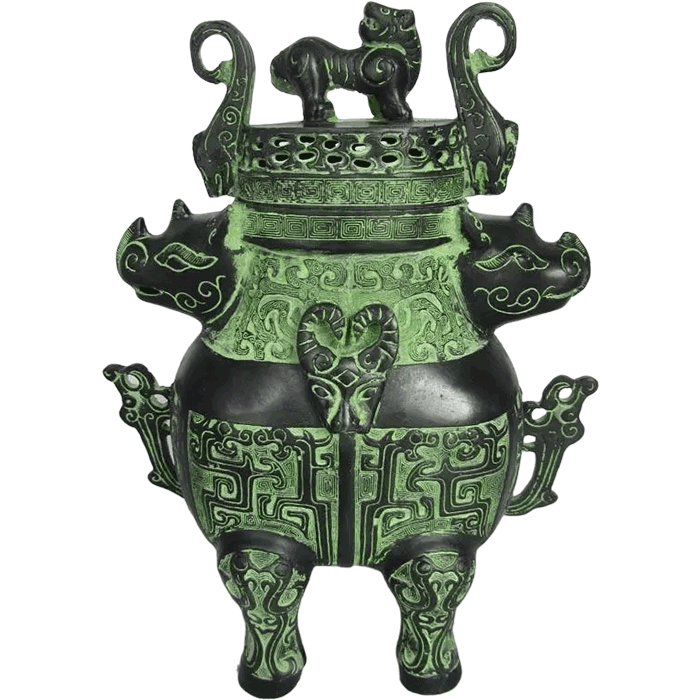
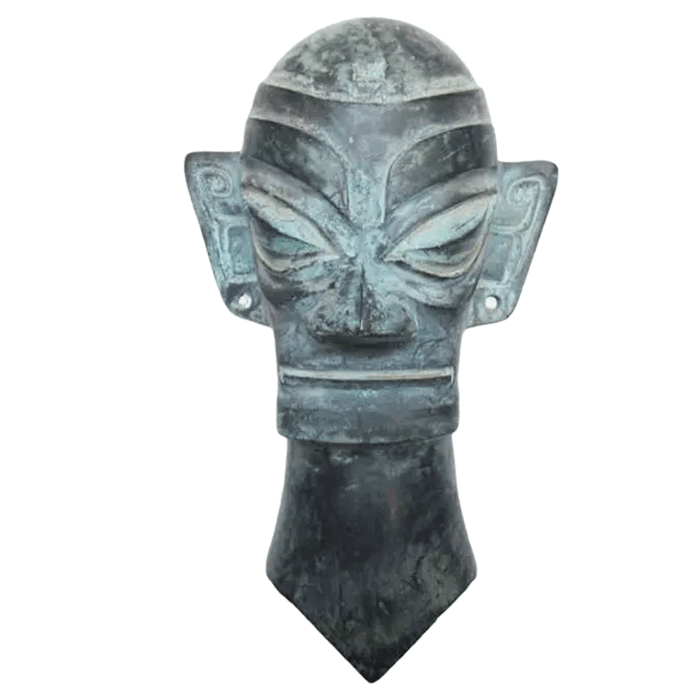
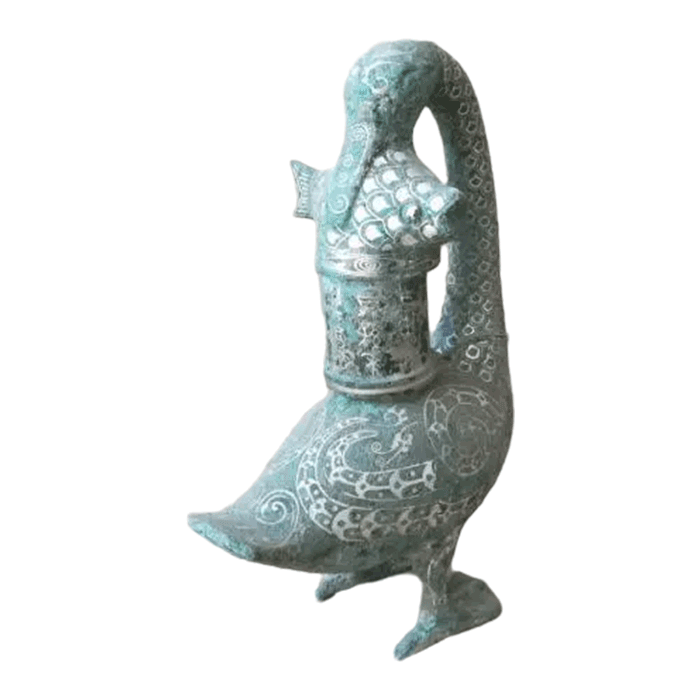
Chinese Bronze Replicas can include ceremonial vessels, animal figures, human sculptures, Buddhist statues, incense burners, mirrors, and decorative objects inspired by historical forms. The right assortment can serve collectors, cultural gift buyers, interior designers, hospitality projects, and consumers looking for distinctive metal decor. However, bronze products vary substantially in alloy selection, detail quality, patina consistency, weight, packaging requirements, and production complexity.
This guide explains how to compare suppliers before requesting samples or an initial quotation. It is designed for professional buyers who need practical standards for building a dependable bronze product range rather than making a one-time decorative purchase.
Define the Resale Position Before Selecting Chinese Bronze Replicas
The first sourcing decision is not the supplier; it is the position of the collection in your market. Bronze items can be sold as premium cultural gifts, traditional home accessories, garden sculptures, spiritual decor, collector-oriented reproductions, or statement pieces for commercial interiors. Each category has different expectations for size, detail, finish, retail packaging, and price.
Begin by identifying who will buy the items and how they will be sold. A gift wholesaler may prioritize manageable sizes, attractive patina, clear product themes, and protective individual cartons. A decor retailer may want larger sculptures with visually strong silhouettes. An importer serving cultural institutions or specialist stores may seek historically inspired vessels, bronze mirrors, and works with complex surface ornament.
Build an Assortment Around Clear Product Families
A focused assortment is usually easier to merchandise than a broad selection of unrelated objects. Consider organizing initial sourcing into several product families:
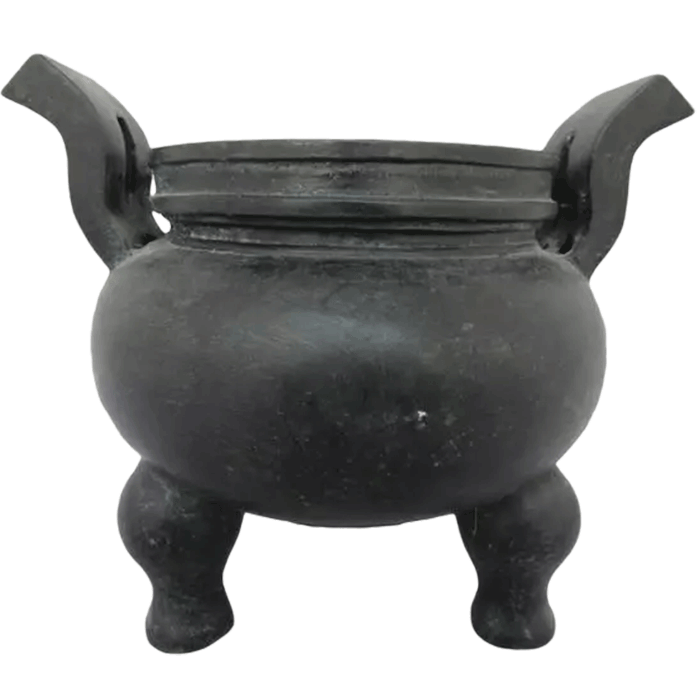
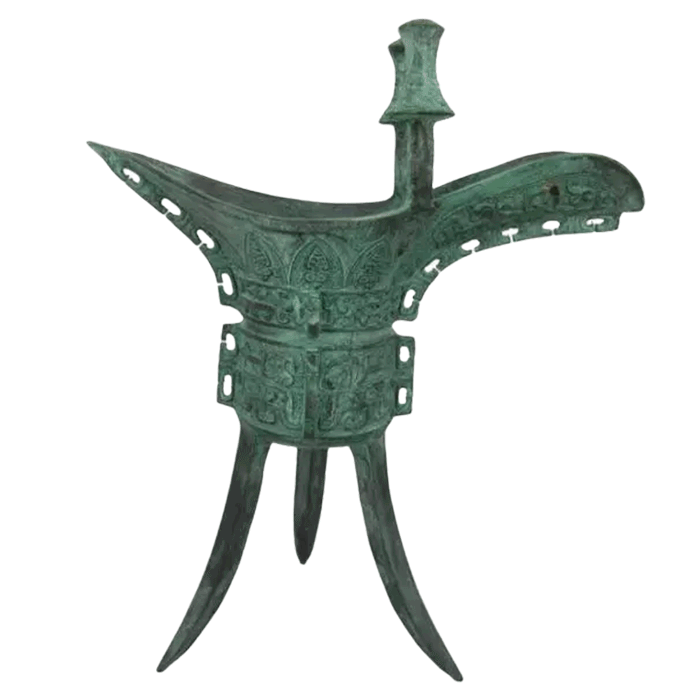
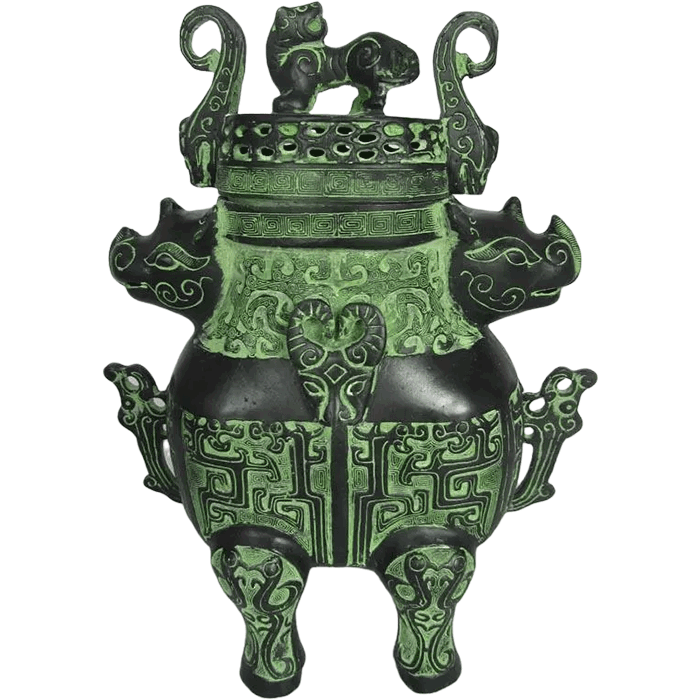
- Bronze vessels: Ding, zun, hu, tripod vessels, vases, and other forms can provide a strong historical and ceremonial visual identity.
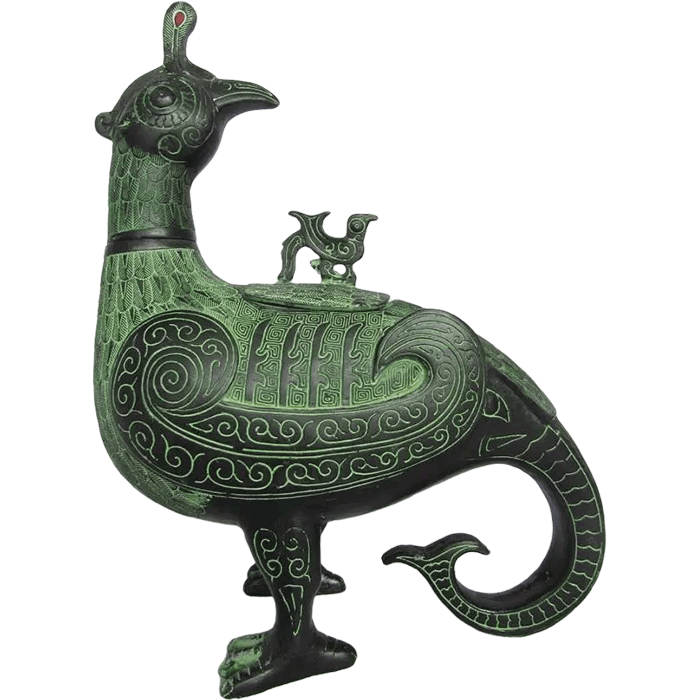
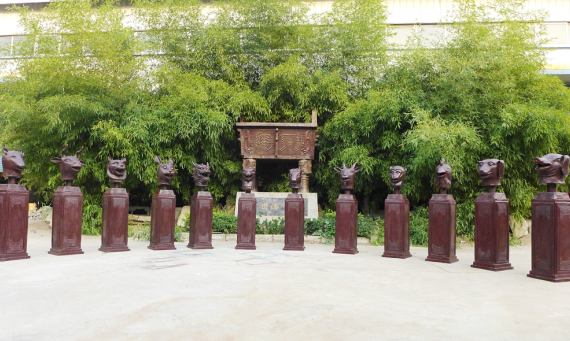
- Animal sculptures: Horses, lions, mythical creatures, birds, and other animal subjects suit garden, office, hospitality, and home decor channels.
- Human statues: Figures may appeal to collectors and customers looking for cultural, artistic, or commemorative decor.
- Buddhist statues: These products require especially careful presentation, correct product descriptions, and respectful retail positioning.
- Functional decorative objects: Incense burners, mirrors, and vessels can broaden a collection with objects that have both display and practical value.
- Custom artworks: Exclusive designs, adapted dimensions, branded bases, or client-specific details can help a retailer differentiate its range.
For product inspiration, buyers can review a range of Chinese bronze sculpture styles before defining a sourcing brief. The objective is not to select every possible item at once, but to identify a coherent group that matches your sales channel.
When reviewing historical references, distinguish between “inspired by,” “reproduction,” and “antique” in your own product descriptions. Newly made bronze artwork should be marketed accurately as a modern production or replica where appropriate. Buyers should also ensure that their product names, marketing materials, and import documentation comply with the laws and intellectual property requirements of their destination market.
Evaluate Material, Casting Method, and Surface Detail
The appearance of bronze is important, but a reseller should also understand how the object is made. Product photographs may not reveal thin cast sections, incomplete detail, uneven joins, rough finishing, or a finish that does not match the approved reference. Asking structured production questions helps buyers compare quotations on more than price alone.
Luoyang Yichuan Bronze Craft Co., Ltd. uses premium Cu-Sn bronze alloy and the traditional lost-wax casting method. Lost-wax casting is particularly suitable for sculptures and decorative work requiring dimensional form, refined relief, textured surfaces, and complex ornament. After casting, hand chasing, polishing, and patina finishing can be used to refine the final appearance.
What to Check in a Bronze Sample
A physical sample is the most reliable way to evaluate a prospective resale item. When samples arrive, inspect them under direct and indirect light. Compare the sample with the approved product image, drawing, or reference piece, and document any changes needed before bulk production.
- Check whether the silhouette and proportions match the approved reference.
- Look closely at decorative lines, inscriptions, facial features, scales, feathers, handles, feet, and relief patterns.
- Inspect seams, joins, and edges for excessive roughness or visible finishing marks.
- Confirm that the base is stable and suitable for the intended display surface.
- Assess the weight in relation to the item size and intended retail positioning.
- Review the patina in daylight and indoor lighting, especially on raised details and recessed areas.
- Check whether the item has sharp points, delicate projections, removable parts, or other features that affect packaging needs.
A bronze finish should support the character of the design. Antique-style patinas can create visual depth and emphasize carved or cast ornament, while cleaner modern finishes may suit contemporary interiors. For collections with several related products, color consistency matters. Buyers should submit an approved color reference and clarify whether variations within a handmade patina range are acceptable.
It is also useful to learn the material distinction between bronze and other copper-based metals before comparing supplier offers. This overview of the bronze and brass difference can help purchasing teams ask more informed questions about material descriptions and intended appearance.
Choose Designs That Balance Detail, Durability, and Retail Practicality
Highly detailed designs can create stronger perceived value, but they may also require more finishing time and more protective packaging. For resale, the best item is not necessarily the most elaborate item. It is the product that meets your brand position while remaining practical to transport, stock, display, and sell repeatedly.
For example, a large vessel with thin handles or projecting ornaments may require custom foam protection and a reinforced crate. This can be appropriate for a premium interior project or specialist retailer, but may be less efficient for a general gift program. Smaller incense burners, mirrors, and compact figurines may be easier to pack individually and replenish regularly. Larger animal statues can create visual impact in a showroom but should be selected with freight weight and storage capacity in mind.
Consider the Final Retail Environment
Ask how and where the product will be displayed. A heavy bronze horse intended for a hotel lobby has different requirements from a table-top incense burner sold through an online gift retailer. The following questions can help define a workable product specification:
- Will the item be placed on a shelf, table, floor, outdoor pedestal, or wall?
- Does the retailer need an individual retail carton, a plain export carton, or both?
- Will customers handle the item in a store, requiring stable bases and safe edges?
- Does the product need a product story card, care instructions, or country-of-origin information supplied by the importer?
- Will the item be sold one at a time, as a themed set, or as part of a larger decorative collection?
- Does the design include fragile areas that may increase damage risk during warehousing and final delivery?
Historical forms can be useful for creating a themed range. For example, a buyer considering ritual-vessel shapes may study the visual characteristics of the Houmuwu square cauldron as a reference point for discussing square ding forms, handles, feet, and decorative proportions. A supplier should be able to work from clear drawings, dimensions, photographs, or physical references when developing a custom item.
Compare Supplier Capability Beyond the Unit Price
A low quotation may not represent the best total value if the supplier cannot match the requested finish, support sample development, maintain repeatability, or pack fragile pieces securely. For bronze sourcing, buyers should compare manufacturing resources, quality processes, communication clarity, and willingness to document specifications.
Luoyang Yichuan Bronze Craft Co., Ltd. is located in Yichuan County, Luoyang, Henan Province, with a 3,000-square-meter production area and more than 30 skilled craftsmen, including bronze-casting masters and finishing artisans. The company reports annual output of more than 50,000 bronze art pieces and supports orders ranging from a single custom prototype to bulk production runs.
For a reseller, this flexibility can be relevant when testing a new category. Rather than committing immediately to a large assortment, buyers may begin with a prototype or selected sample set, then evaluate product response, retail pricing, packaging performance, and repeat-order requirements. Custom sculpture orders can start from one piece, while bulk-order arrangements can be discussed according to design complexity and size.
Questions to Include in an Initial Request for Quotation
A detailed request reduces misunderstanding and makes supplier comparisons more meaningful. Include the following information in your first inquiry:
| Information to Provide | Why It Matters |
|---|---|
| Reference photos or drawings | Helps the supplier understand design details, proportions, and required visual style. |
| Dimensions and target weight range | Supports material planning, packing design, and freight estimation. |
| Requested finish | Defines whether you need an antique, dark, green, polished, or modern-looking patina. |
| Expected order quantity | Allows the supplier to assess production planning and quote appropriately. |
| Packaging expectations | Identifies whether export protective packaging, individual boxes, or special handling is needed. |
| Target market and use | Helps clarify labeling, presentation, and potential handling requirements. |
| Required delivery destination | Enables more practical planning for shipment preparation and packing protection. |
Also request clear confirmation of what is included in the quotation. Important points can include the product dimensions, finish description, packing method, sample status, production scope, and any separate costs associated with molds, custom bases, special surface work, or unusual packaging requirements.
Buyers seeking a differentiated catalog can explore how to customize a bronze sculpture based on their own references and retail requirements. Custom development is most effective when the buyer provides an organized specification rather than relying only on a general idea.
Control Patina Consistency and Approval Standards
Patina is one of the most visible quality points in bronze decor. It can make an object look aged, ceremonial, natural, contemporary, or richly ornamental. At the same time, patina is a hand-finished surface treatment, so buyers should establish a practical approval process before bulk production.
Instead of asking for an undefined “antique finish,” specify the preferred color family and visual effect. You may request a dark brown surface with lighter rubbed highlights, a green-toned aged appearance, a warm polished bronze tone, or a restrained matte finish. Photographs are helpful, but physical color samples are more reliable because screen settings and lighting conditions alter the appearance of metal finishes.
For a multi-item collection, identify the areas where matching is most important. A retailer may accept slight hand-finished variation between one-of-a-kind sculptures, while a gift wholesaler selling repeated stock-keeping units may need tighter consistency across a bulk run. State this requirement clearly during sample approval.
It is helpful to create a written approval standard containing:
- Approved images of the front, side, back, and close-up decorative areas.
- Exact dimensions and permitted measurement tolerances agreed with the supplier.
- Target weight or acceptable weight range where relevant.
- Patina reference images or an approved physical sample.
- Required base finish, protective feet, labels, or product markings.
- Packaging photographs or packing instructions for fragile parts.
- Acceptance criteria for visible casting defects, cracks, instability, or finish damage.
Luoyang Yichuan Bronze Craft Co., Ltd. provides quality inspection before every shipment and states that it offers free replacement for casting defects. The company also provides after-sales support for patina touch-ups and restoration guidance. Buyers should still inspect inbound shipments promptly and retain photographs, packing records, and item counts in case any issue needs to be discussed.
Plan Packaging, Freight, and After-Sales Handling Early
Bronze is durable as a material, but a finished sculpture can still be vulnerable during transport. Projections, handles, animal legs, delicate ornaments, polished surfaces, and patinated areas may require careful internal protection. Packaging should be discussed when the design is selected, not after the order is complete.
Export-compliant protective packaging is especially important for fragile sculptures and detailed vessels. Ask the supplier to explain how the item will be protected from movement inside the carton or crate, surface abrasion, impact to protruding elements, and moisture exposure during transit. For higher-value or larger items, buyers may want to review packing photographs before dispatch.
Use a Practical Incoming Inspection Process
When goods arrive, your warehouse team should inspect a representative quantity or every item according to the order value and risk profile. Confirm carton condition before opening, photograph external damage, and compare received products against the approved sample and packing list.
A basic inspection checklist should cover quantity, dimensions, stability, finish, visible defects, breakage, packaging condition, and labeling. Keep samples of approved patina colors and product photos available to receiving staff. This helps prevent subjective decisions and supports consistent quality control across repeat deliveries.
For retailers developing a wider ornamental collection, the available bronze home decor categories can help identify complementary products such as decorative statues and interior accents. A broader collection may improve cross-selling, but each additional item should still meet the same quality and packing standards.
Make the First Order a Controlled Market Test
For many buyers, the first order should validate the supplier relationship as well as the product. Start with a manageable mix of proven shapes, clear specifications, and commercially practical sizes. Record customer feedback, sell-through, damage rates, questions about finish, and requests for related designs. These records provide a stronger basis for the second order than assumptions based on initial photographs.
Use the first production cycle to review communication quality, sample accuracy, finish consistency, packing performance, and responsiveness after shipment. If the results meet your requirements, you can gradually expand into exclusive designs, larger sizes, themed collections, or custom bronze artworks.
Chinese Bronze Replicas can become a valuable category for resellers when selection is guided by product relevance, reliable workmanship, clear approvals, and careful logistics planning. By comparing suppliers on their casting capability, finishing control, customization flexibility, inspection process, and packaging approach, importers and retailers can make better purchasing decisions before committing to a larger program.